
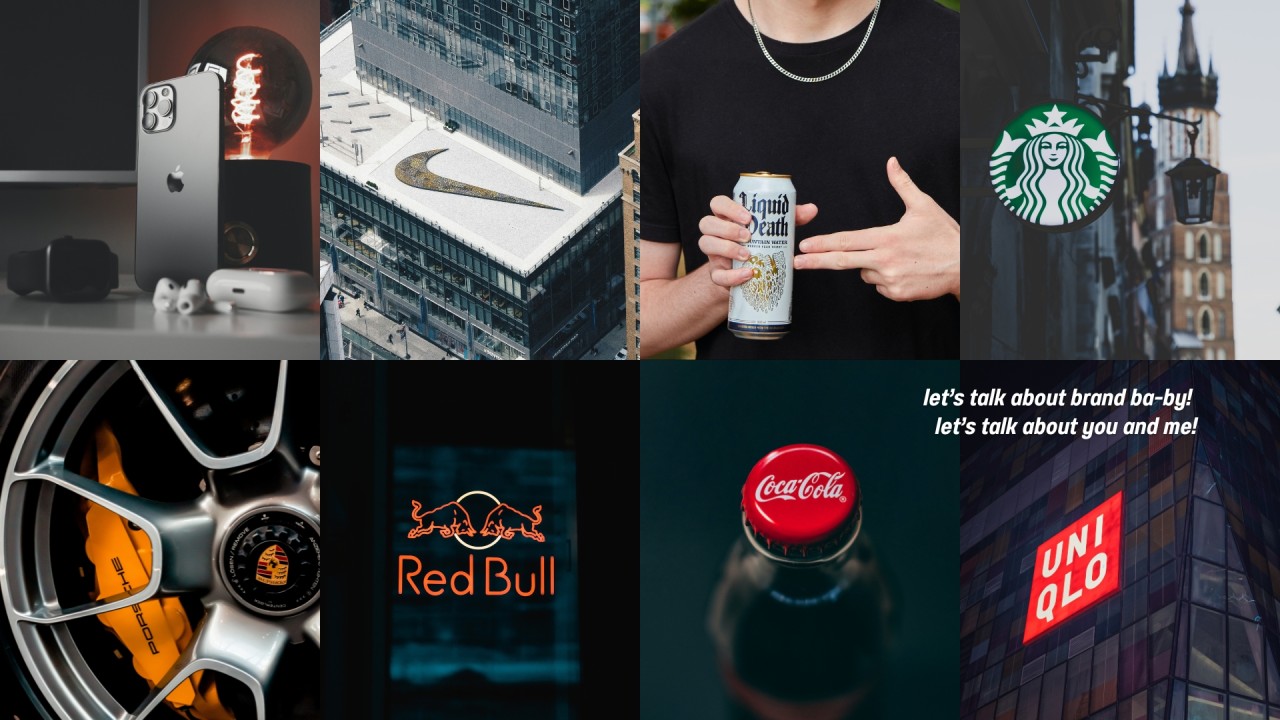
What if I told you that your favorite brands aren’t just selling you a product… but a feeling? That cup of coffee? It’s not just caffeine—it’s warmth, comfort, and routine. Those sneakers? Not just shoes—they make you feel unstoppable.
The Shift from Features to Feelings
Let’s rewind to the early days of advertising. Back in the 1950s and 60s, marketing was all about product features. ‘Our toothpaste has fluoride! Our car has more horsepower!’ But as competition grew, brands realized that logical selling wasn’t enough. People don’t just buy what something is. They buy how it makes them feel.
- Black-and-white commercials listing features of household items
- Transition to modern emotional ads (Nike, Coca-Cola, Apple)
Think about it—when was the last time you saw a Nike ad that listed the materials of their sneakers? Instead, they tell stories of athletes overcoming impossible odds. Nike isn’t selling you a shoe. They’re selling you the feeling of greatness.
The Psychology Behind Emotional Marketing
- Identity – We buy things that align with who we are (or who we want to be).
- Nostalgia – A strong emotional pull makes brands unforgettable.
- Social Proof – If others love it, we want to be part of it too.
Neuroscience tells us that emotions drive 95% of our purchasing decisions. Logic comes in after the fact—to justify why we bought that designer handbag or that latest iPhone. Brands tap into our sense of identity, belonging, and even nostalgia.
Example
- Apple’s “Think Different” campaign → They sell innovation, not just devices.
- Coca-Cola’s holiday commercials → They sell happiness, not just soda.
- Harley-Davidson → Not just a bike, but a rebel lifestyle.
How Simple Products Became Cultural Icons
Some of the most iconic brands today started as simple products. But through emotional storytelling, they became movements.
Examples:
- Starbucks: Started as a simple coffee chain. Today, it sells ritual, comfort, and community.
- Apple: Once just another tech company. Now, it represents creativity, status, and belonging.
- Coca-Cola: Originally a simple soda, Coca-Cola has become a symbol of happiness and togetherness. Through consistent messaging around joy and community, Coca-Cola’s storytelling has created a brand that people associate with shared moments and positive experiences.
People don’t just buy a Starbucks latte. They buy the experience of being in a cozy café, working on their dreams. It’s why people proudly hold that cup, even if it costs double the price of regular coffee.
The Future of Emotional Branding
So, where is emotional marketing headed next? In 2025 and beyond, brands will have to go even deeper into storytelling, personalization, and immersive experiences.
Predictions for the Future:
- AI-Driven Personalization → Ads that adapt to your emotions in real time.
- Metaverse & Virtual Experiences → Brands selling digital feelings (think Nike’s virtual sneakers).
- Cause-Driven Branding → Companies linking themselves to social movements (Patagonia, TOMS).
The brands that win won’t just sell products. They’ll sell experiences, identities, and emotions—because at the end of the day, that’s what we’re really buying.
_________________________________________________
Visit my business SAVVYPRENEURSHIP channel and if you like the content, kindly subscribe to help me grow the channel.
https://www.youtube.com/@Savvypreneurship


 Unconventional Business Wisdom for the refined entrepreneurial mindset - by James D. Roumeliotis