Category Archives: branding

The Business of Luxury Water: Branding a Commodity

By James D. Roumeliotis

Water. The most basic necessity in life. It’s clear, tasteless and free in most places. And yet…there are people paying hundreds, even thousands of dollars for a single bottle. Why? Because some brands have turned water, a commodity into a status symbol. In this episode, I’m sharing with you how premium and luxury water brands like BlingH2O, Acqua di Cristallo Tributo, Voss, and Acqua Panna have done it…and what entrepreneurs can learn from their strategies.

The Commodity-to-Luxury Transformation

Here’s the key challenge: Water is water.
You can’t fundamentally reinvent H₂O.

So how do you get people to pay a premium for it?
You reframe the value. You don’t sell hydration, you sell status, experience, and identity.

In other words, the product is the same, but the perceived value is completely different.

BlingH2O – The Sparkle of Exclusivity

BlingH2O is not just water, it’s water wearing a designer dress.

  • Bottled in frosted glass with Swarovski crystals
  • Priced at up to $40 a bottle
  • Marketed in exclusive celebrity circles

This is liquid jewelry.
Founder Kevin Boyd positioned it as a lifestyle accessory, not a beverage…showing up in Hollywood gift bags and VIP parties.

Entrepreneur’s Lesson: Packaging can be more valuable than the product itself if it aligns with aspirational identity.

Acqua di Cristallo Tributo a Modigliani – The World’s Most Expensive Water

This is the Ferrari of bottled water.

  • Sold for $60,000 a bottle at auction
  • The bottle is made of 24-karat gold
  • The water blend comes from Fiji, France, and Iceland

The buyer isn’t paying for thirst, they’re paying for rarity, craftsmanship, and art.
It’s a collectible disguised as a consumable.

Entrepreneur’s Lesson: Rarity + storytelling + craftsmanship can turn any product into a luxury collectible.

Voss – Minimalism Meets Lifestyle

Voss took a completely different approach…simplicity as luxury.

  • Sleek, cylindrical glass bottle
  • Marketed as pure, artesian water from Norway
  • Found in high-end hotels, restaurants, and spas

It’s not screaming for attention, it’s whispering elegance.

Entrepreneur’s Lesson: In premium markets, sometimes the absence of flash is what makes something aspirational.

Acqua Panna – The Story of Heritage

Acqua Panna built its premium positioning on history and place.

  • Sourced from Tuscany, Italy
  • Tied to the Medici family estate dating back to the Renaissance
  • Marketed alongside fine dining and wine

When you drink Acqua Panna, you’re not just drinking water, you’re drinking a piece of Italian heritage.

Entrepreneur’s Lesson: A compelling origin story can make even a commodity feel special and worth more.

The Common Threads in Luxury Water Branding

Looking at these brands, you’ll notice they use similar playbooks:

  1. Exclusivity – Make it hard to get, and people will want it more.
  2. Aspirational Association – Tie the product to luxury lifestyles, celebrities, or elite spaces.
  3. Packaging as a Statement – Treat the container like a piece of art or fashion.
  4. Heritage & Storytelling – Give the water a backstory worth telling.
  5. Placement Strategy – Sell in high-end environments, not supermarkets.

 How Entrepreneurs Can Apply These Lessons

You don’t have to sell water to use these strategies.

If you want to elevate your product:

  • Change the frame of value – Don’t compete on function alone; compete on feeling.
  • Invest in brand storytelling – Give your customers a narrative they can share.
  • Design like it’s fashion – Make your packaging part of the brand experience.
  • Control distribution – Being everywhere can cheapen the brand. Sometimes scarcity sells.
  • Link to a lifestyle – Make your product a symbol of a specific aspiration or identity.

Final Takeaway

Luxury water brands prove that perception can be more powerful than product.
If people pay thousands for something they can get for free, it’s proof that branding is about emotion, identity, and experience, not just utility. So, the next time you’re building a brand, ask yourself: Am I selling the product…or am I selling what the product means? Remember, in business, value is created in the mind before it’s created in the market.

______________________________________________

Visit my business SAVVYPRENEURSHIP channel and if you like the content, kindly subscribe to help me grow the channel.

https://www.youtube.com/@Savvypreneurship

Leave a comment

Filed under 1, branding

How Smart Brands Are Using AI to Build Unforgettable Identities

James D. Roumeliotis

Branding isn’t just logos and taglines anymore. It’s behavior. It’s values. It’s tech. And yes—it’s now AI. In this episode I’m diving into the modern branding playbook. What’s working right now, where the future is heading, and how innovative companies are standing out by doing things very differently.

Traditional vs. Contemporary Branding

Old-school branding focused on consistency—same color, same slogan, everywhere. But that alone doesn’t cut it anymore.

  • Traditional: Static logos, print media, rigid brand guides.
  • Modern: Dynamic visuals, tone-adaptive content, experiential branding.

Today, successful brands are living entities. They flex, respond, evolve in real-time—and the customer is no longer just a buyer. They’re your co-creator, your critic, and your community.

Unique Brand Strategies That Worked

1. Liquid Death – Water, but Punk

  • Visuals: Bold cans, death metal branding for… canned water?
  • Takeaway: They leaned into anti-branding and satire, breaking every rule—and it worked. Why? Because it aligned with their niche identity and audience values.

2. Duolingo – TikTok Marketing Masterclass

  • Visuals: Viral clips of the Duolingo owl being chaotic.
  • Takeaway: Instead of corporate polish, they embraced humor and weirdness to create virality and relatability—especially with Gen Z.

3. Glossier – Community as Brand

  • Visuals: User-generated content, minimalist packaging.
  • Takeaway: Glossier let its community shape the brand narrative, co-creating products and turning customers into ambassadors.

Key Point: The best modern brands aren’t just seen—they’re felt. They’re distinct in voice, interactive by design, and culturally plugged in.

The Rise of AI in Branding

Here’s where it gets exciting. AI is no longer just a backend tool—it’s becoming central to branding.

Ways Brands Are Using AI Effectively:

1. Personalized Brand Experiences

  • Example: Netflix and Spotify use AI to create hyper-personalized experiences, training users to expect tailored content—and that is part of the brand.

2. AI-Generated Copy & Visuals

  • Example: Coca-Cola’s “Create Real Magic” campaign allowed consumers to generate branded art using AI tools like DALL·E and GPT, making the audience part of the creative process.

3. Sentiment Analysis for Brand Voice

  • Example: L’Oréal uses AI to analyze consumer emotions in real-time, allowing them to adjust brand tone and messaging per audience segment.

Key Point: AI isn’t replacing creative—it’s enhancing it. Giving brands speed, scale, and precision they’ve never had before.

The Future of Branding

Branding in the next decade will be defined by five major shifts.

FIVE Future Branding Trends to Watch:

1. Dynamic Identities

  • Logos and visual identities will be flexible, even responsive—changing based on user behavior or location.

2. Immersive Branding in AR/VR

  • Virtual storefronts. Interactive 3D experiences.
  • Example: Nike’s NIKELAND in Roblox is redefining brand experience for younger audiences.

3. Decentralized Communities

  • Brands will increasingly grow from communities, not corporations. DAOs and social tokens could empower user-owned branding.

4. Ethical & Purpose-Driven Branding

  • Consumers, especially Millennials and Gen Z, expect values, transparency, and action.

5. AI + Human Co-Creation

  • Co-branding with AI tools where customers customize, remix, and contribute to brand content.

In the future, brands won’t market to people—they’ll market with people.

In Conclusion

The future of branding is bold, fast, emotional, and—more than ever—personal. Whether you’re building your first product or rethinking your entire strategy, remember this: the best brands don’t just chase attention. They create connections.

_________________________________________________

Visit my business SAVVYPRENEURSHIP channel and if you like the content, kindly subscribe to help me grow the channel.

https://www.youtube.com/@Savvypreneurship

Leave a comment

Filed under 1, branding, branding strategy

How Companies Sell You a Feeling and a Lifestyle, Not Just a Product

By James D. Roumeliotis

What if I told you that your favorite brands aren’t just selling you a product… but a feeling? That cup of coffee? It’s not just caffeine—it’s warmth, comfort, and routine. Those sneakers? Not just shoes—they make you feel unstoppable.

The Shift from Features to Feelings

Let’s rewind to the early days of advertising. Back in the 1950s and 60s, marketing was all about product features. ‘Our toothpaste has fluoride! Our car has more horsepower!’ But as competition grew, brands realized that logical selling wasn’t enough. People don’t just buy what something is. They buy how it makes them feel.

  • Black-and-white commercials listing features of household items
  • Transition to modern emotional ads (Nike, Coca-Cola, Apple)

Think about it—when was the last time you saw a Nike ad that listed the materials of their sneakers? Instead, they tell stories of athletes overcoming impossible odds. Nike isn’t selling you a shoe. They’re selling you the feeling of greatness.

The Psychology Behind Emotional Marketing

  1. Identity – We buy things that align with who we are (or who we want to be).
  2. Nostalgia – A strong emotional pull makes brands unforgettable.
  3. Social Proof – If others love it, we want to be part of it too.

Neuroscience tells us that emotions drive 95% of our purchasing decisions. Logic comes in after the fact—to justify why we bought that designer handbag or that latest iPhone. Brands tap into our sense of identity, belonging, and even nostalgia.

Example

  • Apple’s “Think Different” campaign → They sell innovation, not just devices.
  • Coca-Cola’s holiday commercials → They sell happiness, not just soda.
  • Harley-Davidson → Not just a bike, but a rebel lifestyle.

How Simple Products Became Cultural Icons

Some of the most iconic brands today started as simple products. But through emotional storytelling, they became movements.

Examples:

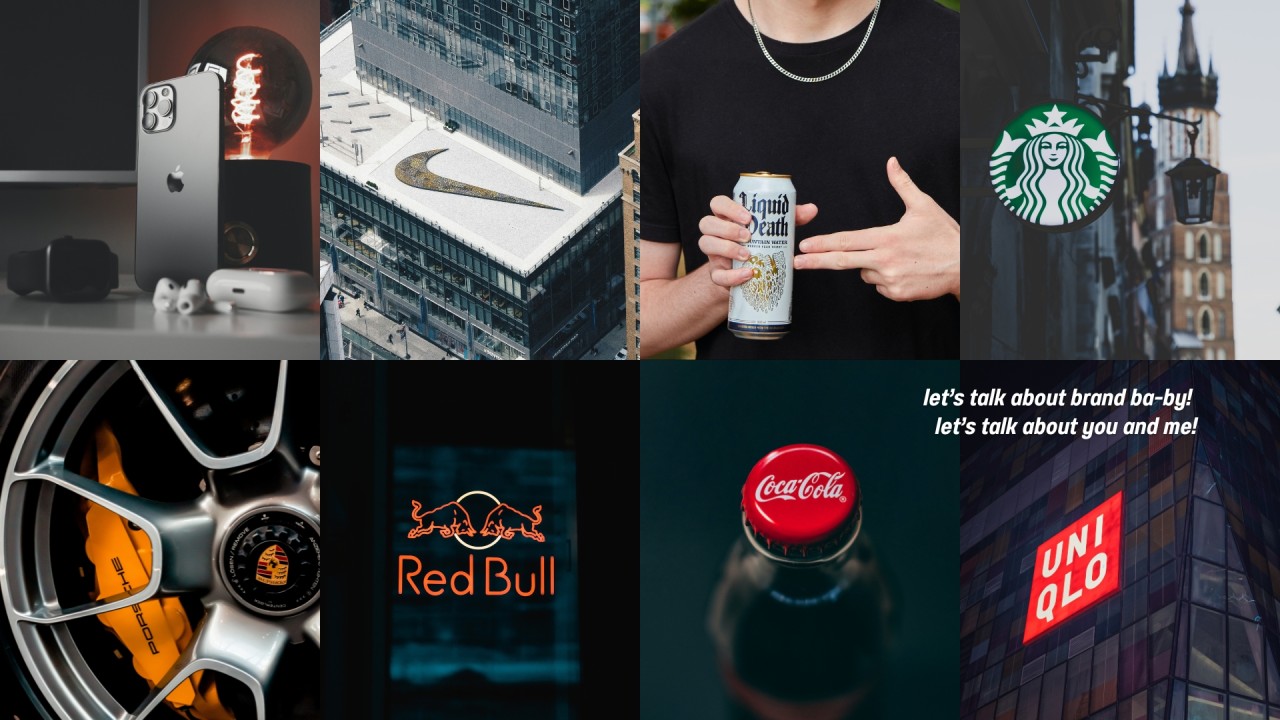
  • Starbucks: Started as a simple coffee chain. Today, it sells ritual, comfort, and community.
  • Apple: Once just another tech company. Now, it represents creativity, status, and belonging.
  • Coca-Cola: Originally a simple soda, Coca-Cola has become a symbol of happiness and togetherness. Through consistent messaging around joy and community, Coca-Cola’s storytelling has created a brand that people associate with shared moments and positive experiences.

People don’t just buy a Starbucks latte. They buy the experience of being in a cozy café, working on their dreams. It’s why people proudly hold that cup, even if it costs double the price of regular coffee.

The Future of Emotional Branding

So, where is emotional marketing headed next? In 2025 and beyond, brands will have to go even deeper into storytelling, personalization, and immersive experiences.

Predictions for the Future:

  1. AI-Driven Personalization → Ads that adapt to your emotions in real time.
  2. Metaverse & Virtual Experiences → Brands selling digital feelings (think Nike’s virtual sneakers).
  3. Cause-Driven Branding → Companies linking themselves to social movements (Patagonia, TOMS).

The brands that win won’t just sell products. They’ll sell experiences, identities, and emotions—because at the end of the day, that’s what we’re really buying.

_________________________________________________

Visit my business SAVVYPRENEURSHIP channel and if you like the content, kindly subscribe to help me grow the channel.

https://www.youtube.com/@Savvypreneurship

Leave a comment

Filed under 1, brand positioning, branding, branding not products, branding strategy, lifestyle branding

Branding Strategies for Professional Practices-Firms

James D. Roumeliotis

Branding is essential for professional practices such as dentists/orthodontists, law firms, architect offices, and specialty physician practices such as Plastic Surgeons, to distinguish themselves in competitive markets and build a positive reputation. Here are branding strategies tailored for each:

Dentists & Orthodontists:

  1. Distinctive Logo and Colors:
    • Create a professional and memorable logo that reflects the dental practice’s values and expertise.
    • Choose a color scheme that conveys cleanliness, trust, and professionalism.
  2. Patient-Centric Messaging:
    • Craft messaging that emphasizes patient comfort, care, and overall oral health.
    • Highlight modern technologies and techniques to showcase the practice’s commitment to quality.
  3. Online Presence:
    • Develop a user-friendly website with information about services, staff profiles, and patient testimonials.
    • Leverage social media platforms to share oral health tips, showcase before-and-after cases, and engage with the community.
  4. Community Engagement:
    • Sponsor local events, participate in health fairs, and collaborate with schools to promote oral health education.
    • Offer promotions or discounts for community members to encourage new patient referrals.
  5. Professional Referral Networks:
    • Build relationships with local healthcare professionals for referrals.
    • Ensure a seamless and positive experience for patients referred by other healthcare providers.

Law Firms:

  1. Logo and Brand Identity:
    • Design a logo that reflects the law firm’s values and specialization.
    • Use consistent branding elements across all communication channels, including letterheads, business cards, and the firm’s website.
  2. Specialization Showcase:
    • Clearly define the firm’s areas of expertise and specialization.
    • Showcase successful cases or client testimonials to build credibility.
  3. Website Optimization:
    • Develop an informative and user-friendly website with a professional design.
    • Include lawyer profiles, case studies, and legal resources to establish the firm as an authority in its field.
  4. Thought Leadership:
    • Establish lawyers as thought leaders by writing articles, blog posts, or whitepapers on legal topics.
    • Leverage social media and guest appearances in legal forums to share insights and expertise.
  5. Client-Centric Approach:
    • Emphasize client satisfaction and a client-centric approach.
    • Provide transparent communication, set realistic expectations, and offer personalized services.

Architect Offices:

  1. Portfolio Presentation:
    • Showcase a diverse and visually appealing portfolio of completed projects on the website and other marketing materials.
    • Highlight the unique design elements and problem-solving approaches in each project.
  2. Design-Centric Branding:
    • Reflect the firm’s design philosophy in its branding, using clean lines, modern fonts, and visually appealing color schemes.
    • Incorporate architectural sketches or blueprints into the branding to convey creativity and innovation.
  3. Collaboration and Innovation:
    • Emphasize a collaborative approach to projects, showcasing the team’s ability to work closely with clients.
    • Highlight innovative design solutions and the use of sustainable or cutting-edge materials.
  4. Digital Presence:
    • Utilize digital platforms like Instagram, Pinterest, and Houzz to visually showcase completed projects and design inspiration.
    • Maintain an up-to-date and visually engaging website that reflects the firm’s design sensibilities.
  5. Networking and Industry Involvement:
    • Attend industry events, join architectural associations, and participate in design competitions to enhance visibility.
    • Network with other professionals in the construction and design industry for collaboration opportunities.

Specialty Physician Practices:

1. Define Your Unique Value Proposition (UVP):

  • Clearly articulate what sets your specialty practice apart from others.
  • Highlight your unique expertise, cutting-edge technology, patient-centric approach, or any specific services that distinguish your practice.

2. Create a Professional and Recognizable Brand Identity:

  • Develop a distinctive logo and use a consistent color palette and design elements.
  • Ensure your visual identity reflects the professionalism and trustworthiness associated with healthcare.

3. Optimize Online Presence:

  • Design a user-friendly and informative website that includes details about your specialty, services offered, physician profiles, and patient testimonials.
  • Utilize search engine optimization (SEO) to ensure your practice appears in relevant online searches.

4. Educational Content Marketing:

  • Establish your practice as an authority in your specialty by creating and sharing educational content.
  • Maintain a blog on your website covering relevant health topics, treatment options, and the latest advancements in your field.

5. Patient-Centric Branding:

  • Emphasize your commitment to patient care and satisfaction in your branding.
  • Use patient testimonials, success stories, and case studies to showcase positive outcomes and patient experiences.

6. Utilize Social Media for Engagement:

  • Engage with your audience on social media platforms like Facebook, Instagram, or Twitter.
  • Share relevant health tips, success stories, and updates about your practice. Respond promptly to patient inquiries and feedback.

7. Community Involvement and Partnerships:

  • Participate in local health fairs, events, or community initiatives to increase your practice’s visibility.
  • Establish partnerships with local healthcare organizations or community groups to enhance your community presence.

8. Professional Referral Networks:

  • Develop strong relationships with referring physicians and specialists.
  • Ensure seamless communication and coordination between your practice and others involved in a patient’s care.

9. Online Reviews and Reputation Management:

  • Encourage satisfied patients to leave positive reviews on platforms like Google, Healthgrades, or Yelp.
  • Manage and respond to reviews professionally, demonstrating your commitment to patient satisfaction.

10. Telemedicine Services:

  • If applicable, highlight your practice’s use of telemedicine for remote consultations.
  • Emphasize the convenience and accessibility of virtual appointments.

11. Consistent Communication:

  • Establish a regular communication strategy to keep patients informed about practice updates, new services, or relevant health information.
  • Utilize newsletters, email campaigns, and social media for consistent outreach.

12. Crisis Communication Plan:

  • Develop a crisis communication plan to address any unforeseen challenges or crises promptly.
  • Be transparent, provide accurate information, and maintain open communication with patients and the community.

13. Continued Education and Training:

  • Showcase the ongoing education and training of your physicians and staff to highlight your commitment to staying at the forefront of your specialty.

14. Innovative Technology Integration:

  • Highlight any advanced or innovative technologies used in your practice.
  • Showcase how these technologies contribute to better patient outcomes and experiences.

By implementing these branding strategies, professional practices can build a strong and positive image, attract clients, and differentiate themselves in their respective industries.

______________________________________________________

Request your TWO FREE chapters of this popular book with no obligation.

EntrepreneurialEssentials - FrontCover Final

Leave a comment

Filed under 1, Branding, branding, branding for professional firms, branding strategy