Category Archives: super luxury cars

The Art of Exclusivity: How Luxury Brands Create Desire

By James D. Roumeliotis

Luxury brands aren’t just selling products; they’re selling dreams, status, and exclusivity. To maintain this aura, they employ clever tactics that go beyond simple supply and demand. Let’s look at two key strategies: artificial scarcity and selective selling.

Artificial Scarcity

Artificial scarcity is when brands deliberately limit the availability of their products, even when they could produce more. This creates a perception of rarity and increases desire.

Examples:

  1. Hermès Birkin Bags
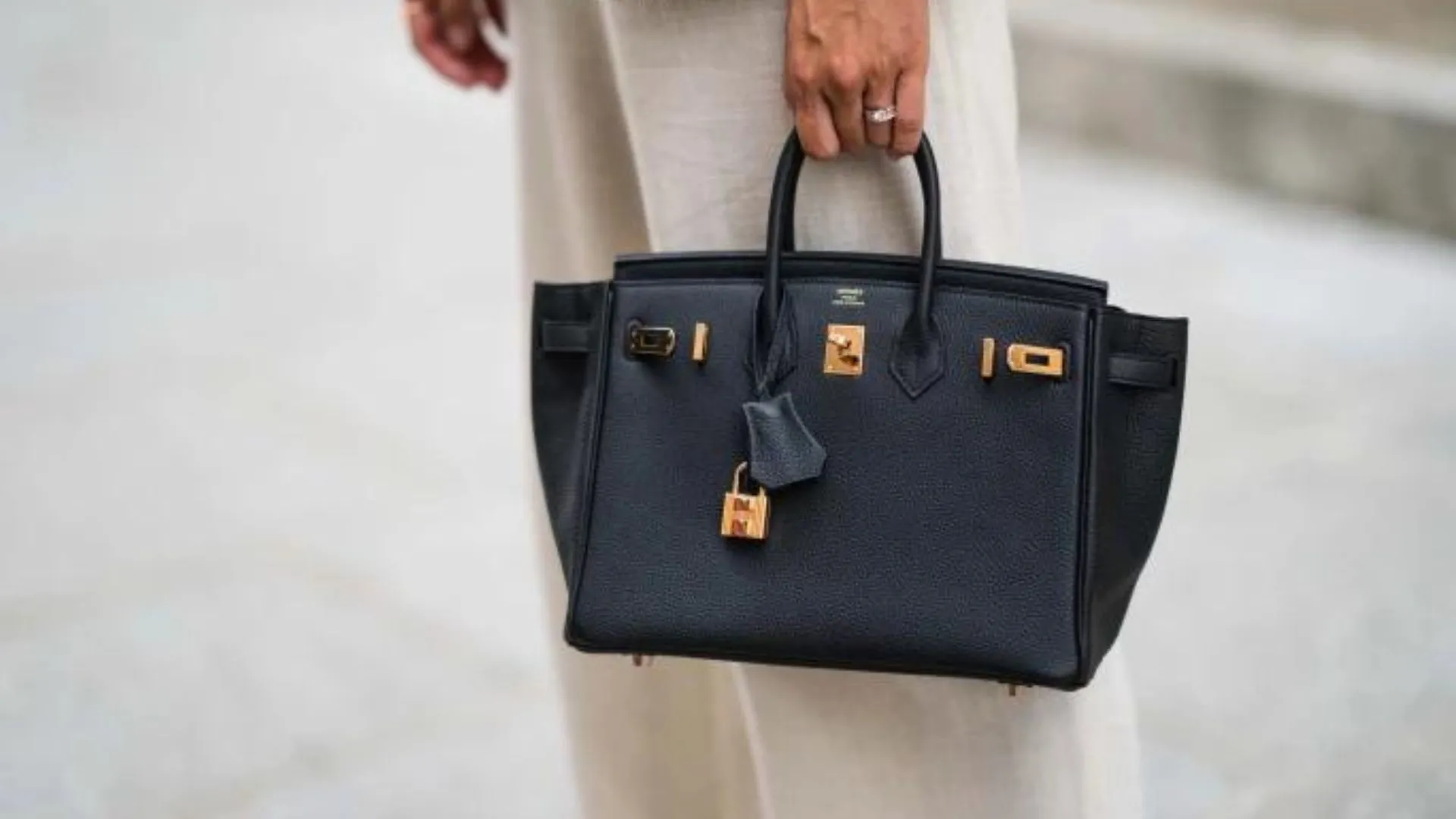
    Hermès is the master of artificial scarcity. They’ve made their Birkin bags so elusive that:
    • You can’t simply walk into a store and buy one
    • There’s a mysterious waiting list
    • The company claims they don’t know when new stock will arrive

This strategy has turned the Birkin bag into a status symbol, with some models selling for over $300,000 in the resale market.

  • Rolex Watches
    Rolex limits the production of their most popular models, like the Daytona and Submariner. This creates long waiting lists and drives up prices in the secondary market.
  • Supreme
    This streetwear brand releases limited quantities of products once a week. Their items often sell out in minutes, creating a frenzy among fans.

Selective Selling

Some luxury brands go a step further by only selling their top-tier products to clients with a substantial purchase history. This practice:

  • Rewards loyal customers
  • Creates an air of exclusivity
  • Encourages more spending to reach the “inner circle”

Examples:

  1. Ferrari
    This illustrious brand is notorious for its selective selling practices. To buy their most exclusive models, like the LaFerrari:
    • You need a history of Ferrari ownership
    • You must be invited by the company
    • Sometimes, you need to own multiple Ferraris

The retired comedian and avid car collector, Jay Leno, was once asked why he refuses to purchase a new Ferrari and he responded by saying that the Ferrari dealership experience is like visiting a dominatrix.

  1. Hermès (again)
    To be offered a Birkin or Kelly bag, clients often need to:
    • Build a relationship with a sales associate
    • Have a significant purchase history with the brand

Why Do Luxury Brands Use These Tactics?

  1. Maintain Exclusivity: By limiting access, brands preserve their exclusive image.
  2. Create Desire: Scarcity makes products more desirable. As the saying goes, “We want what we can’t have”.
  3. Control Brand Image: By choosing who can buy their products, brands can ensure their items are associated with the “right” people.
  4. Drive Up Prices: Scarcity allows brands to charge premium prices and resist discounting.
  5. Generate Buzz: Limited availability creates talking points and free publicity.
  6. Encourage Loyalty: The promise of access to exclusive products keeps customers coming back.

How These Tactics Benefit Luxury Brands

  1. Higher Profit Margins: Scarcity justifies higher prices, leading to better profits.
  2. Brand Value Preservation: By avoiding oversaturation, brands maintain their prestige.
  3. Customer Lifetime Value: Selective selling encourages repeated, high-value purchases.
  4. Secondary Market Control: Scarcity drives up resale prices, indirectly benefiting the brand’s perceived value.
  5. Marketing Efficiency: The mystique created reduces the need for traditional advertising.

Conclusion

While the tactics used by luxury brands might seem frustrating to consumers, they’re incredibly effective for the brands. By masterfully manipulating supply and access, these companies create an aura of exclusivity that keeps their products highly desirable and valuable.

However, it’s worth noting that this strategy isn’t without risks. Brands must balance exclusivity with accessibility to avoid alienating potential customers or creating too much frustration. For entrepreneurs, there are valuable lessons here about creating perceived value, managing supply, and building customer loyalty. While most businesses can’t adopt these exact tactics, understanding the psychology behind them can inform your own marketing and sales strategies.

_____________________________________

Visit my business SAVVYPRENEURSHIP channel and if you like the content, kindly subscribe to help me grow the channel.

https://www.youtube.com/@Savvypreneurship

Leave a comment

Filed under 1, Artificial scarcity, Luxury, luxury branding, luxury lifestyle, luxury storytelling, selling luxury, super luxury cars

Exploring the Luxury British Automotive Total Customer Experience: Part 2 ‒ Jaguar Cars

Jaguar Lifestyle Image

Viewpoint by James D. Roumeliotis and Petrona J. Joseph

Add to FacebookAdd to DiggAdd to Del.icio.usAdd to StumbleuponAdd to RedditAdd to BlinklistAdd to TwitterAdd to TechnoratiAdd to Yahoo BuzzAdd to Newsvine

In part 1 of this 4 part series, the Aston Martin automotive brand was the star focus. In this part, the spotlight is on the customer expectations with the British luxury automaker Jaguar Motors. For over 90 years, this high-status marque has pushed the boundaries of what was once considered impossible in the automotive industry.

Sir William Lyons – founder of Jaguar Motors, combined performance and beauty in the designs and manufacturing of the ‘Jag’. A feat unprecedented of his time, his uncompromising vision set new benchmarks which is still followed by the manufacturer until today. Despite a tumultuous period during the Ford Motor Company ownership, its present owner (the Tata industrial conglomerate based in India) has invigorated a new model lineup together with a bold marketing strategy through a substantial cash infusion. It also acquired, from Ford, the Land Rover luxury SUV brand.

With the big news of Jaguar’s upcoming justDrive™ ‒ an industry-leading app technology that integrates multiple smartphone apps into a single, voice-activated in-car experience; it is now a leading contender amongst its competitors.

Jaguar Interior

The Jaguar driver profile

The Jaguar customer is typically a refined man or woman – for the most part, a university graduate with a dynamic presence, and status symbol visible. Moreover, the Jaguar driver can be classified on some levels to the “blue temperament” – which is an analytical, prudent, detail-oriented and precise personality. In serving a Jaguar customer, one must not sway into personal details on the onset. In addition, the sales consultants have been trained to not ask many open-ended questions but rather ask close-ended questions and listen attentively. I also suggest note-taking, because the majority of Jaguar drivers (most in Executive positions) do not like to repeat themselves. By taking notes, one demonstrates the prospective Jaguar owner that you are unconsciously like them by mirroring their behavior.

Following is an outline on how authorized Jaguar dealers respond to customers – from Sales to Service.

Initial Sales Consultation

– Greeted promptly by the receptionist

– The sales consultant must greet the potential Jaguar consumer with the appropriate handshake (particularly the dominant handshake)

– Ask close-ended questions to ensure need and quality prospect.

– Initiate test drive

– Review objectives & listen to this customer clearly while note-taking

– Warning- there is a fine line between explain the benefits to this customer versus being aggressive in your approach. Allow this customer time to review the advantages of owning a Jaguar.

– An overnight test drive is quite rare, however during the test drive, outline the benefits of the drive and the technology.

Sales Process

Allow the appropriate time for this customer to choose options, colors and technology combinations. At this point, once trust and careful attention has been established- then proceed with open-ended questions.

Delivery

– Short and succinct (keeping in mind that this customer is discerning and either a professional practitioner, executive or a successful entrepreneur who may have to return to the office for an important meeting.

– The customer should be shown the basic functionality of his or her new Jaguar

– The customer should be asked to reschedule a one hour detailed information session at his/her place and time of convenience.

Jaguar Convertible

The automobile which reflects a luxury lifestyle

Premium and luxury car owners seek the total package with the car brand they choose to be loyal to as they would when checking in to a luxury resort. They seek more than just a vehicle they can enjoy from point A to B. In practice, its owner might use this automobile to commute to work, but this is not sole incentive. Jaguar is clearly a brand with authenticity and heritage. The principals shaping the consumer’s buyer behavior go beyond intention. There is a sense of engagement in fulfilling a dream. It can be to make a social status statement or a personal style choice. Whatever it is, it is not an unconscious choice. The codifiers are clear: This is who I am, and what I believe in. Ultimately, it can also articulate the owners’ sense of self-worth and their emotional aspirations. The most important emotional benefit is that a product of this caliber and class expresses itself when the consumer can declare: “It suits my lifestyle.”

Discreet and unconventional selling approach

Jaguar in North America is testing, in several major cities in the U.S., a novel way it presents new vehicles by showing appreciation to its most loyal customers, which it labels as “super-loyalists” by hosting elaborate receptions in their homes. In turn, the “super-loyalists” invite friends and associates who may be interested, and can afford, one of Jaguar’s elegant models. This idea takes away the perception of any high pressure sales normally associated with auto sales at dealerships.

Jaguar Classic Car

Dealers of prestigious auto brands as custodians of heritage

A luxury dealership’s ultimate goal is to make an entire ownership experience a pleasure ‒ let alone a Jaguar. They strive to build relationships, which is why so many of their clients remain loyal. A luxury dealership serves as a guardian for the rich heritage of their prestigious brands thus make certain to continue their legacy.

Add to FacebookAdd to DiggAdd to Del.icio.usAdd to StumbleuponAdd to RedditAdd to BlinklistAdd to TwitterAdd to TechnoratiAdd to Yahoo BuzzAdd to Newsvine

______________________

Request your TWO FREE chapters of this popular book with no obligation.

EntrepreneurialEssentials - FrontCover Final

Inquire about our 30 minute free consultation

Google

1 Comment

Filed under Branding, Business, catering to picly clients, customer experience, customer service, discerning clients, discriminating clients, Luxury, luxury storytelling, selling luxury, sexy brands, super luxury cars

Exploring the “Super Luxury” British Automotive Total Customer Experience: Part 1 ‒ The Aston Martin

Aston Martin Prestige Image

Viewpoint by James D. Roumeliotis and Petrona J. Joseph

Add to FacebookAdd to DiggAdd to Del.icio.usAdd to StumbleuponAdd to RedditAdd to BlinklistAdd to TwitterAdd to TechnoratiAdd to Yahoo BuzzAdd to Newsvine

When we encounter the word “luxury”, images of: seamlessness, awe, the rarity factor, cache, opulence, aristocracy, supreme workmanship, stellar service and reverence come to mind, amongst others

Now, close your eyes for a moment. What images come to mind when you consider mention of the following vehicles: Aston Martin, Jaguar, Bentley and Range Rover? That’s what we will be analyzing in this four part series of the luxury British automotive icons and the above average expectations of consumers seeking such extravagant motor vehicles.

What qualifies the authors to give such commentary? Having worked and served — most notably with prestigious brands such as Gucci, Aston Martin, Jaguar, Bentley and Range Rover, as well as with mega yachts and coupled with extensive research and consultations in this domain –, both can accurately define the exceptional treatment tendered to a HNWI (High Net Worth Individual) luxury seeking discerning consumer. Brands which qualify to serve this exclusive market provide attention to detail, a plethora of product knowledge/competence, and discretion along with an implementation of an anticipated flawless post-sale/follow-up policy.

Price aside, a luxury car brand should embody cache, exclusivity, pedigree, craftsmanship and limited production. R.L. Polk and Company, a global automotive information and marketing firm that provides solutions to automotive and related industries, has re-defined the term with the appellation, “super luxury”, ‒ i.e. cars that cost over $100K. This category includes brands such as Rolls Royce, Bentley, Maserati as well as the Aston Martin being featured here.

Aston Martin Showroom

Aston Martin: License to thrill

We begin with the initial luxury automotive brand in this four part series: Aston Martin. This high valued motor car producer brings images of James Bond, a ladies gent, British heritage, sophisticated technology, sex appeal, speed, agility and soul.

Considering the above persona, the makeup of a typical Aston Martin customer.is a male (no gender discrimination intended), in his late 30’s early 40’s, handsome, successful, possibly with an attractive spouse (or if single, a striking companion), possesses a deep knowledge of refined luxury, knows what he wants virtually at any price level, and enjoys adventure, as well as thrives at constant new challenges.

Initial impressions and consultative sales process

When a prospective owner, or existing customer of an Aston Martin walks into any impressive looking Aston Martin showroom, the total experience should normally result as follows:

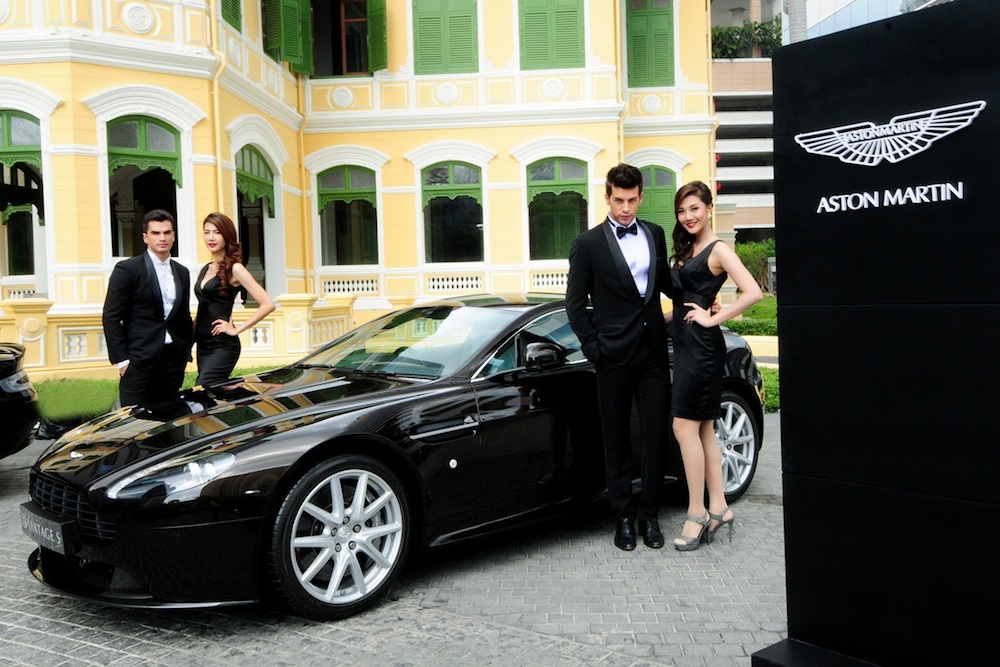
– To be greeted initially by the attractive receptionist/hostess (brand ambassadors) by the owner or General Manager of the dealership;

– Introduce the prospective client to an Aston Martin specialist;

– Offer a hot or cold fine beverage;

– Be given a tour of the impressive premises;

– Exhibit the various models and a test drive initiated during which time rapport is being built;

– Offer of an overnight test drive to create the feel and experience of the automobile and its performance characteristics;

– Thank and greet the prospect by the dealership owner or GM upon returning the vehicle followed by the sales specialist;

– Customer’s contact information should be entered into the dealer database (CRM);

– If a sale is initiated – the sales process should ensue. However, if a sale does not occur, effort should be exerted in a discreet and pragmatic manner (consider “consultative” selling) to close the sale. Statistics show that 60% of car purchases have been consummated on the spot when they received what they considered was an excellent presentation and demonstration. Either way, a follow-up is imperative within 24 hours.

Sale & delivery

– An appointment should be set for delivery;

– Upon arrival to pick-up the vehicle, customer should be congratulated by owner and/or GM;

– Explanation of vehicle model should be thorough along with a post-sale follow-up the following day;

– Customer should be offered a token appreciation for his/her business. This can be in the form of champagne from a strategic partnership for example, Moët & Chandon and/or an additional gift in good taste.

Aston Martin Showroom Lounge

Exceeding customer expectations for the discerning client-driver

To succeed in gratifying the seemingly sophisticated client, a high-end organization should develop a comprehensive strategy along with efficient implementation tactics. These include:
– Having a clear and unique value proposition that hooks them;
– Consider exploiting the five senses to attract and retain them – categorized as “ambiance”/”sensorial” marketing and branding;
– Staff must be customer centric, patient, empathetic, and good listeners – remaining calm under duress during client interactions;
– Employee retention – hiring for attitude and training for skills;
– Utilizing a hands-on approach;
– Probing clients’ specific needs/requirements – recognizing their motivations – reading their body language;;
– Earning their trust and respect by exuding confidence, empathy and transparency;
– Offering a personal touch – individualized attention with customized solutions – It’s all about the customer;
– Being frank and transparent with pricing, offers, proposals and promotions;
– Proposing an expansive product selection and service options;
– Outstanding and consistent levels of customer service throughout the organization;
– Reducing or eliminating waiting times – whether on the phone (reservations, customer service etc.), as well as for service or an appointment at the physical location;
– Offering customer loyalty programs through joint collaborations with other luxury purveyors – a great way to make them feel special by receiving something extra;
– Asking for feedback with regards to service and product experiences for ways to improve those experiences. Discerning clientele are typically strongly opinionated and relish giving their views.
– Implementing the latest technology with all touch points.

The Aston Martin automotive brand with its power, beauty, soul and heritage as its tagline delivers to a specific and limited market segment by giving way to its consumer target to acquire their models they associate with a “luxurious and sporty lifestyle.” The brand is essentially a status symbol.

Brand loyalty is about building an emotional, and in some cases, irrational, attachment in a product. “Total customer experience” is not an option but rather compulsory as part of an alluring brand. It takes savvy planning, execution and perpetual refinements to stand above the crowd. It’s how you get noticed and remain relevant. Luxury brand desirability is driven by standout design, craftsmanship, as well as what is felt.

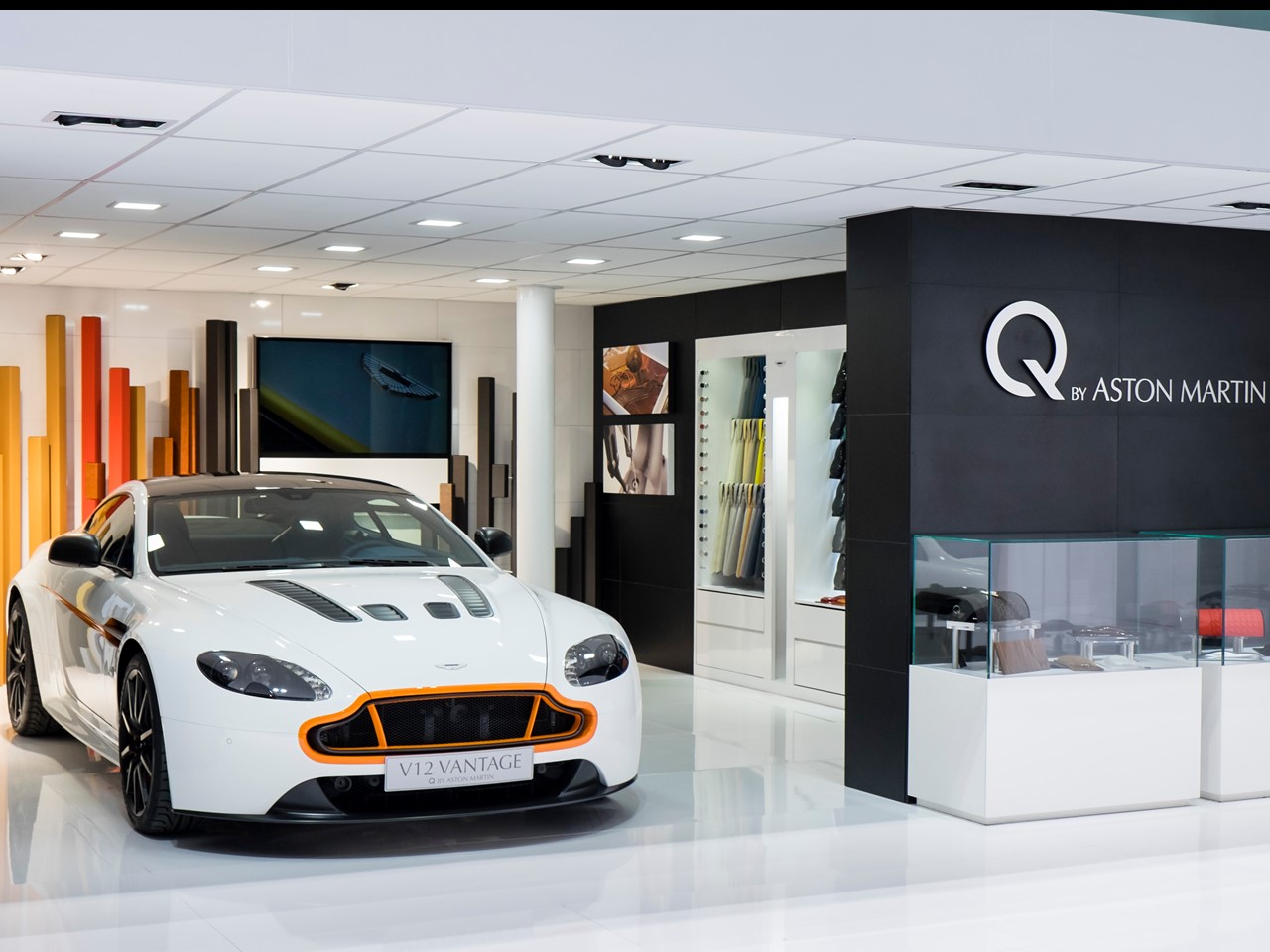
A typical Aston Martin showroom portrays a super luxury car brand able to offer a “wow” factor to its intended customers with an unconventional retail experience which exploits the five senses. This includes a showroom floor with ideal lighting, the various models well positioned/presented, impeccably dressed/groomed staff, and an upscale lounge ‒ overall, presenting sight, sound, smell, touch sensorial experiences and creating a feeling of lavishness. Some will go as far as offer art exhibitions on the premises, five star dining events and wine tasting to name a few. It’s what its type of clientele crave.

Add to FacebookAdd to DiggAdd to Del.icio.usAdd to StumbleuponAdd to RedditAdd to BlinklistAdd to TwitterAdd to TechnoratiAdd to Yahoo BuzzAdd to Newsvine

_____________________________________________________________________________

Request your TWO FREE chapters of this popular book with no obligation.

EntrepreneurialEssentials - FrontCover Final

Inquire about our 30 minute free consultation

Google

2 Comments

Filed under beauty and function, Branding, brands with sex appeal, Business, catering to picly clients, customer experience, customer service, discerning clients, discriminating clients, Luxury, luxury storytelling, Marketing, retail luxury interior design, selling luxury, sexy brands, sexy marketing, sexy products, super luxury cars, what is luxury