Tag Archives: luxury experiences

The Business of Bespoke: Inside the World of Custom Luxury Experiences

In today’s world, luxury isn’t about owning more. it’s about owning what no one else can have. In this episode, I’m diving into the world of bespoke experiences, where everything is crafted to the individual…from custom couture and personal chefs to curated art collections. In this article, I unveil what drives this market, why people pay a premium for it, and what entrepreneurs can learn from the psychology and business model of personalization.

Custom Couture – The Art of Personal Identity

Let’s start with bespoke fashion…the ultimate expression of individuality.

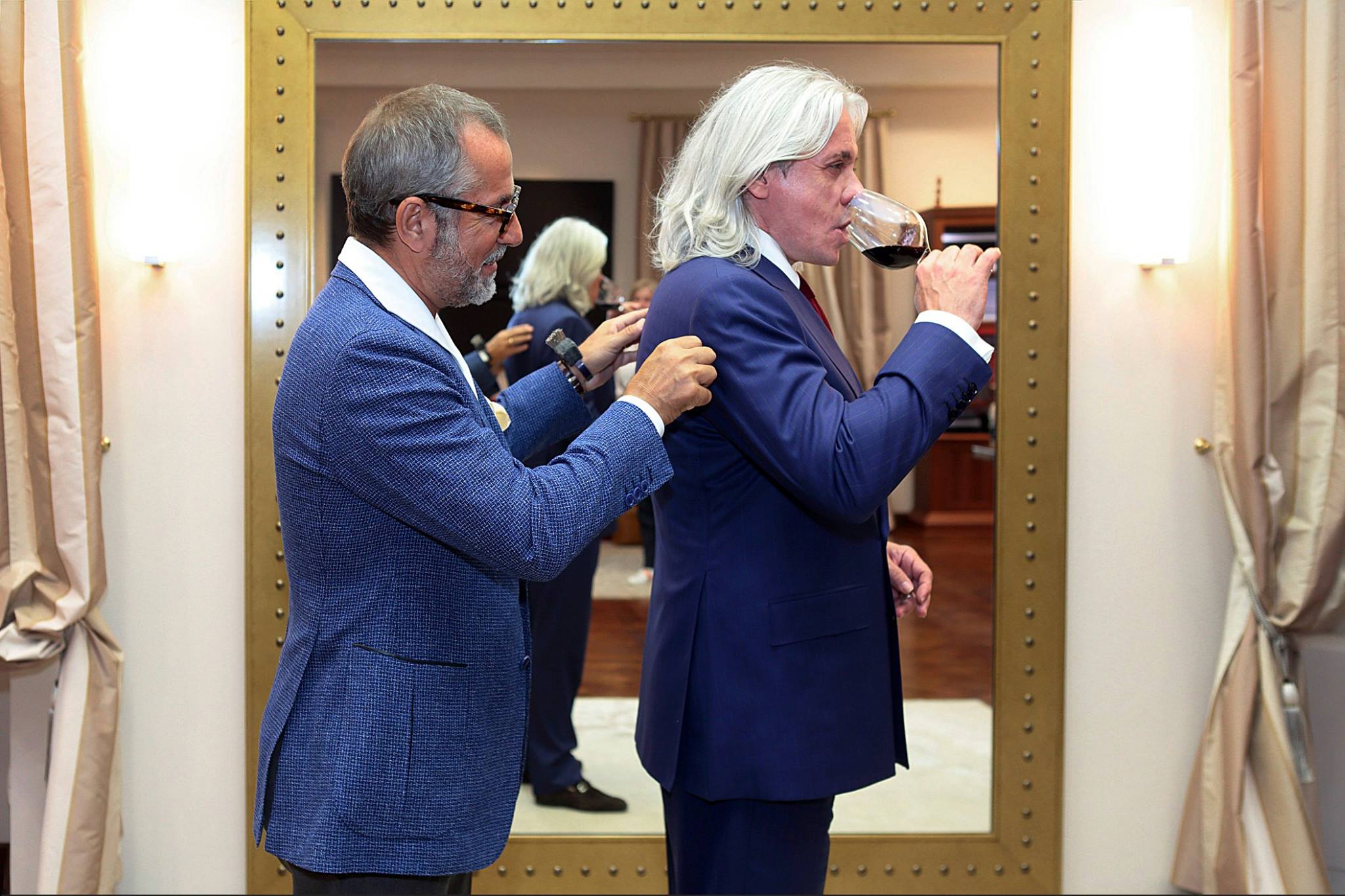
In the world of couture, personalization is everything. Brands like Dior, Chanel, and Elie Saab offer made-to-measure garments tailored to each client’s exact measurements, lifestyle, and aesthetic.

But beyond the fabric and design lies the experience:

  • Private fittings in Parisian ateliers.
  • One-on-one design consultations.
  • Hand-sewn embroidery that can take hundreds of hours.

Even men’s tailoring has its icons. Savile Row in London remains the gold standard of bespoke suits crafted stitch by stitch to fit one person, and one person only.

Example:
Luxury tailor Huntsman of Savile Row once created a custom tweed for a client that matched the shade of his vintage Jaguar. That’s not fashion, that’s personal storytelling through style.

Business Lesson:
In the bespoke world, time equals status. The longer and more exclusive the process, the greater the emotional and perceived value.

Entrepreneurs can learn this: Don’t sell products—sell identity, rarity, and experience.

Personal Chefs – The Taste of Tailored Living

Next, let’s talk about the rise of personal chefs—a booming part of the bespoke lifestyle.

In the post-pandemic era, ultra-high-net-worth individuals have embraced private dining at home but with five-star restaurant standards.

Example 1:
Chef Daniel Humm, from Eleven Madison Park, curates exclusive dining experiences for clients worldwide, often customizing every detail—menu, wine pairing, even plating—to reflect their culture and preferences.

Example 2:
Companies like HireAChef.com or La Belle Assiette have made personal dining accessible, offering private chefs who design menus based on allergies, nutritional goals, and personal taste.

It’s not just food, it’s curated nourishment.

Clients expect:

  • Tailored menus based on DNA nutrition or health data.
  • Local, sustainable sourcing aligned with their values.
  • Seamless service that blends hospitality with artistry.

Business Lesson:
This segment thrives on intimacy and anticipation. Clients aren’t buying meals, they’re buying trust, privacy, and the assurance that every sensory detail is crafted just for them.

Entrepreneurs should take note: The next generation of service businesses will win by making customers feel deeply seen and personally served.

Curated Art Collections – Investment Meets Identity

Now, let’s move from the table to the gallery…where curated art collections define not just taste, but legacy.

Owning art isn’t just a hobby for the wealthy, it’s a statement of identity, intellect, and influence.

Example 1:
François Pinault, founder of the Kering luxury group…which owns Gucci, Balenciaga, and Saint Laurent, turned his private collection into one of the most respected modern art portfolios in the world culminating in the Bourse de Commerce Museum in Paris.

Example 2:
The Pigozzi Collection, often called “the world’s largest collection of contemporary African art,” reflects not just aesthetic taste but a philosophy of cultural connection.

How the business works:
Bespoke art consultants help clients:

  • Commission works directly from artists.
  • Curate pieces that reflect personal themes, values, or milestones.
  • Build collections that double as long-term investments.

For the client, each piece becomes part of their personal narrative. For the advisor, it’s a fusion of psychology, market strategy, and storytelling.

Business Lesson:
In the bespoke art world, the value isn’t only in what hangs on the wall, it’s in the meaning behind it. Entrepreneurs in any industry can learn this: Attach emotional storytelling to your product, and you’ll elevate its perceived worth.

The Psychology of Bespoke – Why Personalization Sells

Here’s what ties all these experiences together…emotional ownership.

When a client feels something is created exclusively for them, it becomes priceless.
It’s the same psychology behind:

  • A monogrammed Hermès bag.
  • A custom Rolex dial.
  • Or a tailor-made yacht interior that matches a client’s personality.

In a world drowning in mass production, bespoke experiences represent ultimate control, privacy, and individuality.

Entrepreneur’s Takeaway:
The luxury consumer doesn’t want to own more…they want to own meaning.

Final Thoughts

So, whether it’s custom couture, a personal chef, or a curated art collection, the lesson for entrepreneurs is clear: The future of business lies in personalization, craftsmanship, and emotional value. In the age of AI and automation, the brands that will thrive are the ones that make people feel personally understood.

______________________________________________________

Visit my business SAVVYPRENEURSHIP channel and if you like the content, kindly subscribe to help me grow the channel.

https://www.youtube.com/@Savvypreneurship

Leave a comment

Filed under 1, Customization, Luxury, luxury lifestyle, luxury storytelling, Personalization, selling luxury

Why the Rich Are Spending Less on Luxury Goods and More on Experiences

James D. Roumeliotis

Luxury isn’t what it used to be. Not long ago, status was all about owning the car, the watch, the bag, the brand. But today, the most affluent consumers, the very ones who used to drive sales for high-end fashion and luxury goods, are spending differently. They’re shifting their money away from objects and toward experiences. So, why is this happening and what can entrepreneurs, especially those in lifestyle, hospitality, and premium services can learn from this transformation.

The End of “Status by Possession”

For decades, brands like Louis Vuitton, Chanel, and Rolex defined what it meant to “make it.”
But after the pandemic and the digital shift, priorities changed.

Affluent consumers began asking:

“Do I really need another handbag or do I want to see the Northern Lights before I turn 50?”

Ownership no longer equals prestige: experience does.

According to Bain & Company, spending on experiential luxury, such as travel, dining, and bespoke services, has now surpassed physical luxury goods.

Luxury is no longer about showing off wealth.
It’s about feeling alive.

The Experience Economy Takes Over

We’ve entered what economists call the Experience Economy.

Here’s what that means:
People, especially the wealthy, don’t just want products, they want stories, emotions, and transformation.

Think of Four Seasons and Aman Resorts. They’re not just hotels; they curate emotions.
A weekend there isn’t about checking into a suite: it’s about disconnecting from chaos and reconnecting with self.

Or look at Singita, a luxury safari brand in Africa.
Guests don’t come for just wildlife.
They come for conservation, sustainability, and impact — experiences that make them feel part of something meaningful.

The wealthy no longer collect things — they collect moments.

Examples of Luxury Experience Brands Winning

Let’s look at some examples of this trend in action:

  1. Belmond Trains & Hotels – Their Venice Simplon-Orient-Express offers the romance of old-world travel: crystal glasses, tuxedoed waiters, and breathtaking routes. It’s nostalgia and escapism rolled into one.
    People pay thousands not for speed, but for sentiment.
  2. Six Senses Resorts: They blend wellness, sustainability, and ultra-luxury. Guests participate in holistic programs — from sound healing to sleep optimization — because luxury now means well-being.
  3. Airbnb Luxe & Private Retreats: High-end travelers are choosing private villas with curated experiences including personal chefs, local guides, and private yoga.
  4. Private Culinary Experiences: Instead of fine dining at Michelin restaurants, some consumers now hire world-class chefs for private in-home dinners or yacht events.
    The exclusivity is in the access, not the address.

These examples show one thing: The new definition of luxury is personalization, privacy, and purpose.

The Psychology Behind the Shift

Why are affluent consumers making this change? It’s psychological and generational.

Millennials and Gen Z, who now make up a growing share of high-net-worth spenders, value meaning and memory over materialism.

They’re digital natives constantly surrounded by content.
So, showing luxury online isn’t as valuable as feeling it firsthand.

They also prioritize sustainability and social impact.
Owning yet another designer piece feels indulgent but experiencing a conservation safari in Botswana or supporting artisans in Italy feels purposeful.

And let’s not forget: after years of uncertainty, people crave connections with others, with nature, with themselves. Experiences offer that emotional payoff that products simply can’t.

How Entrepreneurs Can Leverage This Shift

If you’re an entrepreneur — this trend is full of opportunity.

Here’s how you can position your business to attract affluent clients looking for experience-based luxury.

  1. Sell Emotion, Not Product
    Whether you run a spa, boutique hotel, or travel agency — market the feeling, not the thing.
    Don’t say “5-star villa.” Say “A place where mornings start with silence and the scent of olive trees.”
  2. Personalize Everything
    Affluent consumers expect tailored experiences.
    From custom menus to itinerary design — personalization is no longer a perk, it’s the product.
  3. Curate Partnerships
    Collaborate with local artisans, chefs, or wellness experts.
    Luxury clients love authenticity — real people and real stories.
  4. Focus on Sustainability
    Responsible luxury is the new gold standard.
    Eco-conscious design, ethical sourcing, and carbon-neutral travel are not just buzzwords they’re expectations.

The Future of Luxury

Luxury brands are realizing that the future isn’t about bigger logos — it’s about deeper meaning.

That’s why LVMH and Kering have invested in hospitality and experiences — from Cheval Blanc hotels to wellness retreats and cultural ventures.

Because the next generation of affluent consumers isn’t saying,

“I want to own more.”
They’re saying,
“I want to feel more.”

In summary

So, as we move into this new era of experiential luxury, remember this: Status symbols fade. Memories don’t. If you’re building a brand, think beyond the sale — think about how your product or service makes people feel. That’s where true value lives.

______________________________________________

Visit my business SAVVYPRENEURSHIP channel for a presentation of this article and many other business related subjects.

https://www.youtube.com/@Savvypreneurship

Leave a comment

Filed under luxury lifestyle, luxury storytelling, selling luxury