Category Archives: branding strategy

How Smart Brands Are Using AI to Build Unforgettable Identities

James D. Roumeliotis

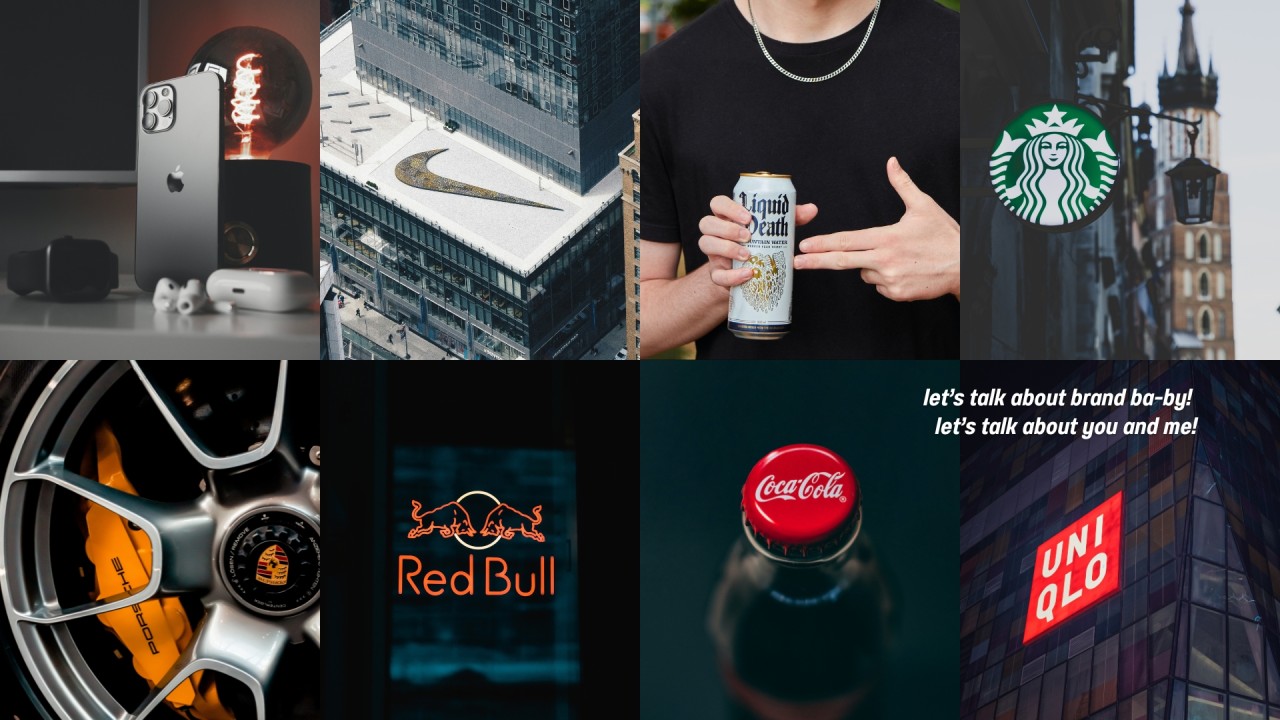
Branding isn’t just logos and taglines anymore. It’s behavior. It’s values. It’s tech. And yes—it’s now AI. In this episode I’m diving into the modern branding playbook. What’s working right now, where the future is heading, and how innovative companies are standing out by doing things very differently.

Traditional vs. Contemporary Branding

Old-school branding focused on consistency—same color, same slogan, everywhere. But that alone doesn’t cut it anymore.

  • Traditional: Static logos, print media, rigid brand guides.
  • Modern: Dynamic visuals, tone-adaptive content, experiential branding.

Today, successful brands are living entities. They flex, respond, evolve in real-time—and the customer is no longer just a buyer. They’re your co-creator, your critic, and your community.

Unique Brand Strategies That Worked

1. Liquid Death – Water, but Punk

  • Visuals: Bold cans, death metal branding for… canned water?
  • Takeaway: They leaned into anti-branding and satire, breaking every rule—and it worked. Why? Because it aligned with their niche identity and audience values.

2. Duolingo – TikTok Marketing Masterclass

  • Visuals: Viral clips of the Duolingo owl being chaotic.
  • Takeaway: Instead of corporate polish, they embraced humor and weirdness to create virality and relatability—especially with Gen Z.

3. Glossier – Community as Brand

  • Visuals: User-generated content, minimalist packaging.
  • Takeaway: Glossier let its community shape the brand narrative, co-creating products and turning customers into ambassadors.

Key Point: The best modern brands aren’t just seen—they’re felt. They’re distinct in voice, interactive by design, and culturally plugged in.

The Rise of AI in Branding

Here’s where it gets exciting. AI is no longer just a backend tool—it’s becoming central to branding.

Ways Brands Are Using AI Effectively:

1. Personalized Brand Experiences

  • Example: Netflix and Spotify use AI to create hyper-personalized experiences, training users to expect tailored content—and that is part of the brand.

2. AI-Generated Copy & Visuals

  • Example: Coca-Cola’s “Create Real Magic” campaign allowed consumers to generate branded art using AI tools like DALL·E and GPT, making the audience part of the creative process.

3. Sentiment Analysis for Brand Voice

  • Example: L’Oréal uses AI to analyze consumer emotions in real-time, allowing them to adjust brand tone and messaging per audience segment.

Key Point: AI isn’t replacing creative—it’s enhancing it. Giving brands speed, scale, and precision they’ve never had before.

The Future of Branding

Branding in the next decade will be defined by five major shifts.

FIVE Future Branding Trends to Watch:

1. Dynamic Identities

  • Logos and visual identities will be flexible, even responsive—changing based on user behavior or location.

2. Immersive Branding in AR/VR

  • Virtual storefronts. Interactive 3D experiences.
  • Example: Nike’s NIKELAND in Roblox is redefining brand experience for younger audiences.

3. Decentralized Communities

  • Brands will increasingly grow from communities, not corporations. DAOs and social tokens could empower user-owned branding.

4. Ethical & Purpose-Driven Branding

  • Consumers, especially Millennials and Gen Z, expect values, transparency, and action.

5. AI + Human Co-Creation

  • Co-branding with AI tools where customers customize, remix, and contribute to brand content.

In the future, brands won’t market to people—they’ll market with people.

In Conclusion

The future of branding is bold, fast, emotional, and—more than ever—personal. Whether you’re building your first product or rethinking your entire strategy, remember this: the best brands don’t just chase attention. They create connections.

_________________________________________________

Visit my business SAVVYPRENEURSHIP channel and if you like the content, kindly subscribe to help me grow the channel.

https://www.youtube.com/@Savvypreneurship

Leave a comment

Filed under 1, branding, branding strategy

How Companies Sell You a Feeling and a Lifestyle, Not Just a Product

By James D. Roumeliotis

What if I told you that your favorite brands aren’t just selling you a product… but a feeling? That cup of coffee? It’s not just caffeine—it’s warmth, comfort, and routine. Those sneakers? Not just shoes—they make you feel unstoppable.

The Shift from Features to Feelings

Let’s rewind to the early days of advertising. Back in the 1950s and 60s, marketing was all about product features. ‘Our toothpaste has fluoride! Our car has more horsepower!’ But as competition grew, brands realized that logical selling wasn’t enough. People don’t just buy what something is. They buy how it makes them feel.

  • Black-and-white commercials listing features of household items
  • Transition to modern emotional ads (Nike, Coca-Cola, Apple)

Think about it—when was the last time you saw a Nike ad that listed the materials of their sneakers? Instead, they tell stories of athletes overcoming impossible odds. Nike isn’t selling you a shoe. They’re selling you the feeling of greatness.

The Psychology Behind Emotional Marketing

  1. Identity – We buy things that align with who we are (or who we want to be).
  2. Nostalgia – A strong emotional pull makes brands unforgettable.
  3. Social Proof – If others love it, we want to be part of it too.

Neuroscience tells us that emotions drive 95% of our purchasing decisions. Logic comes in after the fact—to justify why we bought that designer handbag or that latest iPhone. Brands tap into our sense of identity, belonging, and even nostalgia.

Example

  • Apple’s “Think Different” campaign → They sell innovation, not just devices.
  • Coca-Cola’s holiday commercials → They sell happiness, not just soda.
  • Harley-Davidson → Not just a bike, but a rebel lifestyle.

How Simple Products Became Cultural Icons

Some of the most iconic brands today started as simple products. But through emotional storytelling, they became movements.

Examples:

  • Starbucks: Started as a simple coffee chain. Today, it sells ritual, comfort, and community.
  • Apple: Once just another tech company. Now, it represents creativity, status, and belonging.
  • Coca-Cola: Originally a simple soda, Coca-Cola has become a symbol of happiness and togetherness. Through consistent messaging around joy and community, Coca-Cola’s storytelling has created a brand that people associate with shared moments and positive experiences.

People don’t just buy a Starbucks latte. They buy the experience of being in a cozy café, working on their dreams. It’s why people proudly hold that cup, even if it costs double the price of regular coffee.

The Future of Emotional Branding

So, where is emotional marketing headed next? In 2025 and beyond, brands will have to go even deeper into storytelling, personalization, and immersive experiences.

Predictions for the Future:

  1. AI-Driven Personalization → Ads that adapt to your emotions in real time.
  2. Metaverse & Virtual Experiences → Brands selling digital feelings (think Nike’s virtual sneakers).
  3. Cause-Driven Branding → Companies linking themselves to social movements (Patagonia, TOMS).

The brands that win won’t just sell products. They’ll sell experiences, identities, and emotions—because at the end of the day, that’s what we’re really buying.

_________________________________________________

Visit my business SAVVYPRENEURSHIP channel and if you like the content, kindly subscribe to help me grow the channel.

https://www.youtube.com/@Savvypreneurship

Leave a comment

Filed under 1, brand positioning, branding, branding not products, branding strategy, lifestyle branding

Branding Strategies for Professional Practices-Firms

James D. Roumeliotis

Branding is essential for professional practices such as dentists/orthodontists, law firms, architect offices, and specialty physician practices such as Plastic Surgeons, to distinguish themselves in competitive markets and build a positive reputation. Here are branding strategies tailored for each:

Dentists & Orthodontists:

  1. Distinctive Logo and Colors:
    • Create a professional and memorable logo that reflects the dental practice’s values and expertise.
    • Choose a color scheme that conveys cleanliness, trust, and professionalism.
  2. Patient-Centric Messaging:
    • Craft messaging that emphasizes patient comfort, care, and overall oral health.
    • Highlight modern technologies and techniques to showcase the practice’s commitment to quality.
  3. Online Presence:
    • Develop a user-friendly website with information about services, staff profiles, and patient testimonials.
    • Leverage social media platforms to share oral health tips, showcase before-and-after cases, and engage with the community.
  4. Community Engagement:
    • Sponsor local events, participate in health fairs, and collaborate with schools to promote oral health education.
    • Offer promotions or discounts for community members to encourage new patient referrals.
  5. Professional Referral Networks:
    • Build relationships with local healthcare professionals for referrals.
    • Ensure a seamless and positive experience for patients referred by other healthcare providers.

Law Firms:

  1. Logo and Brand Identity:
    • Design a logo that reflects the law firm’s values and specialization.
    • Use consistent branding elements across all communication channels, including letterheads, business cards, and the firm’s website.
  2. Specialization Showcase:
    • Clearly define the firm’s areas of expertise and specialization.
    • Showcase successful cases or client testimonials to build credibility.
  3. Website Optimization:
    • Develop an informative and user-friendly website with a professional design.
    • Include lawyer profiles, case studies, and legal resources to establish the firm as an authority in its field.
  4. Thought Leadership:
    • Establish lawyers as thought leaders by writing articles, blog posts, or whitepapers on legal topics.
    • Leverage social media and guest appearances in legal forums to share insights and expertise.
  5. Client-Centric Approach:
    • Emphasize client satisfaction and a client-centric approach.
    • Provide transparent communication, set realistic expectations, and offer personalized services.

Architect Offices:

  1. Portfolio Presentation:
    • Showcase a diverse and visually appealing portfolio of completed projects on the website and other marketing materials.
    • Highlight the unique design elements and problem-solving approaches in each project.
  2. Design-Centric Branding:
    • Reflect the firm’s design philosophy in its branding, using clean lines, modern fonts, and visually appealing color schemes.
    • Incorporate architectural sketches or blueprints into the branding to convey creativity and innovation.
  3. Collaboration and Innovation:
    • Emphasize a collaborative approach to projects, showcasing the team’s ability to work closely with clients.
    • Highlight innovative design solutions and the use of sustainable or cutting-edge materials.
  4. Digital Presence:
    • Utilize digital platforms like Instagram, Pinterest, and Houzz to visually showcase completed projects and design inspiration.
    • Maintain an up-to-date and visually engaging website that reflects the firm’s design sensibilities.
  5. Networking and Industry Involvement:
    • Attend industry events, join architectural associations, and participate in design competitions to enhance visibility.
    • Network with other professionals in the construction and design industry for collaboration opportunities.

Specialty Physician Practices:

1. Define Your Unique Value Proposition (UVP):

  • Clearly articulate what sets your specialty practice apart from others.
  • Highlight your unique expertise, cutting-edge technology, patient-centric approach, or any specific services that distinguish your practice.

2. Create a Professional and Recognizable Brand Identity:

  • Develop a distinctive logo and use a consistent color palette and design elements.
  • Ensure your visual identity reflects the professionalism and trustworthiness associated with healthcare.

3. Optimize Online Presence:

  • Design a user-friendly and informative website that includes details about your specialty, services offered, physician profiles, and patient testimonials.
  • Utilize search engine optimization (SEO) to ensure your practice appears in relevant online searches.

4. Educational Content Marketing:

  • Establish your practice as an authority in your specialty by creating and sharing educational content.
  • Maintain a blog on your website covering relevant health topics, treatment options, and the latest advancements in your field.

5. Patient-Centric Branding:

  • Emphasize your commitment to patient care and satisfaction in your branding.
  • Use patient testimonials, success stories, and case studies to showcase positive outcomes and patient experiences.

6. Utilize Social Media for Engagement:

  • Engage with your audience on social media platforms like Facebook, Instagram, or Twitter.
  • Share relevant health tips, success stories, and updates about your practice. Respond promptly to patient inquiries and feedback.

7. Community Involvement and Partnerships:

  • Participate in local health fairs, events, or community initiatives to increase your practice’s visibility.
  • Establish partnerships with local healthcare organizations or community groups to enhance your community presence.

8. Professional Referral Networks:

  • Develop strong relationships with referring physicians and specialists.
  • Ensure seamless communication and coordination between your practice and others involved in a patient’s care.

9. Online Reviews and Reputation Management:

  • Encourage satisfied patients to leave positive reviews on platforms like Google, Healthgrades, or Yelp.
  • Manage and respond to reviews professionally, demonstrating your commitment to patient satisfaction.

10. Telemedicine Services:

  • If applicable, highlight your practice’s use of telemedicine for remote consultations.
  • Emphasize the convenience and accessibility of virtual appointments.

11. Consistent Communication:

  • Establish a regular communication strategy to keep patients informed about practice updates, new services, or relevant health information.
  • Utilize newsletters, email campaigns, and social media for consistent outreach.

12. Crisis Communication Plan:

  • Develop a crisis communication plan to address any unforeseen challenges or crises promptly.
  • Be transparent, provide accurate information, and maintain open communication with patients and the community.

13. Continued Education and Training:

  • Showcase the ongoing education and training of your physicians and staff to highlight your commitment to staying at the forefront of your specialty.

14. Innovative Technology Integration:

  • Highlight any advanced or innovative technologies used in your practice.
  • Showcase how these technologies contribute to better patient outcomes and experiences.

By implementing these branding strategies, professional practices can build a strong and positive image, attract clients, and differentiate themselves in their respective industries.

______________________________________________________

Request your TWO FREE chapters of this popular book with no obligation.

EntrepreneurialEssentials - FrontCover Final

Leave a comment

Filed under 1, Branding, branding, branding for professional firms, branding strategy

How to Create Artificial Scarcity for Exclusivity, Cachet & Stellar Profit Margins

By James D. Roumeliotis

Creating artificial scarcity with products is a shrewd marketing strategy that aims to increase demand and perceived value by limiting the availability of a product or service. It can be used to generate excitement, urgency, and a sense of exclusivity among consumers.

However, to earn respect and steadfast clientele as a “prestigious” brand, it’s essential to approach this strategy ethically and transparently. Here are some methods to create artificial scarcity with products:

  1. Limited Editions: Offer limited editions of your products, making it clear that there will only be a fixed number available. This can create a sense of urgency among customers who want to own something unique and exclusive.
  2. Time-Limited Offers: Implement time-limited offers or flash sales, where the product is available at a discounted price for a short period. This encourages customers to make quick decisions to avoid missing out on the deal.
  3. Pre-Orders and Waitlists: Launch products with pre-order or waitlist options. By allowing customers to reserve a product before it’s officially released, you can create anticipation and interest in the item.
  4. Seasonal or Holiday Releases: Introduce products that are specifically tied to certain seasons or holidays. This creates a sense of urgency as customers know the product will only be available for a limited time.
  5. Controlled Distribution: Control the distribution of your product to specific regions or stores, making it harder for customers to access it, and thus creating a perception of scarcity.
  6. VIP Access: Offer exclusive access or early release to a select group of customers, such as loyal customers, members of a loyalty program, or influencers. This can make others desire the product even more.
  7. Limited Time/Quantity Promotions: Run promotions where a specific number of units are available with added benefits (avoiding discounts). Clearly communicate the limited quantity or time frame to create urgency.
  8. One-Time Reissues: If you have an older product that was well-received but discontinued, consider reissuing it for a limited time. This could create a surge in demand from customers who missed out on the initial release.

Building cachet

Building cachet in a product or service is a strategic approach used by businesses to create a perception of prestige, exclusivity, and desirability. It involves enhancing the brand image and reputation to attract a select target audience willing to pay a premium for the perceived value and status associated with the offering. It requires consistent messaging, attention to product quality, and a clear understanding of the target audience’s desires and values.

Cases in point: Nike vs. Hermès; Diamond industry; Prime energy drink

Hermès is not the world’s biggest fashion label ─ it’s Nike, followed by Louis Vuitton (LVMH group), Gucci (owned by Kering), Chanel, Adidas and finally Hermès. But Hermès appears to be the most desirable brand. Recently, the stock price of the French leather goods company, founded by harness-maker Thierry Hermès in 1837, soar to more than €2,000 per share. It raised Hermès’s market cap to €210 billion, even surpassing that of Nike. Hermès is primarily owned by the Hermès family, which through its holding company, H51, holds the majority of the company’s stake, and one of the few luxury brands that remained independent.

Much of Hermès’s magnetism comes from positioning itself as an exclusive brand by creating scarcity over its two priciest best-sellers ─ the Birkin, starting at €15,000 and produced in small numbers (artificial scarcity, thus waitlists) and the Kelly bags. These two alone accounts for €2 billion in annual sales.

A notable industry which in its entire history has created artificial scarcity is the diamond sector. It controls supply to manipulate prices. On top of extreme ethical violations, leaders in the diamond industry are extremely clever in limiting the supply of the clear and glitzy rocks. Despite diamonds being numerous, fake scarcity keeps prices extremely high. The estimates on markups are broad, but most of the reliable sources indicate that at least 300% is the usual markup. 

Prime Hydration is a line of fruit-flavoured sports drinks fortified with vitamins and minerals. It was launched by rapper and boxer KSI and YouTube content creator Logan Paul in January 2022.  It’s so popular worldwide that in places, such as the United Kingdom, grocery stores have had to ration it. In the U.S. and Canada, it retails online for about $10 per 500 ml (16.9 oz.) bottle. So, what gives with this particular product?

  • FOMO (Fear of Missing Out): Scarcity triggers the fear of missing out, and consumers may be more motivated to purchase an energy drink if they believe it won’t be available for long.
  • Collectability: Limited-edition or rare energy drinks can become collectibles, appealing to enthusiasts who want to own and preserve unique products.
  • Social Media Buzz: Artificial scarcity can generate buzz on social media platforms as consumers share their excitement about the limited availability of the product.

In the final analysis

Remember that while creating artificial scarcity can be an effective marketing tactic, it’s essential to maintain transparency with your customers. Be clear about the limited nature of the offer and avoid deceptive practices that may undermine trust in your brand. Additionally, be mindful of potential backlash if customers feel manipulated or misled. Artificial scarcity should be used ethically and as part of a well-rounded marketing strategy.

___________________________________________

Request your TWO FREE chapters of this popular book with no obligation.

EntrepreneurialEssentials - FrontCover Final

Leave a comment

Filed under Artificial scarcity, brand equity, brand image, brand management, brand positioning, Branding, branding not products, branding strategy, lifestyle branding, lifestyle marketing, luxury branding, Marketing, marketing strategy, niche marketing, strategic marketing

Business Newsflash: A fine product or service will only succeed with clever branding and marketing

James D. Roumeliotis

Clever branding and marketing can certainly play a crucial role in the success of a product or service. While it’s not the sole determining factor, effective branding and marketing strategies can significantly impact a brand’s visibility, customer perception, and overall sales. Here’s why branding and marketing are important:

  1. Differentiation: In a competitive marketplace, branding and marketing help distinguish a product or service from its competitors. Clever branding allows a brand to develop a unique identity, positioning it as distinct and memorable in the minds of consumers. Effective marketing communicates these unique selling propositions, highlighting the benefits and value the product or service offers compared to others in the market.
  2. Building Awareness: Branding and marketing are essential for creating awareness and generating interest in a product or service. Through strategic marketing efforts, such as advertising, public relations, social media, and content marketing, a brand can reach its target audience, educate them about the offering, and generate buzz. This increased visibility helps to attract potential customers and generate leads.
  3. Consumer Trust and Perception: Strong branding and marketing can enhance consumer trust and perception. A well-crafted brand identity, including a compelling brand story, logo, and consistent messaging, can create a sense of authenticity and reliability. Effective marketing campaigns that communicate the brand’s values, quality, and customer benefits can build trust with consumers, encouraging them to choose the product or service over competitors.
  4. Customer Loyalty and Advocacy: Clever branding and marketing can foster customer loyalty and advocacy. A well-established brand with a positive reputation and strong brand affinity is more likely to retain customers and encourage repeat purchases. Engaging marketing campaigns and strategies that prioritize customer satisfaction can turn customers into brand advocates who willingly promote the product or service to others, leading to organic growth.
  5. Adaptability and Innovation: Branding and marketing also allow a brand to stay relevant in a dynamic market by adapting to changing consumer preferences and trends. Through continuous market research, branding can evolve to meet consumer needs and expectations. Effective marketing strategies can showcase product updates, innovations, or new offerings, ensuring that the brand remains competitive and appealing to its target audience.

While branding and marketing are important, it’s essential to note that they should be supported by a quality product or service. Clever branding and marketing alone may attract initial attention, but the ultimate success of a product or service relies on delivering value, quality, and meeting customer expectations.

_____________________________________________________

Leave a comment

Filed under 1, Branding, branding not products, branding strategy, Business, Marketing, strategic marketing

The Cult Brand: Providing an exceptional experience to the point of total customer devotion

by James D. Roumeliotis

There are brands that tout the virtues of their products and/or services with a religious fervor. A “cult” brand is a product or service with a strong loyal customer following, whereby their clients are fanatical about their products or services to the point where their lifestyle revolves around those popular brands. This level of fanaticism also makes those devout followers unsolicited brand ambassadors.

Cult brand examples with customer aficionados include Apple, BMW, Porsche, Fox News, Lulumemon, Zappos, Oprah, Harley Davidson and Starbucks to name a few. As for Starbucks, it offers a superior product and experience that some people would go out of their way, by driving by less expensive alternative coffee shops, to pay for Starbucks’s pricier cup of coffee.

More than just a product or service, it is a lifestyle

Generally speaking, brands that are designed for a lifestyle should have a much higher emotional value to consumers than ones based on features like cost or benefits alone.

Call it “hype” or give it any other label, cult brands are a unique breed that create and are given plenty of attention. Their brand value is also much higher than their closest competitors. They have achieved a special connection with consumers through their distinctive appeal.

Unlike religious or similar type cult following, the cult brand is considered “benign” or a “benign cult” since it satisfies a need and desire in a positive and harmless manner. Some brand loyalists have gone as far as having their beloved brand tattooed on their body.

A brand is considered as a “cult” brand if the following aspects are present:

  1. Customers receive more than a product and/or service ─ they experience a lifestyle;
  2. Brand devotees firmly believe there are no substitutes for their beloved brand;
  3. Customers feel a sense of ownership with the brand;
  4. Loyalty is prolonged over time compared to brands which are considered fads and unsustainable in the long-term;
  5. An extraordinary degree of customer loyalty exists.

Ingredients of a cult brand: using psychology, identity and a sense of belonging

It is not enough for brands to spend plenty of money on glorified advertising. Any company with an adequate budget can do that. The essential challenge is to utilize an approach that makes people want to embrace a product and/or service that people would enjoy making it part of their life, as well as identity and belonging.

Brand cult status is an emotional component of the brand but it is not as simple to achieve. As per The Cult Branding Company, a brand consultancy firm, there are seven rules of cult brands this author stands behind ─ and are as follows:

Rule #1 – Differentiate: To achieve a special connection with consumers, the brand should have a distinctive allure and be unconventional in a good sense.

Rule #2 – Be Courageous: Cult Brands are successful because they are unlike their competitors. They possess their own personality, DNA and rules. They are also passionate about their offerings and their customers for whom they exist in the first place.

Rule #3 – Promote a Lifestyle: The goal of a lifestyle brand is to get people to relate to one another through a “concept brand.” These brands successfully sell an identity, image and status rather than merely a “product-service” in the traditional sense of the term.

Rule #4 – Listen to Your Customers: Focus on serving your customers’ desires by being customer-centric. Encourage feedback and utilize it as an opportunity to form ideas, and provide solutions that establish and retain loyalty.

Rule #5 – Support Customer Communities: Cult Brands build effective and sustainable relationships with their customers by developing and supporting a customer community that allows users, partners, and company employees to share information, answer questions, post problems, and discuss ideas about product enhancements and best practices in real-time. Cult brands also gather their loyalists by organizing occasional social events to ignite additional enthusiasm for the brand.

Rule #6 – Be Open, Inviting, and Inclusive: Cult Brands do not discriminate in terms of age, race, or sexual preference. As such, everyone who believes in the brand’s mission is welcome.

Rule #7 – Promote Personal Freedom: For most, the Abraham Maslow hierarchy of needs pyramid includes elements of self-esteem and self-actualization. As such, a well-regarded brand will express this as much by promoting freedom which is essential in expressing one’s own unique identity and worldview without fear of consequences.

In the end: Achieving the highest level of emotional connection via brand advocacy

Cult brands have a fanatical customer base. A culture is created around the brand based on consumers of a niche group. From there, the brand evangelists spread the message and enlist more followers.

When consumers are treated with honesty and delighted by a brand experience, they begin to bond emotionally with the brand. They become brand loyalists and advocates – buying the brand more often and recommending it to others. This behavior serves to build the brand’s reputation. This approach is priceless – even though it may take longer to take a positive effect.

That said, innovative products, exceptional services, the total customer experience and the lifestyle which comes with being associated with the brand are what truly makes a cult brand exceptional from competing brands. The key objective is to create a relationship of trust. The world’s powerful brands establish trust and friendship with their customers. They develop emotional capital, and gain passion. This is what makes them great, thus “cult” brands.

______________________________________________________________

Request your TWO FREE chapters of this popular book with no obligation.

EntrepreneurialEssentials - FrontCover Final

Leave a comment

Filed under 1, Branding, branding not products, branding strategy, cult branding, lifestyle branding

The Creativity and Strategy of Nation (Country or City) Branding

By James D. Roumeliotis

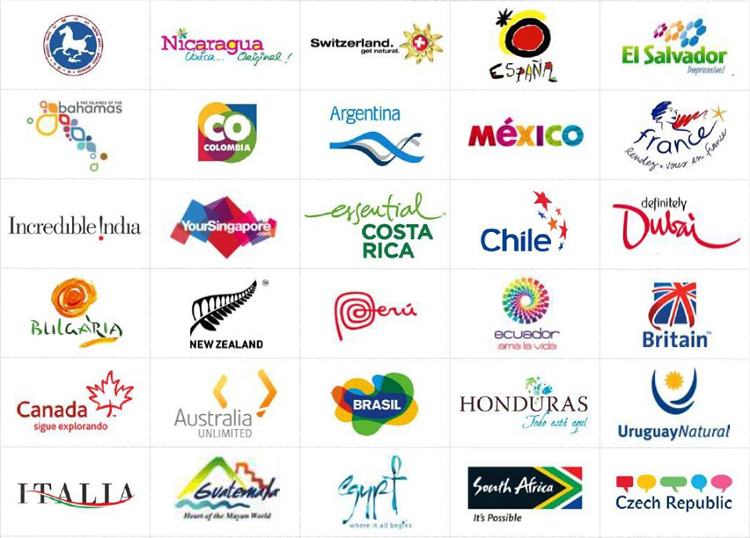
When branding comes to mind, we think of products and services. We also come to think of “personal” branding ─ especially in professions such as attorneys, architects, accountants, and the like. Moreover, with the prevalence of freelancing, as well as influencers, branding offers them similar benefits in regard to grooming their image and reputation to attract more clients and fans respectively. However, cities, towns, and even countries have joined the bandwagon and business concept in branding themselves. They do so because they understand the many benefits of branding nations. These include attracting trade, business investment, possibly immigration, and/or tourism. For a few, it may be reputation management due to a negative perception/disrepute of the location.
 
Nation Branding refers to a process in which a country claims a distinct brand positioning in the minds of its citizens, the global prospect/customer, and international stakeholders. This requires the country to invest resources in coordinating and integrating a multitude of activities.
 
In many cases, the country image provides credibility to the brand image. Think French wine, Swiss watches, German Cars, Danish designs, and Greek hospitality. Additional examples as consumers top of mind are Italian fashion, Colombian coffee beans, and 100% pure New Zealand wool, and are some of the well-known examples. 
 
Through effective nation branding, countries, and cities independently, can develop a distinct personality that benefits both the country and its renowned national brands within it. Tourism and national airlines may be the main representation between nation branding and corporate branding. However, there are various other sectors that can also partake an important role in nation brand building.
 
Countries are turning to PR to revive their global reputations
A Public Relations (PR) agency can bring value and enhance a nation’s reputation. They are storytellers who create narratives to advance their agenda.  Additionally, PR can be used to protect and build reputations through various online and offline media sources, as well as self-produced communications.
 
When Kuwait was invaded by Iraq, the former hired Hill & Knowlton. The agency was tasked with creating international sympathy along with Western military support for what was essentially an oil-rich undemocratic regime in the Middle East. This worked in its favour.
 
Where paid media, such as advertising by a country, is normally the default way to promote anything that may be construed as propaganda, earned media, which is what PR is considered, offers to help boost brand awareness, increase credibility and expand reach. Earning media on trusted outlets and news publications not only validates the content created but gives a brand for a nation third-party credibility. PR comprises any publicity or media that is not generated by the country (or city) or any of its agents, but rather by a third party ─ an agency along with organic methods via the targeted audiences, social media fans, journalists, and/or bloggers.
 
Corporate branding leveraging nation branding
Inherent connections exist between a nation’s brand and the corporate brands that operate within. Both rely on each other, thus leveraging each other’s fortes to build and further their reputation. One corporate sector that typically has close ties to a nation’s brand creation is the airline industry. For example, national carrier airlines such as Emirates in Dubai, Singapore Airlines in the island country of Singapore, and Turkish Airlines in Turkey, have been highly successful in leveraging their respective countries’ image, culture, and values in order to market their services, as well as act as nation brand representatives globally. The experience for visitors begins with the inflight experience.
 
The task of building soft power, along with a positive image of their nation, is one that policymakers throughout the world are becoming ever more concerned with. The soft power strategy has become popular in Turkish foreign policy. Turkish Airlines, a well-known international airline brand, has evolved into a tool for Turkish soft power because of this appeal and the momentum Turkish public institutions gave Turkey in its pursuit of soft power.
 
Case Study: Repositioning Greece
In today’s globalized world where national identity loses a step, a country willing to compete must have a brand. This brand should communicate to the world audience Greece’s characteristic values that make up her essence. The louder and clearer this message is broadcasted, the better Greece will emerge among the nations.
 
Greece is, in fact, easily recognizable globally, as a country mainly for its beautiful landscapes (especially its numerous islands), its history, food, hospitality, and some are even aware that besides tourism and agriculture industry respectively, the country is also known for its powerful merchant shipping domain. Greek shipowners control one-third of the world fleet. However, the fact that Greece enjoys a powerful image overseas does not necessarily mean that the country has a brand, at least not in a brand in the modern meaning of the word. Other countries have successfully built their own brands, but Greece has not, or at least not well enough, other than its Greek Tourism Organization with its annual tourism advertising campaigns (with a different theme and slogan every year).

Greece’s competitive positioning should be entrenched in both the leisure destination as well as an environment full of opportunities inspired by its residents’ lifestyle, boosting the business environment and merging the country as an attractive investment destination. The aim should be to create a country recognized worldwide (especially in the nontraditional international markets) for its unique lifestyle, talented people, innovation, and entrepreneurial culture but certainly without losing its destination branding features within the tourism and hospitality markets. Moreover, Greece can take advantage of its rich culture (philosophy, language, athletics, etc.) to improve its international image and cultivate cooperative relations even with countries that have no direct interests.

Greece should be able to gain competitive advantages over other nations. Being considerate of the nation’s image at home and abroad is paramount for this to transpire. Promoting a specific brand would definitely help.

In the end
Evidently, positioning or repositioning a destination is not an easy task. Effective promotional campaigns and shrewd diplomacy can be utilized as a means to achieve strategic objectives. In doing so, a country or city/town, like a product or service enterprise, should think analytically, target specific audiences, create a unique value proposition, and aim to establish a global brand that resonates. This requires conceptualizing nation branding as a form of national soft power. 

Futurebrand publishes the Country Brand Index every year, which includes an overall ranking of the 75 countries and rankings by dimension, FutureBrand collected quantitative and qualitative data from Approximately 2,500 opinion-formers and frequent international business or leisure travelers in 17 countries (USA, Canada, Brazil, Argentina, UK, Germany, France, Russia, Turkey, South Africa, UAE, India, China, Thailand, Japan, Mexico, and Australia). complete perception dashboards for the top five country brands, regional leaders, and ‘ones to watch’ for the future. Futurebrand tests a global research sample based on the Hierarchical Decision Model (HDM) which involves determining an individual’s awareness, familiarity, association, and preference toward a country’s brand. In their 2018-19 ranking, the top 5 nations’ brands were (ranked from first to fifth) Germany, Switzerland, Japan, Sweden, and Canada. (Source: Wikipedia)
____________________________________________

Request your TWO FREE chapters of this popular book with no obligation.

EntrepreneurialEssentials - FrontCover Final

Leave a comment

Filed under Branding, branding strategy, Business, country branding, nation branding