Category Archives: strategic marketing

Which Are The Most Memorable Type of Advertisements?

By James D. Roumeliotis

Memorable advertisements often fall into several categories, each with its own unique qualities and strategies. Here are some of the most memorable types of advertisements:

  1. Emotional Advertisements: These ads tug at the heartstrings and evoke strong emotions. They often tell a compelling story that resonates with viewers on a personal level. Emotional ads can be heartwarming, inspirational, or thought-provoking. For example, commercials that feature heartwarming family moments, tales of perseverance, or charitable acts can be very memorable.
  2. Humorous Advertisements: Humor is a powerful tool in advertising because it makes people laugh and creates a positive association with the brand. Memorable funny ads often use clever wordplay, absurd situations, or relatable humor. Comedic characters or unexpected punchlines can leave a lasting impression.
  3. Shock Value Advertisements: These ads use shock or controversy to grab viewers’ attention. They are designed to be provocative and memorable. However, they can be risky, as they may alienate some viewers or lead to backlash if done insensitively. The key is to strike a balance between shock value and relevance to the brand or product.
  4. Celebrity-Driven Advertisements: Ads featuring well-known celebrities or influencers can be highly memorable. Celebrities can lend their star power and credibility to a product or cause. Viewers often remember these ads because of the famous faces associated with them.
  5. Nostalgic Advertisements: Nostalgia is a powerful emotion that can make advertisements highly memorable. Brands often tap into people’s fond memories of the past, whether it’s through retro music, vintage visuals, or references to pop culture from previous decades.
  6. Creative and Unique Concepts: Some memorable ads stand out due to their sheer creativity and uniqueness. These ads push the boundaries of traditional advertising and surprise viewers with unexpected visuals, storytelling techniques, or interactive elements.
  7. Catchy Jingles and Slogans: Catchy jingles or memorable slogans can make an advertisement stick in people’s minds. These elements create a memorable audio or verbal association with the brand.
  8. Super Bowl Commercials: Super Bowl commercials are known for their creativity, star-studded casts, and high production values. They often become memorable not just because of the content but also because of the anticipation and cultural significance of the Super Bowl itself.
  9. Storytelling Advertisements: Ads that tell a compelling and relatable story can be very memorable. These ads often connect with viewers on a personal level, making them more likely to remember the brand or message.
  10. User-Generated Content: Some brands encourage user-generated content as part of their advertising campaigns. When consumers create content related to a brand or product, it can become highly memorable, especially when shared on social media.

Ultimately, what makes an advertisement memorable can vary widely depending on the target audience, the product or service being advertised, and the cultural context. Memorable advertisements often succeed in making a strong emotional or intellectual connection with viewers, leaving a lasting impression that goes beyond the ad itself.

_____________________________________________________________

Request your TWO FREE chapters of this popular book with no obligation.

EntrepreneurialEssentials - FrontCover Final

Leave a comment

Filed under 1, controversial advertising, Emotional advertising, fear advertising, Funny advertising, lifestyle marketing, marketing strategy, niche marketing, sensuality in advertising, sex in advertising, sexy marketing, strategic marketing

How to Create Artificial Scarcity for Exclusivity, Cachet & Stellar Profit Margins

By James D. Roumeliotis

Creating artificial scarcity with products is a shrewd marketing strategy that aims to increase demand and perceived value by limiting the availability of a product or service. It can be used to generate excitement, urgency, and a sense of exclusivity among consumers.

However, to earn respect and steadfast clientele as a “prestigious” brand, it’s essential to approach this strategy ethically and transparently. Here are some methods to create artificial scarcity with products:

  1. Limited Editions: Offer limited editions of your products, making it clear that there will only be a fixed number available. This can create a sense of urgency among customers who want to own something unique and exclusive.
  2. Time-Limited Offers: Implement time-limited offers or flash sales, where the product is available at a discounted price for a short period. This encourages customers to make quick decisions to avoid missing out on the deal.
  3. Pre-Orders and Waitlists: Launch products with pre-order or waitlist options. By allowing customers to reserve a product before it’s officially released, you can create anticipation and interest in the item.
  4. Seasonal or Holiday Releases: Introduce products that are specifically tied to certain seasons or holidays. This creates a sense of urgency as customers know the product will only be available for a limited time.
  5. Controlled Distribution: Control the distribution of your product to specific regions or stores, making it harder for customers to access it, and thus creating a perception of scarcity.
  6. VIP Access: Offer exclusive access or early release to a select group of customers, such as loyal customers, members of a loyalty program, or influencers. This can make others desire the product even more.
  7. Limited Time/Quantity Promotions: Run promotions where a specific number of units are available with added benefits (avoiding discounts). Clearly communicate the limited quantity or time frame to create urgency.
  8. One-Time Reissues: If you have an older product that was well-received but discontinued, consider reissuing it for a limited time. This could create a surge in demand from customers who missed out on the initial release.

Building cachet

Building cachet in a product or service is a strategic approach used by businesses to create a perception of prestige, exclusivity, and desirability. It involves enhancing the brand image and reputation to attract a select target audience willing to pay a premium for the perceived value and status associated with the offering. It requires consistent messaging, attention to product quality, and a clear understanding of the target audience’s desires and values.

Cases in point: Nike vs. Hermès; Diamond industry; Prime energy drink

Hermès is not the world’s biggest fashion label ─ it’s Nike, followed by Louis Vuitton (LVMH group), Gucci (owned by Kering), Chanel, Adidas and finally Hermès. But Hermès appears to be the most desirable brand. Recently, the stock price of the French leather goods company, founded by harness-maker Thierry Hermès in 1837, soar to more than €2,000 per share. It raised Hermès’s market cap to €210 billion, even surpassing that of Nike. Hermès is primarily owned by the Hermès family, which through its holding company, H51, holds the majority of the company’s stake, and one of the few luxury brands that remained independent.

Much of Hermès’s magnetism comes from positioning itself as an exclusive brand by creating scarcity over its two priciest best-sellers ─ the Birkin, starting at €15,000 and produced in small numbers (artificial scarcity, thus waitlists) and the Kelly bags. These two alone accounts for €2 billion in annual sales.

A notable industry which in its entire history has created artificial scarcity is the diamond sector. It controls supply to manipulate prices. On top of extreme ethical violations, leaders in the diamond industry are extremely clever in limiting the supply of the clear and glitzy rocks. Despite diamonds being numerous, fake scarcity keeps prices extremely high. The estimates on markups are broad, but most of the reliable sources indicate that at least 300% is the usual markup. 

Prime Hydration is a line of fruit-flavoured sports drinks fortified with vitamins and minerals. It was launched by rapper and boxer KSI and YouTube content creator Logan Paul in January 2022.  It’s so popular worldwide that in places, such as the United Kingdom, grocery stores have had to ration it. In the U.S. and Canada, it retails online for about $10 per 500 ml (16.9 oz.) bottle. So, what gives with this particular product?

  • FOMO (Fear of Missing Out): Scarcity triggers the fear of missing out, and consumers may be more motivated to purchase an energy drink if they believe it won’t be available for long.
  • Collectability: Limited-edition or rare energy drinks can become collectibles, appealing to enthusiasts who want to own and preserve unique products.
  • Social Media Buzz: Artificial scarcity can generate buzz on social media platforms as consumers share their excitement about the limited availability of the product.

In the final analysis

Remember that while creating artificial scarcity can be an effective marketing tactic, it’s essential to maintain transparency with your customers. Be clear about the limited nature of the offer and avoid deceptive practices that may undermine trust in your brand. Additionally, be mindful of potential backlash if customers feel manipulated or misled. Artificial scarcity should be used ethically and as part of a well-rounded marketing strategy.

___________________________________________

Request your TWO FREE chapters of this popular book with no obligation.

EntrepreneurialEssentials - FrontCover Final

Leave a comment

Filed under Artificial scarcity, brand equity, brand image, brand management, brand positioning, Branding, branding not products, branding strategy, lifestyle branding, lifestyle marketing, luxury branding, Marketing, marketing strategy, niche marketing, strategic marketing

Business Newsflash: A fine product or service will only succeed with clever branding and marketing

James D. Roumeliotis

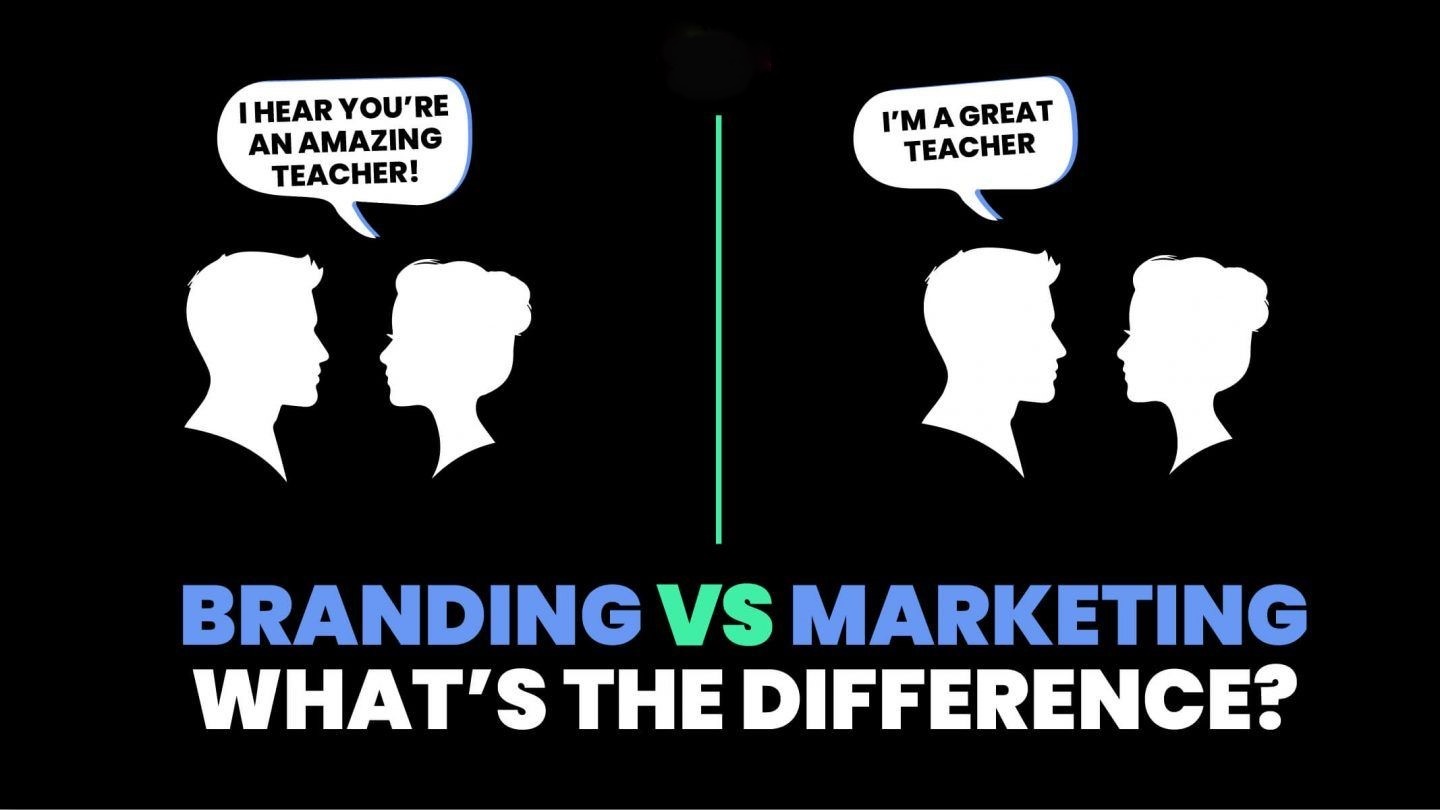
Clever branding and marketing can certainly play a crucial role in the success of a product or service. While it’s not the sole determining factor, effective branding and marketing strategies can significantly impact a brand’s visibility, customer perception, and overall sales. Here’s why branding and marketing are important:

  1. Differentiation: In a competitive marketplace, branding and marketing help distinguish a product or service from its competitors. Clever branding allows a brand to develop a unique identity, positioning it as distinct and memorable in the minds of consumers. Effective marketing communicates these unique selling propositions, highlighting the benefits and value the product or service offers compared to others in the market.
  2. Building Awareness: Branding and marketing are essential for creating awareness and generating interest in a product or service. Through strategic marketing efforts, such as advertising, public relations, social media, and content marketing, a brand can reach its target audience, educate them about the offering, and generate buzz. This increased visibility helps to attract potential customers and generate leads.
  3. Consumer Trust and Perception: Strong branding and marketing can enhance consumer trust and perception. A well-crafted brand identity, including a compelling brand story, logo, and consistent messaging, can create a sense of authenticity and reliability. Effective marketing campaigns that communicate the brand’s values, quality, and customer benefits can build trust with consumers, encouraging them to choose the product or service over competitors.
  4. Customer Loyalty and Advocacy: Clever branding and marketing can foster customer loyalty and advocacy. A well-established brand with a positive reputation and strong brand affinity is more likely to retain customers and encourage repeat purchases. Engaging marketing campaigns and strategies that prioritize customer satisfaction can turn customers into brand advocates who willingly promote the product or service to others, leading to organic growth.
  5. Adaptability and Innovation: Branding and marketing also allow a brand to stay relevant in a dynamic market by adapting to changing consumer preferences and trends. Through continuous market research, branding can evolve to meet consumer needs and expectations. Effective marketing strategies can showcase product updates, innovations, or new offerings, ensuring that the brand remains competitive and appealing to its target audience.

While branding and marketing are important, it’s essential to note that they should be supported by a quality product or service. Clever branding and marketing alone may attract initial attention, but the ultimate success of a product or service relies on delivering value, quality, and meeting customer expectations.

_____________________________________________________

Leave a comment

Filed under 1, Branding, branding not products, branding strategy, Business, Marketing, strategic marketing

Exploiting The Benefits Of Niche Marketing: Strategic Marketing

By James D. Roumeliotis

In strategic marketing “speak”, who earns more money? A general practitioner or a specialist physician such as an ophthalmologist? The latter has spent additional years studying with an emphasis on one particular area of practice which makes him or her both scarce and sought after in his or her profession. The same goes for an organization that has spent years studying the market with emphasis on doing one thing, but one thing extremely well. This automatically justifies higher fees translating to improved earnings. How does a saddle maker to the horse and carriage trade reposition itself to maximize its know-how in leather goods to now command $4,500 for a simple briefcase? Or even hawk silk scarves at $400? Think Hermes.

The answer lies in specialization, craftsmanship, and branding. As with all other specialized professions, a business that, chooses to concentrate on a particular market segment should simply be generating higher revenues. Alternatively, if you join the herd of the mainstream, there is always a vast consumer audience to tap. Profit is driven by volumes. It is harder to compete on price to the point of being perceived as offering a commodity with little or no differentiation — otherwise known as a “unique selling proposition” (USP). The only exception to that rule is when an enterprise keeps churning out innovative, “must-have” items ahead of its competition. Yet that requires constant creativity, refinements, and a considerable amount of R&D. Apple is an example of a brand that has managed to hit both objectives. Not bad for an enterprise, that started life in a garage.

Defining the term “Niche”
Strategically, niche marketing is the way to go forward. However, you ought to be on top of the game. Recently, the firm Kusmi Tea has managed to put all the right elements together in an unbeatable combination. It personifies mass marketing and branding. If you have a specific group of people interested in “organic tea”, you have your proverbial niche. Whether promoting niche products, in focused markets, such as those for vegans, cruises exclusively for “cougars and cubs” or geared for ultra-high net worth individuals, the activities applied to attract that refined target undoubtedly calls for creative strategic thinking.

Targeted Audiences
The best way to start is to define your target audience. An 18-year-old girl who wants to lose weight to fit into her dress is interested in weight loss diets. Hit her at her waistline, and the target is captured with simplicity.

The family who just purchased a puppy wants it trained and therefore requires the appropriate service. Show you can make a dog shake, rattle, and roll and still act well-behaved in the company of others and you will no longer need to flog dog whistles. Ever notice how a 50-year-old lady wants to hide her wrinkles and is always searching for a miracle formula to make her wrinkles disappear in minutes? Open Vogue and see how this “class act” can be achieved. These cited groups above represent finely honed targeted audiences. Marketing to such audiences and building an emotional bridge from the intention to purchase decision always attracts higher conversions. You don’t need to recreate the wheel. All you need to do is to find a suitable product that your target audience is looking for and present it on a silver platter. All target audiences liked to be addressed with intimacy and personal contact.

Driving the Niche
Common sense tells you that driving a selected audience is efficient and lucrative.
The following key index shows how niche marketing should be your chosen business strategy:
1. When entering a new niche market, generally you will not have much competition to deal with. This is justification alone for choosing a specific market in the first place. It also makes your SEO (Search Engine Optimization) Internet marketing strategy focused and cost-effective.

2. Niche markets appeal to target customers, and they are generally much more willing to spend money when their specific needs are met. This means that by catering to a specific target market, you can generally earn a better profit margin.

3. Some niche markets contain sub-groups of the main niche. For example, acai berry weight loss pills or natural weight loss diets are sub-niches from the weight loss niche. Despite their relatively small size, they are actually quite sought after. Identifying this need spares you from having to compete with similar businesses. People who fit this profile will seriously consider your product — especially if it offers them a genuine solution.

4. Niche marketing makes it possible to focus on becoming a true expert within a particular realm while building a reputable brand name. Strategically, it is also more focused and easier to segment and attack.

The “Ideal” Niche Player
A niche market player is very effective at working closely with customers to build and maintain long-term relationships by innovating and challenging the existing norms in the industry, thus adding value to the project, program, and organizational level. If one is considered an expert in what one does by focusing on one area, then great success will follow. The value proposition must be relevant to the target market.

This means a target market must be clearly defined. Focusing on a specific market requires knowing it inside and out. This includes conducting a market analysis, stating a precise target market description and goal, as well as being clear about the type of relationship one would like to achieve with his/her market.

By definition, then, a business that focuses on a niche market is supplying a need for a product or service that is not being met by mainstream providers. As such, one can think of a niche market as a narrowly defined group of potential clients offering them the best of what you have. In return, their vendors will profit from higher margins and customer loyalty. As for targeting smaller “sub” niches, you will find them much easier to dominate.

____________________________________________________________________________

Request your TWO FREE chapters of this popular book with no obligation.

EntrepreneurialEssentials - FrontCover Final

Leave a comment

Filed under 1, Marketing, niche marketing, strategic marketing