Tag Archives: Artificial scarcity

Exclusivity Sells: How Luxury Brands Create Demand Through Artificial Scarcity

James D. Roumeliotis

You’d think that having the money is enough to buy a Rolex Daytona, a Hermès Birkin, or a Ferrari SF90. But here’s the twist…you often can’t. Not because they’re sold out…but because these brands don’t want everyone to own them. In this episode, I’m breaking down the snob appeal strategy used by elite luxury brands—what it is, how it works, and the pros and cons of using exclusivity and controlled scarcity as a business tactic.

What Is Snob Appeal in Business?

Snob appeal is the marketing strategy that targets customers who want to stand out by being part of an exclusive group. It’s not just about quality—it’s about status, social separation, and psychological elevation.

Brands using snob appeal don’t sell to the masses. In fact, they often make it harder to buy their most iconic products.

It’s about access, not just affordability.

Ferrari – You Don’t Choose the Car, the Brand Chooses You

Ferrari is the ultimate example. Even if you’re ready to drop half a million dollars on a limited edition model like the LaFerrari Aperta, you likely won’t be allowed to buy one—unless you already own multiple Ferraris and are in the company’s “inner circle.”

They maintain a buyer list. The rarer the car, the more selective they are.

And if you resell your Ferrari too soon, you risk being blacklisted.

They control who can represent the brand on the street. That’s powerful. It turns their buyers into ambassadors, not just customers.

Hermès – The Art of Not Selling You the Birkin

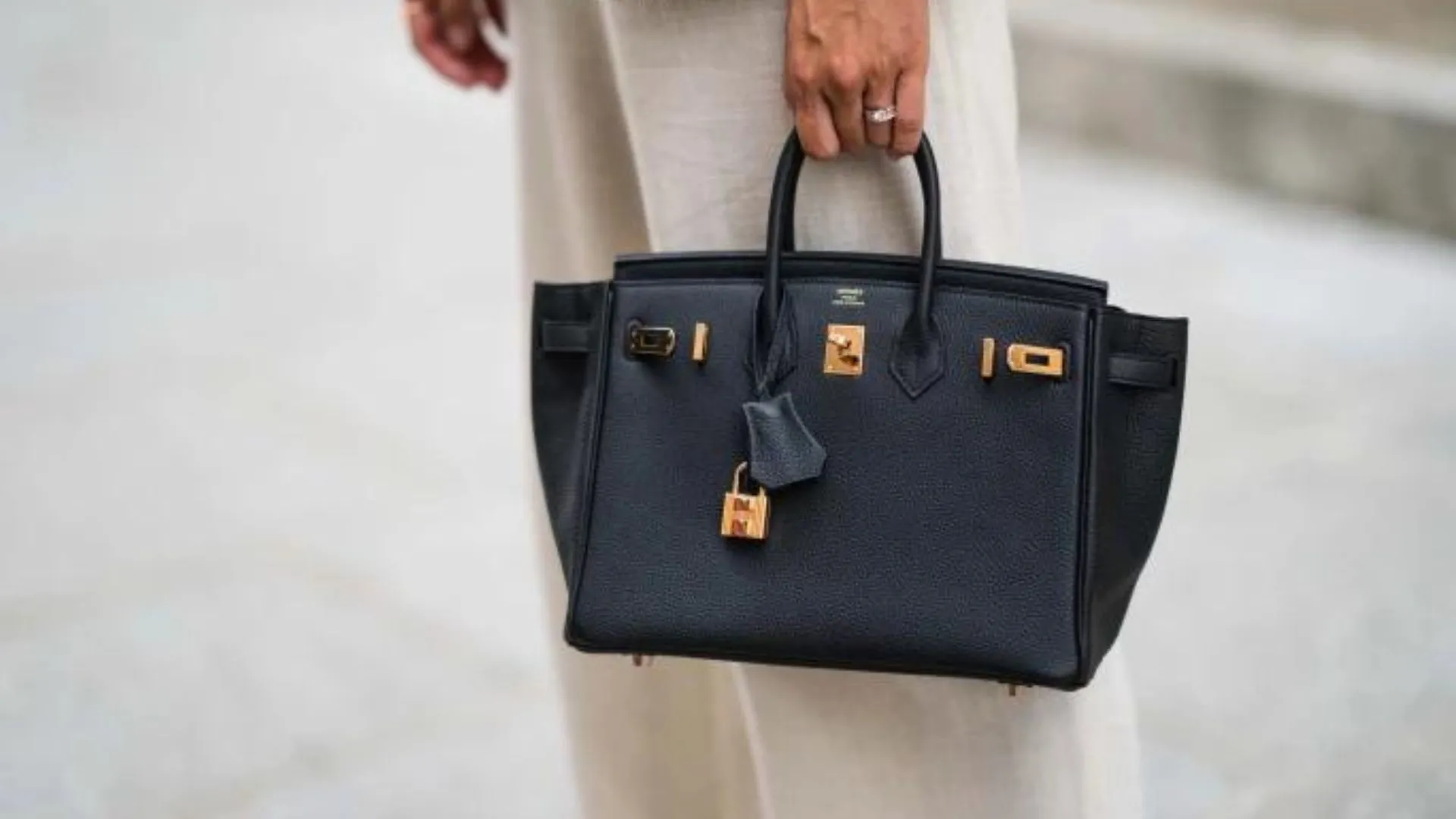
The Hermès Birkin Bag—perhaps the most famous example of intentional scarcity.

You can’t just walk into a store and buy one. Even if you have $15,000 in hand, the answer is often: “We don’t have any available.”

To get offered a Birkin, you must:

  • Build a purchase history over months or years.
  • Befriend a sales associate.
  • Buy other items like scarves, belts, or ready-to-wear to show loyalty.

Hermès isn’t selling bags. They’re selling status, access, and mystique. Every Birkin sighting becomes a symbol of achievement.

Rolex – Waitlists That Work

Rolex is a master of controlled scarcity. While their production is massive, supply of key models—like the Daytona or Submariner “Hulk”—is intentionally limited at authorized dealers.

The result? Year-long waitlists, secondhand markups, and a sense that getting one is a privilege, not a purchase.

Rolex never publicly says a model is rare. They let the market frenzy do the talking. That’s elite brand control.


Other Brands Doing It Right

  • Supreme drops limited collections in minutes—using scarcity for hype.
  • Rimowa x Off-White sold out in seconds, not because of function, but because of exclusivity signaling.
  • Patek Philippe limits its Grand Complications to ultra-high-net-worth clients with generational relationships.

Across fashion, tech, and automotive industries, the message is the same: if it’s hard to get, it’s worth more.

Pros and Cons of Snob Appeal Tactics

Pros:

  • Elevates brand status instantly
  • Creates desire before supply
  • Builds extreme customer loyalty
  • Turns customers into status symbols themselves

Cons:

  • Alienates new customers
  • Can backfire as elitist or manipulative
  • Requires tight control over distribution and messaging
  • Can create gray market resellers, eroding authenticity

It’s a balancing act. Go too far, and you risk being seen as arrogant. Stay too accessible, and you lose the cache.

Business Lessons from Luxury Scarcity

So, what can you take from this, even if you’re not selling $300,000 sports cars or $20,000 handbags?

Here are three key lessons:

  1. Exclusivity builds value – Not everything needs to be mass-market.
  2. Make your customers earn it – Loyalty programs, application-only access, and tiered services increase commitment.
  3. Mystique matters – Don’t over-explain. Part of the magic is not knowing everything.

In a world flooded with choices, the brands that say “no” the most powerfully are often the ones customers say yes to the loudest.

In Closing

Whether you’re building a startup, a luxury label, or a premium service, think like Hermès or Ferrari…make your brand aspirational, not just available.

______________________________________________

Visit my business SAVVYPRENEURSHIP channel and if you like the content, kindly subscribe to help me grow the channel.

https://www.youtube.com/@Savvypreneurship

Leave a comment

Filed under 1, Business, Luxury, luxury branding, luxury lifestyle, luxury storytelling, selling luxury, what is luxury

The Art of Exclusivity: How Luxury Brands Create Desire

By James D. Roumeliotis

Luxury brands aren’t just selling products; they’re selling dreams, status, and exclusivity. To maintain this aura, they employ clever tactics that go beyond simple supply and demand. Let’s look at two key strategies: artificial scarcity and selective selling.

Artificial Scarcity

Artificial scarcity is when brands deliberately limit the availability of their products, even when they could produce more. This creates a perception of rarity and increases desire.

Examples:

  1. Hermès Birkin Bags
    Hermès is the master of artificial scarcity. They’ve made their Birkin bags so elusive that:
    • You can’t simply walk into a store and buy one
    • There’s a mysterious waiting list
    • The company claims they don’t know when new stock will arrive

This strategy has turned the Birkin bag into a status symbol, with some models selling for over $300,000 in the resale market.

  • Rolex Watches
    Rolex limits the production of their most popular models, like the Daytona and Submariner. This creates long waiting lists and drives up prices in the secondary market.
  • Supreme
    This streetwear brand releases limited quantities of products once a week. Their items often sell out in minutes, creating a frenzy among fans.

Selective Selling

Some luxury brands go a step further by only selling their top-tier products to clients with a substantial purchase history. This practice:

  • Rewards loyal customers
  • Creates an air of exclusivity
  • Encourages more spending to reach the “inner circle”

Examples:

  1. Ferrari
    This illustrious brand is notorious for its selective selling practices. To buy their most exclusive models, like the LaFerrari:
    • You need a history of Ferrari ownership
    • You must be invited by the company
    • Sometimes, you need to own multiple Ferraris

The retired comedian and avid car collector, Jay Leno, was once asked why he refuses to purchase a new Ferrari and he responded by saying that the Ferrari dealership experience is like visiting a dominatrix.

  1. Hermès (again)
    To be offered a Birkin or Kelly bag, clients often need to:
    • Build a relationship with a sales associate
    • Have a significant purchase history with the brand

Why Do Luxury Brands Use These Tactics?

  1. Maintain Exclusivity: By limiting access, brands preserve their exclusive image.
  2. Create Desire: Scarcity makes products more desirable. As the saying goes, “We want what we can’t have”.
  3. Control Brand Image: By choosing who can buy their products, brands can ensure their items are associated with the “right” people.
  4. Drive Up Prices: Scarcity allows brands to charge premium prices and resist discounting.
  5. Generate Buzz: Limited availability creates talking points and free publicity.
  6. Encourage Loyalty: The promise of access to exclusive products keeps customers coming back.

How These Tactics Benefit Luxury Brands

  1. Higher Profit Margins: Scarcity justifies higher prices, leading to better profits.
  2. Brand Value Preservation: By avoiding oversaturation, brands maintain their prestige.
  3. Customer Lifetime Value: Selective selling encourages repeated, high-value purchases.
  4. Secondary Market Control: Scarcity drives up resale prices, indirectly benefiting the brand’s perceived value.
  5. Marketing Efficiency: The mystique created reduces the need for traditional advertising.

Conclusion

While the tactics used by luxury brands might seem frustrating to consumers, they’re incredibly effective for the brands. By masterfully manipulating supply and access, these companies create an aura of exclusivity that keeps their products highly desirable and valuable.

However, it’s worth noting that this strategy isn’t without risks. Brands must balance exclusivity with accessibility to avoid alienating potential customers or creating too much frustration. For entrepreneurs, there are valuable lessons here about creating perceived value, managing supply, and building customer loyalty. While most businesses can’t adopt these exact tactics, understanding the psychology behind them can inform your own marketing and sales strategies.

_____________________________________

Visit my business SAVVYPRENEURSHIP channel and if you like the content, kindly subscribe to help me grow the channel.

https://www.youtube.com/@Savvypreneurship
Leave a comment

Filed under 1, Artificial scarcity, Luxury, luxury branding, luxury lifestyle, luxury storytelling, selling luxury, super luxury cars

How to Create Artificial Scarcity for Exclusivity, Cachet & Stellar Profit Margins

By James D. Roumeliotis

Creating artificial scarcity with products is a shrewd marketing strategy that aims to increase demand and perceived value by limiting the availability of a product or service. It can be used to generate excitement, urgency, and a sense of exclusivity among consumers.

However, to earn respect and steadfast clientele as a “prestigious” brand, it’s essential to approach this strategy ethically and transparently. Here are some methods to create artificial scarcity with products:

  1. Limited Editions: Offer limited editions of your products, making it clear that there will only be a fixed number available. This can create a sense of urgency among customers who want to own something unique and exclusive.
  2. Time-Limited Offers: Implement time-limited offers or flash sales, where the product is available at a discounted price for a short period. This encourages customers to make quick decisions to avoid missing out on the deal.
  3. Pre-Orders and Waitlists: Launch products with pre-order or waitlist options. By allowing customers to reserve a product before it’s officially released, you can create anticipation and interest in the item.
  4. Seasonal or Holiday Releases: Introduce products that are specifically tied to certain seasons or holidays. This creates a sense of urgency as customers know the product will only be available for a limited time.
  5. Controlled Distribution: Control the distribution of your product to specific regions or stores, making it harder for customers to access it, and thus creating a perception of scarcity.
  6. VIP Access: Offer exclusive access or early release to a select group of customers, such as loyal customers, members of a loyalty program, or influencers. This can make others desire the product even more.
  7. Limited Time/Quantity Promotions: Run promotions where a specific number of units are available with added benefits (avoiding discounts). Clearly communicate the limited quantity or time frame to create urgency.
  8. One-Time Reissues: If you have an older product that was well-received but discontinued, consider reissuing it for a limited time. This could create a surge in demand from customers who missed out on the initial release.

Building cachet

Building cachet in a product or service is a strategic approach used by businesses to create a perception of prestige, exclusivity, and desirability. It involves enhancing the brand image and reputation to attract a select target audience willing to pay a premium for the perceived value and status associated with the offering. It requires consistent messaging, attention to product quality, and a clear understanding of the target audience’s desires and values.

Cases in point: Nike vs. Hermès; Diamond industry; Prime energy drink

Hermès is not the world’s biggest fashion label ─ it’s Nike, followed by Louis Vuitton (LVMH group), Gucci (owned by Kering), Chanel, Adidas and finally Hermès. But Hermès appears to be the most desirable brand. Recently, the stock price of the French leather goods company, founded by harness-maker Thierry Hermès in 1837, soar to more than €2,000 per share. It raised Hermès’s market cap to €210 billion, even surpassing that of Nike. Hermès is primarily owned by the Hermès family, which through its holding company, H51, holds the majority of the company’s stake, and one of the few luxury brands that remained independent.

Much of Hermès’s magnetism comes from positioning itself as an exclusive brand by creating scarcity over its two priciest best-sellers ─ the Birkin, starting at €15,000 and produced in small numbers (artificial scarcity, thus waitlists) and the Kelly bags. These two alone accounts for €2 billion in annual sales.

A notable industry which in its entire history has created artificial scarcity is the diamond sector. It controls supply to manipulate prices. On top of extreme ethical violations, leaders in the diamond industry are extremely clever in limiting the supply of the clear and glitzy rocks. Despite diamonds being numerous, fake scarcity keeps prices extremely high. The estimates on markups are broad, but most of the reliable sources indicate that at least 300% is the usual markup. 

Prime Hydration is a line of fruit-flavoured sports drinks fortified with vitamins and minerals. It was launched by rapper and boxer KSI and YouTube content creator Logan Paul in January 2022.  It’s so popular worldwide that in places, such as the United Kingdom, grocery stores have had to ration it. In the U.S. and Canada, it retails online for about $10 per 500 ml (16.9 oz.) bottle. So, what gives with this particular product?

  • FOMO (Fear of Missing Out): Scarcity triggers the fear of missing out, and consumers may be more motivated to purchase an energy drink if they believe it won’t be available for long.
  • Collectability: Limited-edition or rare energy drinks can become collectibles, appealing to enthusiasts who want to own and preserve unique products.
  • Social Media Buzz: Artificial scarcity can generate buzz on social media platforms as consumers share their excitement about the limited availability of the product.

In the final analysis

Remember that while creating artificial scarcity can be an effective marketing tactic, it’s essential to maintain transparency with your customers. Be clear about the limited nature of the offer and avoid deceptive practices that may undermine trust in your brand. Additionally, be mindful of potential backlash if customers feel manipulated or misled. Artificial scarcity should be used ethically and as part of a well-rounded marketing strategy.

___________________________________________

Request your TWO FREE chapters of this popular book with no obligation.

EntrepreneurialEssentials - FrontCover Final

Leave a comment

Filed under Artificial scarcity, brand equity, brand image, brand management, brand positioning, Branding, branding not products, branding strategy, lifestyle branding, lifestyle marketing, luxury branding, Marketing, marketing strategy, niche marketing, strategic marketing