Tag Archives: digital marketing

Exclusivity Sells: How Luxury Brands Create Demand Through Artificial Scarcity

James D. Roumeliotis

You’d think that having the money is enough to buy a Rolex Daytona, a Hermès Birkin, or a Ferrari SF90. But here’s the twist…you often can’t. Not because they’re sold out…but because these brands don’t want everyone to own them. In this episode, I’m breaking down the snob appeal strategy used by elite luxury brands—what it is, how it works, and the pros and cons of using exclusivity and controlled scarcity as a business tactic.

What Is Snob Appeal in Business?

Snob appeal is the marketing strategy that targets customers who want to stand out by being part of an exclusive group. It’s not just about quality—it’s about status, social separation, and psychological elevation.

Brands using snob appeal don’t sell to the masses. In fact, they often make it harder to buy their most iconic products.

It’s about access, not just affordability.

Ferrari – You Don’t Choose the Car, the Brand Chooses You

Ferrari is the ultimate example. Even if you’re ready to drop half a million dollars on a limited edition model like the LaFerrari Aperta, you likely won’t be allowed to buy one—unless you already own multiple Ferraris and are in the company’s “inner circle.”

They maintain a buyer list. The rarer the car, the more selective they are.

And if you resell your Ferrari too soon, you risk being blacklisted.

They control who can represent the brand on the street. That’s powerful. It turns their buyers into ambassadors, not just customers.

Hermès – The Art of Not Selling You the Birkin

The Hermès Birkin Bag—perhaps the most famous example of intentional scarcity.

You can’t just walk into a store and buy one. Even if you have $15,000 in hand, the answer is often: “We don’t have any available.”

To get offered a Birkin, you must:

  • Build a purchase history over months or years.
  • Befriend a sales associate.
  • Buy other items like scarves, belts, or ready-to-wear to show loyalty.

Hermès isn’t selling bags. They’re selling status, access, and mystique. Every Birkin sighting becomes a symbol of achievement.

Rolex – Waitlists That Work

Rolex is a master of controlled scarcity. While their production is massive, supply of key models—like the Daytona or Submariner “Hulk”—is intentionally limited at authorized dealers.

The result? Year-long waitlists, secondhand markups, and a sense that getting one is a privilege, not a purchase.

Rolex never publicly says a model is rare. They let the market frenzy do the talking. That’s elite brand control.


Other Brands Doing It Right

  • Supreme drops limited collections in minutes—using scarcity for hype.
  • Rimowa x Off-White sold out in seconds, not because of function, but because of exclusivity signaling.
  • Patek Philippe limits its Grand Complications to ultra-high-net-worth clients with generational relationships.

Across fashion, tech, and automotive industries, the message is the same: if it’s hard to get, it’s worth more.

Pros and Cons of Snob Appeal Tactics

Pros:

  • Elevates brand status instantly
  • Creates desire before supply
  • Builds extreme customer loyalty
  • Turns customers into status symbols themselves

Cons:

  • Alienates new customers
  • Can backfire as elitist or manipulative
  • Requires tight control over distribution and messaging
  • Can create gray market resellers, eroding authenticity

It’s a balancing act. Go too far, and you risk being seen as arrogant. Stay too accessible, and you lose the cache.

Business Lessons from Luxury Scarcity

So, what can you take from this, even if you’re not selling $300,000 sports cars or $20,000 handbags?

Here are three key lessons:

  1. Exclusivity builds value – Not everything needs to be mass-market.
  2. Make your customers earn it – Loyalty programs, application-only access, and tiered services increase commitment.
  3. Mystique matters – Don’t over-explain. Part of the magic is not knowing everything.

In a world flooded with choices, the brands that say “no” the most powerfully are often the ones customers say yes to the loudest.

In Closing

Whether you’re building a startup, a luxury label, or a premium service, think like Hermès or Ferrari…make your brand aspirational, not just available.

______________________________________________

Visit my business SAVVYPRENEURSHIP channel and if you like the content, kindly subscribe to help me grow the channel.

https://www.youtube.com/@Savvypreneurship

Leave a comment

Filed under 1, Business, Luxury, luxury branding, luxury lifestyle, luxury storytelling, selling luxury, what is luxury

How Smart Brands Are Using AI to Build Unforgettable Identities

James D. Roumeliotis

Branding isn’t just logos and taglines anymore. It’s behavior. It’s values. It’s tech. And yes—it’s now AI. In this episode I’m diving into the modern branding playbook. What’s working right now, where the future is heading, and how innovative companies are standing out by doing things very differently.

Traditional vs. Contemporary Branding

Old-school branding focused on consistency—same color, same slogan, everywhere. But that alone doesn’t cut it anymore.

  • Traditional: Static logos, print media, rigid brand guides.
  • Modern: Dynamic visuals, tone-adaptive content, experiential branding.

Today, successful brands are living entities. They flex, respond, evolve in real-time—and the customer is no longer just a buyer. They’re your co-creator, your critic, and your community.

Unique Brand Strategies That Worked

1. Liquid Death – Water, but Punk

  • Visuals: Bold cans, death metal branding for… canned water?
  • Takeaway: They leaned into anti-branding and satire, breaking every rule—and it worked. Why? Because it aligned with their niche identity and audience values.

2. Duolingo – TikTok Marketing Masterclass

  • Visuals: Viral clips of the Duolingo owl being chaotic.
  • Takeaway: Instead of corporate polish, they embraced humor and weirdness to create virality and relatability—especially with Gen Z.

3. Glossier – Community as Brand

  • Visuals: User-generated content, minimalist packaging.
  • Takeaway: Glossier let its community shape the brand narrative, co-creating products and turning customers into ambassadors.

Key Point: The best modern brands aren’t just seen—they’re felt. They’re distinct in voice, interactive by design, and culturally plugged in.

The Rise of AI in Branding

Here’s where it gets exciting. AI is no longer just a backend tool—it’s becoming central to branding.

Ways Brands Are Using AI Effectively:

1. Personalized Brand Experiences

  • Example: Netflix and Spotify use AI to create hyper-personalized experiences, training users to expect tailored content—and that is part of the brand.

2. AI-Generated Copy & Visuals

  • Example: Coca-Cola’s “Create Real Magic” campaign allowed consumers to generate branded art using AI tools like DALL·E and GPT, making the audience part of the creative process.

3. Sentiment Analysis for Brand Voice

  • Example: L’Oréal uses AI to analyze consumer emotions in real-time, allowing them to adjust brand tone and messaging per audience segment.

Key Point: AI isn’t replacing creative—it’s enhancing it. Giving brands speed, scale, and precision they’ve never had before.

The Future of Branding

Branding in the next decade will be defined by five major shifts.

FIVE Future Branding Trends to Watch:

1. Dynamic Identities

  • Logos and visual identities will be flexible, even responsive—changing based on user behavior or location.

2. Immersive Branding in AR/VR

  • Virtual storefronts. Interactive 3D experiences.
  • Example: Nike’s NIKELAND in Roblox is redefining brand experience for younger audiences.

3. Decentralized Communities

  • Brands will increasingly grow from communities, not corporations. DAOs and social tokens could empower user-owned branding.

4. Ethical & Purpose-Driven Branding

  • Consumers, especially Millennials and Gen Z, expect values, transparency, and action.

5. AI + Human Co-Creation

  • Co-branding with AI tools where customers customize, remix, and contribute to brand content.

In the future, brands won’t market to people—they’ll market with people.

In Conclusion

The future of branding is bold, fast, emotional, and—more than ever—personal. Whether you’re building your first product or rethinking your entire strategy, remember this: the best brands don’t just chase attention. They create connections.

_________________________________________________

Visit my business SAVVYPRENEURSHIP channel and if you like the content, kindly subscribe to help me grow the channel.

https://www.youtube.com/@Savvypreneurship

Leave a comment

Filed under 1, branding, branding strategy

The Psychology Behind Luxury Purchases

By James D. Roumeliotis

Have you ever wondered why people spend thousands of dollars on a handbag, a watch, or even a bottle of water? What drives consumers to choose luxury brands over regular alternatives, even when the quality difference isn’t always obvious? In this article, I dive deep into the mindset of luxury consumers, why they spend, and how luxury brands keep them coming back for more.

The Psychology of Luxury Consumers

Luxury isn’t just about high prices—it’s about psychology. People don’t just buy luxury products; they buy status, exclusivity, and experience.

1. Status & Social Prestige

  • Many consumers buy luxury items to signal success, wealth, and social standing.
  • It’s the reason people are willing to spend $10,000 on a Rolex when a $200 watch tells the same time.

Example:
Think about the Hermès Birkin bag—some people wait years just to get one! Owning one isn’t just about carrying a handbag; it’s about signaling exclusivity and success.

2. Emotional & Psychological Satisfaction

  • Luxury purchases often trigger dopamine release, making people feel powerful, accomplished, or even happier.
  • Some buyers justify luxury spending as a reward for their hard work or achievements.

Example:
Many professionals celebrate milestones with a luxury car, a designer bag, or a fine watch. It’s not just a purchase—it’s a personal symbol of success.

3. The Scarcity & Exclusivity Effect

  • Limited editions and high demand/low supply create a sense of urgency.
  • Luxury brands intentionally restrict availability to increase desirability.

Example:
The Lamborghini Aventador SVJ had only 900 units worldwide. This scarcity makes it a collector’s item, increasing its value over time.

Who Are Luxury Consumers?

Not all luxury buyers are the same. Let’s break down the different types of luxury consumers!

1. The “Old Money” Elite

  • These are generational wealth holders who have been buying luxury for decades.
  • They value heritage brands like Patek Philippe, Rolls-Royce, and Chanel.
  • They seek timeless elegance over trendy fashion.

Example:
If you see someone wearing a Patek Philippe watch, they probably aren’t trying to show off—it’s simply part of their lifestyle.

2. The Aspirational Consumer

  • These are middle-class or young professionals who save up to buy their first luxury item.
  • They often buy entry-level luxury like Louis Vuitton bags, Gucci belts, or Cartier bracelets.
  • For them, it’s about feeling a sense of achievement.

Example:
A young professional buying their first Rolex Submariner is making a statement—they’ve “made it.

3. The Hype-Driven Luxury Shopper

  • These are younger consumers influenced by social media, influencers, and celebrity culture.
  • They go for limited edition streetwear, designer sneakers, and collaborations.
  • They see luxury as a way to gain social status online.

Example:
The Supreme x Louis Vuitton collection sold out in seconds because hype culture made it a must-have.

4. The Quiet Luxury Buyer

  • This consumer prefers understated, logo-free luxury.
  • They buy brands like Brunello Cucinelli, Loro Piana, and The Row that emphasize craftsmanship over branding.

Example:
A tech entrepreneur might wear a $5,000 Loro Piana cashmere sweater, but you wouldn’t know unless you recognize the brand.

How Luxury Brands Influence Consumer Behavior

Luxury brands don’t just sell products—they sell a dream, an identity, and an experience. Here’s how they do it!

1. Mastering the Art of Storytelling

  • Luxury brands craft compelling brand histories to make their products more desirable.
  • They highlight heritage, craftsmanship, and exclusivity.

Example:
Rolex promotes its watches as part of history—worn by explorers, astronauts, and world leaders.

2. High Prices Create High Perceived Value

  • Luxury brands rarely discount their products.
  • A higher price makes consumers feel they’re buying something rare and superior.

Example:
Would a $100 Hermès scarf feel as luxurious if it cost $25? Probably not!

3. VIP Treatment & Customer Experience

  • Luxury stores create personalized shopping experiences—champagne, private showings, and concierge services.
  • This makes customers feel valued and special.

Example:
At Dior’s flagship boutiques, VIP clients get private lounges, one-on-one stylists, and exclusive pre-orders.

What Businesses Can Learn from Luxury Brands

Host:
Now, how can YOU apply these luxury branding strategies to your business—even if you’re not selling luxury products?

1. Focus on Brand Storytelling

Every brand needs a story. Find your unique brand identity and make it part of your marketing.

Example:
Chanel is a prime example of a luxury brand that excels in storytelling. The brand weaves the legacy of its founder, Coco Chanel.

2. Create a Premium Experience

Even if you’re a small business, offering exceptional service can make your brand feel premium.

Example:
High-end restaurants don’t just serve food—they deliver an unforgettable dining experience.

3. Leverage Scarcity & Exclusivity

People value what’s rare. Consider using limited releases or VIP access to create demand.

Example:
Apple’s exclusive pre-orders and limited colors make every new iPhone feel special.

Final Thoughts

Let’s do a quick recap!

Luxury is about status, emotion, and exclusivity
Different types of luxury consumers exist—from old money to hype-driven buyers
Luxury brands influence behavior through pricing, storytelling, and VIP treatment
Any business can apply luxury strategies—through branding, premium experiences, and scarcity

______________________________________________________

Visit my business SAVVYPRENEURSHIP channel and if you like the content, kindly subscribe to help me grow the channel.

https://www.youtube.com/@Savvypreneurship

Leave a comment

Filed under 1, luxury branding, luxury e-commerce, luxury lifestyle, luxury online sales, luxury storytelling, selling luxury, what is luxury

How Companies Sell You a Feeling and a Lifestyle, Not Just a Product

By James D. Roumeliotis

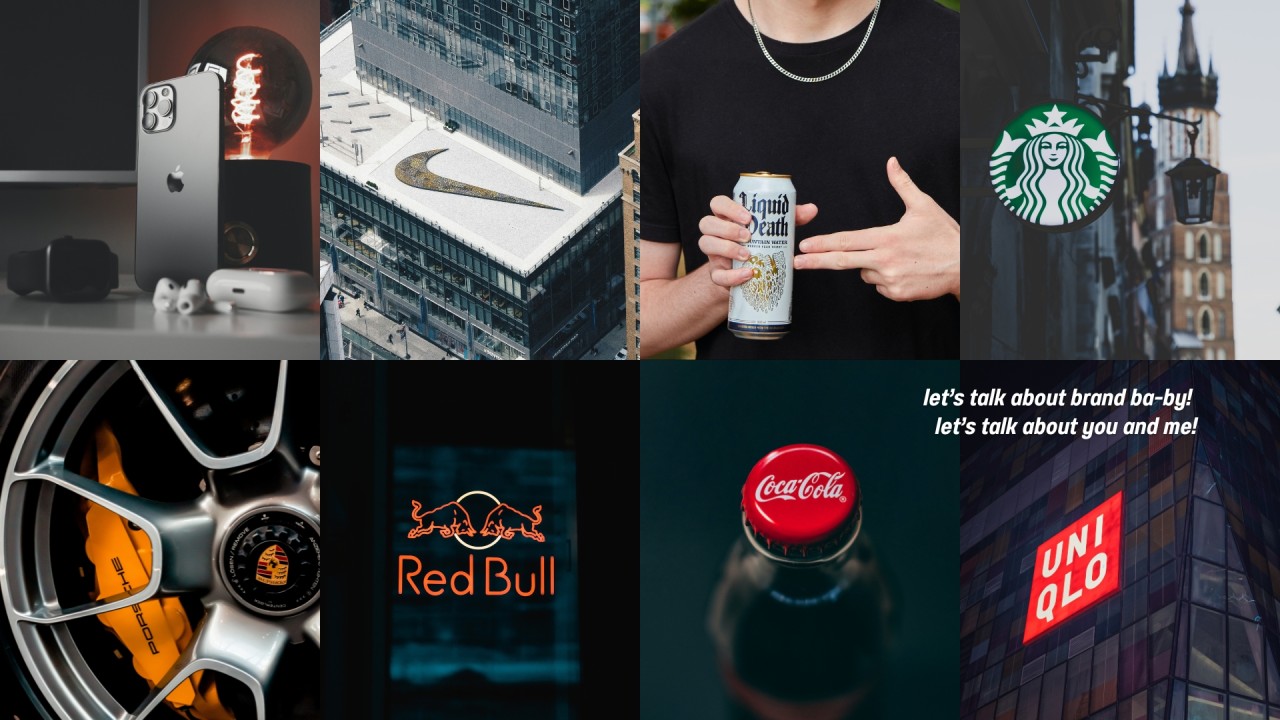
What if I told you that your favorite brands aren’t just selling you a product… but a feeling? That cup of coffee? It’s not just caffeine—it’s warmth, comfort, and routine. Those sneakers? Not just shoes—they make you feel unstoppable.

The Shift from Features to Feelings

Let’s rewind to the early days of advertising. Back in the 1950s and 60s, marketing was all about product features. ‘Our toothpaste has fluoride! Our car has more horsepower!’ But as competition grew, brands realized that logical selling wasn’t enough. People don’t just buy what something is. They buy how it makes them feel.

  • Black-and-white commercials listing features of household items
  • Transition to modern emotional ads (Nike, Coca-Cola, Apple)

Think about it—when was the last time you saw a Nike ad that listed the materials of their sneakers? Instead, they tell stories of athletes overcoming impossible odds. Nike isn’t selling you a shoe. They’re selling you the feeling of greatness.

The Psychology Behind Emotional Marketing

  1. Identity – We buy things that align with who we are (or who we want to be).
  2. Nostalgia – A strong emotional pull makes brands unforgettable.
  3. Social Proof – If others love it, we want to be part of it too.

Neuroscience tells us that emotions drive 95% of our purchasing decisions. Logic comes in after the fact—to justify why we bought that designer handbag or that latest iPhone. Brands tap into our sense of identity, belonging, and even nostalgia.

Example

  • Apple’s “Think Different” campaign → They sell innovation, not just devices.
  • Coca-Cola’s holiday commercials → They sell happiness, not just soda.
  • Harley-Davidson → Not just a bike, but a rebel lifestyle.

How Simple Products Became Cultural Icons

Some of the most iconic brands today started as simple products. But through emotional storytelling, they became movements.

Examples:

  • Starbucks: Started as a simple coffee chain. Today, it sells ritual, comfort, and community.
  • Apple: Once just another tech company. Now, it represents creativity, status, and belonging.
  • Coca-Cola: Originally a simple soda, Coca-Cola has become a symbol of happiness and togetherness. Through consistent messaging around joy and community, Coca-Cola’s storytelling has created a brand that people associate with shared moments and positive experiences.

People don’t just buy a Starbucks latte. They buy the experience of being in a cozy café, working on their dreams. It’s why people proudly hold that cup, even if it costs double the price of regular coffee.

The Future of Emotional Branding

So, where is emotional marketing headed next? In 2025 and beyond, brands will have to go even deeper into storytelling, personalization, and immersive experiences.

Predictions for the Future:

  1. AI-Driven Personalization → Ads that adapt to your emotions in real time.
  2. Metaverse & Virtual Experiences → Brands selling digital feelings (think Nike’s virtual sneakers).
  3. Cause-Driven Branding → Companies linking themselves to social movements (Patagonia, TOMS).

The brands that win won’t just sell products. They’ll sell experiences, identities, and emotions—because at the end of the day, that’s what we’re really buying.

_________________________________________________

Visit my business SAVVYPRENEURSHIP channel and if you like the content, kindly subscribe to help me grow the channel.

https://www.youtube.com/@Savvypreneurship
Leave a comment

Filed under 1, brand positioning, branding, branding not products, branding strategy, lifestyle branding

The Art of Exclusivity: How Luxury Brands Create Desire

By James D. Roumeliotis

Luxury brands aren’t just selling products; they’re selling dreams, status, and exclusivity. To maintain this aura, they employ clever tactics that go beyond simple supply and demand. Let’s look at two key strategies: artificial scarcity and selective selling.

Artificial Scarcity

Artificial scarcity is when brands deliberately limit the availability of their products, even when they could produce more. This creates a perception of rarity and increases desire.

Examples:

  1. Hermès Birkin Bags
    Hermès is the master of artificial scarcity. They’ve made their Birkin bags so elusive that:
    • You can’t simply walk into a store and buy one
    • There’s a mysterious waiting list
    • The company claims they don’t know when new stock will arrive

This strategy has turned the Birkin bag into a status symbol, with some models selling for over $300,000 in the resale market.

  • Rolex Watches
    Rolex limits the production of their most popular models, like the Daytona and Submariner. This creates long waiting lists and drives up prices in the secondary market.
  • Supreme
    This streetwear brand releases limited quantities of products once a week. Their items often sell out in minutes, creating a frenzy among fans.

Selective Selling

Some luxury brands go a step further by only selling their top-tier products to clients with a substantial purchase history. This practice:

  • Rewards loyal customers
  • Creates an air of exclusivity
  • Encourages more spending to reach the “inner circle”

Examples:

  1. Ferrari
    This illustrious brand is notorious for its selective selling practices. To buy their most exclusive models, like the LaFerrari:
    • You need a history of Ferrari ownership
    • You must be invited by the company
    • Sometimes, you need to own multiple Ferraris

The retired comedian and avid car collector, Jay Leno, was once asked why he refuses to purchase a new Ferrari and he responded by saying that the Ferrari dealership experience is like visiting a dominatrix.

  1. Hermès (again)
    To be offered a Birkin or Kelly bag, clients often need to:
    • Build a relationship with a sales associate
    • Have a significant purchase history with the brand

Why Do Luxury Brands Use These Tactics?

  1. Maintain Exclusivity: By limiting access, brands preserve their exclusive image.
  2. Create Desire: Scarcity makes products more desirable. As the saying goes, “We want what we can’t have”.
  3. Control Brand Image: By choosing who can buy their products, brands can ensure their items are associated with the “right” people.
  4. Drive Up Prices: Scarcity allows brands to charge premium prices and resist discounting.
  5. Generate Buzz: Limited availability creates talking points and free publicity.
  6. Encourage Loyalty: The promise of access to exclusive products keeps customers coming back.

How These Tactics Benefit Luxury Brands

  1. Higher Profit Margins: Scarcity justifies higher prices, leading to better profits.
  2. Brand Value Preservation: By avoiding oversaturation, brands maintain their prestige.
  3. Customer Lifetime Value: Selective selling encourages repeated, high-value purchases.
  4. Secondary Market Control: Scarcity drives up resale prices, indirectly benefiting the brand’s perceived value.
  5. Marketing Efficiency: The mystique created reduces the need for traditional advertising.

Conclusion

While the tactics used by luxury brands might seem frustrating to consumers, they’re incredibly effective for the brands. By masterfully manipulating supply and access, these companies create an aura of exclusivity that keeps their products highly desirable and valuable.

However, it’s worth noting that this strategy isn’t without risks. Brands must balance exclusivity with accessibility to avoid alienating potential customers or creating too much frustration. For entrepreneurs, there are valuable lessons here about creating perceived value, managing supply, and building customer loyalty. While most businesses can’t adopt these exact tactics, understanding the psychology behind them can inform your own marketing and sales strategies.

_____________________________________

Visit my business SAVVYPRENEURSHIP channel and if you like the content, kindly subscribe to help me grow the channel.

https://www.youtube.com/@Savvypreneurship

Leave a comment

Filed under 1, Artificial scarcity, Luxury, luxury branding, luxury lifestyle, luxury storytelling, selling luxury, super luxury cars

The Pros and Cons of a Subscription Business Model

By James D. Roumeliotis

In recent years, the subscription model has gained traction across various industries, from streaming services and meal kits to software and luxury items. However, this model is not without its challenges. Below, we explore the main advantages and disadvantages of the subscription business model to help you determine if it’s the right fit for your business.

Advantages of a Subscription Model

  1. Predictable Revenue Stream: One of the biggest benefits of a subscription model is its recurring revenue stream. Unlike traditional sales, which can be inconsistent, subscriptions provide a reliable cash flow that helps with budgeting, forecasting, and planning.
  2. Customer Retention and Loyalty: Subscription models create opportunities for long-term relationships with customers. By providing ongoing value and maintaining customer engagement, businesses can foster loyalty, leading to higher customer retention rates.
  3. Customer Insight and Personalization: Subscriptions offer a wealth of data on customer preferences and behaviors. By tracking how customers interact with the service, businesses can create personalized experiences, fine-tune offerings, and improve satisfaction, leading to an even greater lifetime value per customer.
  4. Reduced Customer Acquisition Costs: Acquiring new customers is often more expensive than retaining existing ones. A subscription model lowers this cost because satisfied subscribers are less likely to churn. Plus, satisfied customers may recommend the service to others, boosting organic growth through referrals.
  5. Upselling and Cross-Selling Opportunities: With an established customer base, businesses can upsell additional features or cross-sell complementary services. For instance, a streaming service might offer a premium tier with exclusive content, or a meal subscription service might add supplementary snack boxes.

Disadvantages of a Subscription Model

  1. Customer Churn and Retention Costs: While recurring revenue is an advantage, subscriptions can also bring about high churn rates. Some customers may cancel after a free trial or if they perceive they aren’t getting enough value. To retain customers, companies often need to invest in retention strategies, which may require additional resources.
  2. Initial Investment in Customer Acquisition: Although customer retention can be cost-effective, the initial customer acquisition phase may require significant spending on marketing and onboarding. This front-loaded investment can strain a business’s budget, particularly for new companies.
  3. Need for Constant Value Delivery: Subscription models require businesses to consistently provide value. If customers feel they aren’t receiving ongoing benefits, they may cancel, resulting in lost revenue. Continuous product improvements, quality control, and customer support are essential to sustaining subscriptions.
  4. Pricing Sensitivity: Many subscription-based companies face pricing pressure, as customers may expect substantial value for a low monthly fee. Price increases or additional fees can lead to backlash, cancellations, or a shift to competitors.
  5. Complex Infrastructure and Logistics: For businesses in e-commerce or services that involve physical deliveries, the logistics of a subscription model can become complex. Managing inventory, shipping, and customer preferences requires a robust back-end system and efficient fulfillment processes to ensure consistent customer satisfaction.

Conclusion

A subscription business model offers unique benefits, including predictable revenue, improved customer loyalty, and opportunities for personalization. However, it also comes with its set of challenges, such as the risk of churn, the need for a consistent value proposition, and potentially complex logistics. Businesses considering this model should carefully evaluate both sides to ensure alignment with their goals and resources. For many industries, the subscription model provides a path to sustainable growth, but only if the value and customer experience remain front and center.

_____________________________________

Visit my business SAVVYPRENEURSHIP channel and if you like the content, kindly subscribe to help me grow the channel.

https://www.youtube.com/@Savvypreneurship

1 Comment

Filed under 1, Business, business model, subscription model

How to Create a Great Customer Experience

By James D. Roumeliotis

Creating a great customer experience is essential for building customer loyalty, satisfaction, and positive word-of-mouth. Here are key strategies to ensure a memorable and positive customer experience:

1] Understand Your Customers: Invest time in understanding your customers’ needs, preferences, and pain points. Conduct surveys, gather feedback, and use analytics to gain insights into their behaviors.

2] Define a Clear Customer Journey: Map out the customer journey from awareness to post-purchase. Identify touchpoints and ensure consistency in communication and service at each stage.

3] Personalization: Tailor your interactions based on customer preferences and behaviors. Personalized experiences make customers feel valued and understood.

4] Effective Communication: Communicate clearly and transparently. Keep customers informed about their orders, services, or any changes. Use multiple channels to reach out, including email, social media, and phone.

5] Train Your Customer-Facing Staff: Equip your customer service and sales teams with the necessary skills and knowledge to provide excellent service. Customer-facing staff should be empathetic, knowledgeable, and solution-oriented.

6] Quick Response and Resolution: Respond promptly to customer inquiries, whether through email, phone, or social media. Resolve issues efficiently and make the customer feel heard and valued.

7] Consistency Across Channels: Maintain consistency in your brand messaging and service quality across all channels, including in-store, online, and social media. This builds a unified and reliable brand image.

8] User-Friendly Website and Apps: Ensure your digital platforms are user-friendly, intuitive, and provide a seamless experience. A well-designed website and easy-to-use apps contribute to a positive customer experience.

9] Proactive Problem Solving: Anticipate potential issues and address them proactively. This can involve providing FAQs, troubleshooting guides, or reaching out to customers before problems arise.

10] Reward Loyalty: Implement a loyalty program to reward customers for their repeat business. Offer discounts, exclusive access, or personalized perks to show appreciation.

11] Solicit and Act on Feedback: Encourage customers to provide feedback and actively use that feedback to improve your products or services. Demonstrating that you value customer opinions fosters trust.

12] Surprise and Delight: Occasionally go above and beyond by surprising customers with unexpected perks, discounts, or personalized gestures. This creates a positive emotional connection.

13] Community Engagement: Build a sense of community around your brand. Engage with customers on social media, respond to comments, and create opportunities for customers to connect with each other.

14] Empower and Train Employees: Empower your employees to make decisions that benefit the customer. Provide ongoing training to ensure they are equipped to handle various situations.

15] Measure and Analyze: Use key performance indicators (KPIs) and customer satisfaction metrics to measure the effectiveness of your customer experience initiatives. Analyze data to identify areas for improvement.

By incorporating these strategies into your business practices, you can create a positive and memorable customer experience that fosters loyalty and contributes to the overall success of your brand.

___________________________________________

Visit my business SAVVYPRENEURSHIP channel and if you like the content, kindly subscribe to help me grow the channel.

https://www.youtube.com/@Savvypreneurship

Leave a comment

Filed under 1, customer engagement, customer experience, customer loyalty, customer service, total customer experience

What Sets the Price a Consumer is Willing to Pay?

By James D. Roumeliotis

In general, people are willing to pay what they perceive is the value is. However, the price a consumer is willing to pay for a product or service is influenced by a combination of psychological, economic, and contextual factors. Understanding these factors is essential for businesses to effectively set prices and optimize their pricing strategies.

Here are 10 key elements that contribute to the price a consumer is willing to pay:

1] Perceived Value:

Consumers assess the perceived value of a product or service based on their individual needs, preferences, and expectations.

2] Quality Perception:

Consumers often associate price with quality. If they perceive a product or service as high-quality, they may be more willing to pay a premium.

3] Brand Reputation:

Brand reputation and brand image play a significant role in influencing consumer willingness to pay. Established and trusted brands often command higher prices due to the perceived reliability and consistency associated with the brand.

4] Consumer Income:

The income level of consumers directly affects their purchasing power. Consumers with higher incomes may be more willing to pay premium prices for products or services that align with their preferences or lifestyle.

5] Competitive Pricing:

The prices set by competitors in the market can influence consumer expectations, except for authentic luxury products which have no equal.

6] Scarcity and Demand:

Scarcity and high demand for a product or service can drive up its perceived value, influencing consumers to be willing to pay more. This is where artificial scarcity is quite effective in keeping prices artificially high.

7] Promotions and Discounts:

Temporary promotions, discounts, or special offers can influence consumer behavior. The perception of getting a good deal or saving money may impact their willingness to pay.

8] Personalization and Customization:

Products or services that offer personalized or customized features may command higher prices. Consumers may be willing to pay more for products tailored to their specific needs.

9] Economic Conditions:

Economic factors, such as inflation, interest rates, and overall economic stability, can impact consumer confidence and influence their willingness to pay certain prices.

10] Cultural and Social Influences:

Cultural and social factors can affect consumer preferences and perceptions of value. Trends, societal norms, and cultural attitudes may shape what consumers are willing to pay for certain products or services.

In the end

Understanding the interplay of these factors and conducting market research can help businesses tailor their pricing strategies to align with consumer expectations and maximize value perception. It’s important for businesses to regularly reassess their pricing strategies in response to changes in market conditions and consumer behavior.

____________________________________________________ 

Request your TWO FREE chapters of this popular book with no obligation.

EntrepreneurialEssentials - FrontCover Final

Leave a comment

Filed under 1, marketing strategy, pricing, pricing strategy