
Tag Archives: technology

The Most Secure & Promising Careers in an AI-Driven World

James D. Roumeliotis

AI is not coming! It’s already here and it’s changing everything: jobs, industries, and how we create value. So the real question is: Which professions are actually safe? Because some careers are being automated…while others are becoming more valuable than ever. In this article, I break down the most promising and secure professions in an AI-driven world and why they’re positioned to win.

What AI Can and Can’t Replace

AI is extremely powerful at:

• Repetition
• Data analysis
• Pattern recognition
• Automation

But it struggles with:

• Human trust
• Physical execution
• Complex judgment
• Emotional intelligence
• Real-world unpredictability

So the safest careers sit where AI is weakest.

Skilled Trades

Electricians. Plumbers. HVAC technicians. Builders.

These jobs require:

• Physical presence
• Problem-solving in real environments
• Adaptability on-site

AI can assist — but not replace.

You can’t automate rewiring a house in a remote community.

Example:

A master electrician in a growing region can scale into:

• Contracting
• Infrastructure projects
• Government work

These roles are not just secure.

They’re scalable.

Healthcare Professionals

Doctors. Nurses. Specialists. Therapists.

AI can assist with diagnostics.

But patients still need:

• Trust
• Human interaction
• Ethical judgment

Healthcare demand is growing globally.

Aging populations make this even more secure.

Insight:

AI will augment healthcare — not replace it.

High-Touch Sales & Relationship Roles

Luxury sales. Enterprise sales. Consulting.

These roles depend on:

• Trust
• Negotiation
• Relationship building

AI can generate leads.

But it can’t close complex, high-value deals effectively.

Example:

Selling a $10M property or a corporate contract requires:

• Emotional intelligence
• Strategic thinking
• Human connection

Creative Strategy & Brand Builders

AI can generate content.

But it struggles with:

• Original vision
• Cultural insight
• Brand positioning

Top-level creators, not just content producers, will thrive.

Example:

A strategist who defines a brand’s identity will always outperform someone just creating posts.

Tech & AI Integrators

Ironically, one of the safest paths is working with AI.

Roles include:

• AI consultants
• Automation specialists
• Software developers
• Data engineers

Companies need people who can:

• Implement AI
• Customize solutions
• Bridge business and technology

Insight:

Don’t compete with AI.

Leverage it.

Leadership & Decision-Makers

Executives. Entrepreneurs. Operators.

AI provides data.

But humans make decisions.

Leadership requires:

• Vision
• Risk-taking
• Accountability

AI can suggest.

But it cannot own outcomes.

The Real Pattern

The most secure careers share three traits:

  1. They require human judgment
  2. They involve real-world complexity
  3. They are built on trust

If your work is:

• Repetitive
• Predictable
• Easily digitized

It’s at risk.

If it’s:

• Human
• Strategic
• Physical or relational

It’s protected.

FINAL TAKEAWAY

The future doesn’t belong to one profession…it belongs to adaptable people. So instead of asking: “What job is safe?” Ask: “What skills are future-proof?”…because the winning strategy is to:

• Combine human skills with AI tools
• Build real-world value
• Stay adaptable

AI is not the enemy. Irrelevance is.

______________________________________________________

Visit my business SAVVYPRENEURSHIP channel and if you like the content, kindly subscribe to help me grow the channel.

https://www.youtube.com/@Savvypreneurship

Leave a comment

Filed under 1

The Pros and Cons of a Subscription Business Model

By James D. Roumeliotis

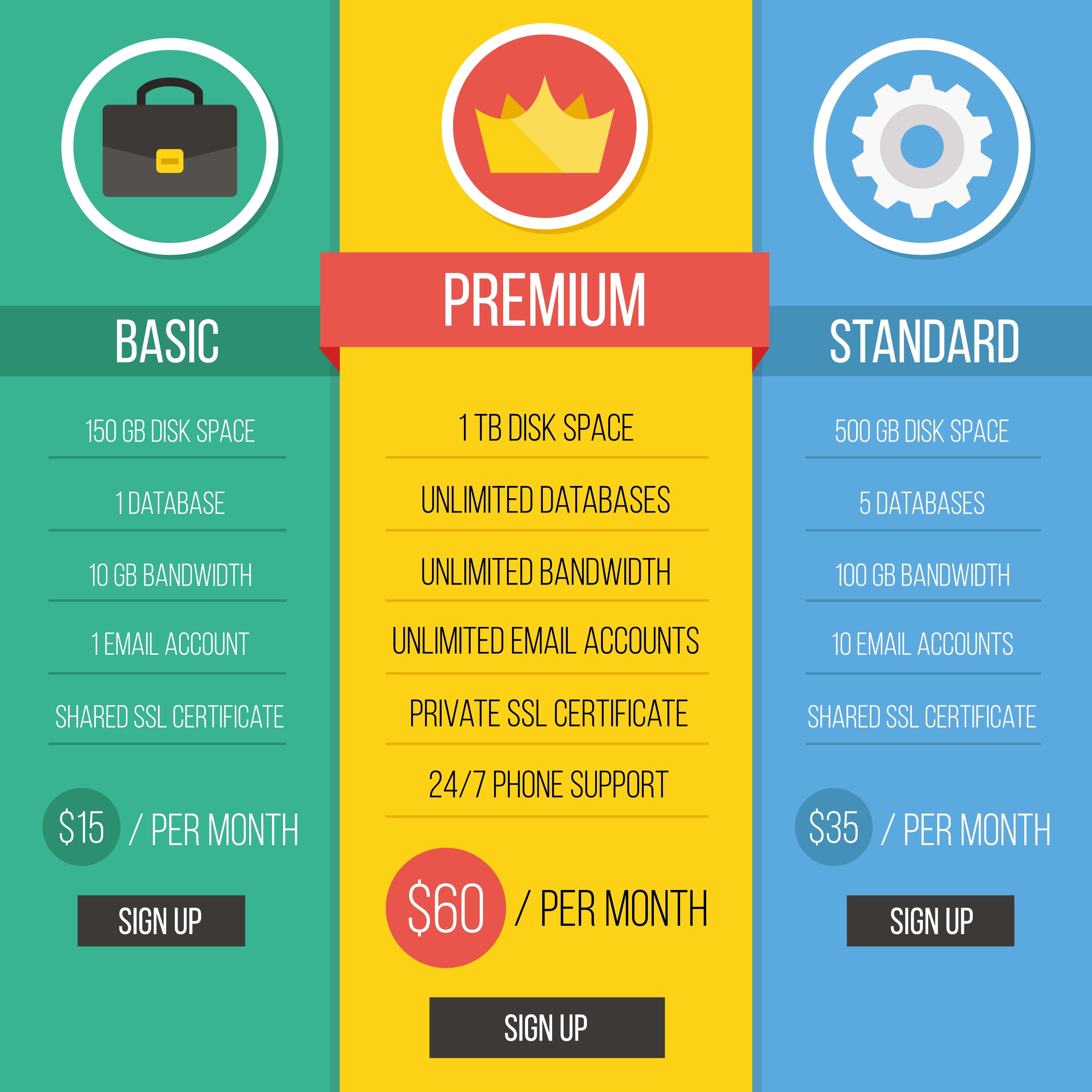
In recent years, the subscription model has gained traction across various industries, from streaming services and meal kits to software and luxury items. However, this model is not without its challenges. Below, we explore the main advantages and disadvantages of the subscription business model to help you determine if it’s the right fit for your business.

Advantages of a Subscription Model

  1. Predictable Revenue Stream: One of the biggest benefits of a subscription model is its recurring revenue stream. Unlike traditional sales, which can be inconsistent, subscriptions provide a reliable cash flow that helps with budgeting, forecasting, and planning.
  2. Customer Retention and Loyalty: Subscription models create opportunities for long-term relationships with customers. By providing ongoing value and maintaining customer engagement, businesses can foster loyalty, leading to higher customer retention rates.
  3. Customer Insight and Personalization: Subscriptions offer a wealth of data on customer preferences and behaviors. By tracking how customers interact with the service, businesses can create personalized experiences, fine-tune offerings, and improve satisfaction, leading to an even greater lifetime value per customer.
  4. Reduced Customer Acquisition Costs: Acquiring new customers is often more expensive than retaining existing ones. A subscription model lowers this cost because satisfied subscribers are less likely to churn. Plus, satisfied customers may recommend the service to others, boosting organic growth through referrals.
  5. Upselling and Cross-Selling Opportunities: With an established customer base, businesses can upsell additional features or cross-sell complementary services. For instance, a streaming service might offer a premium tier with exclusive content, or a meal subscription service might add supplementary snack boxes.

Disadvantages of a Subscription Model

  1. Customer Churn and Retention Costs: While recurring revenue is an advantage, subscriptions can also bring about high churn rates. Some customers may cancel after a free trial or if they perceive they aren’t getting enough value. To retain customers, companies often need to invest in retention strategies, which may require additional resources.
  2. Initial Investment in Customer Acquisition: Although customer retention can be cost-effective, the initial customer acquisition phase may require significant spending on marketing and onboarding. This front-loaded investment can strain a business’s budget, particularly for new companies.
  3. Need for Constant Value Delivery: Subscription models require businesses to consistently provide value. If customers feel they aren’t receiving ongoing benefits, they may cancel, resulting in lost revenue. Continuous product improvements, quality control, and customer support are essential to sustaining subscriptions.
  4. Pricing Sensitivity: Many subscription-based companies face pricing pressure, as customers may expect substantial value for a low monthly fee. Price increases or additional fees can lead to backlash, cancellations, or a shift to competitors.
  5. Complex Infrastructure and Logistics: For businesses in e-commerce or services that involve physical deliveries, the logistics of a subscription model can become complex. Managing inventory, shipping, and customer preferences requires a robust back-end system and efficient fulfillment processes to ensure consistent customer satisfaction.

Conclusion

A subscription business model offers unique benefits, including predictable revenue, improved customer loyalty, and opportunities for personalization. However, it also comes with its set of challenges, such as the risk of churn, the need for a consistent value proposition, and potentially complex logistics. Businesses considering this model should carefully evaluate both sides to ensure alignment with their goals and resources. For many industries, the subscription model provides a path to sustainable growth, but only if the value and customer experience remain front and center.

_____________________________________

Visit my business SAVVYPRENEURSHIP channel and if you like the content, kindly subscribe to help me grow the channel.

https://www.youtube.com/@Savvypreneurship
1 Comment

Filed under 1, Business, business model, subscription model