Tag Archives: fashion

Exclusivity Sells: How Luxury Brands Create Demand Through Artificial Scarcity

James D. Roumeliotis

You’d think that having the money is enough to buy a Rolex Daytona, a Hermès Birkin, or a Ferrari SF90. But here’s the twist…you often can’t. Not because they’re sold out…but because these brands don’t want everyone to own them. In this episode, I’m breaking down the snob appeal strategy used by elite luxury brands—what it is, how it works, and the pros and cons of using exclusivity and controlled scarcity as a business tactic.

What Is Snob Appeal in Business?

Snob appeal is the marketing strategy that targets customers who want to stand out by being part of an exclusive group. It’s not just about quality—it’s about status, social separation, and psychological elevation.

Brands using snob appeal don’t sell to the masses. In fact, they often make it harder to buy their most iconic products.

It’s about access, not just affordability.

Ferrari – You Don’t Choose the Car, the Brand Chooses You

Ferrari is the ultimate example. Even if you’re ready to drop half a million dollars on a limited edition model like the LaFerrari Aperta, you likely won’t be allowed to buy one—unless you already own multiple Ferraris and are in the company’s “inner circle.”

They maintain a buyer list. The rarer the car, the more selective they are.

And if you resell your Ferrari too soon, you risk being blacklisted.

They control who can represent the brand on the street. That’s powerful. It turns their buyers into ambassadors, not just customers.

Hermès – The Art of Not Selling You the Birkin

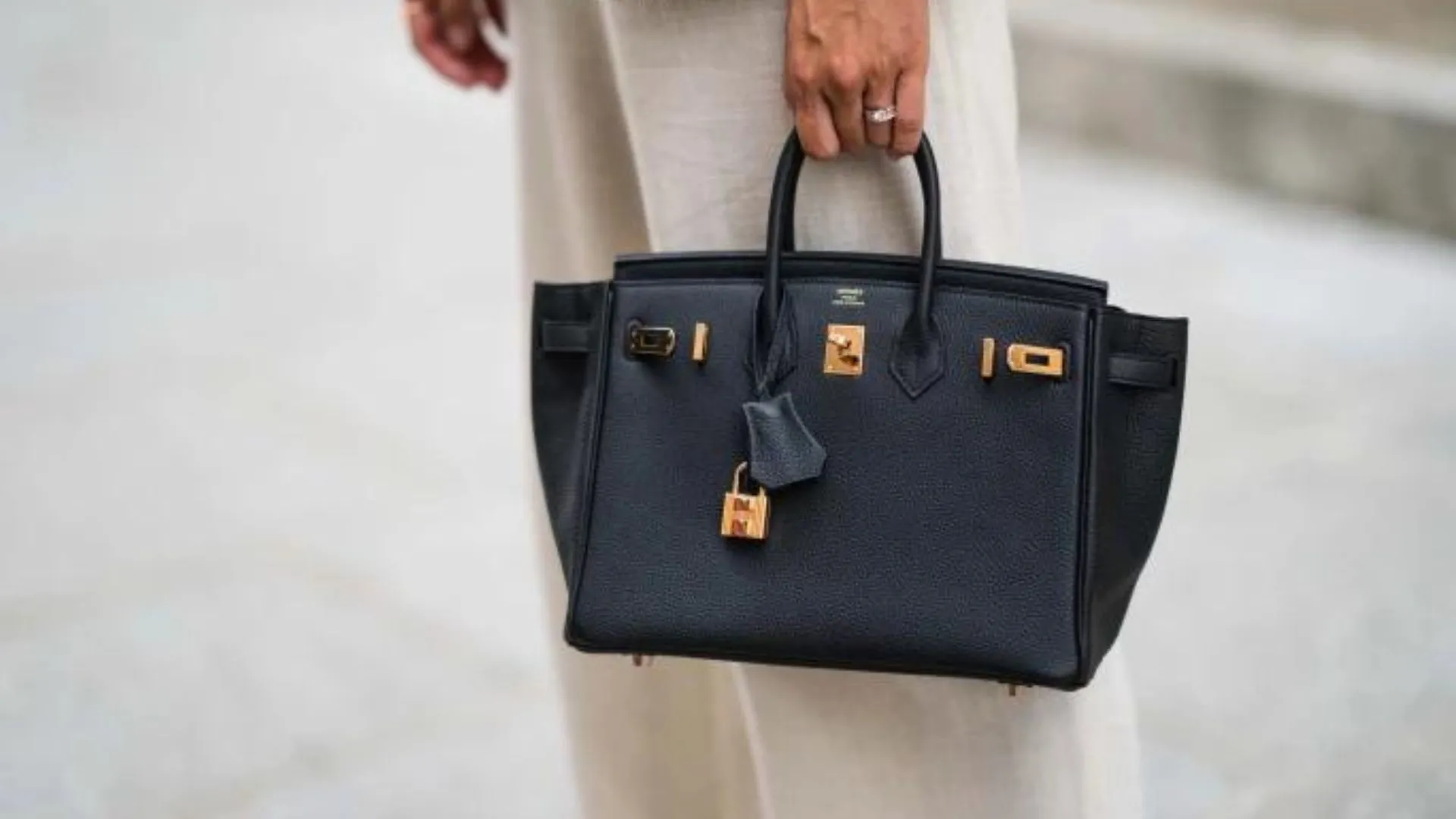
The Hermès Birkin Bag—perhaps the most famous example of intentional scarcity.

You can’t just walk into a store and buy one. Even if you have $15,000 in hand, the answer is often: “We don’t have any available.”

To get offered a Birkin, you must:

  • Build a purchase history over months or years.
  • Befriend a sales associate.
  • Buy other items like scarves, belts, or ready-to-wear to show loyalty.

Hermès isn’t selling bags. They’re selling status, access, and mystique. Every Birkin sighting becomes a symbol of achievement.

Rolex – Waitlists That Work

Rolex is a master of controlled scarcity. While their production is massive, supply of key models—like the Daytona or Submariner “Hulk”—is intentionally limited at authorized dealers.

The result? Year-long waitlists, secondhand markups, and a sense that getting one is a privilege, not a purchase.

Rolex never publicly says a model is rare. They let the market frenzy do the talking. That’s elite brand control.


Other Brands Doing It Right

  • Supreme drops limited collections in minutes—using scarcity for hype.
  • Rimowa x Off-White sold out in seconds, not because of function, but because of exclusivity signaling.
  • Patek Philippe limits its Grand Complications to ultra-high-net-worth clients with generational relationships.

Across fashion, tech, and automotive industries, the message is the same: if it’s hard to get, it’s worth more.

Pros and Cons of Snob Appeal Tactics

Pros:

  • Elevates brand status instantly
  • Creates desire before supply
  • Builds extreme customer loyalty
  • Turns customers into status symbols themselves

Cons:

  • Alienates new customers
  • Can backfire as elitist or manipulative
  • Requires tight control over distribution and messaging
  • Can create gray market resellers, eroding authenticity

It’s a balancing act. Go too far, and you risk being seen as arrogant. Stay too accessible, and you lose the cache.

Business Lessons from Luxury Scarcity

So, what can you take from this, even if you’re not selling $300,000 sports cars or $20,000 handbags?

Here are three key lessons:

  1. Exclusivity builds value – Not everything needs to be mass-market.
  2. Make your customers earn it – Loyalty programs, application-only access, and tiered services increase commitment.
  3. Mystique matters – Don’t over-explain. Part of the magic is not knowing everything.

In a world flooded with choices, the brands that say “no” the most powerfully are often the ones customers say yes to the loudest.

In Closing

Whether you’re building a startup, a luxury label, or a premium service, think like Hermès or Ferrari…make your brand aspirational, not just available.

______________________________________________

Visit my business SAVVYPRENEURSHIP channel and if you like the content, kindly subscribe to help me grow the channel.

https://www.youtube.com/@Savvypreneurship

Leave a comment

Filed under 1, Business, Luxury, luxury branding, luxury lifestyle, luxury storytelling, selling luxury, what is luxury

The Psychology Behind Luxury Purchases

By James D. Roumeliotis

Have you ever wondered why people spend thousands of dollars on a handbag, a watch, or even a bottle of water? What drives consumers to choose luxury brands over regular alternatives, even when the quality difference isn’t always obvious? In this article, I dive deep into the mindset of luxury consumers, why they spend, and how luxury brands keep them coming back for more.

The Psychology of Luxury Consumers

Luxury isn’t just about high prices—it’s about psychology. People don’t just buy luxury products; they buy status, exclusivity, and experience.

1. Status & Social Prestige

  • Many consumers buy luxury items to signal success, wealth, and social standing.
  • It’s the reason people are willing to spend $10,000 on a Rolex when a $200 watch tells the same time.

Example:
Think about the Hermès Birkin bag—some people wait years just to get one! Owning one isn’t just about carrying a handbag; it’s about signaling exclusivity and success.

2. Emotional & Psychological Satisfaction

  • Luxury purchases often trigger dopamine release, making people feel powerful, accomplished, or even happier.
  • Some buyers justify luxury spending as a reward for their hard work or achievements.

Example:
Many professionals celebrate milestones with a luxury car, a designer bag, or a fine watch. It’s not just a purchase—it’s a personal symbol of success.

3. The Scarcity & Exclusivity Effect

  • Limited editions and high demand/low supply create a sense of urgency.
  • Luxury brands intentionally restrict availability to increase desirability.

Example:
The Lamborghini Aventador SVJ had only 900 units worldwide. This scarcity makes it a collector’s item, increasing its value over time.

Who Are Luxury Consumers?

Not all luxury buyers are the same. Let’s break down the different types of luxury consumers!

1. The “Old Money” Elite

  • These are generational wealth holders who have been buying luxury for decades.
  • They value heritage brands like Patek Philippe, Rolls-Royce, and Chanel.
  • They seek timeless elegance over trendy fashion.

Example:
If you see someone wearing a Patek Philippe watch, they probably aren’t trying to show off—it’s simply part of their lifestyle.

2. The Aspirational Consumer

  • These are middle-class or young professionals who save up to buy their first luxury item.
  • They often buy entry-level luxury like Louis Vuitton bags, Gucci belts, or Cartier bracelets.
  • For them, it’s about feeling a sense of achievement.

Example:
A young professional buying their first Rolex Submariner is making a statement—they’ve “made it.

3. The Hype-Driven Luxury Shopper

  • These are younger consumers influenced by social media, influencers, and celebrity culture.
  • They go for limited edition streetwear, designer sneakers, and collaborations.
  • They see luxury as a way to gain social status online.

Example:
The Supreme x Louis Vuitton collection sold out in seconds because hype culture made it a must-have.

4. The Quiet Luxury Buyer

  • This consumer prefers understated, logo-free luxury.
  • They buy brands like Brunello Cucinelli, Loro Piana, and The Row that emphasize craftsmanship over branding.

Example:
A tech entrepreneur might wear a $5,000 Loro Piana cashmere sweater, but you wouldn’t know unless you recognize the brand.

How Luxury Brands Influence Consumer Behavior

Luxury brands don’t just sell products—they sell a dream, an identity, and an experience. Here’s how they do it!

1. Mastering the Art of Storytelling

  • Luxury brands craft compelling brand histories to make their products more desirable.
  • They highlight heritage, craftsmanship, and exclusivity.

Example:
Rolex promotes its watches as part of history—worn by explorers, astronauts, and world leaders.

2. High Prices Create High Perceived Value

  • Luxury brands rarely discount their products.
  • A higher price makes consumers feel they’re buying something rare and superior.

Example:
Would a $100 Hermès scarf feel as luxurious if it cost $25? Probably not!

3. VIP Treatment & Customer Experience

  • Luxury stores create personalized shopping experiences—champagne, private showings, and concierge services.
  • This makes customers feel valued and special.

Example:
At Dior’s flagship boutiques, VIP clients get private lounges, one-on-one stylists, and exclusive pre-orders.

What Businesses Can Learn from Luxury Brands

Host:
Now, how can YOU apply these luxury branding strategies to your business—even if you’re not selling luxury products?

1. Focus on Brand Storytelling

Every brand needs a story. Find your unique brand identity and make it part of your marketing.

Example:
Chanel is a prime example of a luxury brand that excels in storytelling. The brand weaves the legacy of its founder, Coco Chanel.

2. Create a Premium Experience

Even if you’re a small business, offering exceptional service can make your brand feel premium.

Example:
High-end restaurants don’t just serve food—they deliver an unforgettable dining experience.

3. Leverage Scarcity & Exclusivity

People value what’s rare. Consider using limited releases or VIP access to create demand.

Example:
Apple’s exclusive pre-orders and limited colors make every new iPhone feel special.

Final Thoughts

Let’s do a quick recap!

Luxury is about status, emotion, and exclusivity
Different types of luxury consumers exist—from old money to hype-driven buyers
Luxury brands influence behavior through pricing, storytelling, and VIP treatment
Any business can apply luxury strategies—through branding, premium experiences, and scarcity

______________________________________________________

Visit my business SAVVYPRENEURSHIP channel and if you like the content, kindly subscribe to help me grow the channel.

https://www.youtube.com/@Savvypreneurship

Leave a comment

Filed under 1, luxury branding, luxury e-commerce, luxury lifestyle, luxury online sales, luxury storytelling, selling luxury, what is luxury

The Art of Exclusivity: How Luxury Brands Create Desire

By James D. Roumeliotis

Luxury brands aren’t just selling products; they’re selling dreams, status, and exclusivity. To maintain this aura, they employ clever tactics that go beyond simple supply and demand. Let’s look at two key strategies: artificial scarcity and selective selling.

Artificial Scarcity

Artificial scarcity is when brands deliberately limit the availability of their products, even when they could produce more. This creates a perception of rarity and increases desire.

Examples:

  1. Hermès Birkin Bags
    Hermès is the master of artificial scarcity. They’ve made their Birkin bags so elusive that:
    • You can’t simply walk into a store and buy one
    • There’s a mysterious waiting list
    • The company claims they don’t know when new stock will arrive

This strategy has turned the Birkin bag into a status symbol, with some models selling for over $300,000 in the resale market.

  • Rolex Watches
    Rolex limits the production of their most popular models, like the Daytona and Submariner. This creates long waiting lists and drives up prices in the secondary market.
  • Supreme
    This streetwear brand releases limited quantities of products once a week. Their items often sell out in minutes, creating a frenzy among fans.

Selective Selling

Some luxury brands go a step further by only selling their top-tier products to clients with a substantial purchase history. This practice:

  • Rewards loyal customers
  • Creates an air of exclusivity
  • Encourages more spending to reach the “inner circle”

Examples:

  1. Ferrari
    This illustrious brand is notorious for its selective selling practices. To buy their most exclusive models, like the LaFerrari:
    • You need a history of Ferrari ownership
    • You must be invited by the company
    • Sometimes, you need to own multiple Ferraris

The retired comedian and avid car collector, Jay Leno, was once asked why he refuses to purchase a new Ferrari and he responded by saying that the Ferrari dealership experience is like visiting a dominatrix.

  1. Hermès (again)
    To be offered a Birkin or Kelly bag, clients often need to:
    • Build a relationship with a sales associate
    • Have a significant purchase history with the brand

Why Do Luxury Brands Use These Tactics?

  1. Maintain Exclusivity: By limiting access, brands preserve their exclusive image.
  2. Create Desire: Scarcity makes products more desirable. As the saying goes, “We want what we can’t have”.
  3. Control Brand Image: By choosing who can buy their products, brands can ensure their items are associated with the “right” people.
  4. Drive Up Prices: Scarcity allows brands to charge premium prices and resist discounting.
  5. Generate Buzz: Limited availability creates talking points and free publicity.
  6. Encourage Loyalty: The promise of access to exclusive products keeps customers coming back.

How These Tactics Benefit Luxury Brands

  1. Higher Profit Margins: Scarcity justifies higher prices, leading to better profits.
  2. Brand Value Preservation: By avoiding oversaturation, brands maintain their prestige.
  3. Customer Lifetime Value: Selective selling encourages repeated, high-value purchases.
  4. Secondary Market Control: Scarcity drives up resale prices, indirectly benefiting the brand’s perceived value.
  5. Marketing Efficiency: The mystique created reduces the need for traditional advertising.

Conclusion

While the tactics used by luxury brands might seem frustrating to consumers, they’re incredibly effective for the brands. By masterfully manipulating supply and access, these companies create an aura of exclusivity that keeps their products highly desirable and valuable.

However, it’s worth noting that this strategy isn’t without risks. Brands must balance exclusivity with accessibility to avoid alienating potential customers or creating too much frustration. For entrepreneurs, there are valuable lessons here about creating perceived value, managing supply, and building customer loyalty. While most businesses can’t adopt these exact tactics, understanding the psychology behind them can inform your own marketing and sales strategies.

_____________________________________

Visit my business SAVVYPRENEURSHIP channel and if you like the content, kindly subscribe to help me grow the channel.

https://www.youtube.com/@Savvypreneurship

Leave a comment

Filed under 1, Artificial scarcity, Luxury, luxury branding, luxury lifestyle, luxury storytelling, selling luxury, super luxury cars

Dress, Scent, and Charisma: The Secret Weapons for Success

By James D. Roumeliotis

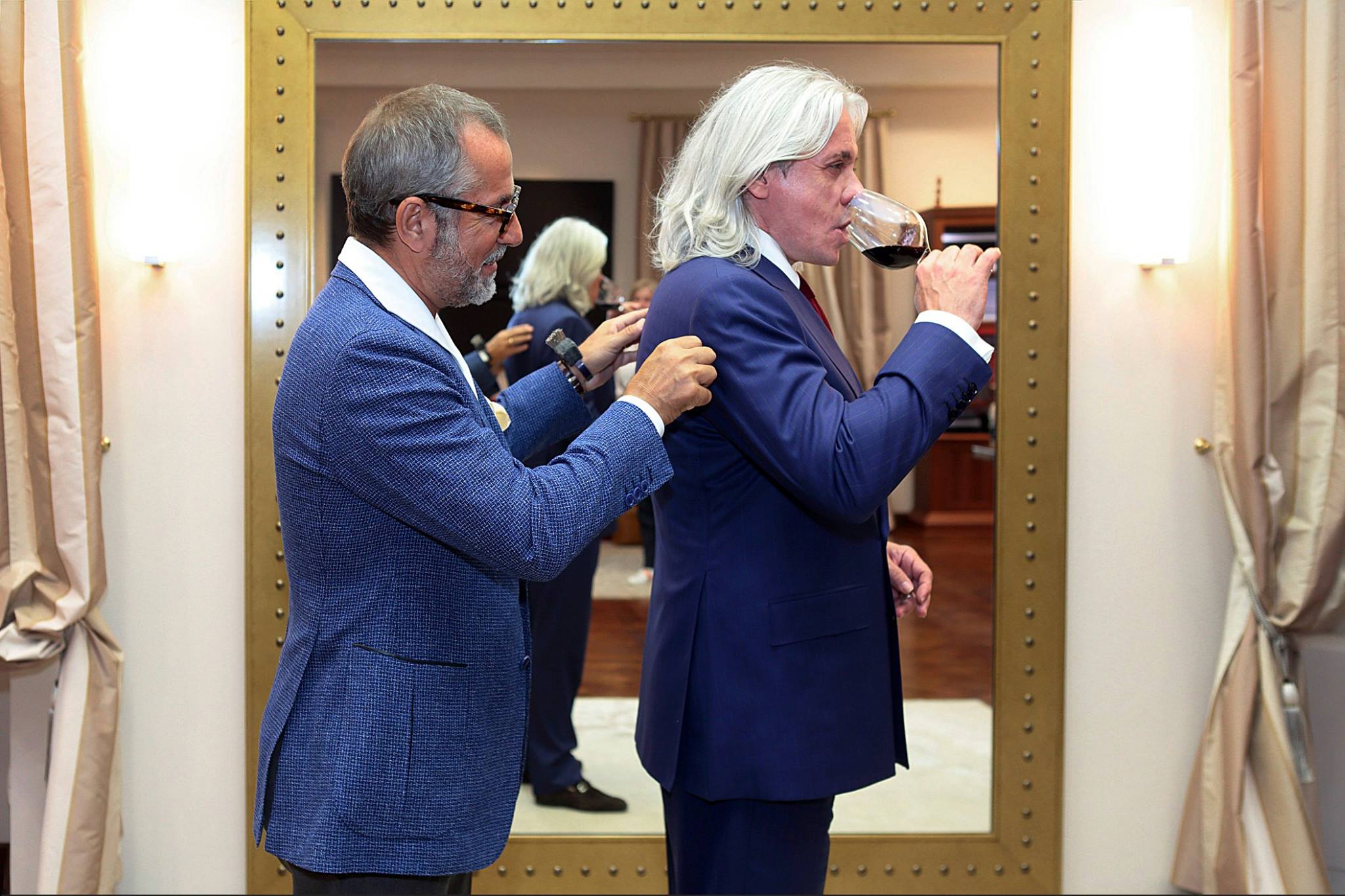
In the competitive world of business and personal relationships, first impressions can make or break opportunities. While skills and knowledge are crucial, the often overlooked elements of dress, scent, and charisma play a significant role in how others perceive and interact with us. Let’s explore how these secret weapons can elevate your path to success.

The Power of Dressing Well

Studies show that it takes only seven seconds for someone to form a first impression, with over 50% of that impression based on appearance alone. Dressing well isn’t just about following trends; it’s about presenting yourself in a way that commands respect and attention.

Tips for Dressing for Success:

  1. Understand your industry’s dress code and elevate it slightly.
  2. Invest in well-fitted, quality clothing.
  3. Pay attention to grooming details like clean nails and polished shoes.
  4. Choose accessories thoughtfully and sparingly.

Remember, “dressing for the position you want” can actually accelerate your career progression. The confidence boost from wearing professional attire can positively impact your performance and how others perceive you.

The Subtle Impact of Scent

While often underestimated, the right fragrance can leave a lasting impression. Our sense of smell is directly linked to emotions and memory, making it a powerful tool in creating positive associations.

Choosing the Right Scent:

  1. Consider the occasion and environment.
  2. Opt for subtle, clean scents for professional settings.
  3. Match your fragrance to your personality and style.
  4. Remember, less is more – avoid overpowering scents.

A well-chosen fragrance can enhance your presence without overwhelming others. As one expert notes, “fragrance is felt. It lingers in the memory, making it one of the most potent tools in your arsenal.”

Cultivating Charisma

Charisma is that intangible quality that draws people to you. It’s a combination of confidence, warmth, and presence that can be developed and honed.

Enhancing Your Charisma:

  1. Practice active listening and genuine interest in others.
  2. Maintain good posture and eye contact.
  3. Develop a warm, authentic smile.
  4. Work on your public speaking and storytelling skills.

Charismatic individuals often use hand gestures to emphasize their points, making them more relatable and trustworthy. By focusing on these non-verbal cues, you can significantly enhance your personal magnetism.

Putting It All Together

The synergy of appropriate dress, a subtle scent, and cultivated charisma creates a powerful personal brand. This combination not only boosts your confidence but also influences how others perceive and respond to you in professional and personal settings.

Remember, these elements should authentically represent who you are. As one style expert advises, “It’s not solely about trends or high-end items; it’s about understanding and celebrating who you are.”

In conclusion, while skills and knowledge form the foundation of success, don’t underestimate the power of dress, scent, and charisma. These secret weapons can open doors, create opportunities, and leave lasting positive impressions that contribute significantly to your personal and professional success.

By mastering these elements, you’re not just dressing for success – you’re embodying it.

______________________________________________________

Visit my business SAVVYPRENEURSHIP channel and if you like the content, kindly subscribe to help me grow the channel.

https://www.youtube.com/@Savvypreneurship
Leave a comment

Filed under 1, branding for professionals, personal brand

The Best Strategy For a Luxury Business to Attract and Sell to the 1% ─ Also Known As The Ultra-High Net Worth Individuals

James D. Roumeliotis

Attracting and selling to the ultra-high net worth individuals (UHNWIs), often referred to as the 1%, requires a strategic and personalized approach given their distinct preferences, expectations, and purchasing behaviors. Here are some effective strategies for a luxury business targeting this exclusive market:

  1. Personalization and Customization:
    • UHNWIs appreciate personalized and bespoke experiences. Tailor your products and services to meet individual preferences and offer exclusive customization options.
  2. Exclusivity and Limited Editions:
    • Create limited edition products or services that are exclusive to UHNWIs. Limited availability enhances the allure of your brand and products.
  3. VIP Services and Privileges:
    • Offer VIP services such as priority access, private viewings, and exclusive events. UHNWIs value unique experiences and providing them with privileged treatment enhances their connection to your brand.
  4. Private Consultations:
    • Provide private consultations or concierge services where UHNWIs can receive personalized attention and guidance. This can include private shopping experiences or dedicated advisors.
  5. Exceptional Quality and Craftsmanship:
    • UHNWIs seek the highest quality and craftsmanship. Ensure that your products or services are of unparalleled quality, using the finest materials and skilled artisans.
  6. Brand Heritage and Legacy:
    • Highlight your brand’s heritage and legacy. UHNWIs often appreciate the history and traditions associated with luxury brands.
  7. Collaborations with Influencers:
    • Partner with influential personalities or celebrities who resonate with the tastes and lifestyles of UHNWIs. Their endorsement can enhance your brand’s desirability.
  8. Exclusive Membership Programs:
    • Introduce exclusive membership programs that offer unique benefits, such as access to limited editions, private events, and personalized services.
  9. Art and Cultural Connections:
    • Align your brand with art, culture, and philanthropy. UHNWIs often have a keen interest in supporting and engaging with cultural and charitable initiatives.
  10. Digital Presence with Discretion:
    • Maintain a sophisticated and discreet digital presence. UHNWIs value privacy, so ensure that your online interactions and communications respect their need for confidentiality.
  11. White Glove Service:
    • Implement a white glove service approach, going above and beyond to meet the expectations of UHNWIs. This includes seamless and personalized customer service.
  12. Networking Opportunities:
    • Create exclusive networking events where UHNWIs can connect with like-minded individuals. Building a community around your brand enhances its appeal.
  13. Tailored Marketing and Communication:
    • Craft marketing messages and communication materials that resonate with the aspirations and lifestyle of UHNWIs. Use high-end publications and targeted platforms.
  14. Innovative Technology Integration:
    • Incorporate innovative technologies or cutting-edge features into your products or services to demonstrate a commitment to staying at the forefront of luxury trends.

In the end, building trust, maintaining discretion, and consistently delivering exceptional experiences are key elements in attracting and retaining UHNWIs. It’s not just about selling a product; it’s about creating a lifestyle and a sense of exclusivity that aligns with their values and aspirations.

____________________________________________________ 

Request your TWO FREE chapters of this popular book with no obligation.

EntrepreneurialEssentials - FrontCover Final

Leave a comment

Filed under 1, Luxury, luxury branding, luxury lifestyle, luxury storytelling, selling luxury, what is luxury

Branding by Design: The Impact of Fashion on the Automobile Industry

by James D. Roumeliotis

Add to FacebookAdd to DiggAdd to Del.icio.usAdd to StumbleuponAdd to RedditAdd to BlinklistAdd to TwitterAdd to TechnoratiAdd to Yahoo BuzzAdd to Newsvine

Lamborghini Boss

In the book, “Fascinate: Your 7 Triggers to Persuasion and Captivation”, author Sally Hogshead stated that marketers must strive to fascinate people beyond the bounds of rationality. Companies must activate such mental triggers as lust, mystique, power, trust, and vice.

Though the marketing and branding folks are relied upon for their artistic output to create a buzz and compel consumers to buy, the industrial designers of car brands work diligently on fashion inspired creations for new model launches.

Like an outfit, an automobile should wrap its owner in a new outer shell, both protective and decorative. Premium cars like extraordinary clothes, invoke a whole new life as the glamor of both comes from the promise of escape and transformation.

The automobile as eye candy

Fine arts, fashion and luxury brands have long crossed paths creating a blend of culture, merchandising and branding. The similarities could not be more striking with cars and fashion. Seems European auto designers have always had this ethos ingrained as demonstrated with their design flair. The Italian industrial design houses such as Pininfarina, Italdesign and Bertone are renowned for churning-out architectural inspired automobile designs. In the past and present, Pininfarina has been employed by a wide variety of high-end automobile manufacturers, including Ferrari, Maserati and Rolls Royce.

Italians are very proud of their brands such as Panerai or a Lamborghini. They epitomize the essence of style. Even smaller motorized vehicles such as the Vespa convey savoir fair with simplicity.

Fiat & Gucci: complementary collaborators

The Fiat 500 is no exception. Once again, the firm is partnering with Gucci. The 500C by Gucci is offered in two colors, white with satin chrome accents or black with shined-up chrome bits. On both, a black soft-top covers occupants. Gucci’s color scheme signature runs down the middle. At all four corners sit 16-inch alloy wheels sporting the Gucci double-G logo in the center. Inside, a Gucci print adorns the seats and the fashion house’s moniker can be found sprinkled liberally throughout. When Fiat revealed the hardtop version of the Gucci 500, more than 3,000 pre-orders came flooding into the automaker’s website.

Bob Lutz prior to his retirement at GM

After holding top executive positions at BMW, Ford, Chrysler respectively, Bob Lutz had a very good idea what a car company and its car models should look like, which he didn’t find when he was hired at GM in 2001. Within days of arriving at GM, Lutz began reviewing the future model lineup and was shocked to discover that none of the models he reviewed, as he put it, “had any charm or ornamentation to delight the eye”.

The Cadillac CTS (2001 model) “lacked any charm or warmth.”

In his experience, there was an internal battle between the design team, what he regarded as “the car guys” vs. “the bean counters”. Read here the people in finance. Although now retired, Lutz can proudly claim that he was instrumental for the changeover to a sleeker line-up. GM sales figures show it has succeeded in generating committed buyers.

Fast forward more than a decade and this time Cadillac has moved its headquarters from the automobile manufacturing capital, Detroit, to the trendy SoHo district of Manhattan so as to establish a new brand identity in this luxury international city — as it yearns to convey a global avant-garde identity. At a New York Fashion Week party, in September (2015), celebrating Public School, GMs luxury brand enticed its onlookers with a sneak peak of its successor to the brand’s best-selling SRX SUV, by utilizing a hired helicopter to fly across the Hudson River carrying a XT5 SUV on a platform underneath it. More on this here http://bloom.bg/1EYmHft

The Rolls-Royce Wraith – high fashion on wheels

The latest motor carriage to be inspired by the world of fashion and film is the epitome of luxury cars – Rolls Royce Motors with its 2013 coupé Wraith model. The automotive brand to the well healed describes this 624bhp, $285,000 priced two-door as a debonair gentleman’s GT – a highly refined, luxurious and exclusive like its stablemates, but more dramatic and exciting than any of them. To add more pizazz, the designer edition of the Wraith model will be customized with the finest materials as per the customer’s specific taste and choices.

According to Giles Taylor, director of design at Rolls Royce, “There’s a sense of effortless grace and elegance, but at the same time something more contemporary and daring.” The interior is equally elegant and sophisticated. It is flawlessly outfitted with fine silks along with inspiration drawn from haute couture as evidenced by hints from the materials, color palettes and the techniques applied. It is the ideal combination of power, style and drama.

Two supermodels along with their new fashion statement -- the Rolls Royce Wraith.

Two supermodels along with their new fashion statement — the Rolls Royce Wraith.

Branding by design

Product design is key to a great brand. Design is the elemental differentiator with competitors. Eye catching sex appeal builds the emotional bond and turns owners into enthusiasts.

“It’s all about integrating design and brand,” says Joe Doucet, founder of Joe Doucet Studio.

“We need to cease thinking of them as different disciplines. The essence of the Apple brand comes through its design. Take the logo off a BMW and you still know it’s a BMW.”

Design also needs to be part of the strategic plan from the start, embraced by the CEO and across the Board.

“A brand is not your logo or ID system,” says Robert Brunner, founder of the design shop Ammunition and author of ‘Do You Matter: How Great Design Will Make People Love Your Company.’

“It’s a gut feeling people have about you. When two or more people have the same feeling, you have a brand. You get that feeling via smart design, which creates the experiences people have with the brand. Everything you do creates the brand experience; ergo design is your brand.”

Striking success at Audi

Premium brand Audi has come a long way with a big streak since its prolonged slump in the late 1980s and early 1990s. Today, the firm continues to surpass its own benchmarks. As one proud owner succinctly stated, “It’s elegant without being ostentatious.”

If you think fashion”, new Audi cars are akin to a well-put-together outfit. They are considered “classics” upon release. They are prominent not only for their impeccable sophistication and styling but also for the brand’s hard found creative innovation. Luxury and comfort are blended in a seamless mix. New technologies and taste trends are calculated to coincide with market shifts. The firm’s signature LED highlights reshaped an entire industry to become the standard.

aaa

Hyundai’s economic aesthetic appeal

In automobile parlance, Hyundai is a relative newcomer to this game, but the firm has learned quickly and converted previous Toyota and Honda evangelicals to switch. Jessica Caldwell, a senior analyst with Edmunds.com, claims that Hyundai is operating from a much older playbook.

“What Hyundai did was nothing new,” she says. “They developed the oldest formula in the book: Have a good design at a good price.”

Caldwell further states that she’s surprised that other car companies haven’t caught on to Hyundai’s “secret” sooner.

“That, to me, is Car making 101,” she says. “You would think that it’s not that hard to figure out. And I just think it’s interesting that people think that Hyundai’s success is so surprising. But, if you look at it, it’s not at all. I mean, of course people are going to buy something that looks good and is not expensive. I think, regardless if you’re buying a refrigerator, a shirt, or a computer, that formula is always going to work.”

Lookout for the Fashion Patrol

As Fashionistas and celebrities piled into New York City during the Mercedes-Benz Fashion Week in February, the fashion police were out in full force. To capture attention, MB deployed its “fashion force” in CLS 63 AMGs four-door sports coupe painted in police-livery black and white, with sirens and yellow flashing lights.

It was fast enough to stop anyone in the middle of a styling faux pas. The ultra stylish police officers, though, were more interested in looking-out for some of the city’s most fashionable citizens, who were rewarded with a ride to their next destination. Other participants won prizes, which included seats to the highly prized fashion shows themselves.

“Mercedes-Benz has a natural affinity with the world of fashion with cars that appeal to those with a strong sense of style,” said Lisa Holladay, manager of brand experience for Mercedes-Benz USA. “The 2012 CLS 63 AMG four-door coupe is the perfect vehicle for the Mercedes-Benz Fashion Force initiative with its fascinating design and significant curb appeal.”

Along with its affinity in the fashion domain, Mercedes also has a micro-site, named “Avant Garde Diaries” depicting scenes and visual stories of its cars with fashion industry icons.

Victoria Beckham and the Range Rover Evoque

Victoria Beckham, the former pop star and wife of renowned footballer David, has earned critical acclaim for her finely tailored, ultra chic fashion line, winning the Designer Brand of the Year award at the 2011 British Fashion Awards.

Likewise, her special-edition, 200 unit, Range Rover Evoque line boasts a hand-finished matte grey paint, 20″ black alloy wheels and rose-gold detailing. With Rover head designer Gerry McGovern, she spent 18 months on the SUV working from elements like jewelry and textile. The results are distinctive. She was reported stating that the car must appeal to both men and women.

Applying design cleverly makes a difference with brand perception. Thus, a fashion design culture needs to be strategic, not an afterthought.

When you consider the planning, demands in the fashion and car industry are similar. Grab the customer’s attention. Use innovation and design to generate passion and commitment. By doing so, you are able to build brand loyalty with staying power and revenue generation. Who knows, you could be at the forefront of starting a new cult!

YOUR VIEWS ARE ENCOURAGED

Add to FacebookAdd to DiggAdd to Del.icio.usAdd to StumbleuponAdd to RedditAdd to BlinklistAdd to TwitterAdd to TechnoratiAdd to Yahoo BuzzAdd to Newsvine

Google

1 Comment

Filed under Branding, Business, Luxury, Marketing