You’d think that having the money is enough to buy a Rolex Daytona, a Hermès Birkin, or a Ferrari SF90. But here’s the twist…you often can’t. Not because they’re sold out…but because these brands don’t want everyone to own them. In this episode, I’m breaking down the snob appeal strategy used by elite luxury brands—what it is, how it works, and the pros and cons of using exclusivity and controlled scarcity as a business tactic.
What Is Snob Appeal in Business?
Snob appeal is the marketing strategy that targets customers who want to stand out by being part of an exclusive group. It’s not just about quality—it’s about status, social separation, and psychological elevation.
Brands using snob appeal don’t sell to the masses. In fact, they often make it harder to buy their most iconic products.
It’s about access, not just affordability.
Ferrari – You Don’t Choose the Car, the Brand Chooses You
Ferrari is the ultimate example. Even if you’re ready to drop half a million dollars on a limited edition model like the LaFerrari Aperta, you likely won’t be allowed to buy one—unless you already own multiple Ferraris and are in the company’s “inner circle.”
They maintain a buyer list. The rarer the car, the more selective they are.
And if you resell your Ferrari too soon, you risk being blacklisted.
They control who can represent the brand on the street. That’s powerful. It turns their buyers into ambassadors, not just customers.
Hermès – The Art of Not Selling You the Birkin
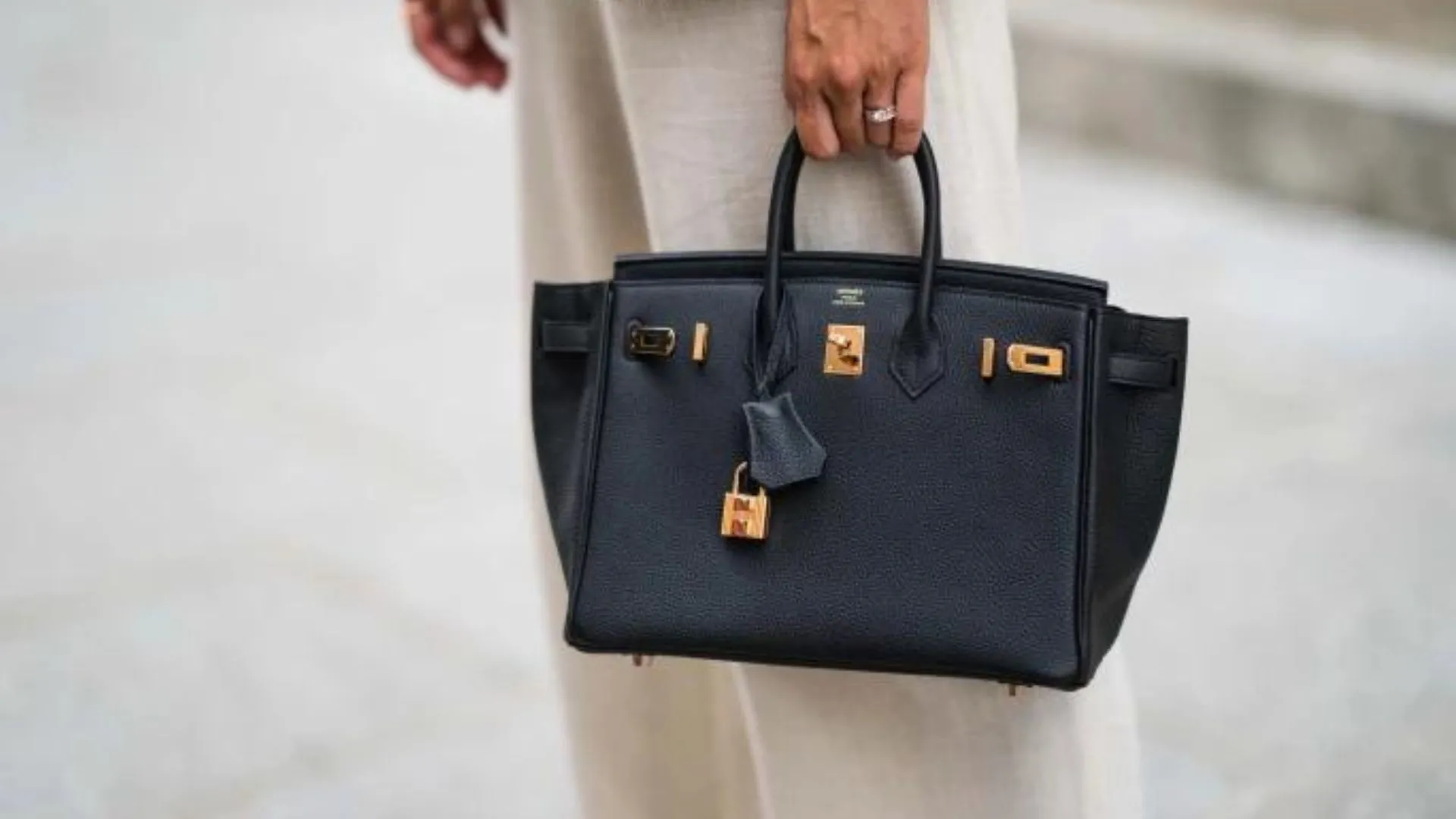
The Hermès Birkin Bag—perhaps the most famous example of intentional scarcity.
You can’t just walk into a store and buy one. Even if you have $15,000 in hand, the answer is often: “We don’t have any available.”
To get offered a Birkin, you must:
Build a purchase history over months or years.
Befriend a sales associate.
Buy other items like scarves, belts, or ready-to-wear to show loyalty.
Hermès isn’t selling bags. They’re selling status, access, and mystique. Every Birkin sighting becomes a symbol of achievement.
Rolex – Waitlists That Work
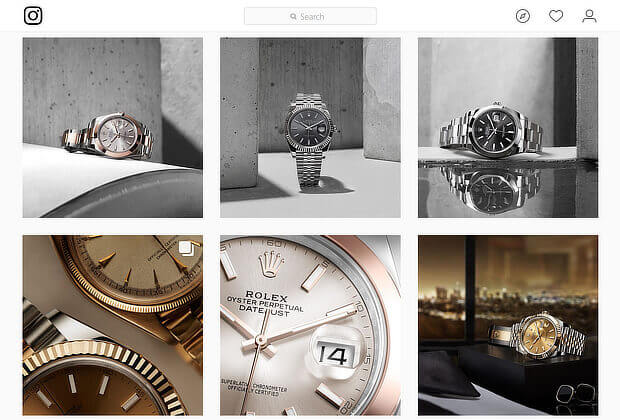
Rolex is a master of controlled scarcity. While their production is massive, supply of key models—like the Daytona or Submariner “Hulk”—is intentionally limited at authorized dealers.
The result? Year-long waitlists, secondhand markups, and a sense that getting one is a privilege, not a purchase.
Rolex never publicly says a model is rare. They let the market frenzy do the talking. That’s elite brand control.
Other Brands Doing It Right
Supreme drops limited collections in minutes—using scarcity for hype.
Rimowa x Off-White sold out in seconds, not because of function, but because of exclusivity signaling.
Patek Philippe limits its Grand Complications to ultra-high-net-worth clients with generational relationships.
Across fashion, tech, and automotive industries, the message is the same: if it’s hard to get, it’s worth more.
Pros and Cons of Snob Appeal Tactics
Pros:
Elevates brand status instantly
Creates desire before supply
Builds extreme customer loyalty
Turns customers into status symbols themselves
Cons:
Alienates new customers
Can backfire as elitist or manipulative
Requires tight control over distribution and messaging
Can create gray market resellers, eroding authenticity
It’s a balancing act. Go too far, and you risk being seen as arrogant. Stay too accessible, and you lose the cache.
Business Lessons from Luxury Scarcity
So, what can you take from this, even if you’re not selling $300,000 sports cars or $20,000 handbags?
Here are three key lessons:
Exclusivity builds value – Not everything needs to be mass-market.
Make your customers earn it – Loyalty programs, application-only access, and tiered services increase commitment.
Mystique matters – Don’t over-explain. Part of the magic is not knowing everything.
In a world flooded with choices, the brands that say “no” the most powerfully are often the ones customers say yes to the loudest.
In Closing
Whether you’re building a startup, a luxury label, or a premium service, think like Hermès or Ferrari…make your brand aspirational, not just available.
______________________________________________
Visit my business SAVVYPRENEURSHIP channel and if you like the content, kindly subscribe to help me grow the channel.
Luxury brands aren’t just selling products; they’re selling dreams, status, and exclusivity. To maintain this aura, they employ clever tactics that go beyond simple supply and demand. Let’s look at two key strategies: artificial scarcity and selective selling.
Artificial Scarcity
Artificial scarcity is when brands deliberately limit the availability of their products, even when they could produce more. This creates a perception of rarity and increases desire.
Examples:
Hermès Birkin Bags Hermès is the master of artificial scarcity. They’ve made their Birkin bags so elusive that:
You can’t simply walk into a store and buy one
There’s a mysterious waiting list
The company claims they don’t know when new stock will arrive
This strategy has turned the Birkin bag into a status symbol, with some models selling for over $300,000 in the resale market.
Rolex Watches Rolex limits the production of their most popular models, like the Daytona and Submariner. This creates long waiting lists and drives up prices in the secondary market.
Supreme This streetwear brand releases limited quantities of products once a week. Their items often sell out in minutes, creating a frenzy among fans.
Selective Selling
Some luxury brands go a step further by only selling their top-tier products to clients with a substantial purchase history. This practice:
Rewards loyal customers
Creates an air of exclusivity
Encourages more spending to reach the “inner circle”
Examples:
Ferrari This illustrious brand is notorious for its selective selling practices. To buy their most exclusive models, like the LaFerrari:
You need a history of Ferrari ownership
You must be invited by the company
Sometimes, you need to own multiple Ferraris
The retired comedian and avid car collector, Jay Leno, was once asked why he refuses to purchase a new Ferrari and he responded by saying that the Ferrari dealership experience is like visiting a dominatrix.
Hermès (again) To be offered a Birkin or Kelly bag, clients often need to:
Build a relationship with a sales associate
Have a significant purchase history with the brand
Why Do Luxury Brands Use These Tactics?
Maintain Exclusivity: By limiting access, brands preserve their exclusive image.
Create Desire: Scarcity makes products more desirable. As the saying goes, “We want what we can’t have”.
Control Brand Image: By choosing who can buy their products, brands can ensure their items are associated with the “right” people.
Drive Up Prices: Scarcity allows brands to charge premium prices and resist discounting.
Generate Buzz: Limited availability creates talking points and free publicity.
Encourage Loyalty: The promise of access to exclusive products keeps customers coming back.
How These Tactics Benefit Luxury Brands
Higher Profit Margins: Scarcity justifies higher prices, leading to better profits.
Brand Value Preservation: By avoiding oversaturation, brands maintain their prestige.
Secondary Market Control: Scarcity drives up resale prices, indirectly benefiting the brand’s perceived value.
Marketing Efficiency: The mystique created reduces the need for traditional advertising.
Conclusion
While the tactics used by luxury brands might seem frustrating to consumers, they’re incredibly effective for the brands. By masterfully manipulating supply and access, these companies create an aura of exclusivity that keeps their products highly desirable and valuable.
However, it’s worth noting that this strategy isn’t without risks. Brands must balance exclusivity with accessibility to avoid alienating potential customers or creating too much frustration. For entrepreneurs, there are valuable lessons here about creating perceived value, managing supply, and building customer loyalty. While most businesses can’t adopt these exact tactics, understanding the psychology behind them can inform your own marketing and sales strategies.
_____________________________________
Visit my business SAVVYPRENEURSHIP channel and if you like the content, kindly subscribe to help me grow the channel.
Myth-based marketing refers to the practice of using mythological elements, stories, and archetypes in marketing and branding to create a sense of mystique, emotional connection, and shared cultural identity with consumers. The key points about myth-based marketing are:
Brands are drawing inspiration from various mythologies and using mythical figures, symbols, and narratives to craft their marketing and branding.
Incorporating mythology into packaging, advertising, and brand messaging helps create a sense of mystery, belonging, and emotional resonance with the target audience.
Myths have deep cultural and psychological connotations that can be leveraged by brands to position their products or services as meaningful, timeless, and connected to a shared human experience.
Myth-based marketing allows brands to differentiate themselves, build brand loyalty, and tap into the power of storytelling to connect with consumers on a deeper level.
Sectors such as functional beverages, luxury goods, and skincare are identified as industries that can particularly benefit from leveraging mythology in their branding and marketing efforts.
In essence, myth-based marketing is a strategic approach that harnesses the universal appeal and emotional resonance of myths to create compelling, memorable, and impactful brand narratives. By tapping into the shared cultural and psychological archetypes embedded in myths, brands can forge stronger connections with their target audience.
How to Create Myth-based Marketing
Here’s how myth-based marketing can be used to create a sense of exclusivity around a product:
Leverage Mythological Archetypes and Symbolism By incorporating mythological figures, symbols, and narratives into the branding and marketing of a product, brands can imbue it with a sense of mystery, prestige, and exclusivity. This taps into the deep cultural and psychological connotations that myths hold for consumers.
Craft Captivating Brand Narratives Weaving a compelling brand story rooted in mythology can make a product feel like it’s part of a larger, exclusive narrative. Consumers may feel they are participating in or connecting with something greater than just a transactional purchase.
Emphasize Limited Availability or Scarcity Brands can leverage the exclusivity of mythological elements by positioning a product as a limited-edition offering or something only available to a select group of consumers. This scarcity can heighten the perceived value and desirability of the product.
Collaborate with Influential Mythological Figures or Ambassadors Partnering with influential individuals or entities associated with the mythology being leveraged can further reinforce the exclusivity of a product. This could involve celebrity endorsements, influencer collaborations, or even partnerships with cultural institutions.
Utilize Exclusive Packaging and Presentation The physical design and packaging of a product can also contribute to a sense of exclusivity. Brands can draw inspiration from mythological aesthetics, using premium materials, unique shapes, and limited-edition packaging to make the product feel like a rare, collectible item.
In the End
By tapping into the universal appeal and emotional resonance of myths, brands can craft a sense of mystique, prestige, and exclusivity around their products. This can help differentiate the offering, build brand loyalty, and create a perceived value that goes beyond the functional benefits of the product itself.
Recently, I followed a Linkedin luxury sector group thread. Discussion centered on the appropriate manner clients should be treated by sales personnel in a luxury retail shop such as Gucci.
To my astonishment, one participant, posing as an expert stated that salespeople at such boutiques should be snooty. The reason given was that this attitude was part of the luxury cachet.
How ludicrous and puerile, I thought.
In my experience, this is precisely what you should not do. Whether you spend $10,000 or more on a Rolex or $20,000 or more at Hermes all clients should be treated with respect. Period. Aspiration and negative attitude sales pitches are not only counterproductive, but they are also destructive. (I might add, that this should be true of all human interaction and not just the act of buying luxury products.)
Does Luxury Really Have Meaning?
Luxury was never about price. This is an outdated concept built on a social model which is incompatible with democratic values. It is about brands, which are authentic. Authenticity implies function, design, intrinsic value, and in certain cases heritage and pedigree.
Luxury must provide the right experience.
Sophisticated customers want the wow factor.
This means touching the heart and dazzling the senses. When done in this manner, the client feels their lifestyle enhanced. Yes, I know, like you do that a product is just a thing. However, things act as a trigger and can alter perception, inner balance, and outer harmony.
Look at the keys to luxury brand management and you will recognize the essentials in selling aspiration:
1) Self-expression and sense of self 2) Exceptional treatment and experience when in the act of purchase 3) Craftsmanship=Quality 4) Authenticity 5) The Rarity Factor 6) Emotional Bonding 7) Mystique
To achieve these elements the brand must be expert storytellers. One of the grand storytelling kings, Ralph Lauren, understands this like the lines on his hand.
Exceeding Expectations
Luxury goods are not sold the same way as mainstream products. It’s not enough to simply introduce and sell a luxury brand surrounded by a fancy store with design-inspired display cases either. Consumers of luxury brands tend to have higher expectations than that of traditional consumers. They are discerning and sensitive to questionable tactics, as well as intolerant when comes to aggressive salespeople.
The attitude, product knowledge, and overall delivery/presentation of the product by the sales consultant/brand ambassador all play an equally important role. This translates to a well-educated, skilled staff having good communication skills, a high level of presentation skills, and a customer-centric approach.
A study by The Luxury Institute, in New York, finds that Burberry and Bottega Veneta excel far better in CRM (Customer Relationship Management) than other companies. Their key findings were under the title:
“Leading Edge Insights Into The World Of The Wealthy”
Sales associates should be employed from related luxury brands and products, with consideration given to those in the service sector such as hospitality or premium airlines: Singapore Airlines, Swiss Airlines, Emirates, and others — or perhaps from premium apparel brands and high-end cosmetic brands. One thing is certain: Training ought to be based on specific brand requirements.
As more luxury brands open their own retail outlets to stand apart, they need to better control sales channels, image, and front-line personnel.
One cannot stress enough for Sales teams to have the right training. For new sales hires not familiar with selling luxury brands, a company has to invest to train them and ensure occasional retraining including recap courses. Luxury sales training should include: – In-depth product knowledge – specifically how it will help satisfy the customer’s needs; – Focus on the customer – who they are, what they like/dislike, determine needs, motivations and preferences; – Exceed customer expectations by delighting and surprising; – Appeal to client emotions; – Never put down the competition.
Ultimately, craftsmanship, design innovation, exclusivity, and pedigree sell themselves. Correct sales attitudes should personify the luxury branded products and it becomes in the client’s eyes a done deal.
Selling, or Rather, Storytelling with Product Knowledge and Finesse
Consumers today are sophisticated when it comes to shopping – thanks primarily to the internet where information on just about any product can be researched and used for comparison purposes. Consequently, when a prospective client walks into a store, he/she is armed with knowledge – which is why the sales professional should be product proficient and adept at assisting and guiding the client to the purchase by making use of flattery, romance, and showmanship. Charisma is an asset.
To illustrate, if a sales consultant, wearing a pristine white pair of gloves is presenting, for instance, a Chopard watch, he/she will utilize terms with finesse and avoid using language which discusses a specific price tag. In its place, the word “value” can be used. Instead of calling the product an obvious “watch”, the sales consultant can say, “timepiece”, “masterpiece” or simply pronounce the model name. It should then be demonstrated in a dazzling manner emphasizing its innate qualities and timeless design with functionality – amongst other features that focus on one’s sentiments.
When selling a niche automobile such as a Porsche, the sales professional can talk about racetracks, describe road-holding capabilities, and build up a fascinating story – after which time he/she can bring up reliability and the technical details which confirm to the discerning client what he/she is already aware of.
Hiring Selection Process: Who Should Make the Cut?
When seeking to hire sales consultants, there should be a set of criteria established to ensure a successful performance. The people selected for the end-user contact should have the following characteristics:
1) Retail sales experience in a luxury environment;
2) Empathetic: expertise in establishing customer relationships that translate into sales;
3) Image: proper attire and fashion accessories, verbal communication, and grooming. Clients should see the brand made manifest so it has a personal connection;
4) Skilled at the emotional aspects of a sale: bond with customers so that relationship leverage is genuine;
5) Passionate and Professional mindset;
6) Highly collaborative: knows how to work with and through others in a team-based environment;
7) Entrepreneurial, competitive, self-confident, and self-motivated.
Discounted Luxury is an Oxymoron
Under no circumstances should luxury brands be discounted. They need to stick to their true sense of meaning and heritage. By cutting prices, brands risk changing the quality-price relationship in the customer’s mind. This practice normally stems from sales consultants, who may not be convinced that the particular luxury goods offered for sale actually merit the price.
Such an attitude can be tricky to navigate effectively. Customers need to believe otherwise they question and the product is devalued in their eyes. Salespeople, who are not up to this aspect of brand personification should not be hired.
Price discounts should be a tactic of last resort.
A robust alternative is to offer gift items or bonuses such as complimentary tickets to Art exhibitions, gift certificates, or access to a coveted local restaurant.
Employ Mystery Shoppers
In the retail brand experience, nothing should be taken for granted. In a progressive customer-driven entity, training and developing human assets should be an ongoing process. Moreover, brands should be an enemy of the status quo.
Hiring mystery shoppers to gauge the total sales cycle approach and report back their experience to management should not be ignored.
Another suggestion is for the luxury boutique owners to hire a third party such as a consultancy firm, which specializes in the high-end retail domain, to shadow the sales consultants and evaluate their performance.
Both techniques need to be conducted with frequency. How can you understand what the client expects by acting and gauging behavior in the field? You can’t.
The Final Take
Remember, a luxury sales professional does not pressure customers to buy.
He/She plays the role of a luxury purveyor and advisor – someone who is an expert product consultant and keeps a client’s best interests at heart. By demonstrating value, a sales consultant establishes himself/herself as a professional.
It’s about establishing a person-to-person relationship as opposed to a salesperson-to-customer relationship.
In today’s economy, service has become a core competitive advantage. Hiring the right people and training them to sell properly, increase sales and retain the brand’s luster should all be part of its ongoing ambitions.
Sophisticated customers want products that dazzle their senses, touch their hearts and stimulate their minds – which they can relate to and can incorporate into their lifestyles. The degree to which a luxury product is able to deliver a desirable customer experience is vital.
To begin the new year, I have once again rounded up the ten most read/popular articles — this time for 2020. The following ten captured the most attention by numbers and from 152 countries in all. See them all below!
Your views are always encouraged including subject matter you think I should be covering more of.
THANK YOU for your readership and I look forward to feeding your mind with additional practical business food for thought this year which can be applied for timely results.
The renowned Rolex brand is a precision Swiss manufacturer of prestigious wristwatches or “timepieces” (for a lack of a better word in the category) which possesses pedigree along with a stellar reputation. It was registered as a trademark in 1908 and as a company in 1915. It is a privately held and independently run entity, as well as considered the single largest luxury watch brand in the world.
The brand is responsible for many innovations in the watch industry including the first self-winding watch, the first waterproof case, the first watch with a date on the dial, the first watch to show two time zones at the same time and the first brand to earn the chronometer certification for a wristwatch.
Rolex watches rarely lose their price value because it is one of the very few watch brands which has mastered five vital fundamentals as follows:
1) Superior Craftsmanship and Materials: Rolex makes virtually everything in-house as a totally vertically integrated manufacturer. The watchmaker is first rate in metallurgy and manages to produce incredibly accurate and reliable time pieces. For a Rolex watch to work seamlessly and maintain its beauty, even in the harshest environments, it uses Oystersteel, a steel alloy specific to the brand and belongs to the 904L steel family. It is particularly resistant to corrosion and acquires an exceptional sheen when polished. Rolex watches are also hand-made which is expected from a fine Swiss made watch. The movements and bracelets are assembled by hand, whereas a precision and high-tech proprietary machine or robot helps with doing things such as applying the right pressure when attaching pins, pressing down hands and aligning the parts. Moreover, all Rolex Oyster case watches are thoroughly tested for water resistance. This is performed with an air-pressure tank.
2) Artificial Scarcity: They are intentionally producing below the critical mass of watches that they can put into circulation. Going over would flood the market, but Rolex somehow manages to stay under that point by limiting its annual production output. This retains a lower supply and creates over-demand thus keeping prices above a certain level.
3) Perceived Value: Perceived value is the price that consumers are willing to pay for a product. In this area, Rolex manages to get their perceived value right in contrast to the actual value. Quite often the pre-owned or second hand price will indicate what consumers are willing to pay for the product, as opposed to the price that the manufacturer had initially decided to set.
4) Savvy Marketing: Rolex promotes itself predominantly high-end luxury brand that is the ultimate aspiration of the consumer…a fashionable alternative to using a cell phone to tell time and a status symbol. The brand has consistently sold to an upper class target market that consists of mainly men over the age of 35. The Rolex marketing approach has a subtle touch. Its clever marketing and PR tactics, along with its choice of sponsorships, portray a brand which represents sports, success and elitism. The brand’s iconic gold crown is prominent on scoreboards, banners, and timing clocks at high-profile sporting events around the world including golf, motor racing, tennis, yachting regattas and equestrian sports.
5) Structured After Sales Service: Rolex provides repairs on most of the products that they have released throughout the company’s history. This task is bestowed to a Rolex boutique or authorized service center throughout the globe. It has generated some controversy in the watch and jewelry domain because like the other prominent prestigious watchmakers, the brand has gradually limited access of spare parts to independent repairers.
Therefore, in summary, with superior quality workmanship, the scarcity factor, ideal perceived value and savvy marketing, Rolex is one of the few watchmaking brands to have created a great value proposition and sought-after status. Not surprisingly, it is also well regarded and the most widely accepted premium watch brand, in terms of resale value and demand, at pawn shops and any other preowned watch retailer.
Definitions of “luxury” vary significantly and depend on with whom you discuss the topic and in what context. The term “luxury” is not the easiest to define. It is relative, mysterious and elusive. In essence, it revolves around subjective criteria, depending who you ask. Irrespective what anyone considers the term, it denotes a privileged lifestyle and a “nice to have” product or experience.
Gary Harwood at HKLM, one of the founders and directors of a leading strategic branding and communication design consultancy, stated: “A luxury brand is very expensive, exclusive and very rare – not meant for everyone. When it ceases to be these things, then it’s lost its exclusive cachet. Commoditizing luxury brands and making them more accessible to the middle market puts them at risk of becoming ordinary, common and less desirable. And the more available a brand is, the less luxurious it becomes.”
Authentic luxury brands compete on the basis of their ability to invoke exclusivity, prestige and hedonism to their appropriate market segments not the masses. There is a classic litmus test:
Is the product manufactured in artificially limited quantities? (i.e. the rarity factor)
Does the firm have a story to tell? (i.e. history & pedigree)
Is the firm portraying a unique lifestyle?
Is craftsmanship the hallmark, which delivers products that only High Net Worth individuals can purchase without question?
Does the brand offer authenticity?
Does it implement an absolutely no discounting policy?
Is the product (and at least most of its materials/parts) manufactured only in its country of origin?
Rationale of an absence of “authentic” luxury sales online
Many genuine luxury brands such as Hermes, Chanel and Louis Vuitton are reluctant to utilize the internet to sell their pricey merchandise ─ other than a limited number of more affordable items such as their cosmetic lines, fragrances and small leather goods, as well as their silk scarfs.
There are three major reasons why luxuries brands of this caliber should not sell their products online.
Unique business model: The top tier luxury brands such as Hermes, Chanel, Dior and Patek Philippe, amongst other prestige marques, require a controlled distribution environment whereby they determine merchandising and pricing. They are ultra-sensitive in the manner in which their label gets handled. This is why they target and legally pursue third party e-commerce sites vigorously. Moreover, unlike traditional marketing, the mention of price is considered a taboo in the unconventional luxury marketing strategy. In the ideal luxury world, price is not something which should be divulged ─ let alone online. As a golden rule of thumb, the presumptive price should be higher than it really is.
Total customer engagement: High-end luxury brand executives firmly and unanimously believe that high-priced and exclusive goods should be viewed and felt in person in a plush and attentive retail environment which attracts their best shoppers. Additionally, the well trained sales staff offer fashion advice and alterations on the spot. Their swanky online presence serves to bring the consumers to their bricks and mortar shops. This approach confirms the answer to this question: Do the well-heeled, who seek exclusivity and personalized experiences with their luxury purchases, want to make their extravagant purchases online ─ such as a $15,000 watch or handbag? Probably not.
They are privately owned and operated: Unlike the mainstream market and publicly traded luxury brands such as Ralph Lauren, Coach, Tiffany & Co and others, top tier luxury brands are not eager for volume sales. To retain their scarcity, cache, and avoid diluting their intrinsic value, they refuse to respond to rising demand. They also include a conservative policy of making it more inaccessible to consumers whom they are not targeting. Consequently, with privately held luxury brands, profits are done with the long term in mind, not necessarily the next quarter. In comparison, the publicly traded ones, which are accountable to their shareholders, are constantly under pressure to trim production costs and increase revenues and profits which lead them to cater to a larger audience ‒ the mass affluent. So much for all the elements of ‘genuine’ luxury purveyors who are doing away with scarcity and exclusivity.
Vice president and principal analyst at Forrester, Sucharita Mulpuru-Kodali, stated, “Yes, maybe they could increase sales (through e-commerce).” However, she elaborated, “a brand’s goals aren’t always to increase sales. It may be to preserve the quality of the brand so that it stays in business for another 100 years.”
According to David Sadigh, founder and CEO of the Swiss digital banking magazine, “Swissquote”, the share of e-commerce sales in the luxury domain amounts to about 5%.
Authentic luxury brands who are not catering to the mass affluent are in a league of their own when it comes to e-commerce. Having said that, their present conservative strategy achieves its intended purpose. Essentially, when someone acquires an object of desire, he or she purchases craftsmanship, cache, pedigree, created in limited quantities, enhance one’s lifestyle and offer exclusivity ─ the top tier in its domain. This is a contrast to the “masstige” brands such as Ralph Lauren and Michael Kors, which according to a trend report from PMX – a marketing and research agency, revealed that both of those fashion labels dominated the online market share in their luxury category.
When it comes to authentic luxury sales, every touch point in the purchase process affects brand perception, which in turn makes customer service and presentation vital.
Consider this! You are walking on, what is considered, a prestigious street in a downtown area of a major city lined up with a slew of luxury shops. What do you particularly notice about the look of the shops as compared to mainstream stores? Would you say it’s the window displays which are striking? The entrance? The upscale and inviting interior design? The way the merchandise is displayed?
Designing a luxury shop is much more than four walls, racks and lighting. It’s a meticulous creative and holistic process taking into account that luxury stores have to transmit the identity of a luxury brand, so that the image the customer has of this brand is affirmed by each store visit. Needless to say, it’s a design concept coupled with the total customer experience in mind.
Piaget timepieces, Bond Street, London
Ambiance, personalized service and the total shopping experience
In a world where the consumer has become savvier, luxury products more accessible through an increase in democratization of luxury brands and the rapid emergence of prestige brands, the retail environment in luxury branding is all about heightening the consumer’s brand experience and amplifying the brand aura.
A well designed luxury retail boutique should embody an extraordinary design that is timeless while maintaining a striking interior that is unique, inviting, functional, and most certainly portray a luxurious setting.
A custom designed attractive setting – yet alluring with captivating style, invites customers to truly feel the brand experience by adding character. It exudes a “You’ve arrived!” underlying message. This is accomplished by connecting the feeling of warmth and acceptance ‒ via emotions to a product or service, and infusing it with a tangible and intangible essence that remain in the customers’ minds. The vital elements are:
Location: The luxury brand store perception all begins with its location. A prestigious address/neighborhood makes an initial luxury statement ‒ whether on a prominent avenue such as Bond Street in London, Rue Saint Honoré in Paris or Rodeo Drive in Beverly Hills and at other renowned high-fashion streets worldwide. A high-end mall and airport outlets are becoming ever more popular due to their convenient spots along with an increasingly sophisticated environment.
Facade/Window Display: transparency/opacity of the windows, display highlights for outside windows (product type, arrangement of space, animation, colors and much more.), frequent creative displays and themes all play a vital role in showcasing merchandise with pizazz.
Main entryway: This should reflect an imposing appearance by creating the feeling of grand luxury access to the interior of the boutique. Elizabeth Arden’s signature red door is a distinguishable fixture at her stores and spas worldwide.
Decor: Attention to details including well-crafted attractive furnishings and materials (pillows or decorative accents) throughout. Choice of color palette, textures, combination of materials and accents all influence the overall store image in addition to being part of the overall design esthetics.
Lighting and its effects: The proper choice of illumination adds to the overall design and ambiance.Lighting can bring focus to merchandise displays, hide imperfections, add warmth, and help create a positive shopping experience for the brand’s clients. Halogen spots and LED lighting are the preferred variety for interior designers.
Smell and Background Music environment: These reflect the store’s personality. Smell is considered the olfactory of the fifth human sense. The scenting strategy is part of “sensory”/”sensorial” marketing and branding that’s meant to attach certain smells to brands, drive loyalty, and make people feel at home. Whereas, music/sound supports refining brand communication and in designing a better sounding environment. A discreet volume should be considered as an ideal comfort level.
Merchandising appeal ‒ display and layout: localization of displays (size, colors, kits, messages) while keeping in line with brand values and guidelines. The spaces where your clients see and touch your products have an effect on the visual aspect along with their shopping experience.
Lounge area: possibility or not to have private salons for VIPs, to utilize for private shows/demonstrations, presentations and other special gathering purposes.
Service amenities: Washrooms should possess panache and be spotless. Their design can achieve the look and feel of luxury with both functionality and comfort. A kitchenette can be an additional amenity for preparing and catering light food/hors d’oeuvres. A workshop for bespoke functions such as product setting on the spot, size customization, engraving etc). Perhaps a kid’s space with animation to keep a child/children busy while their mum/dad/parents are shopping. The kids can eventually be converted to the luxury label themselves.
Staff Caliber and Overall Customer Care: Luxury goes beyond good looks. The service offered is a major event in itself. This comprises of dress code, attitude, and politeness regardless of what the client looks/wears. As well as responsiveness, a consultative sales approach and accessibility. This requires proper hiring criteria, on-boarding and repeated training in product knowledge, presentation skills, and anticipating customer expectations to go above and beyond. Luxury firms need to implement KPIs (Key Performance Indicators) to gauge their service effectiveness which do not only measure the performance of organizational processes, but also warrant a consistent quality level of in-store service.
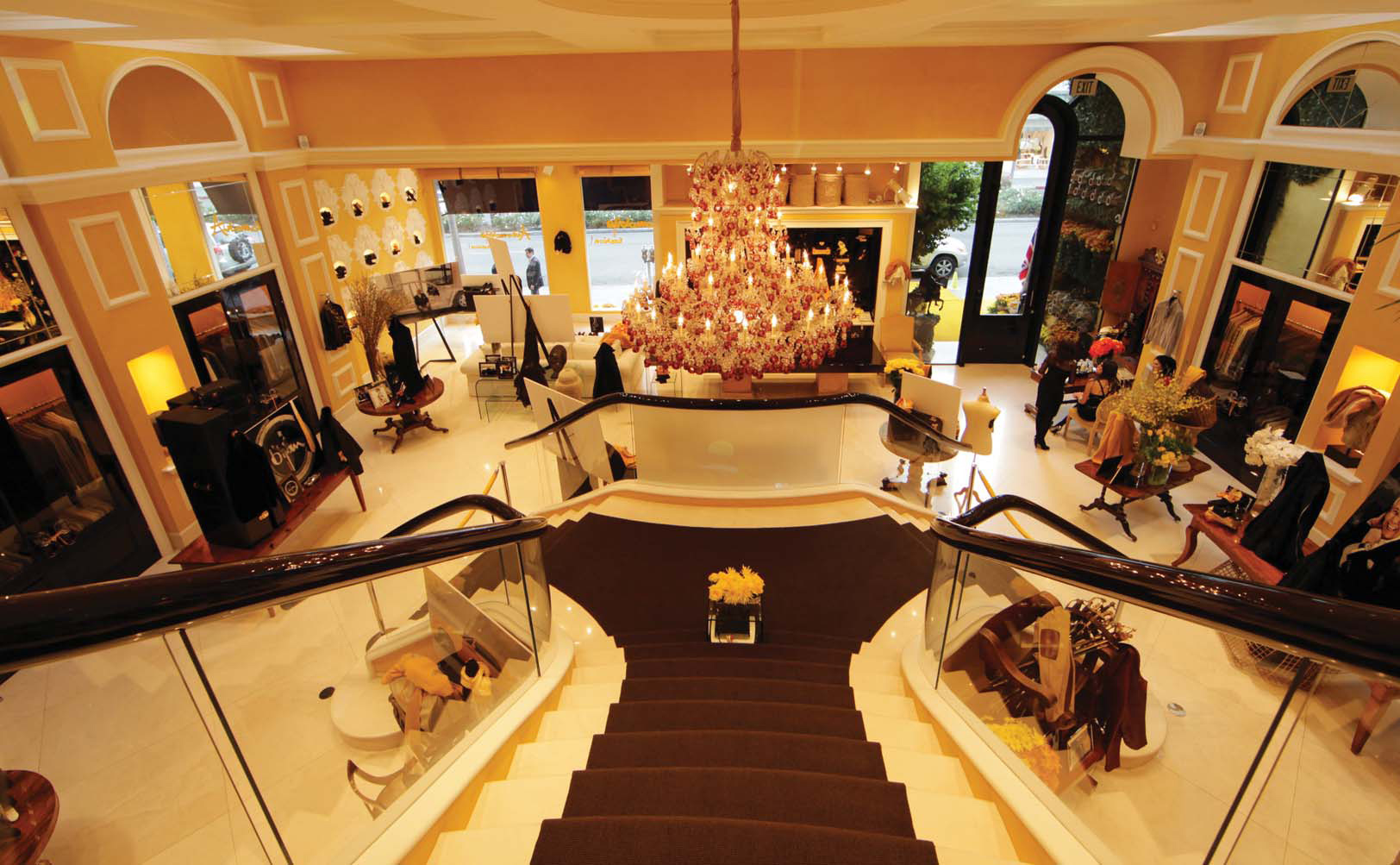
Bijan Boutique, Rodeo Drive
Artisans of timeless and artistic retail interior design
It takes bold strokes to prevail from the competition by showcasing a distinctive look along with creating an emotional bond with the clientele. As such, luxury brands are making their mark on the map with a radical and explosive architectural vision. It’s where design innovation coupled with creativity are paramount when delivering artistic solutions driven by each individual brand’s image.
When it comes to commissioning distinctiveness with luxury ambiance interiors in the retail, restaurant and hotel sectors respectively, Yabu & Pushelberg have become the go-to interior designers akin to what Frank Gehry is to deconstructivist architecture. In over three decades, the duo partners, based in Toronto along with a New York City design studio, have fostered a client list that ranges from Louis Vuitton and Tiffany & Co to Four Seasons Hotels and renowned French chef and restaurateur Daniel Boulud. In their work, Yabu and Pushelberg manage to articulate luxury through contrasts, austere designs with fine materials, as well as through comfort and the casual, strong points of view, including a crafty mix of art and artisanship. For them, luxury is a state of mind, not a material.
A Yabu & Pushelberg sample interior
The final take
The ambiance created in a luxury boutique is one of the finest marketing tools. The aesthetic appeal to human senses, the feel of the brand creates the image. Along with great service, it is one of the most important reasons customers will choose to shop repeatedly. It’s where the brand lives by orchestrating immaculate detailing that engages all senses of the discerning target audience. Surround the brand and its products/services with fashion, beauty, design and attractive models – without any characteristics of tackiness.
It all begins with the choice of store location, the immediate initial impression (window display, entrance, store layout, merchandising, furnishings, lighting and much more), the sales staff presentation and the impact of each touch-point in creating a unique indulging experience. The small touches that regularly go unnoticed help to create a distinct sense of place in luxury commercial spaces.
Emporio Luxury Mall, New Delhi, India
All that said, today’s savvy luxury consumers are increasingly seeking much more than merely a cosmetically elegant looking bricks and mortar shops. They have become more discerning and seeking a more knowledgeable and professional assistance to help them in managing their lifestyle and stature. It all boils down to the total customer experience which embraces knowledgeable and helpful staff, alluring presentations, storytelling, exclusive invites and privileged previews amongst other lifestyle themed activities.
Open any quality fashion or lifestyle magazine, and you will see how brands conceptualize and package luxury. The hype is deafening, and in reality can be quite confusing. Everyone wants “luxury” brands, and from a marketing point of view defy sales trends and seem recession proof.
As consumers, we want to be made to feel special. Definitions of “luxury” can vary enormously and depend on who you ask and in what context. The term “Luxury” has never been something easy to define. It is in my view, a mysterious and elusive concept. Studies highlight that no one is immune and when properly executed makes products and services highly desirable by broad market segments.
To put things into perspective, I will discuss the nature of luxury, and how luxury and premium brands differ in the marketplace although both types of products and services can be targeted to similar audiences.










 Unconventional Business Wisdom for the refined entrepreneurial mindset - by James D. Roumeliotis