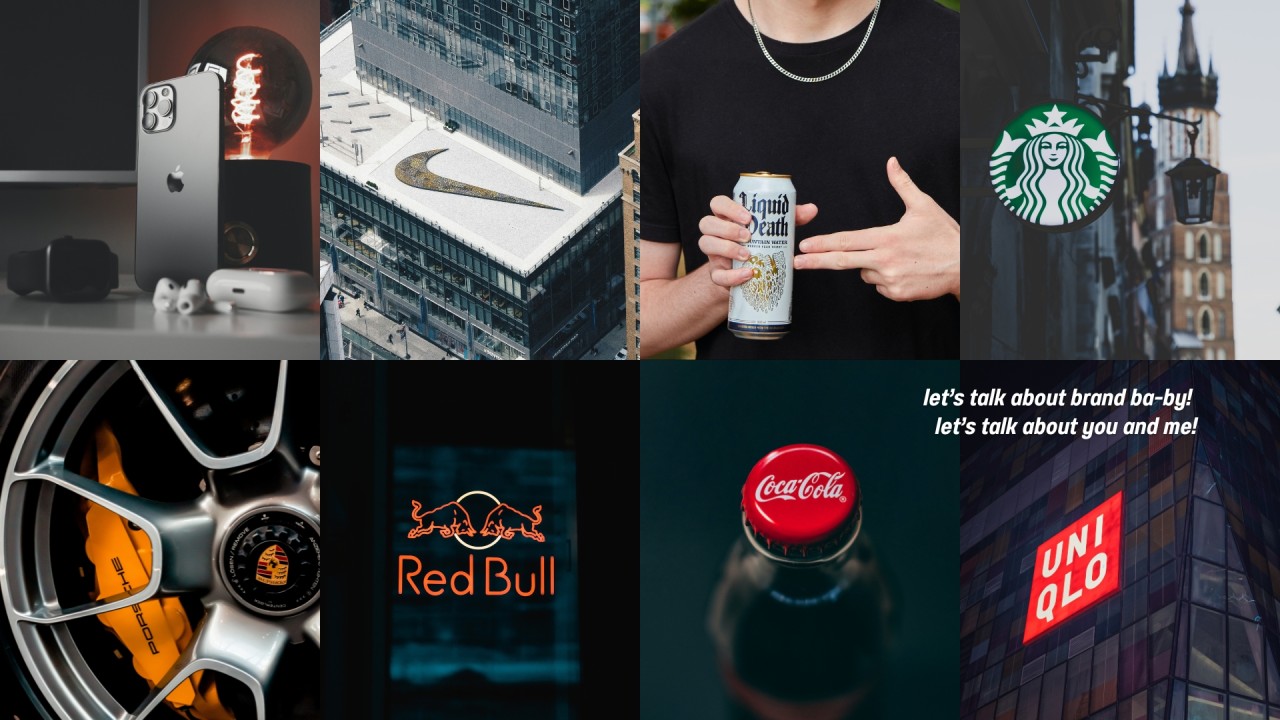
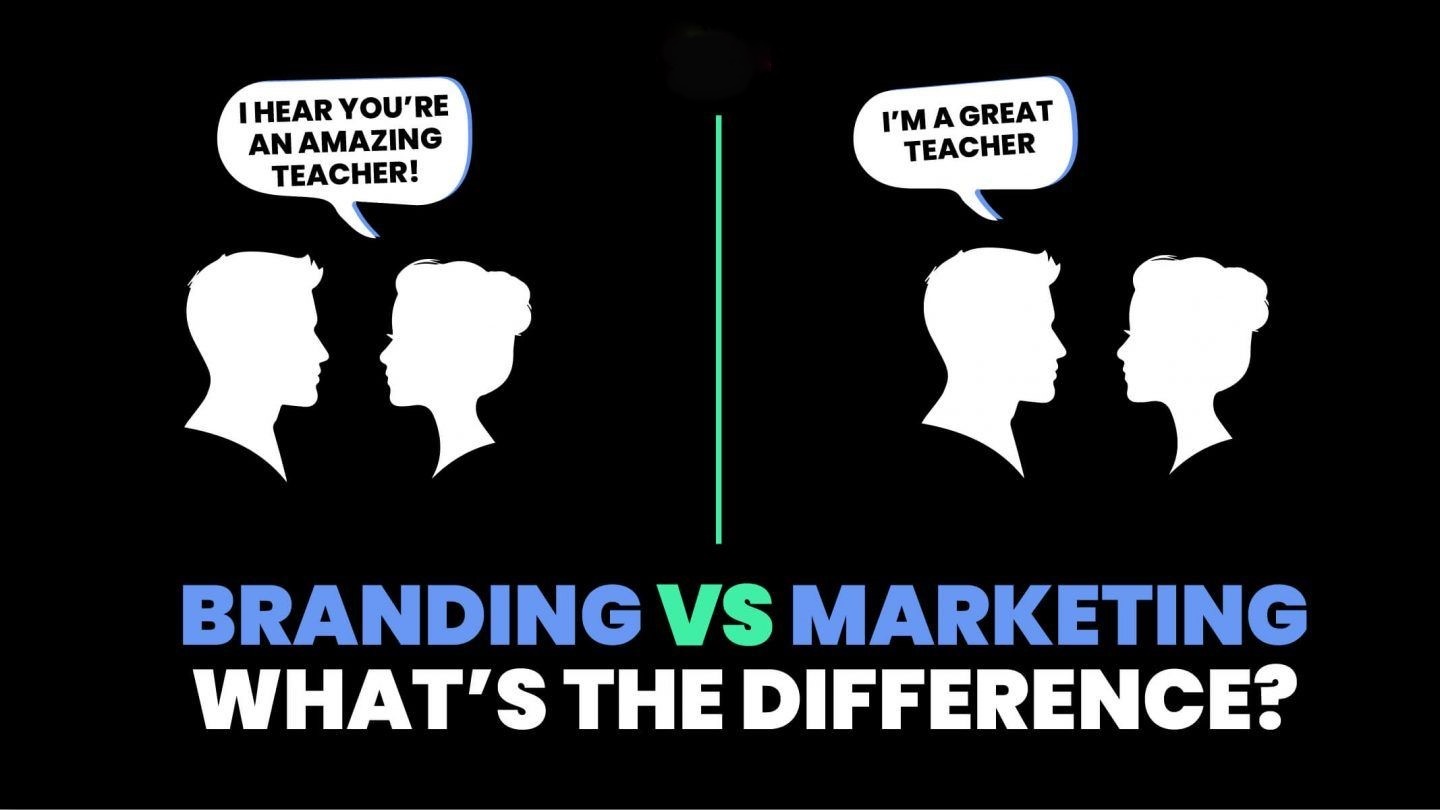
Tag Archives: marketing

The Business of Luxury Water: Branding a Commodity

By James D. Roumeliotis

Water. The most basic necessity in life. It’s clear, tasteless and free in most places. And yet…there are people paying hundreds, even thousands of dollars for a single bottle. Why? Because some brands have turned water, a commodity into a status symbol. In this episode, I’m sharing with you how premium and luxury water brands like BlingH2O, Acqua di Cristallo Tributo, Voss, and Acqua Panna have done it…and what entrepreneurs can learn from their strategies.

The Commodity-to-Luxury Transformation

Here’s the key challenge: Water is water.
You can’t fundamentally reinvent H₂O.

So how do you get people to pay a premium for it?
You reframe the value. You don’t sell hydration, you sell status, experience, and identity.

In other words, the product is the same, but the perceived value is completely different.

BlingH2O – The Sparkle of Exclusivity

BlingH2O is not just water, it’s water wearing a designer dress.

  • Bottled in frosted glass with Swarovski crystals
  • Priced at up to $40 a bottle
  • Marketed in exclusive celebrity circles

This is liquid jewelry.
Founder Kevin Boyd positioned it as a lifestyle accessory, not a beverage…showing up in Hollywood gift bags and VIP parties.

Entrepreneur’s Lesson: Packaging can be more valuable than the product itself if it aligns with aspirational identity.

Acqua di Cristallo Tributo a Modigliani – The World’s Most Expensive Water

This is the Ferrari of bottled water.

  • Sold for $60,000 a bottle at auction
  • The bottle is made of 24-karat gold
  • The water blend comes from Fiji, France, and Iceland

The buyer isn’t paying for thirst, they’re paying for rarity, craftsmanship, and art.
It’s a collectible disguised as a consumable.

Entrepreneur’s Lesson: Rarity + storytelling + craftsmanship can turn any product into a luxury collectible.

Voss – Minimalism Meets Lifestyle

Voss took a completely different approach…simplicity as luxury.

  • Sleek, cylindrical glass bottle
  • Marketed as pure, artesian water from Norway
  • Found in high-end hotels, restaurants, and spas

It’s not screaming for attention, it’s whispering elegance.

Entrepreneur’s Lesson: In premium markets, sometimes the absence of flash is what makes something aspirational.

Acqua Panna – The Story of Heritage

Acqua Panna built its premium positioning on history and place.

  • Sourced from Tuscany, Italy
  • Tied to the Medici family estate dating back to the Renaissance
  • Marketed alongside fine dining and wine

When you drink Acqua Panna, you’re not just drinking water, you’re drinking a piece of Italian heritage.

Entrepreneur’s Lesson: A compelling origin story can make even a commodity feel special and worth more.

The Common Threads in Luxury Water Branding

Looking at these brands, you’ll notice they use similar playbooks:

  1. Exclusivity – Make it hard to get, and people will want it more.
  2. Aspirational Association – Tie the product to luxury lifestyles, celebrities, or elite spaces.
  3. Packaging as a Statement – Treat the container like a piece of art or fashion.
  4. Heritage & Storytelling – Give the water a backstory worth telling.
  5. Placement Strategy – Sell in high-end environments, not supermarkets.

 How Entrepreneurs Can Apply These Lessons

You don’t have to sell water to use these strategies.

If you want to elevate your product:

  • Change the frame of value – Don’t compete on function alone; compete on feeling.
  • Invest in brand storytelling – Give your customers a narrative they can share.
  • Design like it’s fashion – Make your packaging part of the brand experience.
  • Control distribution – Being everywhere can cheapen the brand. Sometimes scarcity sells.
  • Link to a lifestyle – Make your product a symbol of a specific aspiration or identity.

Final Takeaway

Luxury water brands prove that perception can be more powerful than product.
If people pay thousands for something they can get for free, it’s proof that branding is about emotion, identity, and experience, not just utility. So, the next time you’re building a brand, ask yourself: Am I selling the product…or am I selling what the product means? Remember, in business, value is created in the mind before it’s created in the market.

______________________________________________

Visit my business SAVVYPRENEURSHIP channel and if you like the content, kindly subscribe to help me grow the channel.

https://www.youtube.com/@Savvypreneurship

Leave a comment

Filed under 1, branding

Exclusivity Sells: How Luxury Brands Create Demand Through Artificial Scarcity

James D. Roumeliotis

You’d think that having the money is enough to buy a Rolex Daytona, a Hermès Birkin, or a Ferrari SF90. But here’s the twist…you often can’t. Not because they’re sold out…but because these brands don’t want everyone to own them. In this episode, I’m breaking down the snob appeal strategy used by elite luxury brands—what it is, how it works, and the pros and cons of using exclusivity and controlled scarcity as a business tactic.

What Is Snob Appeal in Business?

Snob appeal is the marketing strategy that targets customers who want to stand out by being part of an exclusive group. It’s not just about quality—it’s about status, social separation, and psychological elevation.

Brands using snob appeal don’t sell to the masses. In fact, they often make it harder to buy their most iconic products.

It’s about access, not just affordability.

Ferrari – You Don’t Choose the Car, the Brand Chooses You

Ferrari is the ultimate example. Even if you’re ready to drop half a million dollars on a limited edition model like the LaFerrari Aperta, you likely won’t be allowed to buy one—unless you already own multiple Ferraris and are in the company’s “inner circle.”

They maintain a buyer list. The rarer the car, the more selective they are.

And if you resell your Ferrari too soon, you risk being blacklisted.

They control who can represent the brand on the street. That’s powerful. It turns their buyers into ambassadors, not just customers.

Hermès – The Art of Not Selling You the Birkin

The Hermès Birkin Bag—perhaps the most famous example of intentional scarcity.

You can’t just walk into a store and buy one. Even if you have $15,000 in hand, the answer is often: “We don’t have any available.”

To get offered a Birkin, you must:

  • Build a purchase history over months or years.
  • Befriend a sales associate.
  • Buy other items like scarves, belts, or ready-to-wear to show loyalty.

Hermès isn’t selling bags. They’re selling status, access, and mystique. Every Birkin sighting becomes a symbol of achievement.

Rolex – Waitlists That Work

Rolex is a master of controlled scarcity. While their production is massive, supply of key models—like the Daytona or Submariner “Hulk”—is intentionally limited at authorized dealers.

The result? Year-long waitlists, secondhand markups, and a sense that getting one is a privilege, not a purchase.

Rolex never publicly says a model is rare. They let the market frenzy do the talking. That’s elite brand control.


Other Brands Doing It Right

  • Supreme drops limited collections in minutes—using scarcity for hype.
  • Rimowa x Off-White sold out in seconds, not because of function, but because of exclusivity signaling.
  • Patek Philippe limits its Grand Complications to ultra-high-net-worth clients with generational relationships.

Across fashion, tech, and automotive industries, the message is the same: if it’s hard to get, it’s worth more.

Pros and Cons of Snob Appeal Tactics

Pros:

  • Elevates brand status instantly
  • Creates desire before supply
  • Builds extreme customer loyalty
  • Turns customers into status symbols themselves

Cons:

  • Alienates new customers
  • Can backfire as elitist or manipulative
  • Requires tight control over distribution and messaging
  • Can create gray market resellers, eroding authenticity

It’s a balancing act. Go too far, and you risk being seen as arrogant. Stay too accessible, and you lose the cache.

Business Lessons from Luxury Scarcity

So, what can you take from this, even if you’re not selling $300,000 sports cars or $20,000 handbags?

Here are three key lessons:

  1. Exclusivity builds value – Not everything needs to be mass-market.
  2. Make your customers earn it – Loyalty programs, application-only access, and tiered services increase commitment.
  3. Mystique matters – Don’t over-explain. Part of the magic is not knowing everything.

In a world flooded with choices, the brands that say “no” the most powerfully are often the ones customers say yes to the loudest.

In Closing

Whether you’re building a startup, a luxury label, or a premium service, think like Hermès or Ferrari…make your brand aspirational, not just available.

______________________________________________

Visit my business SAVVYPRENEURSHIP channel and if you like the content, kindly subscribe to help me grow the channel.

https://www.youtube.com/@Savvypreneurship

Leave a comment

Filed under 1, Business, Luxury, luxury branding, luxury lifestyle, luxury storytelling, selling luxury, what is luxury

How Smart Brands Are Using AI to Build Unforgettable Identities

James D. Roumeliotis

Branding isn’t just logos and taglines anymore. It’s behavior. It’s values. It’s tech. And yes—it’s now AI. In this episode I’m diving into the modern branding playbook. What’s working right now, where the future is heading, and how innovative companies are standing out by doing things very differently.

Traditional vs. Contemporary Branding

Old-school branding focused on consistency—same color, same slogan, everywhere. But that alone doesn’t cut it anymore.

  • Traditional: Static logos, print media, rigid brand guides.
  • Modern: Dynamic visuals, tone-adaptive content, experiential branding.

Today, successful brands are living entities. They flex, respond, evolve in real-time—and the customer is no longer just a buyer. They’re your co-creator, your critic, and your community.

Unique Brand Strategies That Worked

1. Liquid Death – Water, but Punk

  • Visuals: Bold cans, death metal branding for… canned water?
  • Takeaway: They leaned into anti-branding and satire, breaking every rule—and it worked. Why? Because it aligned with their niche identity and audience values.

2. Duolingo – TikTok Marketing Masterclass

  • Visuals: Viral clips of the Duolingo owl being chaotic.
  • Takeaway: Instead of corporate polish, they embraced humor and weirdness to create virality and relatability—especially with Gen Z.

3. Glossier – Community as Brand

  • Visuals: User-generated content, minimalist packaging.
  • Takeaway: Glossier let its community shape the brand narrative, co-creating products and turning customers into ambassadors.

Key Point: The best modern brands aren’t just seen—they’re felt. They’re distinct in voice, interactive by design, and culturally plugged in.

The Rise of AI in Branding

Here’s where it gets exciting. AI is no longer just a backend tool—it’s becoming central to branding.

Ways Brands Are Using AI Effectively:

1. Personalized Brand Experiences

  • Example: Netflix and Spotify use AI to create hyper-personalized experiences, training users to expect tailored content—and that is part of the brand.

2. AI-Generated Copy & Visuals

  • Example: Coca-Cola’s “Create Real Magic” campaign allowed consumers to generate branded art using AI tools like DALL·E and GPT, making the audience part of the creative process.

3. Sentiment Analysis for Brand Voice

  • Example: L’Oréal uses AI to analyze consumer emotions in real-time, allowing them to adjust brand tone and messaging per audience segment.

Key Point: AI isn’t replacing creative—it’s enhancing it. Giving brands speed, scale, and precision they’ve never had before.

The Future of Branding

Branding in the next decade will be defined by five major shifts.

FIVE Future Branding Trends to Watch:

1. Dynamic Identities

  • Logos and visual identities will be flexible, even responsive—changing based on user behavior or location.

2. Immersive Branding in AR/VR

  • Virtual storefronts. Interactive 3D experiences.
  • Example: Nike’s NIKELAND in Roblox is redefining brand experience for younger audiences.

3. Decentralized Communities

  • Brands will increasingly grow from communities, not corporations. DAOs and social tokens could empower user-owned branding.

4. Ethical & Purpose-Driven Branding

  • Consumers, especially Millennials and Gen Z, expect values, transparency, and action.

5. AI + Human Co-Creation

  • Co-branding with AI tools where customers customize, remix, and contribute to brand content.

In the future, brands won’t market to people—they’ll market with people.

In Conclusion

The future of branding is bold, fast, emotional, and—more than ever—personal. Whether you’re building your first product or rethinking your entire strategy, remember this: the best brands don’t just chase attention. They create connections.

_________________________________________________

Visit my business SAVVYPRENEURSHIP channel and if you like the content, kindly subscribe to help me grow the channel.

https://www.youtube.com/@Savvypreneurship

Leave a comment

Filed under 1, branding, branding strategy

The Psychology Behind Luxury Purchases

By James D. Roumeliotis

Have you ever wondered why people spend thousands of dollars on a handbag, a watch, or even a bottle of water? What drives consumers to choose luxury brands over regular alternatives, even when the quality difference isn’t always obvious? In this article, I dive deep into the mindset of luxury consumers, why they spend, and how luxury brands keep them coming back for more.

The Psychology of Luxury Consumers

Luxury isn’t just about high prices—it’s about psychology. People don’t just buy luxury products; they buy status, exclusivity, and experience.

1. Status & Social Prestige

  • Many consumers buy luxury items to signal success, wealth, and social standing.
  • It’s the reason people are willing to spend $10,000 on a Rolex when a $200 watch tells the same time.

Example:
Think about the Hermès Birkin bag—some people wait years just to get one! Owning one isn’t just about carrying a handbag; it’s about signaling exclusivity and success.

2. Emotional & Psychological Satisfaction

  • Luxury purchases often trigger dopamine release, making people feel powerful, accomplished, or even happier.
  • Some buyers justify luxury spending as a reward for their hard work or achievements.

Example:
Many professionals celebrate milestones with a luxury car, a designer bag, or a fine watch. It’s not just a purchase—it’s a personal symbol of success.

3. The Scarcity & Exclusivity Effect

  • Limited editions and high demand/low supply create a sense of urgency.
  • Luxury brands intentionally restrict availability to increase desirability.

Example:
The Lamborghini Aventador SVJ had only 900 units worldwide. This scarcity makes it a collector’s item, increasing its value over time.

Who Are Luxury Consumers?

Not all luxury buyers are the same. Let’s break down the different types of luxury consumers!

1. The “Old Money” Elite

  • These are generational wealth holders who have been buying luxury for decades.
  • They value heritage brands like Patek Philippe, Rolls-Royce, and Chanel.
  • They seek timeless elegance over trendy fashion.

Example:
If you see someone wearing a Patek Philippe watch, they probably aren’t trying to show off—it’s simply part of their lifestyle.

2. The Aspirational Consumer

  • These are middle-class or young professionals who save up to buy their first luxury item.
  • They often buy entry-level luxury like Louis Vuitton bags, Gucci belts, or Cartier bracelets.
  • For them, it’s about feeling a sense of achievement.

Example:
A young professional buying their first Rolex Submariner is making a statement—they’ve “made it.

3. The Hype-Driven Luxury Shopper

  • These are younger consumers influenced by social media, influencers, and celebrity culture.
  • They go for limited edition streetwear, designer sneakers, and collaborations.
  • They see luxury as a way to gain social status online.

Example:
The Supreme x Louis Vuitton collection sold out in seconds because hype culture made it a must-have.

4. The Quiet Luxury Buyer

  • This consumer prefers understated, logo-free luxury.
  • They buy brands like Brunello Cucinelli, Loro Piana, and The Row that emphasize craftsmanship over branding.

Example:
A tech entrepreneur might wear a $5,000 Loro Piana cashmere sweater, but you wouldn’t know unless you recognize the brand.

How Luxury Brands Influence Consumer Behavior

Luxury brands don’t just sell products—they sell a dream, an identity, and an experience. Here’s how they do it!

1. Mastering the Art of Storytelling

  • Luxury brands craft compelling brand histories to make their products more desirable.
  • They highlight heritage, craftsmanship, and exclusivity.

Example:
Rolex promotes its watches as part of history—worn by explorers, astronauts, and world leaders.

2. High Prices Create High Perceived Value

  • Luxury brands rarely discount their products.
  • A higher price makes consumers feel they’re buying something rare and superior.

Example:
Would a $100 Hermès scarf feel as luxurious if it cost $25? Probably not!

3. VIP Treatment & Customer Experience

  • Luxury stores create personalized shopping experiences—champagne, private showings, and concierge services.
  • This makes customers feel valued and special.

Example:
At Dior’s flagship boutiques, VIP clients get private lounges, one-on-one stylists, and exclusive pre-orders.

What Businesses Can Learn from Luxury Brands

Host:
Now, how can YOU apply these luxury branding strategies to your business—even if you’re not selling luxury products?

1. Focus on Brand Storytelling

Every brand needs a story. Find your unique brand identity and make it part of your marketing.

Example:
Chanel is a prime example of a luxury brand that excels in storytelling. The brand weaves the legacy of its founder, Coco Chanel.

2. Create a Premium Experience

Even if you’re a small business, offering exceptional service can make your brand feel premium.

Example:
High-end restaurants don’t just serve food—they deliver an unforgettable dining experience.

3. Leverage Scarcity & Exclusivity

People value what’s rare. Consider using limited releases or VIP access to create demand.

Example:
Apple’s exclusive pre-orders and limited colors make every new iPhone feel special.

Final Thoughts

Let’s do a quick recap!

Luxury is about status, emotion, and exclusivity
Different types of luxury consumers exist—from old money to hype-driven buyers
Luxury brands influence behavior through pricing, storytelling, and VIP treatment
Any business can apply luxury strategies—through branding, premium experiences, and scarcity

______________________________________________________

Visit my business SAVVYPRENEURSHIP channel and if you like the content, kindly subscribe to help me grow the channel.

https://www.youtube.com/@Savvypreneurship

Leave a comment

Filed under 1, luxury branding, luxury e-commerce, luxury lifestyle, luxury online sales, luxury storytelling, selling luxury, what is luxury

How Companies Sell You a Feeling and a Lifestyle, Not Just a Product

By James D. Roumeliotis

What if I told you that your favorite brands aren’t just selling you a product… but a feeling? That cup of coffee? It’s not just caffeine—it’s warmth, comfort, and routine. Those sneakers? Not just shoes—they make you feel unstoppable.

The Shift from Features to Feelings

Let’s rewind to the early days of advertising. Back in the 1950s and 60s, marketing was all about product features. ‘Our toothpaste has fluoride! Our car has more horsepower!’ But as competition grew, brands realized that logical selling wasn’t enough. People don’t just buy what something is. They buy how it makes them feel.

  • Black-and-white commercials listing features of household items
  • Transition to modern emotional ads (Nike, Coca-Cola, Apple)

Think about it—when was the last time you saw a Nike ad that listed the materials of their sneakers? Instead, they tell stories of athletes overcoming impossible odds. Nike isn’t selling you a shoe. They’re selling you the feeling of greatness.

The Psychology Behind Emotional Marketing

  1. Identity – We buy things that align with who we are (or who we want to be).
  2. Nostalgia – A strong emotional pull makes brands unforgettable.
  3. Social Proof – If others love it, we want to be part of it too.

Neuroscience tells us that emotions drive 95% of our purchasing decisions. Logic comes in after the fact—to justify why we bought that designer handbag or that latest iPhone. Brands tap into our sense of identity, belonging, and even nostalgia.

Example

  • Apple’s “Think Different” campaign → They sell innovation, not just devices.
  • Coca-Cola’s holiday commercials → They sell happiness, not just soda.
  • Harley-Davidson → Not just a bike, but a rebel lifestyle.

How Simple Products Became Cultural Icons

Some of the most iconic brands today started as simple products. But through emotional storytelling, they became movements.

Examples:

  • Starbucks: Started as a simple coffee chain. Today, it sells ritual, comfort, and community.
  • Apple: Once just another tech company. Now, it represents creativity, status, and belonging.
  • Coca-Cola: Originally a simple soda, Coca-Cola has become a symbol of happiness and togetherness. Through consistent messaging around joy and community, Coca-Cola’s storytelling has created a brand that people associate with shared moments and positive experiences.

People don’t just buy a Starbucks latte. They buy the experience of being in a cozy café, working on their dreams. It’s why people proudly hold that cup, even if it costs double the price of regular coffee.

The Future of Emotional Branding

So, where is emotional marketing headed next? In 2025 and beyond, brands will have to go even deeper into storytelling, personalization, and immersive experiences.

Predictions for the Future:

  1. AI-Driven Personalization → Ads that adapt to your emotions in real time.
  2. Metaverse & Virtual Experiences → Brands selling digital feelings (think Nike’s virtual sneakers).
  3. Cause-Driven Branding → Companies linking themselves to social movements (Patagonia, TOMS).

The brands that win won’t just sell products. They’ll sell experiences, identities, and emotions—because at the end of the day, that’s what we’re really buying.

_________________________________________________

Visit my business SAVVYPRENEURSHIP channel and if you like the content, kindly subscribe to help me grow the channel.

https://www.youtube.com/@Savvypreneurship

Leave a comment

Filed under 1, brand positioning, branding, branding not products, branding strategy, lifestyle branding

The Art of Exclusivity: How Luxury Brands Create Desire

By James D. Roumeliotis

Luxury brands aren’t just selling products; they’re selling dreams, status, and exclusivity. To maintain this aura, they employ clever tactics that go beyond simple supply and demand. Let’s look at two key strategies: artificial scarcity and selective selling.

Artificial Scarcity

Artificial scarcity is when brands deliberately limit the availability of their products, even when they could produce more. This creates a perception of rarity and increases desire.

Examples:

  1. Hermès Birkin Bags
    Hermès is the master of artificial scarcity. They’ve made their Birkin bags so elusive that:
    • You can’t simply walk into a store and buy one
    • There’s a mysterious waiting list
    • The company claims they don’t know when new stock will arrive

This strategy has turned the Birkin bag into a status symbol, with some models selling for over $300,000 in the resale market.

  • Rolex Watches
    Rolex limits the production of their most popular models, like the Daytona and Submariner. This creates long waiting lists and drives up prices in the secondary market.
  • Supreme
    This streetwear brand releases limited quantities of products once a week. Their items often sell out in minutes, creating a frenzy among fans.

Selective Selling

Some luxury brands go a step further by only selling their top-tier products to clients with a substantial purchase history. This practice:

  • Rewards loyal customers
  • Creates an air of exclusivity
  • Encourages more spending to reach the “inner circle”

Examples:

  1. Ferrari
    This illustrious brand is notorious for its selective selling practices. To buy their most exclusive models, like the LaFerrari:
    • You need a history of Ferrari ownership
    • You must be invited by the company
    • Sometimes, you need to own multiple Ferraris

The retired comedian and avid car collector, Jay Leno, was once asked why he refuses to purchase a new Ferrari and he responded by saying that the Ferrari dealership experience is like visiting a dominatrix.

  1. Hermès (again)
    To be offered a Birkin or Kelly bag, clients often need to:
    • Build a relationship with a sales associate
    • Have a significant purchase history with the brand

Why Do Luxury Brands Use These Tactics?

  1. Maintain Exclusivity: By limiting access, brands preserve their exclusive image.
  2. Create Desire: Scarcity makes products more desirable. As the saying goes, “We want what we can’t have”.
  3. Control Brand Image: By choosing who can buy their products, brands can ensure their items are associated with the “right” people.
  4. Drive Up Prices: Scarcity allows brands to charge premium prices and resist discounting.
  5. Generate Buzz: Limited availability creates talking points and free publicity.
  6. Encourage Loyalty: The promise of access to exclusive products keeps customers coming back.

How These Tactics Benefit Luxury Brands

  1. Higher Profit Margins: Scarcity justifies higher prices, leading to better profits.
  2. Brand Value Preservation: By avoiding oversaturation, brands maintain their prestige.
  3. Customer Lifetime Value: Selective selling encourages repeated, high-value purchases.
  4. Secondary Market Control: Scarcity drives up resale prices, indirectly benefiting the brand’s perceived value.
  5. Marketing Efficiency: The mystique created reduces the need for traditional advertising.

Conclusion

While the tactics used by luxury brands might seem frustrating to consumers, they’re incredibly effective for the brands. By masterfully manipulating supply and access, these companies create an aura of exclusivity that keeps their products highly desirable and valuable.

However, it’s worth noting that this strategy isn’t without risks. Brands must balance exclusivity with accessibility to avoid alienating potential customers or creating too much frustration. For entrepreneurs, there are valuable lessons here about creating perceived value, managing supply, and building customer loyalty. While most businesses can’t adopt these exact tactics, understanding the psychology behind them can inform your own marketing and sales strategies.

_____________________________________

Visit my business SAVVYPRENEURSHIP channel and if you like the content, kindly subscribe to help me grow the channel.

https://www.youtube.com/@Savvypreneurship

Leave a comment

Filed under 1, Artificial scarcity, Luxury, luxury branding, luxury lifestyle, luxury storytelling, selling luxury, super luxury cars

The Pros and Cons of a Subscription Business Model

By James D. Roumeliotis

In recent years, the subscription model has gained traction across various industries, from streaming services and meal kits to software and luxury items. However, this model is not without its challenges. Below, we explore the main advantages and disadvantages of the subscription business model to help you determine if it’s the right fit for your business.

Advantages of a Subscription Model

  1. Predictable Revenue Stream: One of the biggest benefits of a subscription model is its recurring revenue stream. Unlike traditional sales, which can be inconsistent, subscriptions provide a reliable cash flow that helps with budgeting, forecasting, and planning.
  2. Customer Retention and Loyalty: Subscription models create opportunities for long-term relationships with customers. By providing ongoing value and maintaining customer engagement, businesses can foster loyalty, leading to higher customer retention rates.
  3. Customer Insight and Personalization: Subscriptions offer a wealth of data on customer preferences and behaviors. By tracking how customers interact with the service, businesses can create personalized experiences, fine-tune offerings, and improve satisfaction, leading to an even greater lifetime value per customer.
  4. Reduced Customer Acquisition Costs: Acquiring new customers is often more expensive than retaining existing ones. A subscription model lowers this cost because satisfied subscribers are less likely to churn. Plus, satisfied customers may recommend the service to others, boosting organic growth through referrals.
  5. Upselling and Cross-Selling Opportunities: With an established customer base, businesses can upsell additional features or cross-sell complementary services. For instance, a streaming service might offer a premium tier with exclusive content, or a meal subscription service might add supplementary snack boxes.

Disadvantages of a Subscription Model

  1. Customer Churn and Retention Costs: While recurring revenue is an advantage, subscriptions can also bring about high churn rates. Some customers may cancel after a free trial or if they perceive they aren’t getting enough value. To retain customers, companies often need to invest in retention strategies, which may require additional resources.
  2. Initial Investment in Customer Acquisition: Although customer retention can be cost-effective, the initial customer acquisition phase may require significant spending on marketing and onboarding. This front-loaded investment can strain a business’s budget, particularly for new companies.
  3. Need for Constant Value Delivery: Subscription models require businesses to consistently provide value. If customers feel they aren’t receiving ongoing benefits, they may cancel, resulting in lost revenue. Continuous product improvements, quality control, and customer support are essential to sustaining subscriptions.
  4. Pricing Sensitivity: Many subscription-based companies face pricing pressure, as customers may expect substantial value for a low monthly fee. Price increases or additional fees can lead to backlash, cancellations, or a shift to competitors.
  5. Complex Infrastructure and Logistics: For businesses in e-commerce or services that involve physical deliveries, the logistics of a subscription model can become complex. Managing inventory, shipping, and customer preferences requires a robust back-end system and efficient fulfillment processes to ensure consistent customer satisfaction.

Conclusion

A subscription business model offers unique benefits, including predictable revenue, improved customer loyalty, and opportunities for personalization. However, it also comes with its set of challenges, such as the risk of churn, the need for a consistent value proposition, and potentially complex logistics. Businesses considering this model should carefully evaluate both sides to ensure alignment with their goals and resources. For many industries, the subscription model provides a path to sustainable growth, but only if the value and customer experience remain front and center.

_____________________________________

Visit my business SAVVYPRENEURSHIP channel and if you like the content, kindly subscribe to help me grow the channel.

https://www.youtube.com/@Savvypreneurship

1 Comment

Filed under 1, Business, business model, subscription model

What is Myth-based Marketing? Crafting the Ideal Tale

By James D. Roumeliotis

Myth-based marketing refers to the practice of using mythological elements, stories, and archetypes in marketing and branding to create a sense of mystique, emotional connection, and shared cultural identity with consumers. The key points about myth-based marketing are:

  1. Brands are drawing inspiration from various mythologies and using mythical figures, symbols, and narratives to craft their marketing and branding. 
  2. Incorporating mythology into packaging, advertising, and brand messaging helps create a sense of mystery, belonging, and emotional resonance with the target audience. 
  3. Myths have deep cultural and psychological connotations that can be leveraged by brands to position their products or services as meaningful, timeless, and connected to a shared human experience. 
  4. Myth-based marketing allows brands to differentiate themselves, build brand loyalty, and tap into the power of storytelling to connect with consumers on a deeper level. 
  5. Sectors such as functional beverages, luxury goods, and skincare are identified as industries that can particularly benefit from leveraging mythology in their branding and marketing efforts. 

In essence, myth-based marketing is a strategic approach that harnesses the universal appeal and emotional resonance of myths to create compelling, memorable, and impactful brand narratives. By tapping into the shared cultural and psychological archetypes embedded in myths, brands can forge stronger connections with their target audience.

How to Create Myth-based Marketing

Here’s how myth-based marketing can be used to create a sense of exclusivity around a product:

  1. Leverage Mythological Archetypes and Symbolism 
    By incorporating mythological figures, symbols, and narratives into the branding and marketing of a product, brands can imbue it with a sense of mystery, prestige, and exclusivity. This taps into the deep cultural and psychological connotations that myths hold for consumers.
  2. Craft Captivating Brand Narratives 
    Weaving a compelling brand story rooted in mythology can make a product feel like it’s part of a larger, exclusive narrative. Consumers may feel they are participating in or connecting with something greater than just a transactional purchase.
  3. Emphasize Limited Availability or Scarcity
    Brands can leverage the exclusivity of mythological elements by positioning a product as a limited-edition offering or something only available to a select group of consumers. This scarcity can heighten the perceived value and desirability of the product.
  4. Collaborate with Influential Mythological Figures or Ambassadors 
    Partnering with influential individuals or entities associated with the mythology being leveraged can further reinforce the exclusivity of a product. This could involve celebrity endorsements, influencer collaborations, or even partnerships with cultural institutions.
  5. Utilize Exclusive Packaging and Presentation
    The physical design and packaging of a product can also contribute to a sense of exclusivity. Brands can draw inspiration from mythological aesthetics, using premium materials, unique shapes, and limited-edition packaging to make the product feel like a rare, collectible item.

In the End

By tapping into the universal appeal and emotional resonance of myths, brands can craft a sense of mystique, prestige, and exclusivity around their products. This can help differentiate the offering, build brand loyalty, and create a perceived value that goes beyond the functional benefits of the product itself.

____________________________________________________

Visit my business SAVVYPRENEURSHIP channel and if you like the content, kindly subscribe to help me grow the channel.

https://www.youtube.com/@Savvypreneurship

Leave a comment

Filed under myth-based marketing

How to Create a Great Customer Experience

By James D. Roumeliotis

Creating a great customer experience is essential for building customer loyalty, satisfaction, and positive word-of-mouth. Here are key strategies to ensure a memorable and positive customer experience:

1] Understand Your Customers: Invest time in understanding your customers’ needs, preferences, and pain points. Conduct surveys, gather feedback, and use analytics to gain insights into their behaviors.

2] Define a Clear Customer Journey: Map out the customer journey from awareness to post-purchase. Identify touchpoints and ensure consistency in communication and service at each stage.

3] Personalization: Tailor your interactions based on customer preferences and behaviors. Personalized experiences make customers feel valued and understood.

4] Effective Communication: Communicate clearly and transparently. Keep customers informed about their orders, services, or any changes. Use multiple channels to reach out, including email, social media, and phone.

5] Train Your Customer-Facing Staff: Equip your customer service and sales teams with the necessary skills and knowledge to provide excellent service. Customer-facing staff should be empathetic, knowledgeable, and solution-oriented.

6] Quick Response and Resolution: Respond promptly to customer inquiries, whether through email, phone, or social media. Resolve issues efficiently and make the customer feel heard and valued.

7] Consistency Across Channels: Maintain consistency in your brand messaging and service quality across all channels, including in-store, online, and social media. This builds a unified and reliable brand image.

8] User-Friendly Website and Apps: Ensure your digital platforms are user-friendly, intuitive, and provide a seamless experience. A well-designed website and easy-to-use apps contribute to a positive customer experience.

9] Proactive Problem Solving: Anticipate potential issues and address them proactively. This can involve providing FAQs, troubleshooting guides, or reaching out to customers before problems arise.

10] Reward Loyalty: Implement a loyalty program to reward customers for their repeat business. Offer discounts, exclusive access, or personalized perks to show appreciation.

11] Solicit and Act on Feedback: Encourage customers to provide feedback and actively use that feedback to improve your products or services. Demonstrating that you value customer opinions fosters trust.

12] Surprise and Delight: Occasionally go above and beyond by surprising customers with unexpected perks, discounts, or personalized gestures. This creates a positive emotional connection.

13] Community Engagement: Build a sense of community around your brand. Engage with customers on social media, respond to comments, and create opportunities for customers to connect with each other.

14] Empower and Train Employees: Empower your employees to make decisions that benefit the customer. Provide ongoing training to ensure they are equipped to handle various situations.

15] Measure and Analyze: Use key performance indicators (KPIs) and customer satisfaction metrics to measure the effectiveness of your customer experience initiatives. Analyze data to identify areas for improvement.

By incorporating these strategies into your business practices, you can create a positive and memorable customer experience that fosters loyalty and contributes to the overall success of your brand.

___________________________________________

Visit my business SAVVYPRENEURSHIP channel and if you like the content, kindly subscribe to help me grow the channel.

https://www.youtube.com/@Savvypreneurship

Leave a comment

Filed under 1, customer engagement, customer experience, customer loyalty, customer service, total customer experience

What Sets the Price a Consumer is Willing to Pay?

By James D. Roumeliotis

In general, people are willing to pay what they perceive is the value is. However, the price a consumer is willing to pay for a product or service is influenced by a combination of psychological, economic, and contextual factors. Understanding these factors is essential for businesses to effectively set prices and optimize their pricing strategies.

Here are 10 key elements that contribute to the price a consumer is willing to pay:

1] Perceived Value:

Consumers assess the perceived value of a product or service based on their individual needs, preferences, and expectations.

2] Quality Perception:

Consumers often associate price with quality. If they perceive a product or service as high-quality, they may be more willing to pay a premium.

3] Brand Reputation:

Brand reputation and brand image play a significant role in influencing consumer willingness to pay. Established and trusted brands often command higher prices due to the perceived reliability and consistency associated with the brand.

4] Consumer Income:

The income level of consumers directly affects their purchasing power. Consumers with higher incomes may be more willing to pay premium prices for products or services that align with their preferences or lifestyle.

5] Competitive Pricing:

The prices set by competitors in the market can influence consumer expectations, except for authentic luxury products which have no equal.

6] Scarcity and Demand:

Scarcity and high demand for a product or service can drive up its perceived value, influencing consumers to be willing to pay more. This is where artificial scarcity is quite effective in keeping prices artificially high.

7] Promotions and Discounts:

Temporary promotions, discounts, or special offers can influence consumer behavior. The perception of getting a good deal or saving money may impact their willingness to pay.

8] Personalization and Customization:

Products or services that offer personalized or customized features may command higher prices. Consumers may be willing to pay more for products tailored to their specific needs.

9] Economic Conditions:

Economic factors, such as inflation, interest rates, and overall economic stability, can impact consumer confidence and influence their willingness to pay certain prices.

10] Cultural and Social Influences:

Cultural and social factors can affect consumer preferences and perceptions of value. Trends, societal norms, and cultural attitudes may shape what consumers are willing to pay for certain products or services.

In the end

Understanding the interplay of these factors and conducting market research can help businesses tailor their pricing strategies to align with consumer expectations and maximize value perception. It’s important for businesses to regularly reassess their pricing strategies in response to changes in market conditions and consumer behavior.

____________________________________________________ 

Request your TWO FREE chapters of this popular book with no obligation.

EntrepreneurialEssentials - FrontCover Final

Leave a comment

Filed under 1, marketing strategy, pricing, pricing strategy

Business Newsflash: A fine product or service will only succeed with clever branding and marketing

James D. Roumeliotis

Clever branding and marketing can certainly play a crucial role in the success of a product or service. While it’s not the sole determining factor, effective branding and marketing strategies can significantly impact a brand’s visibility, customer perception, and overall sales. Here’s why branding and marketing are important:

  1. Differentiation: In a competitive marketplace, branding and marketing help distinguish a product or service from its competitors. Clever branding allows a brand to develop a unique identity, positioning it as distinct and memorable in the minds of consumers. Effective marketing communicates these unique selling propositions, highlighting the benefits and value the product or service offers compared to others in the market.
  2. Building Awareness: Branding and marketing are essential for creating awareness and generating interest in a product or service. Through strategic marketing efforts, such as advertising, public relations, social media, and content marketing, a brand can reach its target audience, educate them about the offering, and generate buzz. This increased visibility helps to attract potential customers and generate leads.
  3. Consumer Trust and Perception: Strong branding and marketing can enhance consumer trust and perception. A well-crafted brand identity, including a compelling brand story, logo, and consistent messaging, can create a sense of authenticity and reliability. Effective marketing campaigns that communicate the brand’s values, quality, and customer benefits can build trust with consumers, encouraging them to choose the product or service over competitors.
  4. Customer Loyalty and Advocacy: Clever branding and marketing can foster customer loyalty and advocacy. A well-established brand with a positive reputation and strong brand affinity is more likely to retain customers and encourage repeat purchases. Engaging marketing campaigns and strategies that prioritize customer satisfaction can turn customers into brand advocates who willingly promote the product or service to others, leading to organic growth.
  5. Adaptability and Innovation: Branding and marketing also allow a brand to stay relevant in a dynamic market by adapting to changing consumer preferences and trends. Through continuous market research, branding can evolve to meet consumer needs and expectations. Effective marketing strategies can showcase product updates, innovations, or new offerings, ensuring that the brand remains competitive and appealing to its target audience.

While branding and marketing are important, it’s essential to note that they should be supported by a quality product or service. Clever branding and marketing alone may attract initial attention, but the ultimate success of a product or service relies on delivering value, quality, and meeting customer expectations.

_____________________________________________________

Leave a comment

Filed under 1, Branding, branding not products, branding strategy, Business, Marketing, strategic marketing

This Blog’s Top Five Most Read Business Articles in 2022

By James D. Roumeliotis

The five most-read/popular articles in this blog have been rounded-up for 2022.

Thank you for your readership! Much health and triumph to you this year.

1] Diffusion of Innovation: Getting past the first wave of innovators and early adopters to reach the tipping point

2] The Four T’s of Leadership: Truth, Trust, Transparency & Teamwork

3] Genuine Luxury vs Accessible Luxury: Two Distinct Yet Opposing Categories

4] 12 Tell-tale Signs That a Person Will Be Successful: What to Look for in a High-Value Person

5] Why do Rolex Watches Retain Their Value? Quality, Savvy Marketing and Cachet are the Core Motives

Keep moving forward!

________________________________________

Request your TWO FREE chapters of this popular book with no obligation.

EntrepreneurialEssentials - FrontCover Final

Leave a comment

Filed under 1

The Sensuous Brand: How to create allure with products and user experience

by James D. Roumeliotis  

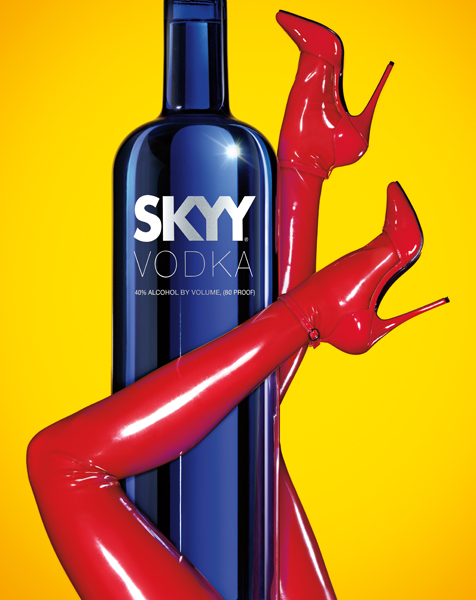
Sky Vodka - Sexy Brand

Why are visually appealing products rare which make purchasing it a delight and worth talking about? Common sense dictates that product design should be attractive – perhaps possess sex appeal if the brand behind its product(s) seeks to make a sales impact. Although beauty is subjective, there are common standards of attractive packaging, which are smart and demonstrate the intrinsic value of the product’s attributes.

However, many will agree that smart design looks timeless, expresses character and is visually seductive.

Barring lingerie labels such Victoria’s Secret (now defunct) or Agent Provocateur – which in and of themselves will ooze with sexiness, most other brands and their products from non-seductive sectors can still create and possess a sense of styling along with desire.

A brand that caters to all the senses, begins with an appealing brand identity, followed by creative industrial design of its products – which are complemented with a positive customer experience in every touch point.

Artfully articulating what your brand and offering represent

Adding personality to objects and human interaction are quintessential to customer envy and desire.

There are brands that design and churn sensuous looking products. However, there is one that most will agree is top of mind for the refined consumer electronics market –- Apple. It’s all about the appealing logo, the attractively designed and “feel good” products, the alluring packaging, the intriguing ads, and the overall positive customer experience at their retail level, Needless to say, it’s a contemporary brand that undoubtedly gets it. It’s no wonder it created a strong following, or as marketing maven Seth Godin would describe as a “tribe.”

When consumers are delighted by a particular brand experience, they begin to bond emotionally with the brand. They become brand loyalists and advocates – buying into the brand repeatedly and recommending it to others. This behavior serves to build the brand’s image and reputation.

Product design is key to a great brand. Design is the elemental differentiator with competitors. Allure builds the emotional bond and turns owners into enthusiasts.

“It’s all about integrating design and brand,” says Joe Doucet, founder of Joe Doucet Studio.

We need to cease thinking of them as different disciplines. The essence of the Apple brand comes through its design. Take the logo off a BMW and you still know it’s a BMW.”

Design also needs to be part of the strategic plan from the start, embraced by the CEO and across the Board.

A brand is not your logo or ID system,” says Robert Brunner, founder of the design shop Ammunition and author of ‘Do You Matter: How Great Design Will Make People Love Your Company.’

It’s a gut feeling people have about you. When two or more people have the same feeling, you have a brand. You get that feeling via smart design, which creates the experiences people have with the brand. Everything you do creates the brand experience; ergo design is your brand.

The holistic approach to customer attraction and retention

Consumers today are more brand conscience, yet there are companies which continue to spend money advertising and selling product rather than brand. They place emphasis on price and quality as differentiators despite these two being overused by many copycats. Successful brands take a holistic approach to selling by exploiting the 5 senses which now constitute the brand. This is accomplished by what I regard as “ambiance marketing” and “sensory/sensorial branding”, through a captivating designed setting, yet alluring. This adds character and invites clients to truly feel the brand experience.

To put the aforementioned into perspective, consider the following:

  • Visual – lighting, décor, colors, layout…you can get a real sense of movement using these elements.
  • Auditory – music, effects, volume, vibrations…you set the tone and the energy of the room with your sonic selections.
  • Tactile – textures, comfort, climate…this is all about how your guests interact with the environment.  This is a big thing to consider when you are designing the layout.
  • Olfactory  fragrance, emotion, ambiance…this sense is under-rated and powerful. Of all our senses, the sense of smell is most closely linked to emotion and memory. You can use something as simple as burning incense or candles to something far more complex like computer controlled scent machines to enhance your environment. This could just be the extra touch needed to set the mood.
  • Gustative – with food establishments, the challenge is in finding the perfect balance between sour, salty, sweet, and bitter during menu designs and beverage selections.  The presentation also makes an impact on the overall image.

Creativity, quality, storytelling and above all, customer experience

Standard products and mundane user experiences don’t offer compelling reasons for consumers to do business with certain brands. If a business can’t articulate its USP (unique selling proposition) ‒ as to why anyone should do business with your brand, your product and/or service merely becomes a “commodity” whose price will be the sole determinant in any transaction.  Being formidable and considered top of mind in your B2C sector requires a philosophy – a certain culture which will develop a following by consumers who share your values.

Quality materials, assembly and final product look increase a company’s competitiveness. The quality of a product may be defined as “its ability to fulfil the customer’s needs and expectations”. If the characteristics and specifications of a brand’s product line are equal or superior to its competitors, along with a fair price-value equation, the brand will turn out to be a preferred choice.

Storytelling, on the other hand, builds relationships by the stories that are well told. Stories add personality and authenticity to products which customers can better relate to and feel affinity with. Luxury brands tend to boast their pedigree since their discerning clientele desire a deeper level of involvement and understanding of the history and heritage of the brand when it comes to their luxury purchase. This is referred to as “experiential luxury.”

It is essential that the sales professional be product proficient and adept at assisting and guiding the client to the purchase making use of flattery, romance and showmanship. To illustrate, when selling a niche automobile such as a Porsche, the sales consultant can talk about racetracks, describe road-holding capabilities, build-up a fascinating story – after which time he/she can bring-up reliability and the technical details which confirm to the discerning client what he/she is already aware of.

When consumers are delighted by a particular brand experience, they begin to bond emotionally with it. They become brand loyalists and advocates – purchasing the brand more often and recommending it to others. This behavior serves to build the brand’s reputation.

Be first, different & daring – above all, visually stimulating

Plan and execute flawlessly the following to differentiate and develop into, as well as remain an enviable brand through artistic design and function:

–       The brand logo and company presentations should possess flair, consistency and be memorable;

–       Focus on a specific target audience/niche market rather than divert to several markets or the general population;

–       Innovative and “feel good” product design (both visually and tactile): Get inspired by designs from Philippe StarckPininfarinaPorsche Design and Bang & Olufsen. Architecture by Frank Gehry and the late Zaha Hadid and automobile design trends by Audi, Tesla, and in the last few years, Hyundai with its entire model makeup. Kohler Group doesn’t simply design functional bathroom and kitchen sinks and faucets, but rather bold designs and technology to an otherwise lackluster plumbing product sector.

Perhaps product customization and personalization should be available as an additional offering.

–       As for service related domains, place emphasis on employee attitude/personality, empowerment, constant training, effortless accessibility for your clients, flexibility when solving issues and presentations with style, as well as finesse. Each and every customer should be treated with personal care – a sign of individuality;

–       The Total Customer Experience: Be easy to do business with – accessible – at every stage of a transaction from initial contact/pre-sale, during the sale and post-sale (follow-through and customer service). Zappos, Nordstrom, Ritz-Carlton Hotels and American Express (to name some of the finest examples) are renowned for their obsession with customer service and total customer experience;

–       Soothing sounds and striking visuals: Consider sound branding complimented with refined standout visuals (audio, images and video). Surround your brand and its products/services with fashion, beauty, design and attractive models – without any marks of tackiness;

–       Packaging design should be visually appealing, distinctive, tastefully decorated, and equally inviting to open.

–       Sponsor, collaborate and/or associate with a fashion related brand and/or the arts. Both brands can benefit from combined exposure (PR and advertising). Luxury goods brands such as Versace, Bulgari and Fendi have teamed up with property developers to offer upscale designer hotels. Their trademark at hotel properties, in a select number of affluent cities worldwide, offers their loyal clients something new to get excited about.  It’s a collaboration which celebrates a shared fondness in design and luxury experiences.

–       Create and own a captivating name and category for your product or product line. Luxottica, is the world’s largest eyewear company, controlling over 80% of the world’s major eyewear brands (eye glasses and prescription frames) including Ray-Ban and Oakley sunglasses, along with Chanel, Prada and many other designer labels. It re-invented eyewear which were once considered a “medical device” and developed them into a fashion statement. They no longer label their products as “glasses” but as “eyewear” and “face jewellery” (for a lack of a better term/descriptive);

–       Marketing collateral and ads should be: (i) slick, (ii) minimalistic, (iii) emotional, (iv) portray a lifestyle, and (v) apply the “less is more” mantra. Arouse curiosity. Effective marketing campaigns should also include elements of: Imagination, Mystery and Memory;

–       Be a visionary and innovate – anticipate what your sector will look like in 3-5 years and begin to plant the seeds/strategize in a timely manner. Avoid complacency. Blackberry is an excellent case study exemplifying what they should have done a few years ago to remain relevant amongst iPhone and the Android platform smartphones.

Lessons from luxury brands: creating a lifestyle brand through emotional attachment

Brand loyalty is about building an emotional, and in some cases, irrational, attachment in a product. The most ideal example is when thousands of people line-up, regardless of weather conditions, to get their hands on the latest iPhone or iPad. This happens because Apple has built an emotional attachment to their products by creating a lifestyle choice rather than a product purchase.

It’s about how it makes you feel. Same goes for baby boomers, whether accountants or attorneys or business executives who purchase a Harley Davidson motorcycle and ride them for about four or five hours every Sunday afternoon. The bike makes them feel like a rebel – sort of an escape.

A brand that is designed for a lifestyle should have a much higher emotional value to consumers than one based on features like cost or benefits alone. The goal of a lifestyle brand is to become a way that people can utilize it to relate to one another. Those brands are an attempt to sell an identity, or an image, rather than a product and what it actually does.

Lifestyle brands have gained an increased share of the luxury market including prominent brands such as BMW (ultimate driving experience), W Hotels (avant garde designer hotels for a younger audience, along with whatever you want, whenever you want it, as long as it’s not illegal), Louis Vuitton (prestige and opulence), Rolex (representing the pinnacle of achievement; fulfilling and perfection in one’s life) and Aston Martin (power, beauty, soul and heritage). Those brands have given way to consumers to buy their products that they associate with a “luxurious life.” They are essentially a status symbol.

Hermes Equestrian Fashion Photo

The final take: Elegant & intelligent design

Beauty and design in all things is artistic, engaging, stimulating and creates a sense of comfort. It’s also a very personal thing. Creativity is beauty in art form. It starts from nothing, utilizes mind exploitation, imagination then something awe inspiring is produced which stimulates the mind and senses. The approach to creativity is the way an artist might stand before a new canvas, on which a beautiful painting can be crafted. Staff who work in a creative environment should be given plenty of leeway to utilize their full potential – the freedom to flourish. Not doing so limits their artistic talent and deprives the company from taking a leap at the competition. Apple has successfully unleashed the talent from their product engineers by creating a non-stifling work environment. As for architects and industrial designers, they should definitely possess the talent and imagination to create and turn extraordinary drawings into reality.

Brand loyalty is about building an emotional, and in some cases, irrational, attachment in a product. When Apple releases a new consumer electronic device, people line-up, regardless of weather conditions, to get their hands on the latest iPhone or iPad. This is a result of Apple constantly building an emotional attachment to its products by managing the total user experience.

“Total customer experience” is not an option but rather compulsory as part of an alluring brand. It takes savvy planning, execution and perpetual refinements to stand above the crowd. It’s how you get noticed and remain relevant. Luxury brand desirability is driven by standout design, craftsmanship, as well as what is felt.

It takes vision, creativity and intuition, along with unflagging discipline and a sense of style, to keep a consumer focused company relevant and its products on everyone’s must-have lists. No brand should be complacent.

______________________________________________________________

Request your TWO FREE chapters of this popular book with no obligation.

EntrepreneurialEssentials - FrontCover Final

Leave a comment

Filed under 1, Branding, branding not products, Business, cult branding, customer engagement, customer experience, lifestyle marketing, marketing strategy, niche marketing, sexy advertising, Sexy branding, sexy brands, sexy marketing, sexy products, total customer experience

This Blog’s Top 10 Most Read Articles of 2019

Top 10 - image

Once again, the ten most read/popular articles have been rounded-up — this time for 2019.

Thank you for your readership and much success to you this year.

Much success this year and beyond.

_____________________________________________________

Request your TWO FREE chapters of this popular book with no obligation.

EntrepreneurialEssentials - FrontCover Final


Leave a comment

Filed under 1, Branding, Business, Marketing, top 10 business articles

Brands and Social Media: Avoiding the Usual Blunders

By James D. Roumeliotis

Image result for brands and social media

Add to FacebookAdd to DiggAdd to Del.icio.usAdd to StumbleuponAdd to RedditAdd to BlinklistAdd to TwitterAdd to TechnoratiAdd to Yahoo BuzzAdd to Newsvine


Branding should be the set of expectations and relationships, that as a sum, are on a consumer’s top of mind, which in turn choose one product or service over another. Therefore, to be clear, contrary to misleading beliefs, a brand is not merely the recognition of a logo, design or packaging.

Social media is, on the other hand, defined as “web-based communication tools that enable people to interact with each other by both sharing and consuming information.” In this digital age and with a plethora of wireless devices, businesses ought to be present online and interacting with its intended audience — if it is to build its brand, as well as grow its crowd of loyalists.

When the brand utilizes social media strategically and wisely, the results will yield a tremendous amount of sharing and community involvement. This requires a coordinated marketing effort on behalf of the brand which is intended to bolster information and sentiments about the product or service through at least one social media platform such as Facebook, Instagram and Twitter.

Most importantly, social media postings and campaigns should be well focused, have measurable outcomes and are directed at influencing their targeted audience to act and/or feel in a specific way.

Legacy brands vs Newcomer brands

Legacy brands such as in Mercedes, Gillette, Pepsi, Marriot have their disruptive “Newcomer” brands which compete in the same category such Tesla, Harry’s, Red Bull and Airbnb (among others) respectively.

Brand equity erosion is hitting the traditional as today’s consumers, especially the younger demographic such as the Millennials, are seeking practicality and functionality along with companies which share their values, offer some form of advocacy and interact genuinely with them.

Legacy brands communicate with consumers through traditional media, whereas the Newcomer and agile brands are more often discovered via social media and direct word of mouth. That is where most of their target audience spend their time and interact these days. This will most certainly remain that way for some time.

Purchase brands and digital brands

According to branding expert, Mark Bonchek, with some exceptions, the “Traditional brands are ‘Purchase’ brands and Digita’ brands are ‘usage’ brands.”  In his B2C study and article in “Branding Strategy Insider”, Mark states that “Purchase brands focus on the “moments of truth” that happen before the transaction, such as researching, shopping, and buying the product. By contrast, usage brands focus on the moments of truth that happen after the transaction, whether in delivery, service, education, or sharing.” He further states, “The benefits of shifting from purchase to usage are reinforced by our research. Survey respondents show more loyalty to usage brands. They had stronger advocacy in the form of spontaneous recommendations to others. And they showed a higher preference for usage brands over competitors, not just in making the purchase but in a willingness to pay a premium in price. On average, the usage brands were willing to pay a 7% premium, were 8% less likely to switch, and were more than twice as likely to make a spontaneous recommendation of the brand.”

Brands do not mean much unless the company serves a larger, holistic purpose for the environment, health, and other societal issues important to consumers. Thus, as a behemoth food processor in the age of healthier consumer offerings, Kraft-Heinz and many other such food giants will remain in strife, unless they change their ways in a timely manner.

The takeaway

Contemporary marketers are effective due to their evolving tactics which keep pace with societal and consumer changing demands. Newcomer brands and established ones, which are agile and savvy to progress, do not offer fluff in order to create value. They have the foresight and insight to know what to offer in terms of a product or service with value-add and how to best communicate it. This includes an effective narrative and a lifestyle around their offerings. In other words, more than just an appliance and/or a facility. Digital marketing is where all the marketing action lies at this day and age. Legacy brands, please take note. Either you focus on traditional marketing and branding tactics, whose effectiveness is dissipating, or evolve into a digital brand by switching your positioning on the lives of your customers.

Add to FacebookAdd to DiggAdd to Del.icio.usAdd to StumbleuponAdd to RedditAdd to BlinklistAdd to TwitterAdd to TechnoratiAdd to Yahoo BuzzAdd to Newsvine

_______________________________________

Request your TWO FREE chapters of this popular book with no obligation.

EntrepreneurialEssentials - FrontCover Final

Leave a comment

Filed under 1, Branding, Business, small business branding, social media, total customer experience, viral campaigns

The Formidable Company: How to make your business highly competitive

by James D. Roumeliotis
Going against your competition — especially a large and established one is not a wise approach. Being nimble, positioning your product to a new and uncontested target market, and offering a delightful experience (rather than focusing on price alone) are the tactics to apply in avoiding competition.

Kindly click the image for the details.

How to Beat the Competition Presentation Image

Click image to view slides/pages.

Add to FacebookAdd to DiggAdd to Del.icio.usAdd to StumbleuponAdd to RedditAdd to BlinklistAdd to TwitterAdd to TechnoratiAdd to Yahoo BuzzAdd to Newsvine

____________________________________________________

Request your TWO FREE chapters of this popular book with no obligation.

EntrepreneurialEssentials - FrontCover Final

Leave a comment

Filed under 1, blue ocean strategy, Business, competition, Marketing, marketing strategy

Food Distribution Guy interviews James Roumeliotis from Artizan Fine Foods

Sharing an interview podcast I recently had, conducted by a food marketing expert on how I launched Artizan Fine Foods with my partner and what differentiates our products.

Add to FacebookAdd to DiggAdd to Del.icio.usAdd to StumbleuponAdd to RedditAdd to BlinklistAdd to TwitterAdd to TechnoratiAdd to Yahoo BuzzAdd to Newsvine


James and Manny - Ogilvy-Holt Renfrew - May 2017.jpg

Leave a comment

Filed under 1, Branding, Business, competition, entrepreneur, entrepreneurship, entrepreneurship success, Food business, Food entrepreneurship, food marketing, Food production business

Brand Experience, Not Product Branding: Cutting Through the Clutter

by James D. Roumeliotis

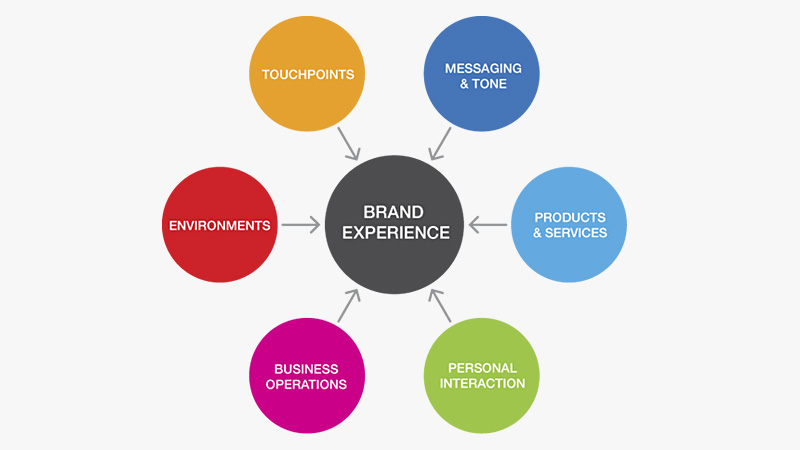
Brand Experience

Add to FacebookAdd to DiggAdd to Del.icio.usAdd to StumbleuponAdd to RedditAdd to BlinklistAdd to TwitterAdd to TechnoratiAdd to Yahoo BuzzAdd to Newsvine

Products in the same class-categories struggle to differentiate themselves. Consumers often take brands for granted. Purchases are not so much conscious brand selection as choice by default. The two following examples highlight this. Going out for coffee in North America usually dictates a visit to Starbucks. When sparkling water is ordered at a restaurant, Perrier appears almost by magic.

The age of the internet has made copying competitors’ products, marketing strategies, and overall business practices to name a few. It’s not enough to merely compete at a product and pricing level which doesn’t take long to be outdone. Anyone can lower prices. What begs the question is where you draw the line before your profit margins are eroded to the point of no return and many ramifications for a business. Savvy marketers look beyond pricing and product features. Instead, they search for sustained ways to market their brand rather than their product.

“Branding” redefined for the new era

 To begin with, a “Brand” is a promise of something that will be delivered by a business. This promise comes in a form of quality, an experience and a certain expectation in the mind of the consumer. It includes the Unique Selling Proposition (USP). Marketing, on the other hand, is about spreading compelling messages to your target audience while branding is a combination of words and action. Marketing is extroverted and communicates quickly, while branding is introverted and a slow process if it’s to produce any real impact. Effective marketing activities are vital in developing a brand. When combined successfully, branding and marketing create and promote value, trust, loyalty and confidence in a company’s image, products and services.

When consumers are delighted by a particular brand experience, they begin to bond emotionally with the brand. They become brand loyalists and advocates – buying the brand more often and recommending it to others. This behavior serves to build the brand’s reputation.

A branding strategy should consist of:

  • Brand Positioning – Position is a descriptive sentence, slogan or image the brand is known for in the mind of the consumer and which the company delivers on it consistently. This is what sets the product or service apart from competitors.
  • Brand Identity – This is every visual expression of the brand, whether in print, television, digital or the iconic (Pullman) brown color identifying the trucks and delivery staff of the UPS courier company.
  • Brand Experience – Generally speaking, brands that are designed for a lifestyle should have a much higher emotional value to consumers than ones based on features like cost or benefits alone.
  • Storytelling – Brands build relationships by the stories they tell. Stories add personality to products which customers can better relate to and feel affinity with. Luxury brands boast their pedigree.
  • Engaging with your target audience – this is conducted through social media and asking for feedback. Simply put, engaged customers help you build your business.

The holistic selling proposition

Consumers today are more brand conscience, yet there are companies which continue to spend money advertising and selling product rather than brand. They place emphasis on price and quality as differentiators despite these two being overused by many copycats. Successful brands take a holistic approach to selling by exploiting the 5 senses which now constitute the brand. This is accomplished by what I regard as “ambiance marketing” and “sensory/sensorial branding”, through a captivating designed setting, yet alluring. This adds character and invites clients to truly feel the brand experience.

To put the aforementioned into perspective, consider the following:

  • Visual – lighting, décor, colors, layout…you can get a real sense of movement using these elements.
  • Auditory – music, effects, volume, vibrations…you set the tone and the energy of the room with your sonic selections.
  • Tactile textures, comfort, climate…this is all about how your guests interact with the environment.  This is a big thing to consider when you are designing the layout.
  • Olfactory fragrance, emotion, ambiance…this sense is under-rated and powerful. Of all our senses, the sense of smell is most closely linked to emotion and memory. You can use something as simple as burning incense or candles to something far more complex like computer controlled scent machines to enhance your environment. This could just be the extra touch needed to set the mood.
  • Gustative – with food establishments, the challenge is in finding the perfect balance between sour, salty, sweet, and bitter during menu designs and beverage selections.  The presentation also makes an impact on the overall image.

Customer Experience equals customer abbreviation

Developing the customer relationship through customer experiences

The Total Customer Experience is the sum total of the interactions that a customer has with a company’s products, people, and processes. It goes from the moment when customers see an ad to the moment when they accept delivery of a product and beyond.

According to Bain & Company, a leading management consultancy firm, out of 362 leading companies surveyed, 80% believe they deliver a superior customer experience, but only 8% of their customers agree.

The experiences customers go through with your business determine the ultimate perception of your brand and image. Customer experiences also spread the word (offline/online) to others (friends, relatives etc.) about your brand/image. That said, each customer contact (“touch points”) should be handled with the utmost care to ensure that the total brand experience a person has is constant. This requires proper training and occasionally evaluating employee performance. Moreover, improvements may be necessary with systems, technology, methods, services, products and even physical premises. Complacency should be replaced with continuous improvement.

Creating a lifestyle brand through emotional attachment

Brand loyalty is about building an emotional, and in some cases, irrational, attachment in a product. The most ideal example is when thousands of people line-up, regardless of weather conditions, to get their hands on the latest iPhone or iPad. This happens because Apple has built an emotional attachment to their products by creating a lifestyle choice rather than a product purchase.

It’s about how it makes you feel. Same goes for baby boomers, whether accountants or attorneys or business executives who purchase a Harley Davidson motorcycle and ride them for about four or five hours every Sunday afternoon. The bike makes them feel like a rebel – sort of an escape.

A brand that is designed for a lifestyle should have a much higher emotional value to consumers than one based on features like cost or benefits alone. The goal of a lifestyle brand is to become a way that people can utilize it to relate to one another. Those brands are an attempt to sell an identity, or an image, rather than a product and what it actually does.

Lifestyle brands have gained an increased share of the luxury market such as BMW, Armani, W Hotels, Louis Vuitton and Rolex ‒ just to name a few. These have given way to consumers to buy products that they associate with a “luxurious life.” They are essentially a status symbol.

B2B branding differentiation

Consumers are attracted to brands’ nonsensical benefits such as status, affinity, self-comfort and prestige, whereas, Business-to-Business (B2B) customers make their purchase decisions based on practical rationale including pricing, product performance and specifications, Moreover, brand loyalty in the B2B sector is higher than in consumer goods markets because companies in the commercial and industrial segments seek satisfying and long term relationships since jumping from supplier to supplier can cause havoc and inconsistencies with product quality control. Consequently, developing brand loyalty among enterprise customers can capture a larger share can increase profit margins while protecting them against lower-priced competitors.

The final take

The key to success is to market your brand, not your product. Contrary to popular belief, a brand is not a logo, label or product but rather a relationship with your customers. Branding positively adds value to your company including brand equity. This is considered intangible brand value.

A company can define itself as a lifestyle brand when its products promote a more than a product with key benefits and attributes. Note however that lifestyle branding is more than just promoting “a way of life.” It is a product or service that provides consumers with an emotional attachment to the lifestyle of the brand.

One way to overcome the ‘price only’ differentiation, which erodes profits and does not generate loyalty, is for a company to consider building a lifelong relationship with each customer. To do so, requires that each customer enjoys a positive and hassle-free transaction with each touch point. The goal is also to reduce or eliminate customer problems altogether, but that begins prior to and during the first contact with the customer. All problems should be documented, reviewed and corrected without much delay. Hiring the right people is vital, so is training them properly, as well as empowering them to deliver a remarkable customer experience.

When promoting brands, consider that earned media trumps paid media and enhances the brand image. With adverts, consumers don’t care what marketers say. According to a 2015 Nielsen Group report, “False” is the term 89% of consumers closely associated with advertising campaigns.

Whether a product or service ‒ is a luxury brand or falls into another category, it is how you stand out from the crowd that distinguishes you. Know your target audience, get inside their heads and understand how they think and feel. What are their fears, emotions and anxieties? Once you’ve understood this quite well, you then manage the brand consistently.

Add to FacebookAdd to DiggAdd to Del.icio.usAdd to StumbleuponAdd to RedditAdd to BlinklistAdd to TwitterAdd to TechnoratiAdd to Yahoo BuzzAdd to Newsvine

______________________________________________________

Request your TWO FREE chapters of this popular book with no obligation.

EntrepreneurialEssentials - FrontCover Final

Leave a comment

Filed under 1, brand equity, brand positioning, Branding, branding not products, Business, marketing strategy

Adding Personality to a Dull Product Through Clever and Humorous Ads

By James D. Roumeliotis

Poo Pourri Ad Image

Add to FacebookAdd to DiggAdd to Del.icio.usAdd to StumbleuponAdd to RedditAdd to BlinklistAdd to TwitterAdd to TechnoratiAdd to Yahoo BuzzAdd to Newsvine

Let’s be candid: not many of us pay much attention to advertising for life insurance, bathroom tissue or medical devices. What’s there to be excited about? Adding a dose of personality with humor may create attention for those types of products which we would not otherwise have given them much attention — especially among a plethora of advertising. This also applies to generic products such as soap and bottled water.

Not every product or service brand is stimulating

Not every brand is as exciting such as Victoria Secret, Porsche or Apple. Many brands, it turns out, are simply staid, generic or both. However, the creative ones have put much thought into developing content which captures attention. This would come in a form of either:

– a humorous type ad;

– an emotional style ad which results in becoming remarkable and memorable; or,

– embodies a certain lifestyle which most in the target market would be able to relate to as their own;

– it turns out good enough that many of us would share the advertisements with others (as I am doing in this article).

Cases in point worth noting: clever ad campaigns

Below are examples of products and services which can stir emotions – whether arousing, dramatic or amusing.

Zyppah (snoring device)

Zyppah (“Happy Z” spelled backwards) is an oral sleeping device which claims to eliminate snoring. It doesn’t sound or look like a sensuous device, so the brand decided to develop a clever advertising campaign by creating a character – a spokesperson of sorts with a thick New York City accent, named “Jimmy.” The results can be watched and heard below.

https://www.youtube.com/watch?v=mZBiPxn-haA

https://www.youtube.com/watch?v=nWHIkX7_mHY

Poo-Pourri (a fragrance brand that develops and markets deodorizing toilet sprays)

 Suzy Batiz had an obsession with getting rid of “poop odor” to the brink that for nine months she relentlessly worked on developing an oil-based spray you put on the surface of toilet water before you go. It worked! Her claim is that her product, named Poo-Pourri, has a unique oil which “…creates a layer, and whenever the poo goes in, it actually encapsulates it, it sort of ‘wraps’ the odor.” Truth be told, bathroom products are not the most thrilling to market, let alone such a spray to diminish poo smell – or so you thought. By taking a taboo subject and adding humour and surprise, Suzy Batiz and her marketing creatives, decided to add a dose of bliss to the video ad by featuring an elegant, well-dressed woman with a British accent and revealing her grief of trying to disguise unpleasant bathroom aromas. The ‘Girls Don’t Poop’ initial ad campaign quickly went viral gathering over 6 million views and 278,000 shares in its first week. Here is the video link: https://youtu.be/ZKLnhuzh9uY

Big Lou/Term Provider (life insurance broker)

Life insurance, for many, is a morbid product which needs to be sold rather than bought by most on – and if so, on their own initiative. Therefore, how does a prominent term life insurance brokerage firm start a conversation and promote its intangible products which only beneficiaries can eventually claim its proceeds? Term Provider, the actual name of a term life provider decided to add a pun by branding it with a catchy name – Big Lou – as if its owner is obese and nicknamed Lou is in Louis. We are not certain if the founder/owner of this agency is actually overweight as he claims, as we do not get to see him in his ads. His ads, link below, are for the most part, aired on CNN satellite (think Sirius XM) radio.

https://biglou.com/commercials/

Eyelab (Optometry examination facility in South Africa)

This ad campaign was created in a form of print advertisement by Canvas in South Africa for Eyelab, to promote its professional services. The one below insinuates that this attractive lady needs to have her eyes examined since she appears to have chosen an incompatible and geeky looking man as her mate. In reality, her choice can be quite subjective and a personal choice of hers without any of us being too judgemental. Needless to say, it is eye examination promotional content with a different twist.

http://adsoftheworld.com/media/print/eyelab_couple_1

Optometrist Funny Ad

Bling H2O (luxurious) water

How about branding water and putting the world’s most expensive price tag on it predominantly by visual appeal and perception? That’s just what its founder and president, Kevin G. Boyd, did for Bling H2O which he labels it as “luxury” and charges about $44 per bottle. He has accomplished this through a clever marketing strategy such as:

– focusing on distribution of limited editions;

– creating a fancy glass water bottle to add cachet;

– conveying a glamorous story with his marketing messages;

– has celebrities sipping his water and as a result, gaining massive publicity.

AAA

Virgin America and Air New Zealand (airline safety instruction videos)

In less than two weeks following its release online, Virgin America managed to get almost 6 million people to watch their safety video without even stepping foot on the plane.

https://www.youtube.com/watch?v=DtyfiPIHsIg

Air New Zealand created something a little different and entertaining for their safety instructional video by celebrating the third and final film in The Hobbit Trilogy – The Hobbit: The Battle of the Five Armies.

https://www.youtube.com/watch?v=qOw44VFNk8Y

In the final analysis

Although many products or services such as bottled water, insurance and banking services are not exciting on their own, it doesn’t mean they should remain dull. They still do have the potential to be branded with charm, emotion, sex appeal, or yet attributed to a certain lifestyle. A good sense of humor also comes a long way – provided that creative campaigns can be produced with unique and passionate content worth talking about and sharing.

Positioning the brand is another way to differentiate any generic product. It’s what you create in your target customer’s mind, along with the benefits you want him or her to think of when he or she thinks of your brand.

Add to FacebookAdd to DiggAdd to Del.icio.usAdd to StumbleuponAdd to RedditAdd to BlinklistAdd to TwitterAdd to TechnoratiAdd to Yahoo BuzzAdd to Newsvine

_______________________________

Request your TWO FREE chapters of this popular book with no obligation.

Leave a comment

Filed under 1, brand positioning, Branding, branding not products, Business, customer engagement, Marketing, sexy advertising

The Art of Sparking Emotions: Building Desire for Your Brand

By James D. Roumeliotis

Couple in Love

Add to FacebookAdd to DiggAdd to Del.icio.usAdd to StumbleuponAdd to RedditAdd to BlinklistAdd to TwitterAdd to TechnoratiAdd to Yahoo BuzzAdd to Newsvine

Whether offering products or services, a business is expected to create connections and engage in conversations with its prospective clients ─ but equally important, with its existing clienteles. While these connections might come in the form of attractive print ads, or utilizing social media/digital platforms, or even face-to-face interactions at various touch points, they should all be tailored to initiate meaningful conversations between brand and consumer. Conversations that can achieve sales targets along with obsessive fan followings which ultimately boost the popularity of the brand.

Customer engagement: the essentials

More than 20 years ago, a popular method for companies to obtain sales was to utilize a sales force and apply pressure tactics. Some companies used the telephone as their tool of choice for cold calling. This was a typical marketing and sales approach. Sales staff where trained in persuasion and closing techniques including answering the most popular objections. This is what is known as a “push” strategy. Today, customer engagement works in reverse. It is the customer, whether an end-user or a business, who decides if and when to communicate with a company. The typical contemporary consumer has the power of the internet and word of mouth in determining great deals and which brands they should be transacting with. Moreover, on the consumer side, there are countries with strict national regulations concerning telephone solicitation. This has had companies scrambling to stay relevant with the times and is considered a “pull” strategy. There is also a refined marketing method known as Permission Marketing” (opposite of interruption marketing) which was coined by marketing maven Seth Godin. As a result, marketers have been adjusting their strategies and integrating them with online and offline marketing activities, along with a laser focused approach with their specific audience. This has resulted in deep customer engagement.

Customer engagement is not a single outcome ─ it is an ongoing dialogue. They have come to expect more personalized interaction, customized solutions, timely results and most certainly a “bang for their buck.” This requires brands to be customer centric ─ with everyone in the organization on-board, in addition to being well versed in the digital age. This includes blogging, Twittering, Instagram posting and viral marketing among others. One other notable trend is towards widespread audio and video production and communication. From podcasting to mobile video, audio and video is predominating in our digital world.

Push vs. Pull marketing

Push marketing and pull marketing are different yet complementary marketing methods for promoting a business – most notably online.

Push marketing is more traditional methods of advertising – essentially, you are pushing your message to your audience, regardless of whether they want to receive your message or not. Push marketing focuses on product features and awaits the audience to respond. Examples of push marketing include email marketing, website advertising, and cold calling.

Pull marketing is more proactive, pulling the customers toward your brand/product with targeted messages they care about. Pull marketing is all about brand building. Examples of pull marketing include media interviews, public speaking, and word of mouth advertising.

The holistic approach

Consumers today are more brand conscience, better informed and with more options. Despite this, there are companies which continue to spend money advertising and selling product rather than brand. They place emphasis on price and quality as differentiators despite these two being overused by many copycats. Successful brands take a holistic approach to selling by exploiting the five human senses which now constitute the brand. This is accomplished by what I regard as “ambiance marketing” and “sensory/sensorial branding”, through a captivating designed setting, yet alluring. This adds character and invites clients to truly feel the brand experience.

The five senses, when applied toward the customer, are regarded as follows:

  • Visual – lighting, decor, colors, layout…you can get a real sense of movement using these elements.
  • Auditory – music, effects, volume, vibrations…you set the tone and the energy of the room with your sonic selections.
  • Tactile – textures, comfort, climate…this is all about how your guests interact with the environment.  This is a big thing to consider when you are designing the layout.
  • Olfactory – fragrance, emotion, ambiance…this sense is under-rated and powerful. Of all our senses, the sense of smell is most closely linked to emotion and memory. You can use something as simple as burning incense or candles to something far more complex like computer controlled scent machines to enhance your environment. This could just be the extra touch needed to set the mood.
  • Gustative – with food establishments, the challenge is in finding the perfect balance between sour, salty, sweet, and bitter during menu designs and beverage selections.  The presentation also makes an impact on the overall image.

Storytelling along with the total customer experience

Standard products and mundane user experiences don’t offer compelling reasons for consumers to do business with certain brands. If a business can’t articulate its USP (unique selling proposition) ‒ as to why anyone should do business with your brand, your product and/or service merely becomes a “commodity” whose price will be the sole determinant in any transaction.  Being formidable and considered top of mind in your B2C sector requires a philosophy – a certain culture which will develop a following by consumers who share your values.

Quality materials, assembly and final product look increase a company’s competitiveness. The quality of a product may be defined as “its ability to fulfil the customer’s needs and expectations”. If the characteristics and specifications of a brand’s product line are equal or superior to its competitors, along with a fair price-value equation, the brand will turn out to be a preferred choice.

Storytelling, on the other hand, builds relationships by the stories that are well told. Stories add personality and authenticity to products which customers can better relate to and feel affinity with. Luxury brands tend to boast their pedigree since their discerning clientele desire a deeper level of involvement and understanding of the history and heritage of the brand when it comes to their luxury purchase. This is referred to as “experiential luxury.”

It is essential that the sales professional be product proficient and adept at assisting and guiding the client to the purchase making use of flattery, romance and showmanship. To illustrate, when selling a niche automobile such as a Porsche, the sales consultant can talk about racetracks, describe road-holding capabilities, build-up a fascinating story – after which time he/she can bring-up reliability and the technical details which confirm to the discerning client what he/she is already aware of.

When consumers are delighted by a particular brand experience, they begin to bond emotionally with it. They become brand loyalists and advocates – purchasing the brand more often and recommending it to others. This behavior serves to build the brand’s reputation.

In the end

With a plethora of marketing noise, differentiation in the delivery of non-evasive communication, personalized service and focus in niche markets will be the determining core value equation for success in attracting and retaining clients.

When consumers are treated with honesty and delighted by a particular brand experience, they begin to bond emotionally with the brand. They become brand loyalists and advocates – buying the brand more often and recommending it to others. This behavior serves to build the brand’s reputation. This approach is priceless –even though it may take longer to take positive effect.

Add to FacebookAdd to DiggAdd to Del.icio.usAdd to StumbleuponAdd to RedditAdd to BlinklistAdd to TwitterAdd to TechnoratiAdd to Yahoo BuzzAdd to Newsvine

___________________________________________

Request your TWO FREE chapters of this popular book with no obligation.
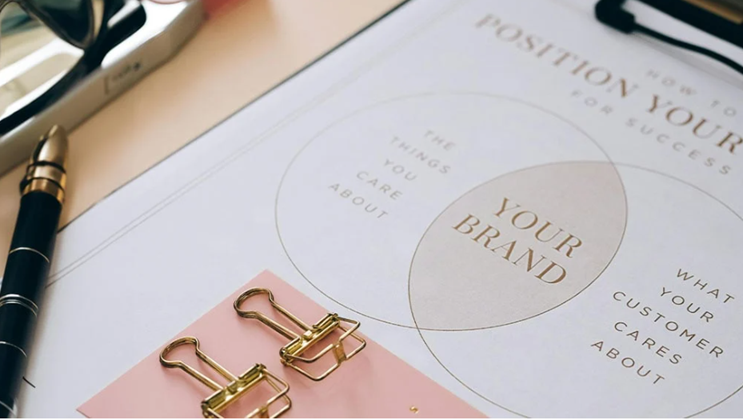
 

Leave a comment

Filed under Business, business development, Business success, customer engagement, customer experience, customer service, Marketing, pull marketing, push marketing, sales strategies, sensuous brands, sensuous products, total customer experience