Category Archives: luxury lifestyle

Why the Rich Are Spending Less on Luxury Goods and More on Experiences

James D. Roumeliotis

Luxury isn’t what it used to be. Not long ago, status was all about owning the car, the watch, the bag, the brand. But today, the most affluent consumers, the very ones who used to drive sales for high-end fashion and luxury goods, are spending differently. They’re shifting their money away from objects and toward experiences. So, why is this happening and what can entrepreneurs, especially those in lifestyle, hospitality, and premium services can learn from this transformation.

The End of “Status by Possession”

For decades, brands like Louis Vuitton, Chanel, and Rolex defined what it meant to “make it.”
But after the pandemic and the digital shift, priorities changed.

Affluent consumers began asking:

“Do I really need another handbag or do I want to see the Northern Lights before I turn 50?”

Ownership no longer equals prestige: experience does.

According to Bain & Company, spending on experiential luxury, such as travel, dining, and bespoke services, has now surpassed physical luxury goods.

Luxury is no longer about showing off wealth.
It’s about feeling alive.

The Experience Economy Takes Over

We’ve entered what economists call the Experience Economy.

Here’s what that means:
People, especially the wealthy, don’t just want products, they want stories, emotions, and transformation.

Think of Four Seasons and Aman Resorts. They’re not just hotels; they curate emotions.
A weekend there isn’t about checking into a suite: it’s about disconnecting from chaos and reconnecting with self.

Or look at Singita, a luxury safari brand in Africa.
Guests don’t come for just wildlife.
They come for conservation, sustainability, and impact — experiences that make them feel part of something meaningful.

The wealthy no longer collect things — they collect moments.

Examples of Luxury Experience Brands Winning

Let’s look at some examples of this trend in action:

  1. Belmond Trains & Hotels – Their Venice Simplon-Orient-Express offers the romance of old-world travel: crystal glasses, tuxedoed waiters, and breathtaking routes. It’s nostalgia and escapism rolled into one.
    People pay thousands not for speed, but for sentiment.
  2. Six Senses Resorts: They blend wellness, sustainability, and ultra-luxury. Guests participate in holistic programs — from sound healing to sleep optimization — because luxury now means well-being.
  3. Airbnb Luxe & Private Retreats: High-end travelers are choosing private villas with curated experiences including personal chefs, local guides, and private yoga.
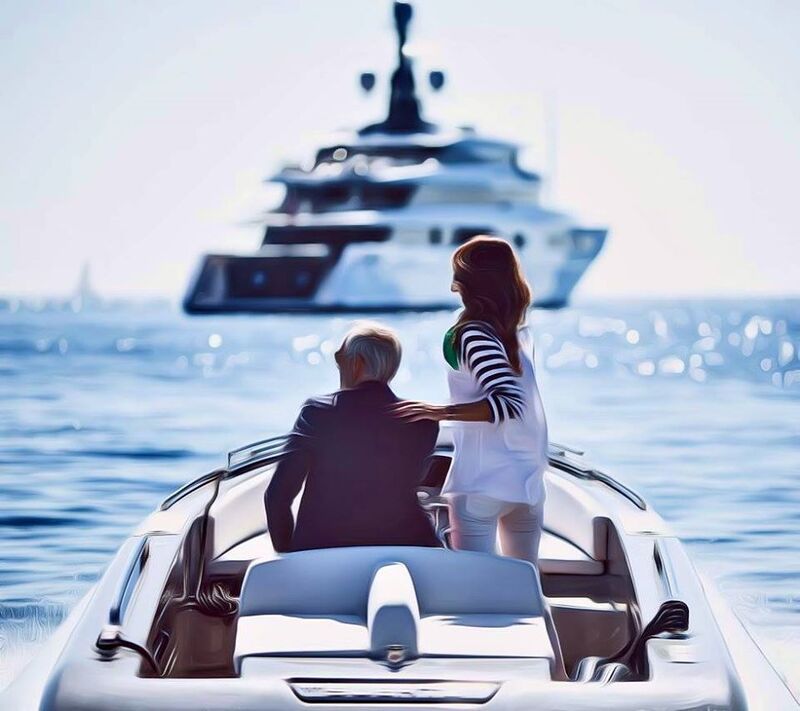
  4. Private Culinary Experiences: Instead of fine dining at Michelin restaurants, some consumers now hire world-class chefs for private in-home dinners or yacht events.
    The exclusivity is in the access, not the address.

These examples show one thing: The new definition of luxury is personalization, privacy, and purpose.

The Psychology Behind the Shift

Why are affluent consumers making this change? It’s psychological and generational.

Millennials and Gen Z, who now make up a growing share of high-net-worth spenders, value meaning and memory over materialism.

They’re digital natives constantly surrounded by content.
So, showing luxury online isn’t as valuable as feeling it firsthand.

They also prioritize sustainability and social impact.
Owning yet another designer piece feels indulgent but experiencing a conservation safari in Botswana or supporting artisans in Italy feels purposeful.

And let’s not forget: after years of uncertainty, people crave connections with others, with nature, with themselves. Experiences offer that emotional payoff that products simply can’t.

How Entrepreneurs Can Leverage This Shift

If you’re an entrepreneur — this trend is full of opportunity.

Here’s how you can position your business to attract affluent clients looking for experience-based luxury.

  1. Sell Emotion, Not Product
    Whether you run a spa, boutique hotel, or travel agency — market the feeling, not the thing.
    Don’t say “5-star villa.” Say “A place where mornings start with silence and the scent of olive trees.”
  2. Personalize Everything
    Affluent consumers expect tailored experiences.
    From custom menus to itinerary design — personalization is no longer a perk, it’s the product.
  3. Curate Partnerships
    Collaborate with local artisans, chefs, or wellness experts.
    Luxury clients love authenticity — real people and real stories.
  4. Focus on Sustainability
    Responsible luxury is the new gold standard.
    Eco-conscious design, ethical sourcing, and carbon-neutral travel are not just buzzwords they’re expectations.

The Future of Luxury

Luxury brands are realizing that the future isn’t about bigger logos — it’s about deeper meaning.

That’s why LVMH and Kering have invested in hospitality and experiences — from Cheval Blanc hotels to wellness retreats and cultural ventures.

Because the next generation of affluent consumers isn’t saying,

“I want to own more.”
They’re saying,
“I want to feel more.”

In summary

So, as we move into this new era of experiential luxury, remember this: Status symbols fade. Memories don’t. If you’re building a brand, think beyond the sale — think about how your product or service makes people feel. That’s where true value lives.

______________________________________________

Visit my business SAVVYPRENEURSHIP channel for a presentation of this article and many other business related subjects.

https://www.youtube.com/@Savvypreneurship

Leave a comment

Filed under luxury lifestyle, luxury storytelling, selling luxury

Exclusivity Sells: How Luxury Brands Create Demand Through Artificial Scarcity

James D. Roumeliotis

You’d think that having the money is enough to buy a Rolex Daytona, a Hermès Birkin, or a Ferrari SF90. But here’s the twist…you often can’t. Not because they’re sold out…but because these brands don’t want everyone to own them. In this episode, I’m breaking down the snob appeal strategy used by elite luxury brands—what it is, how it works, and the pros and cons of using exclusivity and controlled scarcity as a business tactic.

What Is Snob Appeal in Business?

Snob appeal is the marketing strategy that targets customers who want to stand out by being part of an exclusive group. It’s not just about quality—it’s about status, social separation, and psychological elevation.

Brands using snob appeal don’t sell to the masses. In fact, they often make it harder to buy their most iconic products.

It’s about access, not just affordability.

Ferrari – You Don’t Choose the Car, the Brand Chooses You

Ferrari is the ultimate example. Even if you’re ready to drop half a million dollars on a limited edition model like the LaFerrari Aperta, you likely won’t be allowed to buy one—unless you already own multiple Ferraris and are in the company’s “inner circle.”

They maintain a buyer list. The rarer the car, the more selective they are.

And if you resell your Ferrari too soon, you risk being blacklisted.

They control who can represent the brand on the street. That’s powerful. It turns their buyers into ambassadors, not just customers.

Hermès – The Art of Not Selling You the Birkin

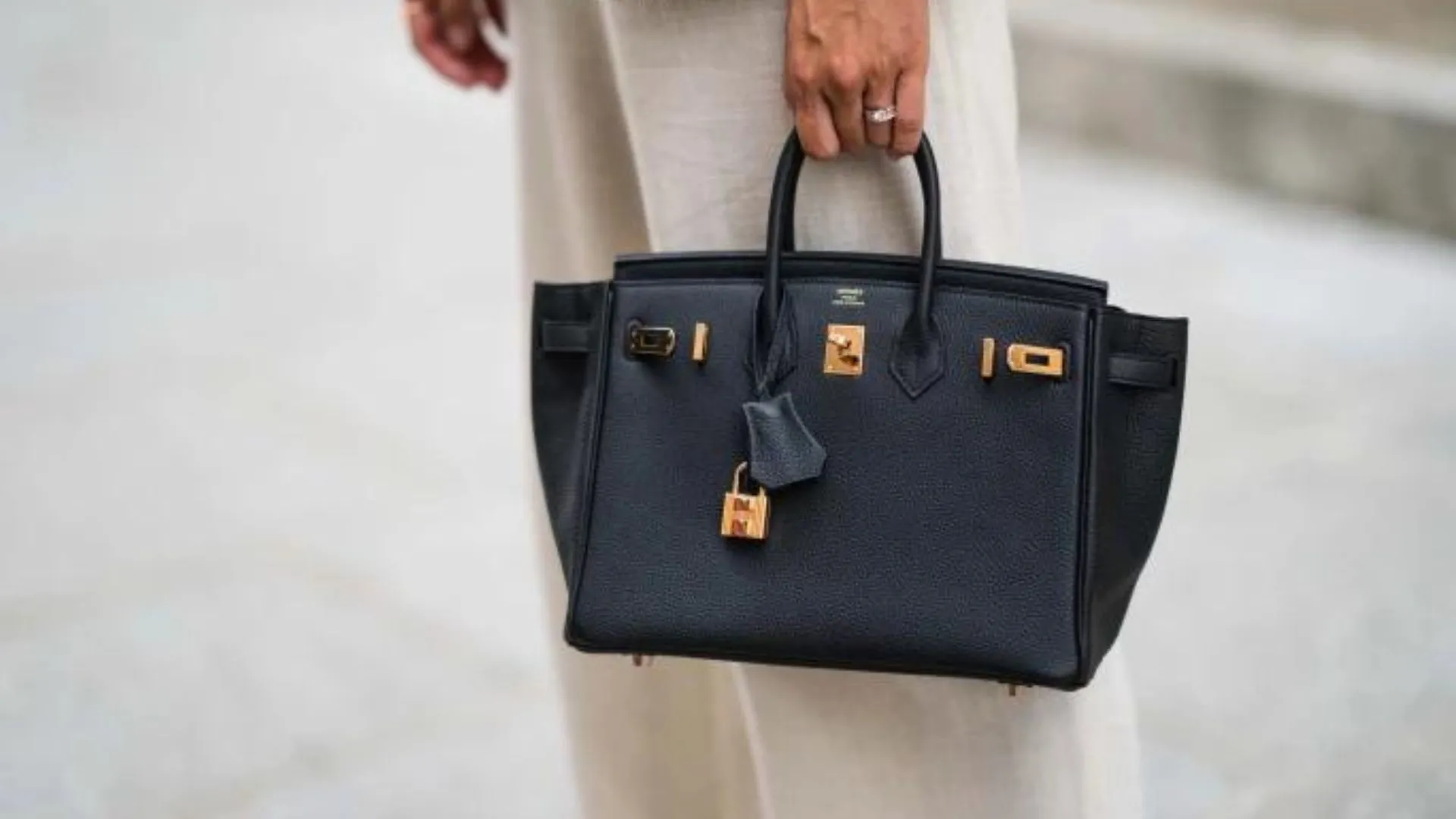
The Hermès Birkin Bag—perhaps the most famous example of intentional scarcity.

You can’t just walk into a store and buy one. Even if you have $15,000 in hand, the answer is often: “We don’t have any available.”

To get offered a Birkin, you must:

  • Build a purchase history over months or years.
  • Befriend a sales associate.
  • Buy other items like scarves, belts, or ready-to-wear to show loyalty.

Hermès isn’t selling bags. They’re selling status, access, and mystique. Every Birkin sighting becomes a symbol of achievement.

Rolex – Waitlists That Work

Rolex is a master of controlled scarcity. While their production is massive, supply of key models—like the Daytona or Submariner “Hulk”—is intentionally limited at authorized dealers.

The result? Year-long waitlists, secondhand markups, and a sense that getting one is a privilege, not a purchase.

Rolex never publicly says a model is rare. They let the market frenzy do the talking. That’s elite brand control.


Other Brands Doing It Right

  • Supreme drops limited collections in minutes—using scarcity for hype.
  • Rimowa x Off-White sold out in seconds, not because of function, but because of exclusivity signaling.
  • Patek Philippe limits its Grand Complications to ultra-high-net-worth clients with generational relationships.

Across fashion, tech, and automotive industries, the message is the same: if it’s hard to get, it’s worth more.

Pros and Cons of Snob Appeal Tactics

Pros:

  • Elevates brand status instantly
  • Creates desire before supply
  • Builds extreme customer loyalty
  • Turns customers into status symbols themselves

Cons:

  • Alienates new customers
  • Can backfire as elitist or manipulative
  • Requires tight control over distribution and messaging
  • Can create gray market resellers, eroding authenticity

It’s a balancing act. Go too far, and you risk being seen as arrogant. Stay too accessible, and you lose the cache.

Business Lessons from Luxury Scarcity

So, what can you take from this, even if you’re not selling $300,000 sports cars or $20,000 handbags?

Here are three key lessons:

  1. Exclusivity builds value – Not everything needs to be mass-market.
  2. Make your customers earn it – Loyalty programs, application-only access, and tiered services increase commitment.
  3. Mystique matters – Don’t over-explain. Part of the magic is not knowing everything.

In a world flooded with choices, the brands that say “no” the most powerfully are often the ones customers say yes to the loudest.

In Closing

Whether you’re building a startup, a luxury label, or a premium service, think like Hermès or Ferrari…make your brand aspirational, not just available.

______________________________________________

Visit my business SAVVYPRENEURSHIP channel and if you like the content, kindly subscribe to help me grow the channel.

https://www.youtube.com/@Savvypreneurship

Leave a comment

Filed under 1, Business, Luxury, luxury branding, luxury lifestyle, luxury storytelling, selling luxury, what is luxury

The Psychology Behind Luxury Purchases

By James D. Roumeliotis

Have you ever wondered why people spend thousands of dollars on a handbag, a watch, or even a bottle of water? What drives consumers to choose luxury brands over regular alternatives, even when the quality difference isn’t always obvious? In this article, I dive deep into the mindset of luxury consumers, why they spend, and how luxury brands keep them coming back for more.

The Psychology of Luxury Consumers

Luxury isn’t just about high prices—it’s about psychology. People don’t just buy luxury products; they buy status, exclusivity, and experience.

1. Status & Social Prestige

  • Many consumers buy luxury items to signal success, wealth, and social standing.
  • It’s the reason people are willing to spend $10,000 on a Rolex when a $200 watch tells the same time.

Example:
Think about the Hermès Birkin bag—some people wait years just to get one! Owning one isn’t just about carrying a handbag; it’s about signaling exclusivity and success.

2. Emotional & Psychological Satisfaction

  • Luxury purchases often trigger dopamine release, making people feel powerful, accomplished, or even happier.
  • Some buyers justify luxury spending as a reward for their hard work or achievements.

Example:
Many professionals celebrate milestones with a luxury car, a designer bag, or a fine watch. It’s not just a purchase—it’s a personal symbol of success.

3. The Scarcity & Exclusivity Effect

  • Limited editions and high demand/low supply create a sense of urgency.
  • Luxury brands intentionally restrict availability to increase desirability.

Example:
The Lamborghini Aventador SVJ had only 900 units worldwide. This scarcity makes it a collector’s item, increasing its value over time.

Who Are Luxury Consumers?

Not all luxury buyers are the same. Let’s break down the different types of luxury consumers!

1. The “Old Money” Elite

  • These are generational wealth holders who have been buying luxury for decades.
  • They value heritage brands like Patek Philippe, Rolls-Royce, and Chanel.
  • They seek timeless elegance over trendy fashion.

Example:
If you see someone wearing a Patek Philippe watch, they probably aren’t trying to show off—it’s simply part of their lifestyle.

2. The Aspirational Consumer

  • These are middle-class or young professionals who save up to buy their first luxury item.
  • They often buy entry-level luxury like Louis Vuitton bags, Gucci belts, or Cartier bracelets.
  • For them, it’s about feeling a sense of achievement.

Example:
A young professional buying their first Rolex Submariner is making a statement—they’ve “made it.

3. The Hype-Driven Luxury Shopper

  • These are younger consumers influenced by social media, influencers, and celebrity culture.
  • They go for limited edition streetwear, designer sneakers, and collaborations.
  • They see luxury as a way to gain social status online.

Example:
The Supreme x Louis Vuitton collection sold out in seconds because hype culture made it a must-have.

4. The Quiet Luxury Buyer

  • This consumer prefers understated, logo-free luxury.
  • They buy brands like Brunello Cucinelli, Loro Piana, and The Row that emphasize craftsmanship over branding.

Example:
A tech entrepreneur might wear a $5,000 Loro Piana cashmere sweater, but you wouldn’t know unless you recognize the brand.

How Luxury Brands Influence Consumer Behavior

Luxury brands don’t just sell products—they sell a dream, an identity, and an experience. Here’s how they do it!

1. Mastering the Art of Storytelling

  • Luxury brands craft compelling brand histories to make their products more desirable.
  • They highlight heritage, craftsmanship, and exclusivity.

Example:
Rolex promotes its watches as part of history—worn by explorers, astronauts, and world leaders.

2. High Prices Create High Perceived Value

  • Luxury brands rarely discount their products.
  • A higher price makes consumers feel they’re buying something rare and superior.

Example:
Would a $100 Hermès scarf feel as luxurious if it cost $25? Probably not!

3. VIP Treatment & Customer Experience

  • Luxury stores create personalized shopping experiences—champagne, private showings, and concierge services.
  • This makes customers feel valued and special.

Example:
At Dior’s flagship boutiques, VIP clients get private lounges, one-on-one stylists, and exclusive pre-orders.

What Businesses Can Learn from Luxury Brands

Host:
Now, how can YOU apply these luxury branding strategies to your business—even if you’re not selling luxury products?

1. Focus on Brand Storytelling

Every brand needs a story. Find your unique brand identity and make it part of your marketing.

Example:
Chanel is a prime example of a luxury brand that excels in storytelling. The brand weaves the legacy of its founder, Coco Chanel.

2. Create a Premium Experience

Even if you’re a small business, offering exceptional service can make your brand feel premium.

Example:
High-end restaurants don’t just serve food—they deliver an unforgettable dining experience.

3. Leverage Scarcity & Exclusivity

People value what’s rare. Consider using limited releases or VIP access to create demand.

Example:
Apple’s exclusive pre-orders and limited colors make every new iPhone feel special.

Final Thoughts

Let’s do a quick recap!

Luxury is about status, emotion, and exclusivity
Different types of luxury consumers exist—from old money to hype-driven buyers
Luxury brands influence behavior through pricing, storytelling, and VIP treatment
Any business can apply luxury strategies—through branding, premium experiences, and scarcity

______________________________________________________

Visit my business SAVVYPRENEURSHIP channel and if you like the content, kindly subscribe to help me grow the channel.

https://www.youtube.com/@Savvypreneurship

Leave a comment

Filed under 1, luxury branding, luxury e-commerce, luxury lifestyle, luxury online sales, luxury storytelling, selling luxury, what is luxury

The Art of Exclusivity: How Luxury Brands Create Desire

By James D. Roumeliotis

Luxury brands aren’t just selling products; they’re selling dreams, status, and exclusivity. To maintain this aura, they employ clever tactics that go beyond simple supply and demand. Let’s look at two key strategies: artificial scarcity and selective selling.

Artificial Scarcity

Artificial scarcity is when brands deliberately limit the availability of their products, even when they could produce more. This creates a perception of rarity and increases desire.

Examples:

  1. Hermès Birkin Bags
    Hermès is the master of artificial scarcity. They’ve made their Birkin bags so elusive that:
    • You can’t simply walk into a store and buy one
    • There’s a mysterious waiting list
    • The company claims they don’t know when new stock will arrive

This strategy has turned the Birkin bag into a status symbol, with some models selling for over $300,000 in the resale market.

  • Rolex Watches
    Rolex limits the production of their most popular models, like the Daytona and Submariner. This creates long waiting lists and drives up prices in the secondary market.
  • Supreme
    This streetwear brand releases limited quantities of products once a week. Their items often sell out in minutes, creating a frenzy among fans.

Selective Selling

Some luxury brands go a step further by only selling their top-tier products to clients with a substantial purchase history. This practice:

  • Rewards loyal customers
  • Creates an air of exclusivity
  • Encourages more spending to reach the “inner circle”

Examples:

  1. Ferrari
    This illustrious brand is notorious for its selective selling practices. To buy their most exclusive models, like the LaFerrari:
    • You need a history of Ferrari ownership
    • You must be invited by the company
    • Sometimes, you need to own multiple Ferraris

The retired comedian and avid car collector, Jay Leno, was once asked why he refuses to purchase a new Ferrari and he responded by saying that the Ferrari dealership experience is like visiting a dominatrix.

  1. Hermès (again)
    To be offered a Birkin or Kelly bag, clients often need to:
    • Build a relationship with a sales associate
    • Have a significant purchase history with the brand

Why Do Luxury Brands Use These Tactics?

  1. Maintain Exclusivity: By limiting access, brands preserve their exclusive image.
  2. Create Desire: Scarcity makes products more desirable. As the saying goes, “We want what we can’t have”.
  3. Control Brand Image: By choosing who can buy their products, brands can ensure their items are associated with the “right” people.
  4. Drive Up Prices: Scarcity allows brands to charge premium prices and resist discounting.
  5. Generate Buzz: Limited availability creates talking points and free publicity.
  6. Encourage Loyalty: The promise of access to exclusive products keeps customers coming back.

How These Tactics Benefit Luxury Brands

  1. Higher Profit Margins: Scarcity justifies higher prices, leading to better profits.
  2. Brand Value Preservation: By avoiding oversaturation, brands maintain their prestige.
  3. Customer Lifetime Value: Selective selling encourages repeated, high-value purchases.
  4. Secondary Market Control: Scarcity drives up resale prices, indirectly benefiting the brand’s perceived value.
  5. Marketing Efficiency: The mystique created reduces the need for traditional advertising.

Conclusion

While the tactics used by luxury brands might seem frustrating to consumers, they’re incredibly effective for the brands. By masterfully manipulating supply and access, these companies create an aura of exclusivity that keeps their products highly desirable and valuable.

However, it’s worth noting that this strategy isn’t without risks. Brands must balance exclusivity with accessibility to avoid alienating potential customers or creating too much frustration. For entrepreneurs, there are valuable lessons here about creating perceived value, managing supply, and building customer loyalty. While most businesses can’t adopt these exact tactics, understanding the psychology behind them can inform your own marketing and sales strategies.

_____________________________________

Visit my business SAVVYPRENEURSHIP channel and if you like the content, kindly subscribe to help me grow the channel.

https://www.youtube.com/@Savvypreneurship

Leave a comment

Filed under 1, Artificial scarcity, Luxury, luxury branding, luxury lifestyle, luxury storytelling, selling luxury, super luxury cars

The Best Strategy For a Luxury Business to Attract and Sell to the 1% ─ Also Known As The Ultra-High Net Worth Individuals

James D. Roumeliotis

Attracting and selling to the ultra-high net worth individuals (UHNWIs), often referred to as the 1%, requires a strategic and personalized approach given their distinct preferences, expectations, and purchasing behaviors. Here are some effective strategies for a luxury business targeting this exclusive market:

  1. Personalization and Customization:
    • UHNWIs appreciate personalized and bespoke experiences. Tailor your products and services to meet individual preferences and offer exclusive customization options.
  2. Exclusivity and Limited Editions:
    • Create limited edition products or services that are exclusive to UHNWIs. Limited availability enhances the allure of your brand and products.
  3. VIP Services and Privileges:
    • Offer VIP services such as priority access, private viewings, and exclusive events. UHNWIs value unique experiences and providing them with privileged treatment enhances their connection to your brand.
  4. Private Consultations:
    • Provide private consultations or concierge services where UHNWIs can receive personalized attention and guidance. This can include private shopping experiences or dedicated advisors.
  5. Exceptional Quality and Craftsmanship:
    • UHNWIs seek the highest quality and craftsmanship. Ensure that your products or services are of unparalleled quality, using the finest materials and skilled artisans.
  6. Brand Heritage and Legacy:
    • Highlight your brand’s heritage and legacy. UHNWIs often appreciate the history and traditions associated with luxury brands.
  7. Collaborations with Influencers:
    • Partner with influential personalities or celebrities who resonate with the tastes and lifestyles of UHNWIs. Their endorsement can enhance your brand’s desirability.
  8. Exclusive Membership Programs:
    • Introduce exclusive membership programs that offer unique benefits, such as access to limited editions, private events, and personalized services.
  9. Art and Cultural Connections:
    • Align your brand with art, culture, and philanthropy. UHNWIs often have a keen interest in supporting and engaging with cultural and charitable initiatives.
  10. Digital Presence with Discretion:
    • Maintain a sophisticated and discreet digital presence. UHNWIs value privacy, so ensure that your online interactions and communications respect their need for confidentiality.
  11. White Glove Service:
    • Implement a white glove service approach, going above and beyond to meet the expectations of UHNWIs. This includes seamless and personalized customer service.
  12. Networking Opportunities:
    • Create exclusive networking events where UHNWIs can connect with like-minded individuals. Building a community around your brand enhances its appeal.
  13. Tailored Marketing and Communication:
    • Craft marketing messages and communication materials that resonate with the aspirations and lifestyle of UHNWIs. Use high-end publications and targeted platforms.
  14. Innovative Technology Integration:
    • Incorporate innovative technologies or cutting-edge features into your products or services to demonstrate a commitment to staying at the forefront of luxury trends.

In the end, building trust, maintaining discretion, and consistently delivering exceptional experiences are key elements in attracting and retaining UHNWIs. It’s not just about selling a product; it’s about creating a lifestyle and a sense of exclusivity that aligns with their values and aspirations.

____________________________________________________ 

Request your TWO FREE chapters of this popular book with no obligation.

EntrepreneurialEssentials - FrontCover Final

Leave a comment

Filed under 1, Luxury, luxury branding, luxury lifestyle, luxury storytelling, selling luxury, what is luxury

The Top 10 Most Read Articles in this Blog for 2020

Top 10 Articles of 2017 - Training Industry

To begin the new year, I have once again rounded up the ten most read/popular articles — this time for  2020. The following ten captured the most attention by numbers and from 152 countries in all. See them all below! 

Your views are always encouraged including subject matter you think I should be covering more of.

THANK YOU for your readership and I look forward to feeding your mind with additional practical business food for thought this year which can be applied for timely results.

1] Start-up Essentials: A Universal Roadmap for Starting a Business — Infographic

2] The Luxury Brand Ranking and Consumer Accessibility Pyramid: What It Takes to Move Up

3] Why do Rolex Watches Retain Their Value? Quality, Savvy Marketing and Cache are the Core Motives

4] The Notorious Cruise Industry: A Glorified and Reckless Offshore Business

5] Sex and Sensuality in Advertising: Why it is effective and how to refine it

6] What Products and Services Must Do to Flourish: Increasing the Odds at Profiting in a Competitive Market

7] Exceeding the Hotel Guest Experience: Anticipating and Executing Desires Flawlessly

8] Enticing the Luxury Home Buyer Through a Holistic Marketing and Sales Approach

9] The Art of Selling Luxury Products: Brand Story Telling & Persuasion

10] The Ultra Luxury Purveyors: Lessons from brands catering to the wealthiest one percent

__________________________

Request your TWO FREE chapters of this popular book with no obligation.

EntrepreneurialEssentials - FrontCover Final

Leave a comment

Filed under 1, cruise liners, cruise ship industry, description of luxury, luxury lifestyle, luxury storytelling, mass affluent, selling luxury, sensuality in advertising, sex in advertising, sexy advertising, Sexy branding, sexy brands, small business branding, stimulating brands, what is luxury

Lifestyle Branding: Engagement and the Total Experience

By James D. Roumeliotis

How Is Technology Helping Fashion Lifestyle Brands Connect To Their Human  Side

When you visit your local Porsche dealership be prepared to engage. Staff will talk to you about the total experience. This will invariably include discussing the firm’s racing pedigree and performance. In your
mind, you will be able to feel the steering wheel, smell the leather seats, and hear the roar of the engine. This car represents to you an exclusive club and you desire to be part of the privileged few. The brand also added its own private race tracks in several parts of the world for its customers to have exhilarating moments testing various models. Clearly, one does not buy a Porsche simply to go from point A to point B. In practice, you might use this care to commute to work, but this is not the incentive to purchase a piece of automobile and racing history.

Porsche is clearly a brand with authenticity and heritage. The principles shaping the consumer’s buying behavior go beyond intention. There is a sense of engagement in fulfilling a dream. It can be to make
a social status statement or a personal style choice. Whatever it is, it is not an unconscious choice. The codifiers are clear: This is who I am, and what I believe in. Ultimately, it can also articulate your sense of
self-worth and your emotional aspirations.

The most important emotional benefit in my view is that a product of this caliber and class expresses itself when the consumer can declare, “It suits my lifestyle.”

Lifestyle Brands Matter
Not every brand is a lifestyle brand regardless of whether it strives to portray itself as such. A company can define itself as a lifestyle brand when its products promote more than a product with key benefits and
attributes. Note however that lifestyle branding is more than just promoting “a way of life”. It is a product or service that provides consumers with an emotional attachment to the lifestyle of the brand. Think of Ralph Lauren and you can readily see it is not about the clothes. It becomes an attachment like Porsche to an exclusive club in which you can be a member through emotional identification through use of the products in question.

Savvy companies understand these principles and look to keep the customer engaged. By doing so, they clearly forge the sort of long term relationships, which become the envy of their designated sector. Financial benefits clearly follow, but the raison d’être of the firm must back up its promotion for this to work effectively. One reason so many firms want to enter the lifestyle arena is profitability and high profit margins. Established brands can tap economies of scale when they launch new products at a cheaper cost to the firm. Surplus revenue can then be channeled into extensive advertising and promotion costs.

Building a Lifestyle Brand
Generally speaking, a brand that is designed for the lifestyle segment should have more emotional value to consumers. Features, cost, and benefits do play a role but by themselves they would be insignificant. There are companies that become a lifestyle brand by tying their product ranges to a distinctive culture or group. Marketing guru, Seth Godin labels this with the key word as a “tribe”. A classic case is Harley Davidson, who sells branded merchandise to customers whether or not they own one of the firm’s motorcycles. Other key lifestyle brands include Nike, Wholefoods, Red Bull, Hackett, Hermes, and Louis Vuitton among others.

In the electronics and computer industries, it is uncommon to have lifestyle products. However, Apple has broken this “glass ceiling” by its unconventionality with products which come with its seamless eco-system. Even its ubiquitous white headphones have become a fashion accessory and, some would even argue, a status symbol. The people who follow Apple and its “lifestyle” are clearly all obsessed in a way that the firm intended when it embarked on this well-thought-through strategy.

Lifestyle brands have clearly impacted on luxury brand management. The usual suspects such as BMW, Armani, W Hotels, and Rolex — just to name a few, have fostered commitment and loyalty with their promotional campaigns. These have given consumers an “associate” status with all that is glamorous. Just think of Daniel Craig and James Bond. Sales at Omega thrive on this “Bond engagement”.

The methods to reach a target audience require an integrated marketing/communication strategy. They clearly require taking into consideration and harmonizing the following aspects:
• Experiential Marketing;
• Grassroots marketing;
• Promotional tours;
• Sponsorship of lifestyle events;
• Lifestyle marketing on the Web: think Facebook;
• Viral video marketing;
• Social media/networking (blogs, chat rooms & message boards);
• “Interactive” is key;
• Mobile phone media, text messaging & applications.

Not Every Brand Can be a “Lifestyle”
New research from Kellogg at Northwestern finds that the strategy of traditional brands to reposition themselves as a “lifestyle” brand may fail. The reason is not rocket science: they simply fail to “bond” with
their customer base. “The open vistas of lifestyle branding are an illusion,” said Alexander Chernev, lead author of the study and Associate Professor of Marketing at Kellogg. “By switching to lifestyle positioning, brands might be trading the traditional in-category competition for even fiercer cross-category competition. Now they have to compete not only with their direct rivals but also with brands from unrelated categories.”

The study reveals how brands serve as a means of self-expression along with the limitations of expressing a consumer’s identity through brands. Moreover, the study uncovers customers’ desire for self-expression through brands is finite.

Why Do Some Lifestyle Brands Become A Way Of Life?Fabrik Brands
Credit: Fabrik Brands

In Perspective
Forward-thinking brands are those which will continue to develop creative ideas and solutions that will allow people to interact with each other and explore, as well as share creative opportunities. Moreover,
those same brands will make it a strategic priority to add pleasure into the lives of their consumers.

To be sure, there are many excellent examples of lifestyle branding. Just examine the “hotel as lifestyle” creator, Ian Schrager. Since the 1970’s, as an entrepreneur, Chairman and Chief Executive Officer of
Ian Schrager Company, he has achieved international recognition for concepts that have revolutionized both the entertainment and hospitality industries.

His passionate commitment to the modern lifestyle has been expressed through a series of pioneering concepts:
The hotel is no longer just a place to sleep. It is portrayed as your home away from home. This allows hotels to act like theater. Think of the boutique hotel or “cheap chic”, “lobby socializing”, the resort, or the spa.

His keen instincts for the mood and feel of popular culture were honed during the 1970s and 1980s, when he and his late business partner, Steve Rubell, created Studio 54 and Palladium. In 1984, they turned their attention to Morgan’s Hotel and introduced the concept of “boutique hotel” to the world, which is today one the hottest segments in hospitality.

The goal of a lifestyle brand is to get people to relate to one another through a “concept brand.” These brands successfully sell identity, image and status rather than a “product-service” in the traditional meaning of
the term.

If they are successful in capturing their audience, then they become legends in their own right. If you examine the published photographic testament to “Il Pelicano” in Tuscany you will understand perfectly the meaning of the lifestyle branding spirit.

________________________________________________________________________

Request your TWO FREE chapters of this popular book with no obligation.

EntrepreneurialEssentials - FrontCover Final

Leave a comment

Filed under 1, ambiance marketing, brand positioning, cult branding, lifestyle branding, lifestyle marketing, luxury lifestyle

The Ultra Luxury Purveyors: Lessons from brands catering to the wealthiest one percent

by James D. Roumeliotis

Luxury Couple - Private Jet

Add to FacebookAdd to DiggAdd to Del.icio.usAdd to StumbleuponAdd to RedditAdd to BlinklistAdd to TwitterAdd to TechnoratiAdd to Yahoo BuzzAdd to Newsvine

Several years ago, I had the privilege of working on-board the 147m/482 ft Saudi Royal family yacht the “Prince Abdul Aziz.” It was a first-hand experience with the wealthy 1% and was quite an eye-opener.  A typical day with its owners consisted of shopping at Gucci, LV, Hermes and Bulgari when we made port regardless of location in the Western Mediterranean region. The 25K euro daily average shopping splurge prompted the support staff to purchase large suitcases or trunks to be used as temporary storage. Not surprisingly, given the situation among visiting VIPs and royalty, this was the norm.

Given my professional métier in luxury brand management, I realized that this target audience belonged to a category distinct from any other which are labelled as the One Percenters.

The frequent conspicuous consumption was considered a normal occurrence for the Royalty and its VIP guests as were the elaborate prepared meals devoured that would make the mainstream cringe.

Who on earth are the one percenters?

Along with Sheikhs and Princes, HNWI (High Net Worth Individuals) are considered, by luxury marketers, as the elite segment of the market. According to the Capgemini Wealth Management World’s Wealth Report 2021, it defines HNWIs as those who possess at least US$1 million in financial assets. On the other hand, there are the ultra-HNWIs or UHNWI as those who hold at least US$30 million in financial assets, with both excluding collectibles, consumables, consumer durables and primary residences. The report states that following a robust growth of 8.3% in 2010, the global population of HNWIs grew marginally by 0.8% to 11.0 million in 2011. Most of the growth can be attributed to HNWIs in the US$1 million to US $5 million wealth band that represent 90% of the global HNWI population. The top three countries, U.S, Japan and Germany, retained 53.3% of the total share of HNWIs

Clearly, One Percenters have different expectations and experiences than the rest of us. Here are just a few of this target audience’s distinguishing traits:

–       They are better educated;

–       Have traveled more (and continue to do so);

–       Own one or more successful business and/or inherited their wealth;

–       Possess investments mainly in real estate, stocks and bonds;

–       Are avid connoisseurs of the fine arts/cultural events and vintage/wines;

–       Own top quality merchandise: elaborate homes, exotic cars, bespoke attire, as well as seek services which cater to their discernment;

–       Have explored plenty more in their lives due to their significant disposable income/wealth.

In a recent American Affluence Research Center report, its founder and researcher, Ron Kurtz recommends that: “Luxury brands and luxury marketers should be focused on the wealthiest one percent because they are the least likely to be cutting back (during tough economic times) and are the most knowledgeable about the price points and brands that are true high-end luxury.”

What do the HNWIs and UHNWIs seek in their lifestyle?

According to the white paper, Strategies for Effectively Marketing to High Net Worth Consumers”, written by Richard Becker (August 2008), High Net Worth Individuals enjoy Golf, tennis and physical fitness ‒ endeavors typically associated with exclusive ‘members only’ clubs.

HNWIs/UHNWIs cherish their time and know what they want. Even time is a luxury and limited resource for them, thus saving time greatly trumps saving money. This is part of the reason service is crucial for them. They can be generally described as:

– Seek a higher and exacting standard with a minimum set of expectations;
– Fussy in nature;
– Often require customized solutions to mirror their lifestyle – whether a product or service;
– Take pleasure on getting extra attention from the brands they pursue;

– Prefer the uncommon to the mundane;
– Expect to be offered unique choices and experiences;
– Synonymous with a taste for luxury with pedigree and craftsmanship which they’re able and willing to pay;
– Aspire an aura of exclusivity;
– Crave an experience heightened by exceptional service along with a personal relationship;
– Seek products which are different and more sophisticated – whether it’s apparel, electronics, food or insurance;
– Want to feel in command of their purchase decision without any pressure;

– Expect discretion and confidentiality – most notably from service providers such as private wealth institutions and concierge services amongst others.

Likewise, what they purchase is a visual extension of their individuality and lifestyle. A well-crafted product, for example, reflects an individual call to beauty.

The preeminent luxury brands remain top of mind with the HNWI/UHNWI

When the premium plumbing brand, The Kohler Company, introduced the ultimate toilet fit for the well-heeled, it developed a contemporary industrial design that would make Apple glow with envy. Numi, as the model was baptized, includes technology and engineering that is unconventional with most toilets as we know them. Its features include, amongst others, ambient lighting, a bidet, foot warmers, a seat warmer, music, lighting, and hands-free flushing – which are all controlled through a remote which, with a press of a button, also lifts and lowers the lid. All this can be had for a mere $6500.

Luxury purveyors who aspire to cater to the top tier of spenders should have a mission, vision and a sound implementation strategy to reach this elite demographic target ‒ short of simultaneously pursuing the aspirational consumers who are prone to cutting back when the economy takes a dive. This latter group of consumers dilutes the cachet of the brand and can turn out less profitable in the long run. Moreover, the HNWI/UHNWI frown upon offerings which are accessible to the mainstream as they desire status and exclusivity.

Products and services should be unique, well designed and packaged, finely crafted ‒ and executed with refinement for the elite. Those are ways to entice the interest of, and ultimately retain, the ultra-wealthy. Products and services should never appear as ordinary yet absolutely personal.

In the luxury sector, traditionally there hasn’t been any shortage of customization for the very well heeled. Exclusive and bespoke travel companies provide tailor made adventures and excursions, whereas, the ultra-luxury and exotic automobile sectors such as Rolls Royce and Ferrari respectively offer a wide array of customization options. Each vehicle coming out of the studio will be completely unique and guided by a personal designer at the manufacturers. This is how ‘the total customer experience’ materializes.

Some of the most prominent companies that cater to the 1% include:

LVMH Moët Hennessy ‒ Louis Vuitton S.A (French conglomerate that owns a legion of luxury brands including Louis Vuitton, Marc Jacobs, Fendi, TAG Heuer, and Dior cosmetics among many others and in various categories), Chanel, Hermes, PPR/Kering (owns controlling shares of Gucci and Yves Saint Laurent, among others), Richemont (owns the prestigious Alfred Dunhill, Cartier and Montblanc brands along with many others), Rolls Royce Motors, Bentley Motors, Bugatti Motors, Rolex, Patek Philippe, Goldman Sachs, Gulfstream, Sotheby’s, Bulgari, Tiffany & Co., and Harry Winston to name a few.

Luxury service brands follow a similar pattern. Consider American Express − most notably for its “by invitation only” Black/Centurion card. For hotels, worthwhile mentions are the Hotel Plaza Athenée, the Four Seasons (including its private jet tours), the Ritz Carlton, and boutique hotels Hotel du Cap and Hotel de Crillon to name a few prominent ones. They splurge and provide the perfect luxury experience with outstanding service, exclusivity, and pedigree.

How the luxury purveyors reach, cater and retain the 1%

Studies over the years have shown that the HNWIs/UHNWIs travel frequently and usually do so on a private jet. It’s also a fact that emerging markets from commodity rich countries such as Brazil, Russia, India and China, have a tremendous amount of new ultra wealthy citizens that can’t be ignored.

Reaching them is not easy. However, following are several approaches the prestigious luxury brands are utilizing.

–       Target them in their gathering places in major cities where most UHNWIs reside – London is such a prominent location;

–       Sponsor and/or advertise where the HNWI/UHNWI meet and play such as prestigious golf clubs, polo events etc. Rolex supports prestigious sporting and cultural events all over the world including tennis, the arts, golf tournaments and yachting.

–       Advertise in private jet terminals worldwide called Fixed Base Operators (FBOs) ‒ facilities that handle non-scheduled flights. One such opportunity is in Davos (Switzerland), towards the end of January, where the World Economic Forum is held. There are also magazines, such as “Privat Air” which are published specifically for private jet travelers. In 2012, there were over six million private jet flights. It is, undoubtedly, a targeted audience where one reaches the ultra-wealthy family together – which may be discussing a product or service you may be offering. Swiss watchmaker Audemars Piguet had several helipads with their logo located on Manhattan’s 34th Street.  The helipads included paintings of their watches which functioned as landing markers.

–       Meet and woo its discerning target customers at high profile industry shows and events. Burgess Yachts, for example, participates at the annual Super Yacht Show in Monaco which draws the well-heeled shopping for a multi-million dollar yacht.

–       Hone in cities where the ultra-wealthy normally visit for the finest luxury shopping experiences – mainly Milan, Paris and London with their shops on prestigious avenues;

–       Are promoters of good taste and the arts which is what the super-rich equally enjoy;

–       Make an effort to approach/communicate with influential members of entourages such as drivers, personal assistants, pilots and bodyguards;

–       Advertise and contribute content in prestigious lifestyle magazines which cater to the ultra-affluent including Amex’s ‘Departures’ magazine, ‘Worth’, ‘Elite Traveler’, ‘Monocle’ and ‘Burgess’ amongst others.

–       It goes without saying that successful brands have an online presence/visibility including a clean looking and engaging website, along with a carefully targeted social media existence to build long term online awareness, loyalty and value for the brand.

Along with what the prestigious brands are doing to attract the top spenders, consider creating an exclusive/”members only” online club/site. Moreover, if you’re offering products, boasting about artistic development by engaging with them and encouraging a visit to your atelier to witness your product being crafted. Videos should also be considered for viewing online.

Research where the wealthy neighborhoods are worldwide by using demographic data.  This information reveals everything from median income and age, educational levels and consumption statistics.  Demographic data also helps improve target marketing and advertising.

Sell a distinct lifestyle which is what discerning clients look for. Be in the forefront of creativity and have all your staff, regardless of department/responsibility, as your brand ambassadors.

Occasionally, organize exclusive “by invitation” events as a patron appreciation gesture. Being invited to an exclusive event makes one feel notable. For example, Italian sports automaker Maserati invited a select number of brand loyalists to a new experience in Europe that gave them the opportunity to sail on-board the 70 ft./21,3 m Maserati sailboat. In addition, they drove models in its current range including the new Maserati Gran Turismo Sport model.

Create/publish an upscale lifestyle magazine, every other month or quarter, which should include noteworthy information on the brand and the arts, as well as the causes it supports – in an environmentally friendly print format, along with a digital version. The Bentley motors magazine is a good case in point. The layout, choice of articles/stories and advertisers reflect the tastes of its existing and potential customers.

Helipad Ads - Luxury watches

Removing some of the guilt of ostentatiousness

Corporate Social Responsibility or CSR, along with sustainability issues, is a trend increasingly practiced in the luxury domain to send a message to their audience that they it cares. This is communicated through sponsorships, advertising, public relations, their websites and other media sources. The message conveyed is to enjoy guilt-free ostentatious purchases where part of the purchase price is donated to a worthwhile cause. Louis Vuitton uses celebrities in its advertising campaigns whose fee goes to charity.

Any business which is willing to get involved in social causes to impress its target market should make a genuine effort genuine, as sophisticated consumers can tell when it doesn’t come across as a genuine effort

Putting it all into perspective

A September 2017 study by the U.S. Federal Reserve reported that the top 1% owned 38.5% of the country’s wealth in 2016. According to a June 2017 report by the Boston Consulting Group, around 70% of the nation’s wealth will be in the hands of millionaires and billionaires by 2023.

Fickle and discriminating, these customers’ purchasing attitudes are based on personal beliefs and taste for finer things in life along with discretion. They are quite selective, know what they want and aspire to be catered to effortlessly. They seek the total customer experience along with pampering, personalized service which can include fashion consultations and exotic journeys. Best of all, they are willing to pay top money for the products and services they want.

An offline strategy requires an equal online presence. This is accomplished by placing stunning imagery, video, engaging content and constant refinements along with savvy Internet marketing to connect the brand with luxury social channels. It’s connecting with its like-minded audience.

Think brand positioning and focus on, as well as cater solely to, your core market rather than be all things to all people. Stay out of the bottom end and aspirational markets and instead, aim at the top end markets.

Add to FacebookAdd to DiggAdd to Del.icio.usAdd to StumbleuponAdd to RedditAdd to BlinklistAdd to TwitterAdd to TechnoratiAdd to Yahoo BuzzAdd to Newsvine

_________________________________________________________

Request your TWO FREE chapters of this popular book with no obligation.

EntrepreneurialEssentials - FrontCover Final

Leave a comment

Filed under 1, Business, hnwi, luxury lifestyle, luxury storytelling, made in france, made in italy, niche marketing

The Luxury Brand Ranking and Consumer Accessibility Pyramid: What It Takes to Move Up

Commentary by James D. Roumeliotis with pyramid created by Erwan Rambourg

Luxury Image - Woman With Diamond

Add to FacebookAdd to DiggAdd to Del.icio.usAdd to StumbleuponAdd to RedditAdd to BlinklistAdd to TwitterAdd to TechnoratiAdd to Yahoo BuzzAdd to Newsvine

Few brands can really claim the trademark of luxury. It is those which combine allure with pedigree and quality attributes. Discounting is not part of their strategy and their entire raison d’être is geared to the Ultra High Net Worth (UHNW). Many of their products actually increase in value over time since they are either discontinued, necessitate a long waiting list/time and are most desirable (supply/demand). Many also offer bespoke products and services since their type of discreet clientele prefer personalization and/or one of a kind. Brands that become too accessible are less appealing to such well-heeled buyers.

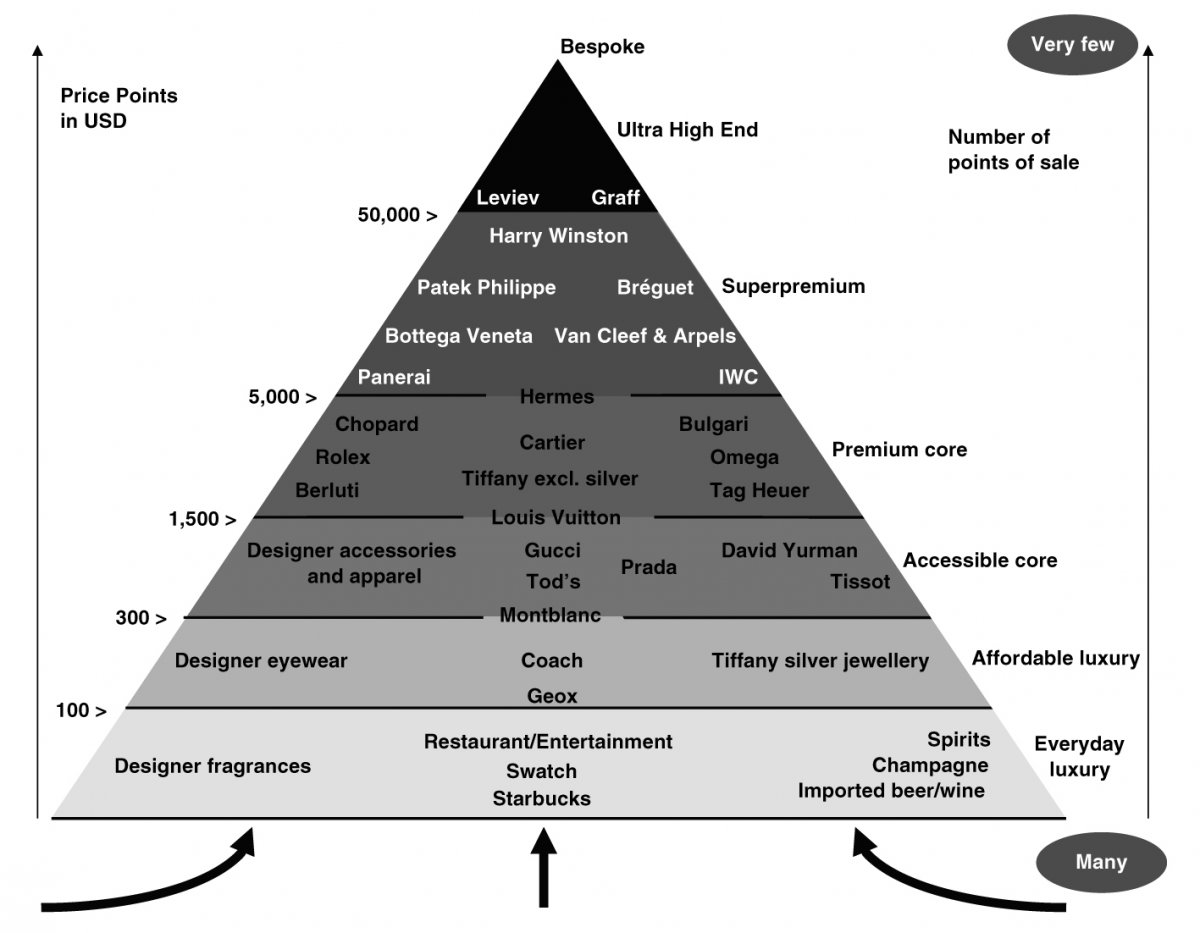
Erwan Rambourg, an HSBC managing director and author of the book, “The Bling Dynasty: Why the Reign of Chinese Luxury Shoppers Has Only Just Begun” created a luxury brand pyramid which depicts how major brands range in accessibility from the lower end with “accessible luxury”, such as spirits, a fine steak and perfume, to ultra-high-end luxury like rare diamonds. This is the luxury influence level ranking pyramid:

Luxury Pyramid by Erwan Rambourg

Getting On Top of the Pyramid

Luxury purveyors who aspire to cater to the top tier of spenders should have a mission, vision and a sound implementation strategy to reach this elite demographic target ‒ short of simultaneously pursuing the aspirational consumers who are prone to cutting back when the economy takes a dive. This latter group of consumers dilutes the cachet of the brand and can turn out less profitable in the long run. Moreover, the High Net Worth Individuals or HNWI and Ultra High Net Worth Individuals or UHNWI frown upon offerings which are accessible to the mainstream as they desire status and exclusivity.

Products and services should be unique, well designed and packaged, finely crafted ‒ and executed with refinement for the elite. Those are ways to entice the interest of, and ultimately retain, the ultra-wealthy. Products and services should never appear as ordinary yet absolutely personal.

In the luxury sector, traditionally there hasn’t been any shortage of customization for the very well heeled. Exclusive and bespoke travel companies provide tailor made adventures and excursions, whereas, the ultra-luxury and exotic automobile sectors such as Rolls Royce and Ferrari respectively offer a wide array of customization options. Each vehicle coming out of the studio will be completely unique and guided by a personal designer at the manufacturers. This is how ‘the total customer experience’ materializes.

What do the HNWIs and UHNWIs seek in their lifestyle?

According to the white paper, Strategies for Effectively Marketing to High Net Worth Consumers”, written by Richard Becker (August 2008), High Net Worth Individuals enjoy Golf, tennis and physical fitness ‒ endeavors typically associated with exclusive ‘members only’ clubs.

HNWIs/UHNWIs cherish their time and know what they want. Even time is a luxury and limited resource for them, thus saving time greatly trumps saving money. This is part of the reason service is crucial for them. They can be generally described as:

– Seek a higher and exacting standard with a minimum set of expectations;
– Fussy in nature;
– Often require customized solutions to mirror their lifestyle – whether a product or service;
– Take pleasure on getting extra attention from the brands they pursue;

– Prefer the uncommon to the mundane;
– Expect to be offered unique choices and experiences;
– Synonymous with a taste for luxury with pedigree and craftsmanship which they’re able and willing to pay;
– Aspire an aura of exclusivity;
– Crave an experience heightened by exceptional service along with a personal relationship;
– Seek products which are different and more sophisticated – whether it’s apparel, electronics, food or insurance;
– Want to feel in command of their purchase decision without any pressure;

– Expect discretion and confidentiality – most notably from service providers such as private wealth institutions and concierge services amongst others.

Likewise, what they purchase is a visual extension of their individuality and lifestyle. A well-crafted product, for example, reflects an individual call to beauty.

Putting it all into perspective

In the United States the top 1% possess 40% of the wealth owns half of all the stocks, bonds and mutual funds.

Fickle and discriminating, these customers’ purchasing attitudes are based on personal beliefs and taste for finer things in life along with discretion. They are quite selective, know what they want and aspire to be catered to effortlessly. They seek the total customer experience along with pampering, personalized service which can include fashion consultations and exotic journeys. Best of all, they are willing to pay top money for the products and services they want.

An offline strategy requires an equal online presence. This is accomplished by placing stunning imagery, video, engaging content and constant refinements along with savvy Internet marketing to connect the brand with luxury social channels. It’s connecting with its like-minded audience.

Think brand positioning and focus on, as well as cater solely to, your core market rather than be all things to all people. Stay out of the bottom end and aspirational markets and instead, aim at the top end markets.

____________________________________________________

Try the Free Trademark Checker link

Free Trademark Search – Instant Worldwide Results – Squadhelp

___________________________________________________

Request your TWO FREE chapters of this popular book with no obligation.

2 Comments

Filed under brand positioning, Branding, Business, lifestyle marketing, Luxury, luxury lifestyle, luxury storytelling, Marketing, positioning, sensuous brands

Authentic Luxury Brands and E-Commerce: Incompatible to their Core Values

By James D. Roumeliotis

online-luxury-sales-image

Add to FacebookAdd to DiggAdd to Del.icio.usAdd to StumbleuponAdd to RedditAdd to BlinklistAdd to TwitterAdd to TechnoratiAdd to Yahoo BuzzAdd to Newsvine

Definitions of “luxury” vary significantly and depend on with whom you discuss the topic and in what context. The term “luxury” is not the easiest to define. It is relative, mysterious and elusive. In essence, it revolves around subjective criteria, depending who you ask. Irrespective what anyone considers the term, it denotes a privileged lifestyle and a “nice to have” product or experience.

Gary Harwood at HKLM, one of the founders and directors of a leading strategic branding and communication design consultancy, stated: “A luxury brand is very expensive, exclusive and very rare – not meant for everyone. When it ceases to be these things, then it’s lost its exclusive cachet. Commoditizing luxury brands and making them more accessible to the middle market puts them at risk of becoming ordinary, common and less desirable. And the more available a brand is, the less luxurious it becomes.”

Authentic luxury brands compete on the basis of their ability to invoke exclusivity, prestige and hedonism to their appropriate market segments not the masses. There is a classic litmus test:

  • Is the product manufactured in artificially limited quantities? (i.e. the rarity factor)
  • Does the firm have a story to tell? (i.e. history & pedigree)
  • Is the firm portraying a unique lifestyle?
  • Is craftsmanship the hallmark, which delivers products that only High Net Worth individuals can purchase without question?
  • Does the brand offer authenticity?
  • Does it implement an absolutely no discounting policy?
  • Is the product (and at least most of its materials/parts) manufactured only in its country of origin?

Rationale of an absence of “authentic” luxury sales online

Many genuine luxury brands such as Hermes, Chanel and Louis Vuitton are reluctant to utilize the internet to sell their pricey merchandise ─ other than a limited number of more affordable items such as their cosmetic lines, fragrances and small leather goods, as well as their silk scarfs.

There are three major reasons why luxuries brands of this caliber should not sell their products online.

  • Unique business model: The top tier luxury brands such as Hermes, Chanel, Dior and Patek Philippe, amongst other prestige marques, require a controlled distribution environment whereby they determine merchandising and pricing. They are ultra-sensitive in the manner in which their label gets handled. This is why they target and legally pursue third party e-commerce sites vigorously. Moreover, unlike traditional marketing, the mention of price is considered a taboo in the unconventional luxury marketing strategy. In the ideal luxury world, price is not something which should be divulged ─ let alone online. As a golden rule of thumb, the presumptive price should be higher than it really is.
  • Total customer engagement: High-end luxury brand executives firmly and unanimously believe that high-priced and exclusive goods should be viewed and felt in person in a plush and attentive retail environment which attracts their best shoppers. Additionally, the well trained sales staff offer fashion advice and alterations on the spot. Their swanky online presence serves to bring the consumers to their bricks and mortar shops. This approach confirms the answer to this question: Do the well-heeled, who seek exclusivity and personalized experiences with their luxury purchases, want to make their extravagant purchases online such as a $15,000 watch or handbag? Probably not.
  • They are privately owned and operated: Unlike the mainstream market and publicly traded luxury brands such as Ralph Lauren, Coach, Tiffany & Co and others, top tier luxury brands are not eager for volume sales. To retain their scarcity, cache, and avoid diluting their intrinsic value, they refuse to respond to rising demand. They also include a conservative policy of making it more inaccessible to consumers whom they are not targeting. Consequently, with privately held luxury brands, profits are done with the long term in mind, not necessarily the next quarter. In comparison, the publicly traded ones, which are accountable to their shareholders, are constantly under pressure to trim production costs and increase revenues and profits which lead them to cater to a larger audience ‒ the mass affluent. So much for all the elements of ‘genuine’ luxury purveyors who are doing away with scarcity and exclusivity.

Vice president and principal analyst at Forrester, Sucharita Mulpuru-Kodali, stated, “Yes, maybe they could increase sales (through e-commerce).” However, she elaborated, “a brand’s goals aren’t always to increase sales. It may be to preserve the quality of the brand so that it stays in business for another 100 years.

According to David Sadigh, founder and CEO of the Swiss digital banking magazine, “Swissquote”, the share of e-commerce sales in the luxury domain amounts to about 5%.

Authentic luxury brands who are not catering to the mass affluent are in a league of their own when it comes to e-commerce. Having said that, their present conservative strategy achieves its intended purpose. Essentially, when someone acquires an object of desire, he or she purchases craftsmanship, cache, pedigree, created in limited quantities, enhance one’s lifestyle and offer exclusivity ─ the top tier in its domain.  This is a contrast to the “masstige” brands such as Ralph Lauren and Michael Kors, which according to a trend report from PMX – a marketing and research agency, revealed that both of those fashion labels dominated the online market share in their luxury category.

When it comes to authentic luxury sales, every touch point in the purchase process affects brand perception, which in turn makes customer service and presentation vital.

Add to FacebookAdd to DiggAdd to Del.icio.usAdd to StumbleuponAdd to RedditAdd to BlinklistAdd to TwitterAdd to TechnoratiAdd to Yahoo BuzzAdd to Newsvine

_____________________________________

Request your TWO FREE chapters of this popular book with no obligation.


3 Comments

Filed under Business, lifestyle marketing, luxury e-commerce, luxury lifestyle, luxury online sales, luxury storytelling

Enticing the Luxury Home Buyer Through a Holistic Marketing and Sales Approach

by James D. Roumeliotis

Med Style residence

Add to FacebookAdd to DiggAdd to Del.icio.usAdd to StumbleuponAdd to RedditAdd to BlinklistAdd to TwitterAdd to TechnoratiAdd to Yahoo BuzzAdd to Newsvine

It is not surprising that luxury home buyers have much higher expectations compared to mainstream home buyers. It is about the amenities and the enhanced lifestyle which comes with the property in an upscale neighborhood. Those buyers also prefer a new home which is in a move-in condition and has an open floor plan alongside a fully automated home environment. Wealthy home buyers also remain attracted to high-end real estate because of a strong perception of value and location.

Another important factor to consider is that luxury home buyers are becoming ever more interested in holistic experiences.

Mainstream vs premium vs a luxury home

Most homes for sale are considered “mainstream”, or “conventional.” Their standards differ from country to country subject to local traditions, construction criteria and bylaws, cost of living, and other economic indicators. These type of homes includes basic amenities for the average population and considered affordable for the working class and middle class.

Premium homes are a better alternative to mainstream homes. They are larger, more attractively designed, built with finer materials, include many upgrades, as well as additional comforts. Moreover, part or the entire home can be custom built as per buyer’s personalized wishes.

As for “luxury” homes, they have it all – location (neighborhood, schools, affluent community), imposing and attractive architecture, high beamed ceilings, plenty of lighting, quality millwork, top end materials throughout, perhaps even a gym, movie theatre, temperature controlled wine room, indoor garage space for at least three to four vehicles, as well as an elaborate layout with a great deal of living space. In some cases, unobstructed views and high-tech home gadgets. Above all, they possess elegance, quality, integrity and are distinct with no expense spared. The threshold for a property to be considered luxury is at least $1 million depending on location. Large urban condominiums are also included into this mix ─ most notably penthouses. Generally speaking, luxury is considered “exclusivity” and what separates an ordinary house and an extraordinary house ─ with classifications such as a “villa”, “mansion”, a “manor”, “estate”, or even a “ranch.”

The art of living – going beyond beautiful homes

Luxury real estate projects should be marketed in similar fashion to what Cartier, BMW or Rolex are achieving. This marketing approach is based on demographic and psycho-graphic analysis which equates to extreme attention to customer experience and demands; integrated marketing across every touch point. The formula is straightforward: the right designer and appliance brand, the right location, the right product, and the right ambiance for the luxury customer. A custom luxury home is incomparable which is designed specifically for a client and explicitly for the location chosen or owned by the client. It resonates with the client’s personality.

Understand what your home offers which is unique to its competition. There is an emotive component of any luxury purchase. Create a display area on the property that allows your potential buyers to have the emotional experience of what living in the residence would be like. It is all about evoking and engaging the potential new owner. Creating a sense of a desirable lifestyle. Seduce and dazzle your clients with the emotional “wow” factor. Create an experience. Very good examples of this are the marketing techniques applied by luxury real estate brokers Sotheby’s International Realty, Christie’s International Real Estate, Savills (U.K.), as well as New York City luxury condominium project maven, Michael Shvo. The theme is the same: dazzle them and emphasize “lifestyle.”. This helps in spreading the word. Associate the property with renowned names/brands/designers as part of the cachet. That’s what helps trigger a sale and at prices beyond what one would expect to pay for the property.

New York by Gehry Lifestyle Photo

“Irreplaceable Property Marketing” ─ Unique & Hard to Emulate

Make the look and experience authentic with the impression that it’s irreplaceable. People want to feel they own something that has a personality and a story. This entails more than just the usual appliance upgrades or other high-end amenities. It is also the staging of the appropriate furniture making the prospective home buyer feel at home and envisioning himself or herself what it feels like living there. Doing so requires applying the art of elegance, art, culture and design along with a touch of pizazz. The key to a successful sale with a high-end property is to offer something the buyer is not able to find elsewhere.

New developments and modernized properties should be design conscious and unique – able to cater to the discerning as with single detached residential homes. They ought to be promoted and presented with panache, flair, and hype but tasteful. A professional marketer, with refined brand image skills and savoir-faire in the luxury real estate domain, can develop and execute a strategy that will make the project and its identity speak on its own. Branding is not a logo, it is a perception in the mind of the consumer about the personality of a company and what it stands for. With a favorable brand name, which in essence is “reputation”, attracting and making the sale requires less effort.

Seductive marketing: Demonstrating the properties by unconventional methods

New York City entrepreneur, luxury real estate broker and diplomat Paolo Zampolli applies novel methods of promoting and selling his listings while offering his high net worth clients the first-rate treatment. He hires former fashion models as his assistant agents touting exclusive properties ─ or taking them onboard his yacht, by way of the Hudson river, for clients to view their potential properties. His creative mind takes it one step above, literally, as he hires a helicopter to give the prospective buyer’s spread a bird’s eye view.

Raymond Bolduc, the top real estate agent with Sotheby’s International Realty in Florida, believes that closing a deal requires throwing a party. As a means of advertising and promotional exposure, he creates attention by hosting lavish social events at his multi-million-dollar home listings to lure in prospective buyers. He does so with panache complete with luxury cars ─ and yachts if it is a waterfront property.

The following marketing channels should be considered to increase the exposure of the properties for sale.

  • Global websites
  • Glossy print campaigns
  • Newspaper inserts
  • National media coverage
  • Advanced social media platforms
  • Mobile technology

In the end

Since luxury home buyers are inherently wealthy, they should be approached and sold to differently. That said, property consultants/real estate agents should be well trained and very knowledgeable in sales, marketing, as well as thoroughly familiar with the unique properties they sell. They also retain client confidentiality and avoid conducting typical open houses to ward off the curious public since multi-million dollar homes demand pre-qualified buyers only.

Luxury home builders and real estate agents should focus their marketing activities to well-heeled and tech savvy Millennial buyers who seek turn-key homes that are eco-friendly, smart wired and cater to their busy and connected lifestyles.

As Lew Geffen, the Sotheby’s International Realty partner in South Africa, states in its marketing collateral,Property marketing is essentially ‘Show Business’ but Sotheby’s International Realty has aimed at ‘theatre’ ─ with all the levels of drama and passion the brand is fully capable of carrying.”

Add to FacebookAdd to DiggAdd to Del.icio.usAdd to StumbleuponAdd to RedditAdd to BlinklistAdd to TwitterAdd to TechnoratiAdd to Yahoo BuzzAdd to Newsvine

________________________________________

Request your TWO FREE chapters of this popular book with no obligation.

Leave a comment

Filed under Business, lifestyle marketing, luxury home marketing, luxury lifestyle, luxury storytelling

Catering to a “Luxury Lifestyle”: Definition and Execution

by James D. Roumeliotis

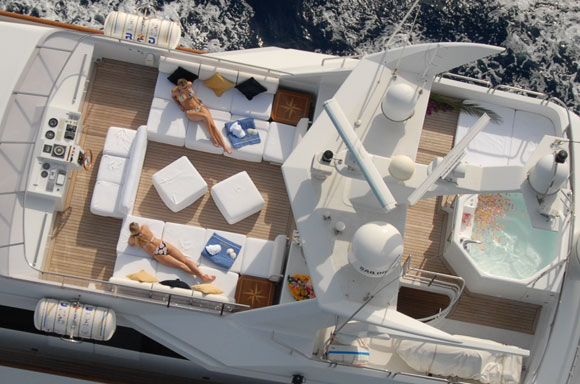
Yacht Lifestyle Shot from the Air

Add to FacebookAdd to DiggAdd to Del.icio.usAdd to StumbleuponAdd to RedditAdd to BlinklistAdd to TwitterAdd to TechnoratiAdd to Yahoo BuzzAdd to Newsvine

A “luxury lifestyle” denotes a way of life which is pleasantly enhanced through well crafted products and exceptional services. These include dining at the best restaurants, lounging in the finest hotels, dressing in premium and bespoke clothing, wearing jewellery/watches produced in limited quantities, possessing and driving the most extravagant cars, traveling to exotic destinations, and playing with the most sophisticated tech products – amongst others. Needless to say, those consumers are connoisseurs of the finest products and services money can afford them.

According to a white paper and survey, conducted by the prestigious consulting firm McKinsey & Co., it indicates that there is no widely accepted definition of “luxury lifestyle.” It goes on to say that Attendees of the 2012 Financial Times Business of Luxury Summit suggested the following definitions: “a way of living,” a set of “attitudes and values,” or specific “consumption habits.”  Consumers interviewed in London, Milan, Munich, and Paris gave equally diverse definitions. Some offered a broad perspective (“a way of being, dressing, behaving” that “sets you apart from the rest”); others referred to particular products, brands, and experiences (“staying at nice hotels”); still others took a cynical view (“it’s just brand names, that’s all” or “it’s marketing”). Its interviews with senior executives from luxury- goods companies such as Harry Winston, Hermès, and Roberto Cavalli yielded yet another varied set of definitions, including “embodying the lifestyle of an iconic designer” and “offering a holistic brand experience.” Although they all defined the phrase differently, 70 percent of the executives they interviewed said they regard their brands as luxury-lifestyle brands.

A company can define itself as a lifestyle brand when its products promote more than a product with key benefits and attributes. However, lifestyle branding is more than just promoting “a way of life.” It is a product or service that provides consumers with an emotional attachment to the lifestyle of the brand. Take Versace, for example, which besides its fashion apparel and accessories also has hotels, home furnishing/décor, linens, beauty and more. Giorgio Armani also has his eponymous name on hotels, furniture, fashion, jeans and beauty. From these two fashion icons, we can certainly surmise that they have a legitimate claim as “luxury lifestyle” purveyors.

Developing the luxury standard of living through desirable customer experiences

Lifestyle branding is more than just promoting “a way of life”. it is a product or service that provides consumers with an emotional attachment to the lifestyle of the brand. think of Ralph Lauren and you can readily see it is not about the clothes. it becomes an attachment such as the sports car brand Porsche to an exclusive club in which you can be a member through emotional identification through use of the products in question. Smart companies understand these principles and look to keep the customer engaged. By doing so, they clearly forge the sort of long term relationships, which become the envy of their designated sector.

The “Total Customer Experience” is the sum total of the interactions that a customer has with a company’s products, people, and processes. It goes from the moment when customers see an ad to the moment when they accept delivery of a product and beyond.

The experiences customers go through with a purveyor of luxury determine the ultimate perception of its brand and image. Customer experiences also spread the word (offline/online) to others (friends, relatives etc.) about your brand. That said, each customer contact (“touch points”) should be handled with the utmost care to ensure that the total brand experience a person has is constant.

Lifestyle brands develop emotional attachment

Brand loyalty is about building an emotional, and in some cases, irrational, attachment in a product. The most ideal examples are the diehard brand enthusiasts and early adopters who must get their hands on the latest iPhone or iPad. This happens because Apple has built an emotional attachment to their products by creating a lifestyle choice rather than a product purchase.

It’s about how it makes you feel. Same goes for baby boomers, whether accountants or attorneys or business executives who purchase a Harley Davidson motorcycle and ride them for about four or five hours every Sunday afternoon. The bike makes them feel like a rebel – sort of an escape.

A brand that is designed for a lifestyle should have a much higher emotional value to consumers than one based on features like cost or benefits alone. The goal of a lifestyle brand is to become a way that people can utilize it to relate to one another. Those brands are an attempt to sell an identity, or an image, rather than a product and what it actually does.

Lifestyle brands have gained an increased share of the luxury market such as BMW, Armani, W Hotels, Louis Vuitton and Rolex ‒ just to name a few. These have given way to consumers to buy products that they associate with a “luxurious life.” They are essentially a status symbol.

The luxury lifestyle in the services domain

In the category of “services”, the luxury lifestyle is all about execution in delivering an exceptional experience with pizzazz to the discerning ─ whether it is a bespoke travel excursion in an exotic place, producing an exceptional dining experience or organizing an over-the-top event, each one ought to create a pleasant memory which would want to be repeated.

A successful service related luxury lifestyle exists when the following take place.

– Delivered with passion
– Exclusivity
– Discretion
– Exceeding expectations
– Seamless
– Refined
– Posh
– With attention to detail

Consider American Express − most notably for its “by invitation only” Black/Centurion card. For hotels, worthwhile mentions are the Hotel Plaza Athenée, the Four Seasons (including its private jet tours), the Ritz Carlton, and boutique hotels Hotel du Cap and Hotel de Crillon to name a few prominent ones. They splurge and provide the perfect luxury experience with outstanding service, exclusivity, and pedigree.

Exclusive and bespoke travel companies provide tailor made adventures and excursions. The four key players in this category include: Abercrombie & Kent, Kuoni Travel, Orient-Express and Cunard Line. Broadening our view of luxury services, certain firms offer services and privileges to a rare percentile. Such services include fractional jet ownership such as NetJets and FlexJet, as well as global concierge services such as Quintessentially.

In the final analysis

Whether offering a product or service, it is how a luxury brand delivers an experience that distinguishes it and makes it stand-out from the mainstream. In essence, it’s a holistic approach.

Luxury lifestyle brand offerings should be constantly refreshed, giving discerning customers a reason to repeatedly do business with the brand. Tiffany & Co., decided to undergo “investing in the theater of shopping in its stores”, as its CEO Frederic Cumenal implied as regards to the renovations of its largest store ever which it opened in China.

Selling a distinct lifestyle is what discerning clients crave and gladly relate to. Organizing exclusive by-invitation-only events should be considered. Exclusive events make one feel notable. For example, Italian sports automaker Maserati invited a select number of brand loyalists to a new experience in Europe that gave them the opportunity to sail on-board the 70 ft./21,3 m Maserati sailboat. In addition, they drove models in its current range including the new Maserati Gran Turismo Sport model.

In the end, living the luxury life is irresistible to many from every range of background and nationality. The temptation includes the aspirational affluent.

Add to FacebookAdd to DiggAdd to Del.icio.usAdd to StumbleuponAdd to RedditAdd to BlinklistAdd to TwitterAdd to TechnoratiAdd to Yahoo BuzzAdd to Newsvine

__________________________________________________

Request your TWO FREE chapters of this popular book with no obligation.

 

2 Comments

Filed under 1, Business, description of luxury, discerning clients, discriminating clients, lifestyle marketing, Luxury, luxury lifestyle