Tag Archives: entrepreneur

Is Anyone Truly Self-Made? The Truth Behind Business Success

By James D. Roumeliotis

Everyone loves the idea of the ‘self-made’ entrepreneur—the lone wolf who built an empire from scratch with nothing but grit and hustle. It’s a powerful story…but how accurate is it, really? In this article, I’m unpacking what self-made actually means—and what it really takes to succeed in business and become a multi-millionaire.

The Myth of the “Self-Made” Entrepreneur

The term self-made implies starting from zero—with no help, no resources, just pure effort. But when we dig into the stories of even the most celebrated entrepreneurs, the truth is more nuanced.

Examples:

  • Jeff Bezos: Is often seen as a self-made billionaire, but his journey was supported early on by a privileged background—including a $245,000 investment from his parents and an Ivy League education from Princeton.
  • Kylie Jenner: Labeled the youngest self-made billionaire—but her family’s fame and influence opened enormous doors.
  • Oprah Winfrey: A more authentic self-made story—overcame poverty and systemic barriers, but even she had key mentors and strategic alliances.

Most success stories involve more than just grind. They involve access, support, and strategy.

The 5 Real Levers of Business Success

1. Your Network

  • “It’s cliché but true—your network is your net worth.”
  • Access to decision-makers, mentors, early adopters, or investors can fast-track your growth.
  • Example: Many Y Combinator alumni cite their founder network as their greatest asset, not just their funding.

2. Access to Capital

  • Businesses bleed cash before they break even.
  • Bootstrap? It’s possible. But capital unlocks speed, marketing, and talent.
  • Example: Airbnb raised $20k from friends and family before scaling. That small early boost mattered.

3. Market Timing

  • Success is often about launching at the right time.
  • Example: Zoom launched years before the pandemic, but timing and infrastructure made it the default in 2020.

4. Unique Value Proposition

  • What makes you different in the market? Without this, even millions in funding won’t help.
  • Example: Spanx by Sara Blakely succeeded because it solved a real and specific customer pain point.

5. Resilience + Iteration

  • It’s never one shot—it’s multiple pivots.
  • Example: Shopify started as a snowboard shop before pivoting to become an e-commerce platform.

True entrepreneurs build by themselves, but rarely alone.

What “Self-Made” Really Looks Like

Being self-made doesn’t mean you did everything solo—it means you leveraged what you had, invested in relationships, and adapted relentlessly.

Characteristics of Self-Made Entrepreneurs:

  • Resourcefulness over resources
  • Learning quickly and acting on data
  • Humility to ask for help
  • Willingness to take risks others avoid
  • Clear long-term vision

The ‘self-made’ label often overlooks the invisible structures that helped someone succeed—supportive ecosystems, education, financial backing, or early access.

And here’s the truth—none of that diminishes their success. But acknowledging those advantages helps us all build smarter, not just harder.

If You’re Starting From Scratch?

If you don’t have connections or funding—what can you do right now?

Practical Steps:

  • Build social capital: Attend meetups, LinkedIn networking, Twitter communities.
  • Micro-start: Start with what you can validate cheaply. Lean MVPs over flashy launches.
  • Join ecosystems: Accelerators, coworking communities, mastermind groups.
  • Use the internet: We’ve never had more access to learning, collaboration, and low-cost tools.

“You don’t need privilege to start, but you do need strategy to grow.”

In the End

So, is anyone truly self-made? Maybe not in the absolute sense. But if you take ownership of your path, build smart, and keep learning—you can make something extraordinary on your terms.

___________________________________________________

Visit my business SAVVYPRENEURSHIP channel and if you like the content, kindly subscribe to help me grow the channel.

https://www.youtube.com/@Savvypreneurship

Leave a comment

Filed under 1, entrepreneur, entrepreneurship, entrepreneurship success

The Entrepreneurial Edge: Strategies to Increase Your Odds of Business Success

By James D. Roumeliotis

Starting and growing a successful business is no easy feat. It requires a unique combination of skills, mindset, and perseverance. However, by understanding and implementing certain strategies, entrepreneurs can significantly improve their chances of achieving their goals and overcoming the challenges that inevitably arise. In this article, I dig into the key factors that can give you the entrepreneurial edge, equipping you with the knowledge and tools to navigate the ups and downs of the business world, and emerge victorious.

Developing the Right Mindset

Success in entrepreneurship begins with cultivating the right mindset. Here are some essential mindset traits that can increase your odds of success:

  1. Resilience: Entrepreneurship is a rollercoaster ride, and setbacks are inevitable. Developing resilience – the ability to bounce back from failures and challenges – is crucial for long-term success.
  2. Growth Mindset: Embrace a growth mindset, which means being open to learning, adapting, and continuously improving. Successful entrepreneurs are lifelong learners who are willing to evolve and grow alongside their businesses.
  3. Passion and Purpose: Passion and a sense of purpose are powerful drivers that can fuel your entrepreneurial journey. When you’re passionate about what you do and have a clear purpose, you’ll find the motivation to overcome obstacles and persevere.
  4. Risk Tolerance: Entrepreneurship involves taking calculated risks. Successful entrepreneurs understand and embrace the inherent risks associated with starting and growing a business, while also implementing strategies to mitigate and manage those risks.

Building a Solid Foundation

While mindset is essential, it’s equally important to build a solid foundation for your business. Here are some key strategies to increase your odds of success:

  1. Conduct Thorough Market Research: Understanding your target market, competition, and industry trends is crucial for developing a viable business idea and effective strategies.
  2. Develop a Comprehensive Business Plan: A well-crafted business plan serves as a roadmap for your venture, helping you define your goals, strategies, and action plans.
  3. Assemble the Right Team: Surround yourself with a talented and dedicated team that shares your vision and complements your skills and expertise.
  4. Secure Adequate Funding: Ensure you have access to sufficient funding, whether through personal savings, investors, or loans, to support the initial stages of your business and sustain operations until you achieve profitability.

Executing with Excellence

Once you’ve laid the groundwork, it’s time to execute your business plan with excellence. Here are some strategies to help you along the way:

  1. Embrace Continuous Innovation: Stay ahead of the curve by continuously innovating and adapting to changing market conditions, customer needs, and technological advancements.
  2. Foster Customer-Centricity: Build a customer-centric culture within your organization, prioritizing customer satisfaction and delivering exceptional products or services.
  3. Leverage Strategic Partnerships: Identify and cultivate strategic partnerships that can provide complementary resources, expertise, or access to new markets, enhancing your competitive advantage.
  4. Prioritize Efficiency and Productivity: Continuously streamline your operations, processes, and workflows to maximize efficiency and productivity, ensuring optimal resource utilization and cost-effectiveness.

Conclusion

Increasing the odds of succeeding in any business endeavor is a multifaceted endeavor that requires a combination of the right mindset, a solid foundation, and excellent execution. By developing resilience, embracing a growth mindset, conducting thorough market research, assembling the right team, securing adequate funding, embracing continuous innovation, fostering customer-centricity, leveraging strategic partnerships, and prioritizing efficiency and productivity, you can give yourself the entrepreneurial edge and navigate the challenges of the business world with confidence and determination. Remember, entrepreneurship is a journey filled with ups and downs, but by staying focused, adaptable, and committed to your goals, you can increase your chances of achieving long-term success.

_________________________________________________

Visit my business SAVVYPRENEURSHIP channel and if you like the content, kindly subscribe to help me grow the channel.

https://www.youtube.com/@Savvypreneurship

Leave a comment

Filed under 1, business management, Business success, business vision, business vitality, entrepreneurship, entrepreneurship success

EIGHT Crucial Questions Aspiring Entrepreneurs Should Be Asking Prior to Launching

By James D. Roumeliotis

Image result for male and female entrepreneur

Potential entrepreneurs and inventors are individuals motivated primarily by the desire to create something new, the desire for autonomy, and financial independence who are equally convinced that their product or service idea possesses tremendous potential. However, without a structure in place and vital concerns to honestly deliberate, as well as confront, the prospective entrepreneur may be diving into an unfamiliar commitment prematurely.

Asking the right questions to prepare the road map ahead, along with predicting the worst-case scenarios, will place the aspiring businessperson in a superior proactive rather than in a totally capricious and reactive position.

As a serial entrepreneur stretching over 35 years and in three countries, I have developed a series of questions to asses prior to engaging in a new enterprise. The self-evaluation questions which should be addressed are as follows:

1)      Will my product or service idea be viable, and does it solve a problem?

  • Do an adequate/in-depth research of your target market(s) and your competition (if any).
  • Know your potential size of your target market(s).
  • Be familiar with your USP (Unique Selling Proposition). Can you articulate
  • Establish a business model to identify the products or services the business will sell (whether B2C, B2B or both), and among other elements to ponder such as the target market it has identified, and the expenses it anticipates.
  • If what you are planning to offer is considered disruptive and will make people’s lives easier, than your chances of acceptance and sales will be significantly higher than the average existing competition.

2)      Do I have adequate funding to launch it and keep the business going?

  • There should be sufficient start-up funds, as well as funding available to keep the business active for cash-flow purposes, as well as to grow the company. Every type of business has different funding requirements.
  • Sources of funding are bootstrapping/own funds, debt (line of credit, credit cards, traditional and alternative bank loans) and/or equity (friends, family, potential investors, etc.)

3)      Do I possess the characteristics required to deal with entrepreneurial            hardships?

  • An effective businessperson has an inquiring mind and should never stop learning. Familiarize himself or herself with the barriers and challenges an entrepreneur is often confronted with.
  • Possess tenacity and able to think clearly. Intense emotions from pressure should be restrained. Cool heads prevail and easier to undertake problems.
  • Organizational skills are critical along with an open mind and fiscal discipline.
  • Should not feel uneasy delegating tedious tasks (whether in-house or outsourced) and focusing on the core business operations.

4)      How much do I know about the industry I’m seeking to embark in?

A clear understanding of the business is imperative. The entrepreneur should be a perpetual student of the business and constantly seeking ways to innovate and improve oneself and the operations.

5)      Can I succinctly address all 4P’s of marketing (a.k.a “the marketing mix”) for the product(s) or service(s) I desire launching?

Every entrepreneur should be familiar with the marketing mix (Product, Price, Place & Promotion) and how each one applies to his or her product(s) or service(s).

6)      What are my financial projections (3 to 5 years)?

  • Achievable? Adequate? What about profit and cash flow?
  • Number of employees planning to hire (payroll costs), amount needed to spend on R&D, equipment, etc.

7)      What is my exit strategy?     

a) If things go awry.

An entrepreneur should know when to walk away if his or her business is floundering with little chance of turning it around. Perhaps sell it if someone else can salvage it. It is not a good idea to keep injecting good money after bad.

b) If the business is thriving in 5-7 years?

It may be a good time to pass on the reins to a capable family member, sell the shares to the partner(s), go public, or negotiate a buy-out from an established brand or competitor. If seeking funds from an Angel Investor or Venture Capital firm, this will need to be addressed.

8)   Do I have a circle of outside support such as a mentor/coach, attorney, accountant etc.?

A savvy businessperson surrounds himself or herself with mentors and knowledgeable advisors, who will nurture the executive to become a better and successful entrepreneur.

Ultimately

The aspiring businessperson should be honest with himself or herself of the challenges that lurk in launching and operating an enterprise — it is not all rosy and glory. Start-ups do not occur in theory. These questions, when answered wisely and truthfully, ensure the would-be entrepreneur does not get caught in a sensual dream that turns into a living nightmare.

_______________________________________________________

Request your TWO FREE chapters of this popular book with no obligation.

EntrepreneurialEssentials - FrontCover Final

Leave a comment

Filed under 1, Business, business launch roadmap, business management, business model, business plan, Business success, business vitality, entrepreneur, entrepreneurship, entrepreneurship success, launching a business, preventing business problems, starting a business success

Starting a Business is a Relentless Mission: The Pitfalls of an Entrepreneur

By James D. Roumeliotis

Businessman Taking the Plunge

Add to FacebookAdd to DiggAdd to Del.icio.usAdd to StumbleuponAdd to RedditAdd to BlinklistAdd to TwitterAdd to TechnoratiAdd to Yahoo BuzzAdd to Newsvine

Starting a business, most notably for first timers, whether as a sole proprietor/solo-preneur, in a partnership or purchasing a system called a “franchise”, appears to be something many aspire to do. You can’t blame them since they equate this undertaking to creative freedom and profit with no ceiling together with a lifestyle unmatched compared to working for someone else. However, the same number of prospective entrepreneurs may be blindsided by the undertakings required launching a business, let alone operating it successfully.

Drawbacks of launching an enterprise

Contrary to all the hype you read about the dream of starting a business which supposedly guarantees success, reality is quite the contrary. The odds are stacked against the average new entrepreneur (and seasoned ones with a reduced chance of failure due to prior experience). Ahead of embarking on the entrepreneurial path, factors to seriously consider are as follows:

  • Risk exposure especially financial: Even with proper planning to reduce the level of risk, you can’t control the outcome especially if the circumstances are unforeseen. The capital injection which any type of business requires, may not be adequate but also totally at risk. Beyond this, entrepreneurs need to consider the risk from employee disagreements, product liability, and regulatory requirements among other issues. Obtaining financing is also a challenge as banks require some revenue history and guarantees from the owner(s). Personal credit cards, savings, investments, as well as from family and friends are usually the only means of securing funding for a start-up. Borrowing against personal assets, such as a home creates risking the equity in one’s home. This is a financial commitment not all entrepreneurs are willing to make.
  • Uncertainty: Although the business may be successful at the start, external factors such as competition, downturns in the economy, or shifts in consumer demand may impede businesses growth. No amount of pre-planning can anticipate or control such external factors. Profits are not a guarantee during the initial two years either.
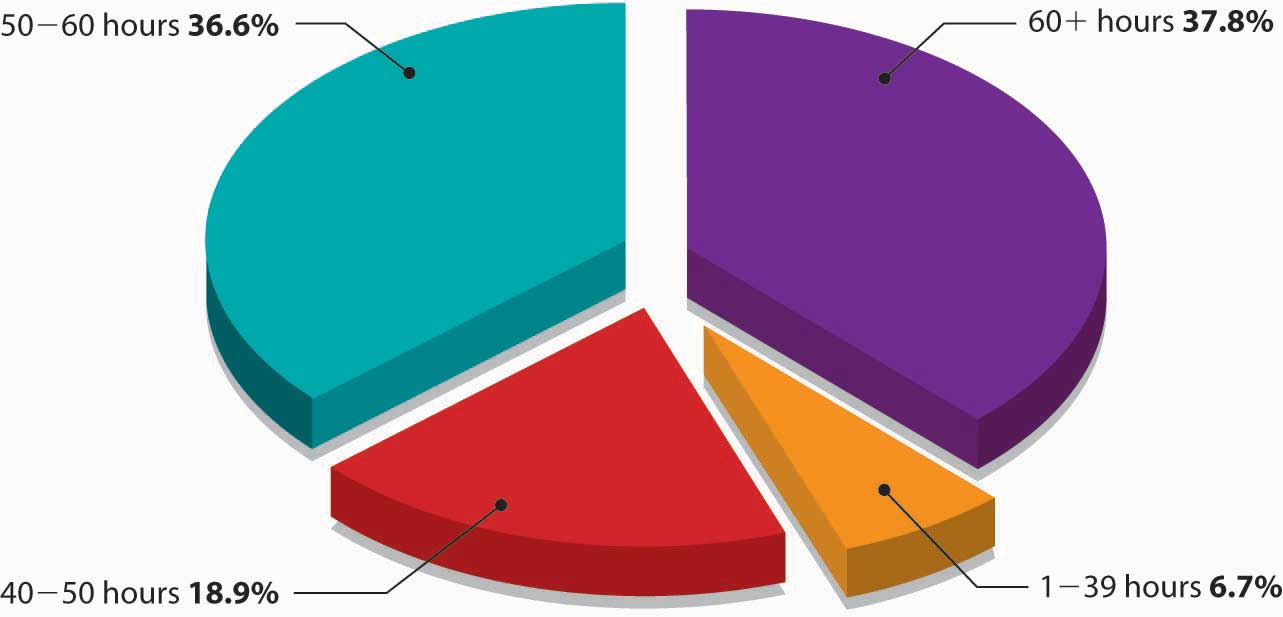
  • Time commitment and patience. When launching a business, chances are most, if not all tasks will be performed by the entrepreneur. Responsibilities include everything from purchasing to expenses, marketing activities, customer issues, equipment breakdowns and banking. This would entail working more than the typical 40 hours normally performed when working as an employee for someone else.  This time commitment can place a burden on family and friends and add to the stress of launching a new business venture. Moreover, the business may not be able to support a salary during the initial few months or longer.

Image result for disadvantages of starting a business

In addition, if you decide to take on a partner or two, be prepared to live with the consequences. It is a “business” marriage. In fact, you will be spending more time with this person than with your significant other. Do a thorough due diligence and make certain of the three most important factors.

  • Is he or she should be financially sound? No exceptions, otherwise, it may create issues moving forward including you having to foot the bill for the business’s financial obligations and possibly any future capital injections required.
  • That he or she is not carrying baggage: Make sure they have a good reputation. Not bringing along any legal or financial obligations (such as a bankruptcy or owe a significant amount of money to any parties).
  • Bring value-add such as a talent, strength that will make a vital contribution and compliment the work you do. You can’t possibly be good at doing everything. Ideally, each partner should contribute on an equal footing.
  • When you feel comfortable bringing the chosen partner onboard, do not waste any precious time drafting a legal partnership agreement/ (a shareholder’s agreement in a corporate structure). That is your partnership insurance policy – your business prenuptial agreement of sorts.

Why businesses fail?

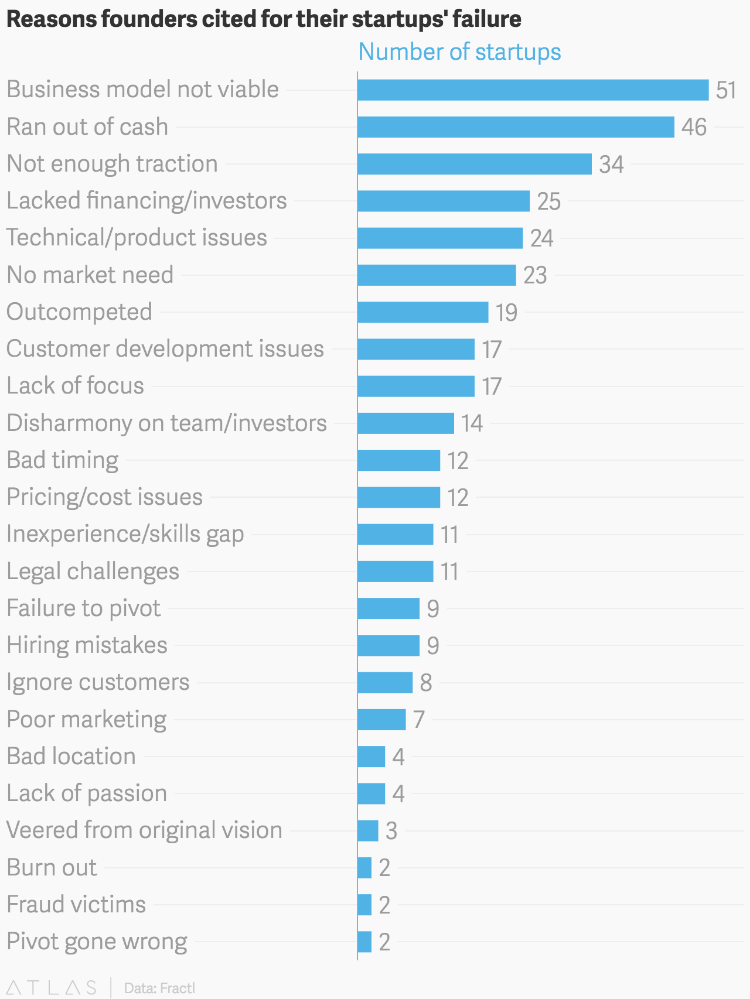
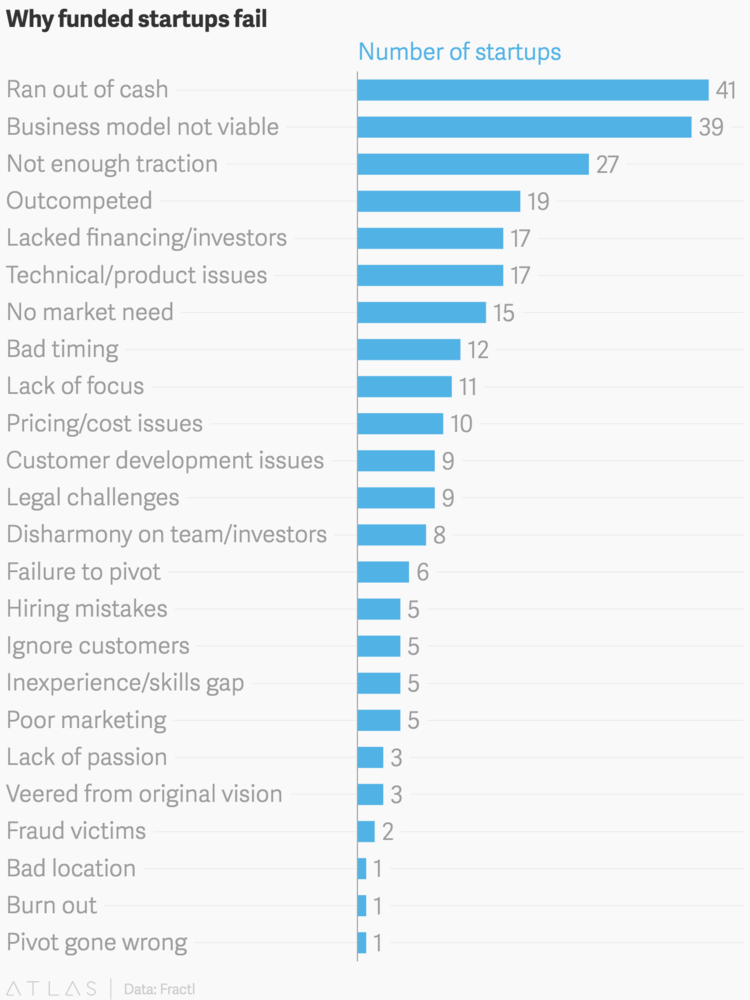
New businesses, regardless of industry, have the odds stacked against when it comes to survival rates. According to the Small Business Administration (SBA), “About half of all new establishments survive five years or more and about one-third survive 10 years or more. As one would expect, the probability of survival increases with a firm’s age.Those survival rates have remained constant over time. That’s why it’s so important to understand how and where things go wrong—such information offers valuable lessons on what to avoid. There are many reasons, perhaps a combination of two or more. The following charts depict the main causes of small business start-up failure. Both, under-funded or well funded business have their reasons for failure – neither is immuned.

Business_Model_Fail_1

Business_Model_Fail_4

In the end

The advantages of staring a business are freedom, personal satisfaction and financial rewards. However, the downside is risking your funds and money obtained from other sources, the possibility that the business can fail, handling many roles with full responsibility, dealing with challenges head-on, and less quality time to spend with family and friends. With limited resources at your disposal, all these factors create stress not necessarily dealt with as an employee.

From the moment you have made the decision to go all in and plant for your start-up launch and throughout your daily operations, your full-time committed is crucial if you seek the desired results. If you fail because of internal factors alone, you have no one else to blame but yourself. At worst you will have given yourself the opportunity to test yourself as an entrepreneur and learned from that experience. Better yet, learn from other entrepreneurs’ mistakes. At the end of the day, “Failure is knowledge, knowledge is success.” – Tim Gibson

Add to FacebookAdd to DiggAdd to Del.icio.usAdd to StumbleuponAdd to RedditAdd to BlinklistAdd to TwitterAdd to TechnoratiAdd to Yahoo BuzzAdd to Newsvine

_______________________________________________

Request your TWO FREE chapters of this popular book with no obligation.

EntrepreneurialEssentials - FrontCover Final

Leave a comment

Filed under 1, Business, business management, Business success, business vitality, entrepreneur, entrepreneurship, entrepreneurship success, launching a business, preventing business problems, starting a business success

Entrepreneurship — in Quotes & Images

Add to FacebookAdd to DiggAdd to Del.icio.usAdd to StumbleuponAdd to RedditAdd to BlinklistAdd to TwitterAdd to TechnoratiAdd to Yahoo BuzzAdd to Newsvine

Entrepreneurship is not for the insecure. It takes a good idea, a burning desire to execute it, and the right personal characteristics  including:

– At least some fundamental business knowledge

– Passion

– Drive

– Resilience

– Perseverance

– Persistence

– Curiosity and and open-mindedness

– Willing to take calculated risks

CLICK HERE for a collection of images that speak for themselves pertaining to entrepreneurship and the entrepreneur.

Add to FacebookAdd to DiggAdd to Del.icio.usAdd to StumbleuponAdd to RedditAdd to BlinklistAdd to TwitterAdd to TechnoratiAdd to Yahoo BuzzAdd to Newsvine

__________________________________________

Learn the significance of all of the above images BUT with the TEXT version in this book.

EntrepreneurialEssentials - FrontCover Final

Learn how to start or expand a business with free courses at
How to start a business


3 Comments

Filed under Business, entrepreneur, entrepreneurship, entrepreneurship success, starting a business success