Category Archives: Business

The Business of Bespoke: Inside the World of Custom Luxury Experiences

By James D. Roumeliotis

In today’s world, luxury isn’t about owning more, it’s about owning what no one else can have. In this episode, I’m diving into the world of bespoke experiences where everything is crafted to the individual…from custom couture and personal chefs to curated art collections. In this article, I unveil what drives this market, why people pay a premium for it, and what entrepreneurs can learn from the psychology and business model of personalization.

Custom Couture: The Art of Personal Identity

Let’s start with bespoke fashion…the ultimate expression of individuality.

In the world of couture, personalization is everything. Brands like Dior, Chanel, and Elie Saab offer made-to-measure garments tailored to each client’s exact measurements, lifestyle, and aesthetic.

But beyond the fabric and design lies the experience:

  • Private fittings in Parisian ateliers.
  • One-on-one design consultations.
  • Hand-sewn embroidery that can take hundreds of hours.

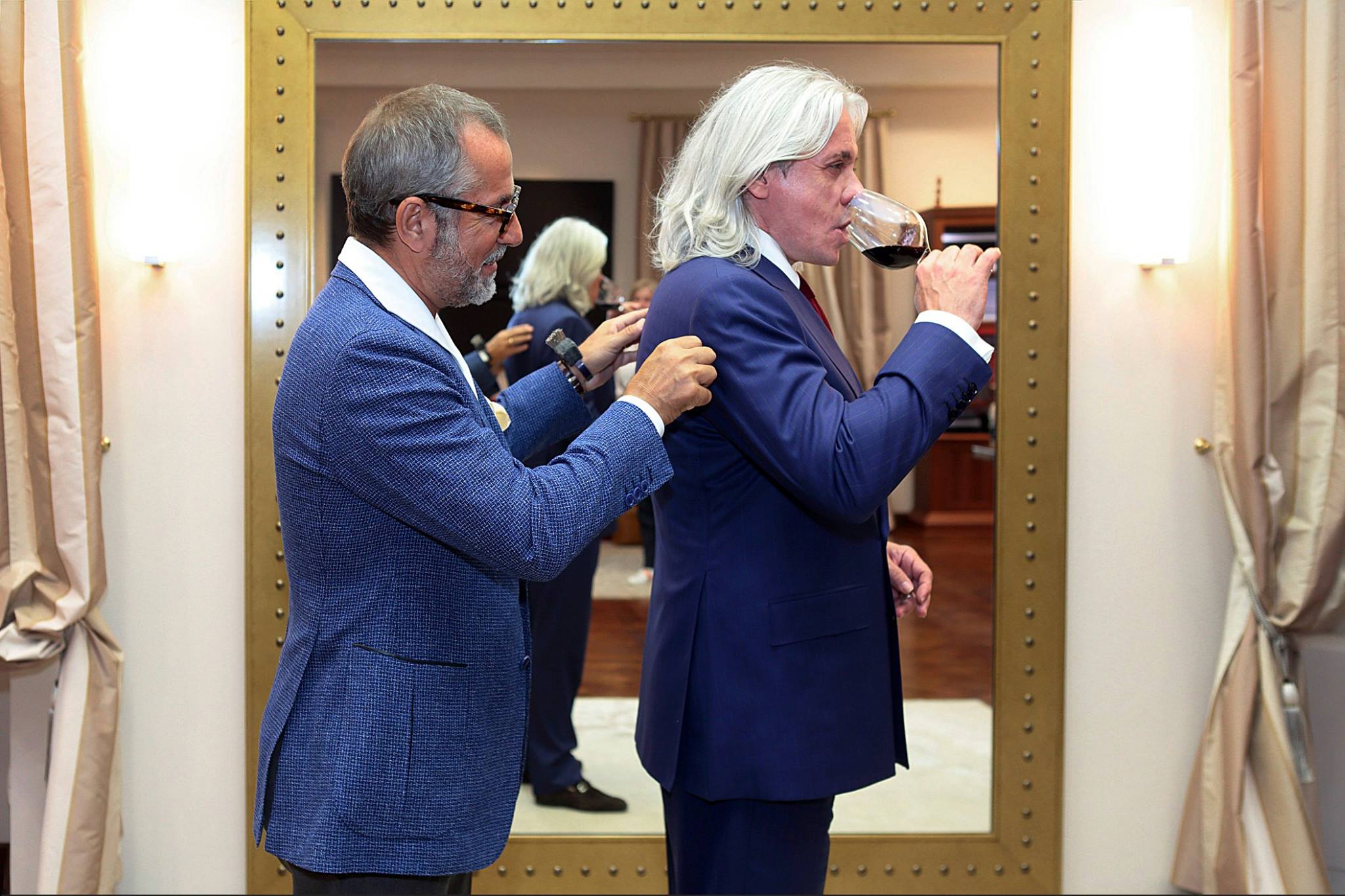
Even men’s tailoring has its icons. Savile Row in London remains the gold standard of bespoke suits…crafted stitch by stitch to fit one person, and one person only.

Example:
Luxury tailor Huntsman of Savile Row once created a custom tweed for a client that matched the shade of his vintage Jaguar. That’s not fashion…that’s personal storytelling through style.

Business Lesson:
In the bespoke world, time equals status. The longer and more exclusive the process, the greater the emotional and perceived value.
Entrepreneurs can learn this: Don’t sell products…sell identity, rarity, and experience.

Personal Chefs – The Taste of Tailored Living

Next, let’s talk about the rise of personal chefs…a booming part of the bespoke lifestyle.

In the post-pandemic era, ultra-high-net-worth individuals have embraced private dining at home…but with five-star restaurant standards.

Example 1:
Chef Daniel Humm, from Eleven Madison Park, curates exclusive dining experiences for clients worldwide, often customizing every detail, menu, wine pairing, even plating, to reflect their culture and preferences.

Example 2:
Companies like HireAChef.com or La Belle Assiette have made personal dining accessible, offering private chefs who design menus based on allergies, nutritional goals, and personal taste.

It’s not just food…it’s curated nourishment.

Clients expect:

  • Tailored menus based on DNA nutrition or health data.
  • Local, sustainable sourcing aligned with their values.
  • Seamless service that blends hospitality with artistry.

Business Lesson:
This segment thrives on intimacy and anticipation. Clients aren’t buying meals, they’re buying trust, privacy, and the assurance that every sensory detail is crafted just for them.

Entrepreneurs should take note: The next generation of service businesses will win by making customers feel deeply seen and personally served.

Curated Art Collections – Investment Meets Identity

Now, let’s move from the table to the gallery, where curated art collections define not just taste, but legacy.

Owning art isn’t just a hobby for the wealthy…it’s a statement of identity, intellect, and influence.

Example 1:
François Pinault, founder of the Kering luxury group…which owns Gucci, Balenciaga, and Saint Laurent, turned his private collection into one of the most respected modern art portfolios in the world, culminating in the Bourse de Commerce Museum in Paris.

Example 2:
The Pigozzi Collection, often called “the world’s largest collection of contemporary African art,” reflects not just aesthetic taste but a philosophy of cultural connection.

How the business works:
Bespoke art consultants help clients:

  • Commission works directly from artists.
  • Curate pieces that reflect personal themes, values, or milestones.
  • Build collections that double as long-term investments.

For the client, each piece becomes part of their personal narrative. For the advisor, it’s a fusion of psychology, market strategy, and storytelling.

Business Lesson:
In the bespoke art world, the value isn’t only in what hangs on the wall…it’s in the meaning behind it. Entrepreneurs in any industry can learn this: Attach emotional storytelling to your product, and you’ll elevate its perceived worth.

The Psychology of Bespoke: Why Personalization Sells

Here’s what ties all these experiences together: emotional ownership.

When a client feels something is created exclusively for them, it becomes priceless.
It’s the same psychology behind:

  • A monogrammed Hermès bag.
  • A custom Rolex dial.
  • Or a tailor-made yacht interior that matches a client’s personality.

In a world drowning in mass production, bespoke experiences represent ultimate control, privacy, and individuality.

Entrepreneur’s Takeaway:
The luxury consumer doesn’t want to own more…they want to own meaning.

In Summary

So, whether it’s custom couture, a personal chef, or a curated art collection, the lesson for entrepreneurs is clear: The future of business lies in personalization, craftsmanship, and emotional value. In the age of AI and automation, the brands that will thrive are the ones that make people feel personally understood.

______________________________________________

Visit my business SAVVYPRENEURSHIP channel and if you like the content, kindly subscribe to help me grow the channel.

https://www.youtube.com/@Savvypreneurship

Leave a comment

Filed under 1, bespoke, Business, Business success, Customization, lifestyle branding, Luxury, Marketing, Personalization, Tailor made

Pandemic & Recession Resistant Franchises to Invest In

James D. Roumeliotis

When the economy slows down, or the world faces disruptions like the pandemic, some businesses struggle, while others barely flinch or even thrive. If you’re thinking of investing in a franchise, you want to put your money where it’s most protected from a recession and crises. In this article, I suggest the franchise categories that are pandemic and recession resistant, why they perform well in tough times, and what you should look out for as an investor.

Why Recession-Resistance Matters

Franchising can be a great path to business ownership, but not all industries are created equal.

Some categories, like luxury retail or high-end dining, see sales collapse in downturns. Others, like essential services, food staples, and affordable healthcare, continue to perform strongly because demand doesn’t disappear: it actually increases.

As an investor, your goal should be to choose industries where spending is steady no matter the economy.

Quick-Service Restaurants (QSRs)

Fast food and quick-service restaurants have historically been recession-resistant.

  • People may cut back on fine dining, but they still need affordable, convenient meals.
  • During the pandemic, brands with strong drive-thru and delivery systems thrived.

Examples:

  • Chick-fil-A performed exceptionally well during COVID.
  • Pizza chains like Domino’s and Papa John’s saw double-digit growth thanks to delivery-first models.

Lesson: Affordable food never goes out of style.

Healthcare & Senior Care Services

Healthcare is one of the most resilient categories.

  • Aging populations mean steady demand for elder care and medical services.
  • Pandemics and health crises only increase the need.

Examples:

  • Home Instead – senior care at home
  • BrightStar Care – skilled medical and personal care services
  • Anderson Longevity Clinic and Next Health are an up & coming longevity clinic niche

Lesson: Healthcare franchises combine social impact with stable, growing demand.

Pet Care Industry

Even in recessions, people don’t stop spending on their pets. In fact, they often prioritize them more.

  • Grooming, boarding, daycare, and pet supplies remain in steady demand.
  • During the pandemic, pet adoption rates soared, fueling long-term growth.

Examples:

  • Dogtopia – dog daycare and boarding
  • Pet Supplies Plus – pet retail

Lesson: Pets are “family,” and people rarely cut back spending on family.

Essential Home Services

Homes need upkeep, whether pandemic or not.

Franchises offering plumbing, HVAC, cleaning, sanitation, restoration, and repair services are always in demand.

Examples:

  • ServPro – restoration and cleaning
  • Molly Maid – residential cleaning

During the pandemic, sanitation and disinfection services skyrocketed. In a recession, urgent repairs like plumbing or HVAC can’t be postponed.

Lesson: Homes and businesses must function, no matter the economy.

Discount & Value Retail

In tough times, people trade down from premium to value options.

Franchises in discount retail, thrift, and essential household goods often do better during recessions.

Examples:

  • Dollar Tree in the US and Value Village in Canada, thrive when consumers tighten budgets.
  • 7-Eleven and Circle K convenience stores did well during both the pandemic and past recessions.

Lesson: When consumers cut back, value-driven brands thrive.

Education & Tutoring

Education is seen as essential spending, as parents will sacrifice elsewhere before they cut back on their kids’ education.

  • Tutoring and learning centers remain resilient even in downturns.
  • Digital and hybrid models expanded reach during the pandemic.

Examples:

  • Kumon – math and reading enrichment)
  • Sylvan Learning – tutoring services

Lesson: Education is considered an “investment,” not just an expense.

Key Takeaways for Investors

When evaluating a franchise, ask yourself:

  1. Is the product or service essential regardless of the economy?
  2. Does it provide affordability or value during tough times?
  3. Does it serve a market with long-term growth trends (like healthcare, pets, or education)?
  4. Can the business model adapt to disruptions (like delivery, online platforms, or contactless service)?

If the answer is yes, you’re looking at a potentially resilient investment.

In the End

Franchises in food, healthcare, pet care, home services, value retail, and education have proven to be among the most pandemic and recession resistant. These are the categories where smart investors put their money is not just for survival, but for steady growth because at the end of the day, success in franchising isn’t just about timing: it’s about choosing the right category that can weather any storm.

______________________________________________

Visit my business SAVVYPRENEURSHIP channel and if you like the content, kindly subscribe to help me grow the channel.

https://www.youtube.com/@Savvypreneurship
Leave a comment

Filed under 1, franchises, pandemic resistant, recession resistant

Exclusivity Sells: How Luxury Brands Create Demand Through Artificial Scarcity

James D. Roumeliotis

You’d think that having the money is enough to buy a Rolex Daytona, a Hermès Birkin, or a Ferrari SF90. But here’s the twist…you often can’t. Not because they’re sold out…but because these brands don’t want everyone to own them. In this episode, I’m breaking down the snob appeal strategy used by elite luxury brands—what it is, how it works, and the pros and cons of using exclusivity and controlled scarcity as a business tactic.

What Is Snob Appeal in Business?

Snob appeal is the marketing strategy that targets customers who want to stand out by being part of an exclusive group. It’s not just about quality—it’s about status, social separation, and psychological elevation.

Brands using snob appeal don’t sell to the masses. In fact, they often make it harder to buy their most iconic products.

It’s about access, not just affordability.

Ferrari – You Don’t Choose the Car, the Brand Chooses You

Ferrari is the ultimate example. Even if you’re ready to drop half a million dollars on a limited edition model like the LaFerrari Aperta, you likely won’t be allowed to buy one—unless you already own multiple Ferraris and are in the company’s “inner circle.”

They maintain a buyer list. The rarer the car, the more selective they are.

And if you resell your Ferrari too soon, you risk being blacklisted.

They control who can represent the brand on the street. That’s powerful. It turns their buyers into ambassadors, not just customers.

Hermès – The Art of Not Selling You the Birkin

The Hermès Birkin Bag—perhaps the most famous example of intentional scarcity.

You can’t just walk into a store and buy one. Even if you have $15,000 in hand, the answer is often: “We don’t have any available.”

To get offered a Birkin, you must:

  • Build a purchase history over months or years.
  • Befriend a sales associate.
  • Buy other items like scarves, belts, or ready-to-wear to show loyalty.

Hermès isn’t selling bags. They’re selling status, access, and mystique. Every Birkin sighting becomes a symbol of achievement.

Rolex – Waitlists That Work

Rolex is a master of controlled scarcity. While their production is massive, supply of key models—like the Daytona or Submariner “Hulk”—is intentionally limited at authorized dealers.

The result? Year-long waitlists, secondhand markups, and a sense that getting one is a privilege, not a purchase.

Rolex never publicly says a model is rare. They let the market frenzy do the talking. That’s elite brand control.


Other Brands Doing It Right

  • Supreme drops limited collections in minutes—using scarcity for hype.
  • Rimowa x Off-White sold out in seconds, not because of function, but because of exclusivity signaling.
  • Patek Philippe limits its Grand Complications to ultra-high-net-worth clients with generational relationships.

Across fashion, tech, and automotive industries, the message is the same: if it’s hard to get, it’s worth more.

Pros and Cons of Snob Appeal Tactics

Pros:

  • Elevates brand status instantly
  • Creates desire before supply
  • Builds extreme customer loyalty
  • Turns customers into status symbols themselves

Cons:

  • Alienates new customers
  • Can backfire as elitist or manipulative
  • Requires tight control over distribution and messaging
  • Can create gray market resellers, eroding authenticity

It’s a balancing act. Go too far, and you risk being seen as arrogant. Stay too accessible, and you lose the cache.

Business Lessons from Luxury Scarcity

So, what can you take from this, even if you’re not selling $300,000 sports cars or $20,000 handbags?

Here are three key lessons:

  1. Exclusivity builds value – Not everything needs to be mass-market.
  2. Make your customers earn it – Loyalty programs, application-only access, and tiered services increase commitment.
  3. Mystique matters – Don’t over-explain. Part of the magic is not knowing everything.

In a world flooded with choices, the brands that say “no” the most powerfully are often the ones customers say yes to the loudest.

In Closing

Whether you’re building a startup, a luxury label, or a premium service, think like Hermès or Ferrari…make your brand aspirational, not just available.

______________________________________________

Visit my business SAVVYPRENEURSHIP channel and if you like the content, kindly subscribe to help me grow the channel.

https://www.youtube.com/@Savvypreneurship

Leave a comment

Filed under 1, Business, Luxury, luxury branding, luxury lifestyle, luxury storytelling, selling luxury, what is luxury

How Companies Sell You a Feeling and a Lifestyle, Not Just a Product

By James D. Roumeliotis

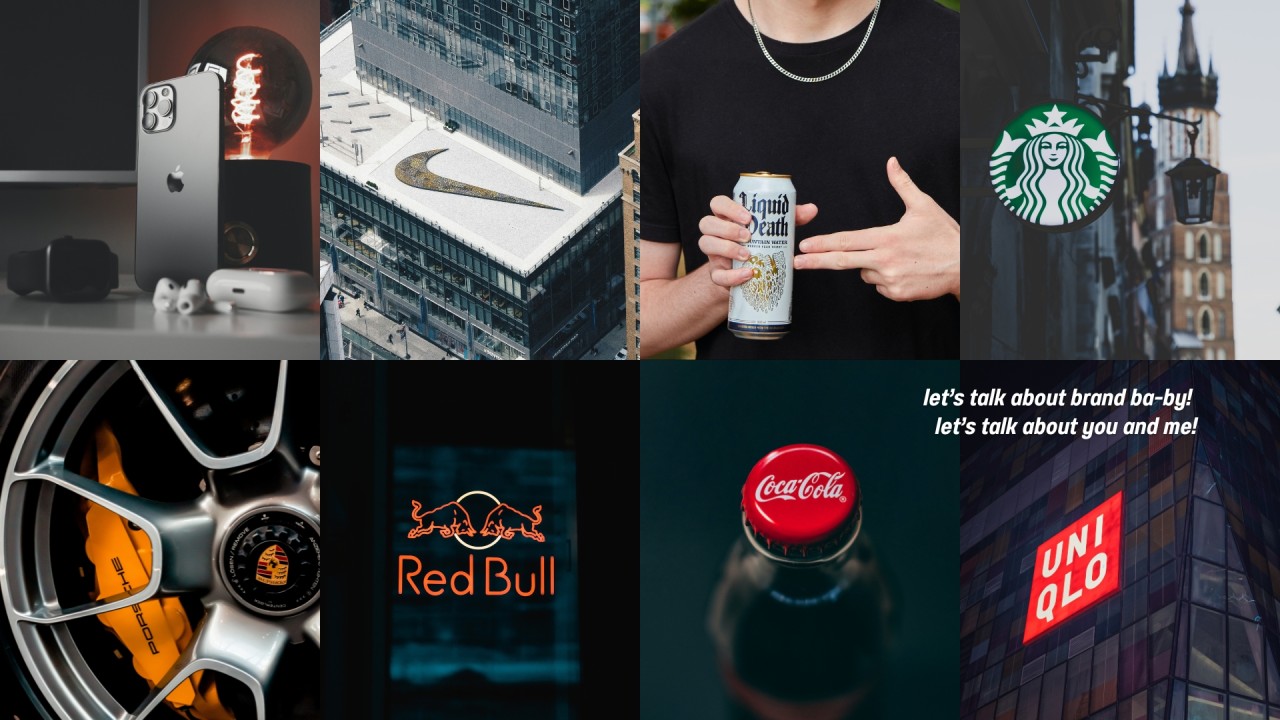
What if I told you that your favorite brands aren’t just selling you a product… but a feeling? That cup of coffee? It’s not just caffeine—it’s warmth, comfort, and routine. Those sneakers? Not just shoes—they make you feel unstoppable.

The Shift from Features to Feelings

Let’s rewind to the early days of advertising. Back in the 1950s and 60s, marketing was all about product features. ‘Our toothpaste has fluoride! Our car has more horsepower!’ But as competition grew, brands realized that logical selling wasn’t enough. People don’t just buy what something is. They buy how it makes them feel.

  • Black-and-white commercials listing features of household items
  • Transition to modern emotional ads (Nike, Coca-Cola, Apple)

Think about it—when was the last time you saw a Nike ad that listed the materials of their sneakers? Instead, they tell stories of athletes overcoming impossible odds. Nike isn’t selling you a shoe. They’re selling you the feeling of greatness.

The Psychology Behind Emotional Marketing

  1. Identity – We buy things that align with who we are (or who we want to be).
  2. Nostalgia – A strong emotional pull makes brands unforgettable.
  3. Social Proof – If others love it, we want to be part of it too.

Neuroscience tells us that emotions drive 95% of our purchasing decisions. Logic comes in after the fact—to justify why we bought that designer handbag or that latest iPhone. Brands tap into our sense of identity, belonging, and even nostalgia.

Example

  • Apple’s “Think Different” campaign → They sell innovation, not just devices.
  • Coca-Cola’s holiday commercials → They sell happiness, not just soda.
  • Harley-Davidson → Not just a bike, but a rebel lifestyle.

How Simple Products Became Cultural Icons

Some of the most iconic brands today started as simple products. But through emotional storytelling, they became movements.

Examples:

  • Starbucks: Started as a simple coffee chain. Today, it sells ritual, comfort, and community.
  • Apple: Once just another tech company. Now, it represents creativity, status, and belonging.
  • Coca-Cola: Originally a simple soda, Coca-Cola has become a symbol of happiness and togetherness. Through consistent messaging around joy and community, Coca-Cola’s storytelling has created a brand that people associate with shared moments and positive experiences.

People don’t just buy a Starbucks latte. They buy the experience of being in a cozy café, working on their dreams. It’s why people proudly hold that cup, even if it costs double the price of regular coffee.

The Future of Emotional Branding

So, where is emotional marketing headed next? In 2025 and beyond, brands will have to go even deeper into storytelling, personalization, and immersive experiences.

Predictions for the Future:

  1. AI-Driven Personalization → Ads that adapt to your emotions in real time.
  2. Metaverse & Virtual Experiences → Brands selling digital feelings (think Nike’s virtual sneakers).
  3. Cause-Driven Branding → Companies linking themselves to social movements (Patagonia, TOMS).

The brands that win won’t just sell products. They’ll sell experiences, identities, and emotions—because at the end of the day, that’s what we’re really buying.

_________________________________________________

Visit my business SAVVYPRENEURSHIP channel and if you like the content, kindly subscribe to help me grow the channel.

https://www.youtube.com/@Savvypreneurship

Leave a comment

Filed under 1, brand positioning, branding, branding not products, branding strategy, lifestyle branding

The Art of Exclusivity: How Luxury Brands Create Desire

By James D. Roumeliotis

Luxury brands aren’t just selling products; they’re selling dreams, status, and exclusivity. To maintain this aura, they employ clever tactics that go beyond simple supply and demand. Let’s look at two key strategies: artificial scarcity and selective selling.

Artificial Scarcity

Artificial scarcity is when brands deliberately limit the availability of their products, even when they could produce more. This creates a perception of rarity and increases desire.

Examples:

  1. Hermès Birkin Bags
    Hermès is the master of artificial scarcity. They’ve made their Birkin bags so elusive that:
    • You can’t simply walk into a store and buy one
    • There’s a mysterious waiting list
    • The company claims they don’t know when new stock will arrive

This strategy has turned the Birkin bag into a status symbol, with some models selling for over $300,000 in the resale market.

  • Rolex Watches
    Rolex limits the production of their most popular models, like the Daytona and Submariner. This creates long waiting lists and drives up prices in the secondary market.
  • Supreme
    This streetwear brand releases limited quantities of products once a week. Their items often sell out in minutes, creating a frenzy among fans.

Selective Selling

Some luxury brands go a step further by only selling their top-tier products to clients with a substantial purchase history. This practice:

  • Rewards loyal customers
  • Creates an air of exclusivity
  • Encourages more spending to reach the “inner circle”

Examples:

  1. Ferrari
    This illustrious brand is notorious for its selective selling practices. To buy their most exclusive models, like the LaFerrari:
    • You need a history of Ferrari ownership
    • You must be invited by the company
    • Sometimes, you need to own multiple Ferraris

The retired comedian and avid car collector, Jay Leno, was once asked why he refuses to purchase a new Ferrari and he responded by saying that the Ferrari dealership experience is like visiting a dominatrix.

  1. Hermès (again)
    To be offered a Birkin or Kelly bag, clients often need to:
    • Build a relationship with a sales associate
    • Have a significant purchase history with the brand

Why Do Luxury Brands Use These Tactics?

  1. Maintain Exclusivity: By limiting access, brands preserve their exclusive image.
  2. Create Desire: Scarcity makes products more desirable. As the saying goes, “We want what we can’t have”.
  3. Control Brand Image: By choosing who can buy their products, brands can ensure their items are associated with the “right” people.
  4. Drive Up Prices: Scarcity allows brands to charge premium prices and resist discounting.
  5. Generate Buzz: Limited availability creates talking points and free publicity.
  6. Encourage Loyalty: The promise of access to exclusive products keeps customers coming back.

How These Tactics Benefit Luxury Brands

  1. Higher Profit Margins: Scarcity justifies higher prices, leading to better profits.
  2. Brand Value Preservation: By avoiding oversaturation, brands maintain their prestige.
  3. Customer Lifetime Value: Selective selling encourages repeated, high-value purchases.
  4. Secondary Market Control: Scarcity drives up resale prices, indirectly benefiting the brand’s perceived value.
  5. Marketing Efficiency: The mystique created reduces the need for traditional advertising.

Conclusion

While the tactics used by luxury brands might seem frustrating to consumers, they’re incredibly effective for the brands. By masterfully manipulating supply and access, these companies create an aura of exclusivity that keeps their products highly desirable and valuable.

However, it’s worth noting that this strategy isn’t without risks. Brands must balance exclusivity with accessibility to avoid alienating potential customers or creating too much frustration. For entrepreneurs, there are valuable lessons here about creating perceived value, managing supply, and building customer loyalty. While most businesses can’t adopt these exact tactics, understanding the psychology behind them can inform your own marketing and sales strategies.

_____________________________________

Visit my business SAVVYPRENEURSHIP channel and if you like the content, kindly subscribe to help me grow the channel.

https://www.youtube.com/@Savvypreneurship

Leave a comment

Filed under 1, Artificial scarcity, Luxury, luxury branding, luxury lifestyle, luxury storytelling, selling luxury, super luxury cars

The Pros and Cons of a Subscription Business Model

By James D. Roumeliotis

In recent years, the subscription model has gained traction across various industries, from streaming services and meal kits to software and luxury items. However, this model is not without its challenges. Below, we explore the main advantages and disadvantages of the subscription business model to help you determine if it’s the right fit for your business.

Advantages of a Subscription Model

  1. Predictable Revenue Stream: One of the biggest benefits of a subscription model is its recurring revenue stream. Unlike traditional sales, which can be inconsistent, subscriptions provide a reliable cash flow that helps with budgeting, forecasting, and planning.
  2. Customer Retention and Loyalty: Subscription models create opportunities for long-term relationships with customers. By providing ongoing value and maintaining customer engagement, businesses can foster loyalty, leading to higher customer retention rates.
  3. Customer Insight and Personalization: Subscriptions offer a wealth of data on customer preferences and behaviors. By tracking how customers interact with the service, businesses can create personalized experiences, fine-tune offerings, and improve satisfaction, leading to an even greater lifetime value per customer.
  4. Reduced Customer Acquisition Costs: Acquiring new customers is often more expensive than retaining existing ones. A subscription model lowers this cost because satisfied subscribers are less likely to churn. Plus, satisfied customers may recommend the service to others, boosting organic growth through referrals.
  5. Upselling and Cross-Selling Opportunities: With an established customer base, businesses can upsell additional features or cross-sell complementary services. For instance, a streaming service might offer a premium tier with exclusive content, or a meal subscription service might add supplementary snack boxes.

Disadvantages of a Subscription Model

  1. Customer Churn and Retention Costs: While recurring revenue is an advantage, subscriptions can also bring about high churn rates. Some customers may cancel after a free trial or if they perceive they aren’t getting enough value. To retain customers, companies often need to invest in retention strategies, which may require additional resources.
  2. Initial Investment in Customer Acquisition: Although customer retention can be cost-effective, the initial customer acquisition phase may require significant spending on marketing and onboarding. This front-loaded investment can strain a business’s budget, particularly for new companies.
  3. Need for Constant Value Delivery: Subscription models require businesses to consistently provide value. If customers feel they aren’t receiving ongoing benefits, they may cancel, resulting in lost revenue. Continuous product improvements, quality control, and customer support are essential to sustaining subscriptions.
  4. Pricing Sensitivity: Many subscription-based companies face pricing pressure, as customers may expect substantial value for a low monthly fee. Price increases or additional fees can lead to backlash, cancellations, or a shift to competitors.
  5. Complex Infrastructure and Logistics: For businesses in e-commerce or services that involve physical deliveries, the logistics of a subscription model can become complex. Managing inventory, shipping, and customer preferences requires a robust back-end system and efficient fulfillment processes to ensure consistent customer satisfaction.

Conclusion

A subscription business model offers unique benefits, including predictable revenue, improved customer loyalty, and opportunities for personalization. However, it also comes with its set of challenges, such as the risk of churn, the need for a consistent value proposition, and potentially complex logistics. Businesses considering this model should carefully evaluate both sides to ensure alignment with their goals and resources. For many industries, the subscription model provides a path to sustainable growth, but only if the value and customer experience remain front and center.

_____________________________________

Visit my business SAVVYPRENEURSHIP channel and if you like the content, kindly subscribe to help me grow the channel.

https://www.youtube.com/@Savvypreneurship
1 Comment

Filed under 1, Business, business model, subscription model

The Best Strategy For a Luxury Business to Attract and Sell to the 1% ─ Also Known As The Ultra-High Net Worth Individuals

James D. Roumeliotis

Attracting and selling to the ultra-high net worth individuals (UHNWIs), often referred to as the 1%, requires a strategic and personalized approach given their distinct preferences, expectations, and purchasing behaviors. Here are some effective strategies for a luxury business targeting this exclusive market:

  1. Personalization and Customization:
    • UHNWIs appreciate personalized and bespoke experiences. Tailor your products and services to meet individual preferences and offer exclusive customization options.
  2. Exclusivity and Limited Editions:
    • Create limited edition products or services that are exclusive to UHNWIs. Limited availability enhances the allure of your brand and products.
  3. VIP Services and Privileges:
    • Offer VIP services such as priority access, private viewings, and exclusive events. UHNWIs value unique experiences and providing them with privileged treatment enhances their connection to your brand.
  4. Private Consultations:
    • Provide private consultations or concierge services where UHNWIs can receive personalized attention and guidance. This can include private shopping experiences or dedicated advisors.
  5. Exceptional Quality and Craftsmanship:
    • UHNWIs seek the highest quality and craftsmanship. Ensure that your products or services are of unparalleled quality, using the finest materials and skilled artisans.
  6. Brand Heritage and Legacy:
    • Highlight your brand’s heritage and legacy. UHNWIs often appreciate the history and traditions associated with luxury brands.
  7. Collaborations with Influencers:
    • Partner with influential personalities or celebrities who resonate with the tastes and lifestyles of UHNWIs. Their endorsement can enhance your brand’s desirability.
  8. Exclusive Membership Programs:
    • Introduce exclusive membership programs that offer unique benefits, such as access to limited editions, private events, and personalized services.
  9. Art and Cultural Connections:
    • Align your brand with art, culture, and philanthropy. UHNWIs often have a keen interest in supporting and engaging with cultural and charitable initiatives.
  10. Digital Presence with Discretion:
    • Maintain a sophisticated and discreet digital presence. UHNWIs value privacy, so ensure that your online interactions and communications respect their need for confidentiality.
  11. White Glove Service:
    • Implement a white glove service approach, going above and beyond to meet the expectations of UHNWIs. This includes seamless and personalized customer service.
  12. Networking Opportunities:
    • Create exclusive networking events where UHNWIs can connect with like-minded individuals. Building a community around your brand enhances its appeal.
  13. Tailored Marketing and Communication:
    • Craft marketing messages and communication materials that resonate with the aspirations and lifestyle of UHNWIs. Use high-end publications and targeted platforms.
  14. Innovative Technology Integration:
    • Incorporate innovative technologies or cutting-edge features into your products or services to demonstrate a commitment to staying at the forefront of luxury trends.

In the end, building trust, maintaining discretion, and consistently delivering exceptional experiences are key elements in attracting and retaining UHNWIs. It’s not just about selling a product; it’s about creating a lifestyle and a sense of exclusivity that aligns with their values and aspirations.

____________________________________________________ 

Request your TWO FREE chapters of this popular book with no obligation.

EntrepreneurialEssentials - FrontCover Final

Leave a comment

Filed under 1, Luxury, luxury branding, luxury lifestyle, luxury storytelling, selling luxury, what is luxury

This Blog’s Top Five Most Read Business Articles in 2023

By James D. Roumeliotis

The five most-read/popular articles in this blog have been rounded-up for 2023.

Thank you for your readership! Much health and triumph to you this year.

1] Diffusion of Innovation: Getting past the first wave of innovators and early adopters to reach the tipping point

2] The Art of Selling Luxury Products: Brand Story Telling & Persuasion

3] Genuine Luxury vs Accessible Luxury: Two Distinct Yet Opposing Categories

4] 12 Tell-tale Signs That a Person Will Be Successful: What to Look for in a High-Value Person

5] Evergreen Businesses to Launch: Enterprises Which Thrive Regardless of Economic Conditions

1 Comment

Filed under 1, Business

10 Things We Learned About Business Trends in 2023

By James D. Roumeliotis

Pleased to share my final take for the year in a brief video presentation. Your thoughts are encouraged.

Much health and progress in 2024.

Leave a comment

Filed under Business

Branding Strategies for Professional Practices-Firms

James D. Roumeliotis

Branding is essential for professional practices such as dentists/orthodontists, law firms, architect offices, and specialty physician practices such as Plastic Surgeons, to distinguish themselves in competitive markets and build a positive reputation. Here are branding strategies tailored for each:

Dentists & Orthodontists:

  1. Distinctive Logo and Colors:
    • Create a professional and memorable logo that reflects the dental practice’s values and expertise.
    • Choose a color scheme that conveys cleanliness, trust, and professionalism.
  2. Patient-Centric Messaging:
    • Craft messaging that emphasizes patient comfort, care, and overall oral health.
    • Highlight modern technologies and techniques to showcase the practice’s commitment to quality.
  3. Online Presence:
    • Develop a user-friendly website with information about services, staff profiles, and patient testimonials.
    • Leverage social media platforms to share oral health tips, showcase before-and-after cases, and engage with the community.
  4. Community Engagement:
    • Sponsor local events, participate in health fairs, and collaborate with schools to promote oral health education.
    • Offer promotions or discounts for community members to encourage new patient referrals.
  5. Professional Referral Networks:
    • Build relationships with local healthcare professionals for referrals.
    • Ensure a seamless and positive experience for patients referred by other healthcare providers.

Law Firms:

  1. Logo and Brand Identity:
    • Design a logo that reflects the law firm’s values and specialization.
    • Use consistent branding elements across all communication channels, including letterheads, business cards, and the firm’s website.
  2. Specialization Showcase:
    • Clearly define the firm’s areas of expertise and specialization.
    • Showcase successful cases or client testimonials to build credibility.
  3. Website Optimization:
    • Develop an informative and user-friendly website with a professional design.
    • Include lawyer profiles, case studies, and legal resources to establish the firm as an authority in its field.
  4. Thought Leadership:
    • Establish lawyers as thought leaders by writing articles, blog posts, or whitepapers on legal topics.
    • Leverage social media and guest appearances in legal forums to share insights and expertise.
  5. Client-Centric Approach:
    • Emphasize client satisfaction and a client-centric approach.
    • Provide transparent communication, set realistic expectations, and offer personalized services.

Architect Offices:

  1. Portfolio Presentation:
    • Showcase a diverse and visually appealing portfolio of completed projects on the website and other marketing materials.
    • Highlight the unique design elements and problem-solving approaches in each project.
  2. Design-Centric Branding:
    • Reflect the firm’s design philosophy in its branding, using clean lines, modern fonts, and visually appealing color schemes.
    • Incorporate architectural sketches or blueprints into the branding to convey creativity and innovation.
  3. Collaboration and Innovation:
    • Emphasize a collaborative approach to projects, showcasing the team’s ability to work closely with clients.
    • Highlight innovative design solutions and the use of sustainable or cutting-edge materials.
  4. Digital Presence:
    • Utilize digital platforms like Instagram, Pinterest, and Houzz to visually showcase completed projects and design inspiration.
    • Maintain an up-to-date and visually engaging website that reflects the firm’s design sensibilities.
  5. Networking and Industry Involvement:
    • Attend industry events, join architectural associations, and participate in design competitions to enhance visibility.
    • Network with other professionals in the construction and design industry for collaboration opportunities.

Specialty Physician Practices:

1. Define Your Unique Value Proposition (UVP):

  • Clearly articulate what sets your specialty practice apart from others.
  • Highlight your unique expertise, cutting-edge technology, patient-centric approach, or any specific services that distinguish your practice.

2. Create a Professional and Recognizable Brand Identity:

  • Develop a distinctive logo and use a consistent color palette and design elements.
  • Ensure your visual identity reflects the professionalism and trustworthiness associated with healthcare.

3. Optimize Online Presence:

  • Design a user-friendly and informative website that includes details about your specialty, services offered, physician profiles, and patient testimonials.
  • Utilize search engine optimization (SEO) to ensure your practice appears in relevant online searches.

4. Educational Content Marketing:

  • Establish your practice as an authority in your specialty by creating and sharing educational content.
  • Maintain a blog on your website covering relevant health topics, treatment options, and the latest advancements in your field.

5. Patient-Centric Branding:

  • Emphasize your commitment to patient care and satisfaction in your branding.
  • Use patient testimonials, success stories, and case studies to showcase positive outcomes and patient experiences.

6. Utilize Social Media for Engagement:

  • Engage with your audience on social media platforms like Facebook, Instagram, or Twitter.
  • Share relevant health tips, success stories, and updates about your practice. Respond promptly to patient inquiries and feedback.

7. Community Involvement and Partnerships:

  • Participate in local health fairs, events, or community initiatives to increase your practice’s visibility.
  • Establish partnerships with local healthcare organizations or community groups to enhance your community presence.

8. Professional Referral Networks:

  • Develop strong relationships with referring physicians and specialists.
  • Ensure seamless communication and coordination between your practice and others involved in a patient’s care.

9. Online Reviews and Reputation Management:

  • Encourage satisfied patients to leave positive reviews on platforms like Google, Healthgrades, or Yelp.
  • Manage and respond to reviews professionally, demonstrating your commitment to patient satisfaction.

10. Telemedicine Services:

  • If applicable, highlight your practice’s use of telemedicine for remote consultations.
  • Emphasize the convenience and accessibility of virtual appointments.

11. Consistent Communication:

  • Establish a regular communication strategy to keep patients informed about practice updates, new services, or relevant health information.
  • Utilize newsletters, email campaigns, and social media for consistent outreach.

12. Crisis Communication Plan:

  • Develop a crisis communication plan to address any unforeseen challenges or crises promptly.
  • Be transparent, provide accurate information, and maintain open communication with patients and the community.

13. Continued Education and Training:

  • Showcase the ongoing education and training of your physicians and staff to highlight your commitment to staying at the forefront of your specialty.

14. Innovative Technology Integration:

  • Highlight any advanced or innovative technologies used in your practice.
  • Showcase how these technologies contribute to better patient outcomes and experiences.

By implementing these branding strategies, professional practices can build a strong and positive image, attract clients, and differentiate themselves in their respective industries.

______________________________________________________

Request your TWO FREE chapters of this popular book with no obligation.

EntrepreneurialEssentials - FrontCover Final

Leave a comment

Filed under 1, Branding, branding, branding for professional firms, branding strategy

How to Create Artificial Scarcity for Exclusivity, Cachet & Stellar Profit Margins

By James D. Roumeliotis

Creating artificial scarcity with products is a shrewd marketing strategy that aims to increase demand and perceived value by limiting the availability of a product or service. It can be used to generate excitement, urgency, and a sense of exclusivity among consumers.

However, to earn respect and steadfast clientele as a “prestigious” brand, it’s essential to approach this strategy ethically and transparently. Here are some methods to create artificial scarcity with products:

  1. Limited Editions: Offer limited editions of your products, making it clear that there will only be a fixed number available. This can create a sense of urgency among customers who want to own something unique and exclusive.
  2. Time-Limited Offers: Implement time-limited offers or flash sales, where the product is available at a discounted price for a short period. This encourages customers to make quick decisions to avoid missing out on the deal.
  3. Pre-Orders and Waitlists: Launch products with pre-order or waitlist options. By allowing customers to reserve a product before it’s officially released, you can create anticipation and interest in the item.
  4. Seasonal or Holiday Releases: Introduce products that are specifically tied to certain seasons or holidays. This creates a sense of urgency as customers know the product will only be available for a limited time.
  5. Controlled Distribution: Control the distribution of your product to specific regions or stores, making it harder for customers to access it, and thus creating a perception of scarcity.
  6. VIP Access: Offer exclusive access or early release to a select group of customers, such as loyal customers, members of a loyalty program, or influencers. This can make others desire the product even more.
  7. Limited Time/Quantity Promotions: Run promotions where a specific number of units are available with added benefits (avoiding discounts). Clearly communicate the limited quantity or time frame to create urgency.
  8. One-Time Reissues: If you have an older product that was well-received but discontinued, consider reissuing it for a limited time. This could create a surge in demand from customers who missed out on the initial release.

Building cachet

Building cachet in a product or service is a strategic approach used by businesses to create a perception of prestige, exclusivity, and desirability. It involves enhancing the brand image and reputation to attract a select target audience willing to pay a premium for the perceived value and status associated with the offering. It requires consistent messaging, attention to product quality, and a clear understanding of the target audience’s desires and values.

Cases in point: Nike vs. Hermès; Diamond industry; Prime energy drink

Hermès is not the world’s biggest fashion label ─ it’s Nike, followed by Louis Vuitton (LVMH group), Gucci (owned by Kering), Chanel, Adidas and finally Hermès. But Hermès appears to be the most desirable brand. Recently, the stock price of the French leather goods company, founded by harness-maker Thierry Hermès in 1837, soar to more than €2,000 per share. It raised Hermès’s market cap to €210 billion, even surpassing that of Nike. Hermès is primarily owned by the Hermès family, which through its holding company, H51, holds the majority of the company’s stake, and one of the few luxury brands that remained independent.

Much of Hermès’s magnetism comes from positioning itself as an exclusive brand by creating scarcity over its two priciest best-sellers ─ the Birkin, starting at €15,000 and produced in small numbers (artificial scarcity, thus waitlists) and the Kelly bags. These two alone accounts for €2 billion in annual sales.

A notable industry which in its entire history has created artificial scarcity is the diamond sector. It controls supply to manipulate prices. On top of extreme ethical violations, leaders in the diamond industry are extremely clever in limiting the supply of the clear and glitzy rocks. Despite diamonds being numerous, fake scarcity keeps prices extremely high. The estimates on markups are broad, but most of the reliable sources indicate that at least 300% is the usual markup. 

Prime Hydration is a line of fruit-flavoured sports drinks fortified with vitamins and minerals. It was launched by rapper and boxer KSI and YouTube content creator Logan Paul in January 2022.  It’s so popular worldwide that in places, such as the United Kingdom, grocery stores have had to ration it. In the U.S. and Canada, it retails online for about $10 per 500 ml (16.9 oz.) bottle. So, what gives with this particular product?

  • FOMO (Fear of Missing Out): Scarcity triggers the fear of missing out, and consumers may be more motivated to purchase an energy drink if they believe it won’t be available for long.
  • Collectability: Limited-edition or rare energy drinks can become collectibles, appealing to enthusiasts who want to own and preserve unique products.
  • Social Media Buzz: Artificial scarcity can generate buzz on social media platforms as consumers share their excitement about the limited availability of the product.

In the final analysis

Remember that while creating artificial scarcity can be an effective marketing tactic, it’s essential to maintain transparency with your customers. Be clear about the limited nature of the offer and avoid deceptive practices that may undermine trust in your brand. Additionally, be mindful of potential backlash if customers feel manipulated or misled. Artificial scarcity should be used ethically and as part of a well-rounded marketing strategy.

___________________________________________

Request your TWO FREE chapters of this popular book with no obligation.

EntrepreneurialEssentials - FrontCover Final

Leave a comment

Filed under Artificial scarcity, brand equity, brand image, brand management, brand positioning, Branding, branding not products, branding strategy, lifestyle branding, lifestyle marketing, luxury branding, Marketing, marketing strategy, niche marketing, strategic marketing

Business Newsflash: A fine product or service will only succeed with clever branding and marketing

James D. Roumeliotis

Clever branding and marketing can certainly play a crucial role in the success of a product or service. While it’s not the sole determining factor, effective branding and marketing strategies can significantly impact a brand’s visibility, customer perception, and overall sales. Here’s why branding and marketing are important:

  1. Differentiation: In a competitive marketplace, branding and marketing help distinguish a product or service from its competitors. Clever branding allows a brand to develop a unique identity, positioning it as distinct and memorable in the minds of consumers. Effective marketing communicates these unique selling propositions, highlighting the benefits and value the product or service offers compared to others in the market.
  2. Building Awareness: Branding and marketing are essential for creating awareness and generating interest in a product or service. Through strategic marketing efforts, such as advertising, public relations, social media, and content marketing, a brand can reach its target audience, educate them about the offering, and generate buzz. This increased visibility helps to attract potential customers and generate leads.
  3. Consumer Trust and Perception: Strong branding and marketing can enhance consumer trust and perception. A well-crafted brand identity, including a compelling brand story, logo, and consistent messaging, can create a sense of authenticity and reliability. Effective marketing campaigns that communicate the brand’s values, quality, and customer benefits can build trust with consumers, encouraging them to choose the product or service over competitors.
  4. Customer Loyalty and Advocacy: Clever branding and marketing can foster customer loyalty and advocacy. A well-established brand with a positive reputation and strong brand affinity is more likely to retain customers and encourage repeat purchases. Engaging marketing campaigns and strategies that prioritize customer satisfaction can turn customers into brand advocates who willingly promote the product or service to others, leading to organic growth.
  5. Adaptability and Innovation: Branding and marketing also allow a brand to stay relevant in a dynamic market by adapting to changing consumer preferences and trends. Through continuous market research, branding can evolve to meet consumer needs and expectations. Effective marketing strategies can showcase product updates, innovations, or new offerings, ensuring that the brand remains competitive and appealing to its target audience.

While branding and marketing are important, it’s essential to note that they should be supported by a quality product or service. Clever branding and marketing alone may attract initial attention, but the ultimate success of a product or service relies on delivering value, quality, and meeting customer expectations.

_____________________________________________________

Leave a comment

Filed under 1, Branding, branding not products, branding strategy, Business, Marketing, strategic marketing

The Distinction Between CPG Brand Management and Luxury Brand Management

By James D. Roumeliotis

Brand management is the process of creating, developing, and maintaining a brand in order to achieve business goals. It involves establishing a brand identity, building brand equity, and ensuring that the brand remains relevant and competitive in the market. However, brand management strategies can vary depending on the type of brand being managed. In this article, we will explore the differences between managing a consumer-packaged goods (CPG) brand and a luxury brand.

What is CPG brand management?

CPG brands are typically everyday products that consumers use on a regular basis, such as food, beverages, personal care products, and household items. CPG brand management is all about creating a brand that appeals to a broad range of consumers and maintaining that brand in a highly competitive market. CPG brand managers need to focus on product innovation, pricing, packaging, distribution, and marketing in order to succeed.

The focus of CPG brand management is on creating a consistent and reliable product that consumers can trust. CPG brands often have lower profit margins than luxury brands, which means that cost control is critical to their success. CPG brand managers need to carefully balance the cost of producing their products with the price they charge consumers in order to maximize profits. Additionally, CPG brands need to be marketed in a way that appeals to a broad audience and drives sales volume.

What is luxury brand management?

Luxury brands, on the other hand, are products or services that are associated with high levels of quality, exclusivity, and status. Luxury brand management is all about creating a brand that conveys a sense of prestige and luxury to consumers. Luxury brand managers need to focus on product design, craftsmanship, exclusivity, and marketing in order to succeed.

The focus of luxury brand management is on creating a sense of exclusivity and rarity that appeals to a select group of consumers. Luxury brands often have higher profit margins than CPG brands, which means that their pricing strategy can be more flexible. Luxury brand managers can charge premium prices for their products, and they often use scarcity and limited availability to create a sense of exclusivity.

Luxury brands are also marketed in a way that is different from CPG brands. Instead of appealing to a broad audience, luxury brands target a niche market of high-net-worth individuals who are willing to pay a premium for quality and exclusivity. Luxury brand managers often use celebrity endorsements, event sponsorships, and other high-end marketing techniques to build brand awareness and create a sense of exclusivity.

Key differences between CPG brand management and luxury brand management:

  • Target market: CPG brands target a broad audience, while luxury brands target a niche market of high-net-worth individuals.
  • Product features: CPG brands focus on creating a reliable and consistent product, while luxury brands focus on exclusivity and rarity.
  • Pricing strategy: CPG brands typically have lower profit margins and need to balance the cost of production with the price they charge consumers, while luxury brands can charge premium prices and use scarcity to create a sense of exclusivity.
  • Marketing strategy: CPG brands are marketed in a way that appeals to a broad audience, while luxury brands use high-end marketing techniques to build brand awareness and create a sense of exclusivity.

In conclusion

While both CPG brand management and luxury brand management involve creating and maintaining a brand, the strategies used to achieve these goals can be very different. CPG brands focus on creating a consistent and reliable product that appeals to a broad audience, while luxury brands focus on exclusivity and rarity to appeal to a select group of high-net-worth consumers. Understanding these key differences is essential for developing effective brand management strategies in either context.

__________________________________________

Request your TWO FREE chapters of this popular book with no obligation.

EntrepreneurialEssentials - FrontCover Final

Leave a comment

Filed under 1, brand image, brand management, brand positioning, cpg branding, cpg marketing, luury branding, Luxury, luxury storytelling, selling luxury

The Cult Brand: Providing an exceptional experience to the point of total customer devotion

by James D. Roumeliotis

There are brands that tout the virtues of their products and/or services with a religious fervor. A “cult” brand is a product or service with a strong loyal customer following, whereby their clients are fanatical about their products or services to the point where their lifestyle revolves around those popular brands. This level of fanaticism also makes those devout followers unsolicited brand ambassadors.

Cult brand examples with customer aficionados include Apple, BMW, Porsche, Fox News, Lulumemon, Zappos, Oprah, Harley Davidson and Starbucks to name a few. As for Starbucks, it offers a superior product and experience that some people would go out of their way, by driving by less expensive alternative coffee shops, to pay for Starbucks’s pricier cup of coffee.

More than just a product or service, it is a lifestyle

Generally speaking, brands that are designed for a lifestyle should have a much higher emotional value to consumers than ones based on features like cost or benefits alone.

Call it “hype” or give it any other label, cult brands are a unique breed that create and are given plenty of attention. Their brand value is also much higher than their closest competitors. They have achieved a special connection with consumers through their distinctive appeal.

Unlike religious or similar type cult following, the cult brand is considered “benign” or a “benign cult” since it satisfies a need and desire in a positive and harmless manner. Some brand loyalists have gone as far as having their beloved brand tattooed on their body.

A brand is considered as a “cult” brand if the following aspects are present:

  1. Customers receive more than a product and/or service ─ they experience a lifestyle;
  2. Brand devotees firmly believe there are no substitutes for their beloved brand;
  3. Customers feel a sense of ownership with the brand;
  4. Loyalty is prolonged over time compared to brands which are considered fads and unsustainable in the long-term;
  5. An extraordinary degree of customer loyalty exists.

Ingredients of a cult brand: using psychology, identity and a sense of belonging

It is not enough for brands to spend plenty of money on glorified advertising. Any company with an adequate budget can do that. The essential challenge is to utilize an approach that makes people want to embrace a product and/or service that people would enjoy making it part of their life, as well as identity and belonging.

Brand cult status is an emotional component of the brand but it is not as simple to achieve. As per The Cult Branding Company, a brand consultancy firm, there are seven rules of cult brands this author stands behind ─ and are as follows:

Rule #1 – Differentiate: To achieve a special connection with consumers, the brand should have a distinctive allure and be unconventional in a good sense.

Rule #2 – Be Courageous: Cult Brands are successful because they are unlike their competitors. They possess their own personality, DNA and rules. They are also passionate about their offerings and their customers for whom they exist in the first place.

Rule #3 – Promote a Lifestyle: The goal of a lifestyle brand is to get people to relate to one another through a “concept brand.” These brands successfully sell an identity, image and status rather than merely a “product-service” in the traditional sense of the term.

Rule #4 – Listen to Your Customers: Focus on serving your customers’ desires by being customer-centric. Encourage feedback and utilize it as an opportunity to form ideas, and provide solutions that establish and retain loyalty.

Rule #5 – Support Customer Communities: Cult Brands build effective and sustainable relationships with their customers by developing and supporting a customer community that allows users, partners, and company employees to share information, answer questions, post problems, and discuss ideas about product enhancements and best practices in real-time. Cult brands also gather their loyalists by organizing occasional social events to ignite additional enthusiasm for the brand.

Rule #6 – Be Open, Inviting, and Inclusive: Cult Brands do not discriminate in terms of age, race, or sexual preference. As such, everyone who believes in the brand’s mission is welcome.

Rule #7 – Promote Personal Freedom: For most, the Abraham Maslow hierarchy of needs pyramid includes elements of self-esteem and self-actualization. As such, a well-regarded brand will express this as much by promoting freedom which is essential in expressing one’s own unique identity and worldview without fear of consequences.

In the end: Achieving the highest level of emotional connection via brand advocacy

Cult brands have a fanatical customer base. A culture is created around the brand based on consumers of a niche group. From there, the brand evangelists spread the message and enlist more followers.

When consumers are treated with honesty and delighted by a brand experience, they begin to bond emotionally with the brand. They become brand loyalists and advocates – buying the brand more often and recommending it to others. This behavior serves to build the brand’s reputation. This approach is priceless – even though it may take longer to take a positive effect.

That said, innovative products, exceptional services, the total customer experience and the lifestyle which comes with being associated with the brand are what truly makes a cult brand exceptional from competing brands. The key objective is to create a relationship of trust. The world’s powerful brands establish trust and friendship with their customers. They develop emotional capital, and gain passion. This is what makes them great, thus “cult” brands.

______________________________________________________________

Request your TWO FREE chapters of this popular book with no obligation.

EntrepreneurialEssentials - FrontCover Final

Leave a comment

Filed under 1, Branding, branding not products, branding strategy, cult branding, lifestyle branding

Exploiting The Benefits Of Niche Marketing: Strategic Marketing

By James D. Roumeliotis

In strategic marketing “speak”, who earns more money? A general practitioner or a specialist physician such as an ophthalmologist? The latter has spent additional years studying with an emphasis on one particular area of practice which makes him or her both scarce and sought after in his or her profession. The same goes for an organization that has spent years studying the market with emphasis on doing one thing, but one thing extremely well. This automatically justifies higher fees translating to improved earnings. How does a saddle maker to the horse and carriage trade reposition itself to maximize its know-how in leather goods to now command $4,500 for a simple briefcase? Or even hawk silk scarves at $400? Think Hermes.

The answer lies in specialization, craftsmanship, and branding. As with all other specialized professions, a business that, chooses to concentrate on a particular market segment should simply be generating higher revenues. Alternatively, if you join the herd of the mainstream, there is always a vast consumer audience to tap. Profit is driven by volumes. It is harder to compete on price to the point of being perceived as offering a commodity with little or no differentiation — otherwise known as a “unique selling proposition” (USP). The only exception to that rule is when an enterprise keeps churning out innovative, “must-have” items ahead of its competition. Yet that requires constant creativity, refinements, and a considerable amount of R&D. Apple is an example of a brand that has managed to hit both objectives. Not bad for an enterprise, that started life in a garage.

Defining the term “Niche”
Strategically, niche marketing is the way to go forward. However, you ought to be on top of the game. Recently, the firm Kusmi Tea has managed to put all the right elements together in an unbeatable combination. It personifies mass marketing and branding. If you have a specific group of people interested in “organic tea”, you have your proverbial niche. Whether promoting niche products, in focused markets, such as those for vegans, cruises exclusively for “cougars and cubs” or geared for ultra-high net worth individuals, the activities applied to attract that refined target undoubtedly calls for creative strategic thinking.

Targeted Audiences
The best way to start is to define your target audience. An 18-year-old girl who wants to lose weight to fit into her dress is interested in weight loss diets. Hit her at her waistline, and the target is captured with simplicity.

The family who just purchased a puppy wants it trained and therefore requires the appropriate service. Show you can make a dog shake, rattle, and roll and still act well-behaved in the company of others and you will no longer need to flog dog whistles. Ever notice how a 50-year-old lady wants to hide her wrinkles and is always searching for a miracle formula to make her wrinkles disappear in minutes? Open Vogue and see how this “class act” can be achieved. These cited groups above represent finely honed targeted audiences. Marketing to such audiences and building an emotional bridge from the intention to purchase decision always attracts higher conversions. You don’t need to recreate the wheel. All you need to do is to find a suitable product that your target audience is looking for and present it on a silver platter. All target audiences liked to be addressed with intimacy and personal contact.

Driving the Niche
Common sense tells you that driving a selected audience is efficient and lucrative.
The following key index shows how niche marketing should be your chosen business strategy:
1. When entering a new niche market, generally you will not have much competition to deal with. This is justification alone for choosing a specific market in the first place. It also makes your SEO (Search Engine Optimization) Internet marketing strategy focused and cost-effective.

2. Niche markets appeal to target customers, and they are generally much more willing to spend money when their specific needs are met. This means that by catering to a specific target market, you can generally earn a better profit margin.

3. Some niche markets contain sub-groups of the main niche. For example, acai berry weight loss pills or natural weight loss diets are sub-niches from the weight loss niche. Despite their relatively small size, they are actually quite sought after. Identifying this need spares you from having to compete with similar businesses. People who fit this profile will seriously consider your product — especially if it offers them a genuine solution.

4. Niche marketing makes it possible to focus on becoming a true expert within a particular realm while building a reputable brand name. Strategically, it is also more focused and easier to segment and attack.

The “Ideal” Niche Player
A niche market player is very effective at working closely with customers to build and maintain long-term relationships by innovating and challenging the existing norms in the industry, thus adding value to the project, program, and organizational level. If one is considered an expert in what one does by focusing on one area, then great success will follow. The value proposition must be relevant to the target market.

This means a target market must be clearly defined. Focusing on a specific market requires knowing it inside and out. This includes conducting a market analysis, stating a precise target market description and goal, as well as being clear about the type of relationship one would like to achieve with his/her market.

By definition, then, a business that focuses on a niche market is supplying a need for a product or service that is not being met by mainstream providers. As such, one can think of a niche market as a narrowly defined group of potential clients offering them the best of what you have. In return, their vendors will profit from higher margins and customer loyalty. As for targeting smaller “sub” niches, you will find them much easier to dominate.

____________________________________________________________________________

Request your TWO FREE chapters of this popular book with no obligation.

EntrepreneurialEssentials - FrontCover Final

Leave a comment

Filed under 1, Marketing, niche marketing, strategic marketing

The Art of Selling Luxury Products: Brand Story Telling & Persuasion

By James D. Roumeliotis

Correct link: https://bit.ly/3ew7I56

Recently, I followed a Linkedin luxury sector group thread. Discussion centered on the appropriate manner clients should be treated by sales personnel in a luxury retail shop such as Gucci.

To my astonishment, one participant, posing as an expert stated that salespeople at such boutiques should be snooty. The reason given was that this attitude was part of the luxury cachet.

How ludicrous and puerile, I thought.

In my experience, this is precisely what you should not do. Whether you spend $10,000 or more on a Rolex or $20,000 or more at Hermes all clients should be treated with respect. Period. Aspiration and negative attitude sales pitches are not only counterproductive, but they are also destructive. (I might add, that this should be true of all human interaction and not just the act of buying luxury products.)

Does Luxury Really Have Meaning?

Luxury was never about price. This is an outdated concept built on a social model which is incompatible with democratic values. It is about brands, which are authentic. Authenticity implies function, design, intrinsic value, and in certain cases heritage and pedigree.

Luxury must provide the right experience.

Sophisticated customers want the wow factor.

This means touching the heart and dazzling the senses. When done in this manner, the client feels their lifestyle enhanced. Yes, I know, like you do that a product is just a thing. However, things act as a trigger and can alter perception, inner balance, and outer harmony.

Look at the keys to luxury brand management and you will recognize the essentials in selling aspiration:

1) Self-expression and sense of self
2) Exceptional treatment and experience when in the act of purchase
3) Craftsmanship=Quality
4) Authenticity
5) The Rarity Factor
6) Emotional Bonding
7) Mystique

To achieve these elements the brand must be expert storytellers. One of the grand storytelling kings, Ralph Lauren, understands this like the lines on his hand.

Exceeding Expectations

Luxury goods are not sold the same way as mainstream products. It’s not enough to simply introduce and sell a luxury brand surrounded by a fancy store with design-inspired display cases either. Consumers of luxury brands tend to have higher expectations than that of traditional consumers. They are discerning and sensitive to questionable tactics, as well as intolerant when comes to aggressive salespeople.

The attitude, product knowledge, and overall delivery/presentation of the product by the sales consultant/brand ambassador all play an equally important role. This translates to a well-educated, skilled staff having good communication skills, a high level of presentation skills, and a customer-centric approach.

A study by The Luxury Institute, in New York, finds that Burberry and Bottega Veneta excel far better in CRM (Customer Relationship Management) than other companies. Their key findings were under the title:

“Leading Edge Insights Into The World Of The Wealthy”

Sales associates should be employed from related luxury brands and products, with consideration given to those in the service sector such as hospitality or premium airlines: Singapore Airlines, Swiss Airlines, Emirates, and others — or perhaps from premium apparel brands and high-end cosmetic brands. One thing is certain: Training ought to be based on specific brand requirements.

As more luxury brands open their own retail outlets to stand apart, they need to better control sales channels, image, and front-line personnel.

One cannot stress enough for Sales teams to have the right training.
For new sales hires not familiar with selling luxury brands, a company has to invest to train them and ensure occasional retraining including recap courses. Luxury sales training should include:
– In-depth product knowledge – specifically how it will help satisfy the customer’s needs;
– Focus on the customer – who they are, what they like/dislike, determine needs, motivations and preferences;
– Exceed customer expectations by delighting and surprising;
– Appeal to client emotions;
– Never put down the competition.

Ultimately, craftsmanship, design innovation, exclusivity, and pedigree sell themselves. Correct sales attitudes should personify the luxury branded products and it becomes in the client’s eyes a done deal.

Selling, or Rather, Storytelling with Product Knowledge and Finesse

Consumers today are sophisticated when it comes to shopping – thanks primarily to the internet where information on just about any product can be researched and used for comparison purposes. Consequently, when a prospective client walks into a store, he/she is armed with knowledge – which is why the sales professional should be product proficient and adept at assisting and guiding the client to the purchase by making use of flattery, romance, and showmanship. Charisma is an asset.

To illustrate, if a sales consultant, wearing a pristine white pair of gloves is presenting, for instance, a Chopard watch, he/she will utilize terms with finesse and avoid using language which discusses a specific price tag. In its place, the word “value” can be used. Instead of calling the product an obvious “watch”, the sales consultant can say, “timepiece”, “masterpiece” or simply pronounce the model name. It should then be demonstrated in a dazzling manner emphasizing its innate qualities and timeless design with functionality – amongst other features that focus on one’s sentiments.

When selling a niche automobile such as a Porsche, the sales professional can talk about racetracks, describe road-holding capabilities, and build up a fascinating story – after which time he/she can bring up reliability and the technical details which confirm to the discerning client what he/she is already aware of.

Hiring Selection Process: Who Should Make the Cut?

When seeking to hire sales consultants, there should be a set of criteria established to ensure a successful performance. The people selected for the end-user contact should have the following characteristics:

1) Retail sales experience in a luxury environment;

2) Empathetic: expertise in establishing customer relationships that translate into sales;

3) Image: proper attire and fashion accessories, verbal communication, and grooming. Clients should see the brand made manifest so it has a personal connection;

4) Skilled at the emotional aspects of a sale: bond with customers so that relationship leverage is genuine;

5) Passionate and Professional mindset;

6) Highly collaborative: knows how to work with and through others in a team-based environment;

7) Entrepreneurial, competitive, self-confident, and self-motivated.

Discounted Luxury is an Oxymoron

Under no circumstances should luxury brands be discounted. They need to stick to their true sense of meaning and heritage. By cutting prices, brands risk changing the quality-price relationship in the customer’s mind. This practice normally stems from sales consultants, who may not be convinced that the particular luxury goods offered for sale actually merit the price.

Such an attitude can be tricky to navigate effectively. Customers need to believe otherwise they question and the product is devalued in their eyes. Salespeople, who are not up to this aspect of brand personification should not be hired.

Price discounts should be a tactic of last resort.

A robust alternative is to offer gift items or bonuses such as complimentary tickets to Art exhibitions, gift certificates, or access to a coveted local restaurant.

Employ Mystery Shoppers

In the retail brand experience, nothing should be taken for granted. In a progressive customer-driven entity, training and developing human assets should be an ongoing process. Moreover, brands should be an enemy of the status quo.

Hiring mystery shoppers to gauge the total sales cycle approach and report back their experience to management should not be ignored.

Another suggestion is for the luxury boutique owners to hire a third party such as a consultancy firm, which specializes in the high-end retail domain, to shadow the sales consultants and evaluate their performance.

Both techniques need to be conducted with frequency. How can you understand what the client expects by acting and gauging behavior in the field? You can’t.

The Final Take

Remember, a luxury sales professional does not pressure customers to buy.

He/She plays the role of a luxury purveyor and advisor – someone who is an expert product consultant and keeps a client’s best interests at heart. By demonstrating value, a sales consultant establishes himself/herself as a professional.

It’s about establishing a person-to-person relationship as opposed to a salesperson-to-customer relationship.

In today’s economy, service has become a core competitive advantage. Hiring the right people and training them to sell properly, increase sales and retain the brand’s luster should all be part of its ongoing ambitions.

Sophisticated customers want products that dazzle their senses, touch their hearts and stimulate their minds – which they can relate to and can incorporate into their lifestyles. The degree to which a luxury product is able to deliver a desirable customer experience is vital.

__________________________________________________

Request your TWO FREE chapters of this popular book with no obligation.

EntrepreneurialEssentials - FrontCover Final

Leave a comment

Filed under 1, Business, description of luxury, Luxury, luxury frgrances, luxury storytelling, selling luxury, what is luxury

The Creativity and Strategy of Nation (Country or City) Branding

By James D. Roumeliotis

When branding comes to mind, we think of products and services. We also come to think of “personal” branding ─ especially in professions such as attorneys, architects, accountants, and the like. Moreover, with the prevalence of freelancing, as well as influencers, branding offers them similar benefits in regard to grooming their image and reputation to attract more clients and fans respectively. However, cities, towns, and even countries have joined the bandwagon and business concept in branding themselves. They do so because they understand the many benefits of branding nations. These include attracting trade, business investment, possibly immigration, and/or tourism. For a few, it may be reputation management due to a negative perception/disrepute of the location.
 
Nation Branding refers to a process in which a country claims a distinct brand positioning in the minds of its citizens, the global prospect/customer, and international stakeholders. This requires the country to invest resources in coordinating and integrating a multitude of activities.
 
In many cases, the country image provides credibility to the brand image. Think French wine, Swiss watches, German Cars, Danish designs, and Greek hospitality. Additional examples as consumers top of mind are Italian fashion, Colombian coffee beans, and 100% pure New Zealand wool, and are some of the well-known examples. 
 
Through effective nation branding, countries, and cities independently, can develop a distinct personality that benefits both the country and its renowned national brands within it. Tourism and national airlines may be the main representation between nation branding and corporate branding. However, there are various other sectors that can also partake an important role in nation brand building.
 
Countries are turning to PR to revive their global reputations
A Public Relations (PR) agency can bring value and enhance a nation’s reputation. They are storytellers who create narratives to advance their agenda.  Additionally, PR can be used to protect and build reputations through various online and offline media sources, as well as self-produced communications.
 
When Kuwait was invaded by Iraq, the former hired Hill & Knowlton. The agency was tasked with creating international sympathy along with Western military support for what was essentially an oil-rich undemocratic regime in the Middle East. This worked in its favour.
 
Where paid media, such as advertising by a country, is normally the default way to promote anything that may be construed as propaganda, earned media, which is what PR is considered, offers to help boost brand awareness, increase credibility and expand reach. Earning media on trusted outlets and news publications not only validates the content created but gives a brand for a nation third-party credibility. PR comprises any publicity or media that is not generated by the country (or city) or any of its agents, but rather by a third party ─ an agency along with organic methods via the targeted audiences, social media fans, journalists, and/or bloggers.
 
Corporate branding leveraging nation branding
Inherent connections exist between a nation’s brand and the corporate brands that operate within. Both rely on each other, thus leveraging each other’s fortes to build and further their reputation. One corporate sector that typically has close ties to a nation’s brand creation is the airline industry. For example, national carrier airlines such as Emirates in Dubai, Singapore Airlines in the island country of Singapore, and Turkish Airlines in Turkey, have been highly successful in leveraging their respective countries’ image, culture, and values in order to market their services, as well as act as nation brand representatives globally. The experience for visitors begins with the inflight experience.
 
The task of building soft power, along with a positive image of their nation, is one that policymakers throughout the world are becoming ever more concerned with. The soft power strategy has become popular in Turkish foreign policy. Turkish Airlines, a well-known international airline brand, has evolved into a tool for Turkish soft power because of this appeal and the momentum Turkish public institutions gave Turkey in its pursuit of soft power.
 
Case Study: Repositioning Greece
In today’s globalized world where national identity loses a step, a country willing to compete must have a brand. This brand should communicate to the world audience Greece’s characteristic values that make up her essence. The louder and clearer this message is broadcasted, the better Greece will emerge among the nations.
 
Greece is, in fact, easily recognizable globally, as a country mainly for its beautiful landscapes (especially its numerous islands), its history, food, hospitality, and some are even aware that besides tourism and agriculture industry respectively, the country is also known for its powerful merchant shipping domain. Greek shipowners control one-third of the world fleet. However, the fact that Greece enjoys a powerful image overseas does not necessarily mean that the country has a brand, at least not in a brand in the modern meaning of the word. Other countries have successfully built their own brands, but Greece has not, or at least not well enough, other than its Greek Tourism Organization with its annual tourism advertising campaigns (with a different theme and slogan every year).

Greece’s competitive positioning should be entrenched in both the leisure destination as well as an environment full of opportunities inspired by its residents’ lifestyle, boosting the business environment and merging the country as an attractive investment destination. The aim should be to create a country recognized worldwide (especially in the nontraditional international markets) for its unique lifestyle, talented people, innovation, and entrepreneurial culture but certainly without losing its destination branding features within the tourism and hospitality markets. Moreover, Greece can take advantage of its rich culture (philosophy, language, athletics, etc.) to improve its international image and cultivate cooperative relations even with countries that have no direct interests.

Greece should be able to gain competitive advantages over other nations. Being considerate of the nation’s image at home and abroad is paramount for this to transpire. Promoting a specific brand would definitely help.

In the end
Evidently, positioning or repositioning a destination is not an easy task. Effective promotional campaigns and shrewd diplomacy can be utilized as a means to achieve strategic objectives. In doing so, a country or city/town, like a product or service enterprise, should think analytically, target specific audiences, create a unique value proposition, and aim to establish a global brand that resonates. This requires conceptualizing nation branding as a form of national soft power. 

Futurebrand publishes the Country Brand Index every year, which includes an overall ranking of the 75 countries and rankings by dimension, FutureBrand collected quantitative and qualitative data from Approximately 2,500 opinion-formers and frequent international business or leisure travelers in 17 countries (USA, Canada, Brazil, Argentina, UK, Germany, France, Russia, Turkey, South Africa, UAE, India, China, Thailand, Japan, Mexico, and Australia). complete perception dashboards for the top five country brands, regional leaders, and ‘ones to watch’ for the future. Futurebrand tests a global research sample based on the Hierarchical Decision Model (HDM) which involves determining an individual’s awareness, familiarity, association, and preference toward a country’s brand. In their 2018-19 ranking, the top 5 nations’ brands were (ranked from first to fifth) Germany, Switzerland, Japan, Sweden, and Canada. (Source: Wikipedia)
____________________________________________

Request your TWO FREE chapters of this popular book with no obligation.

EntrepreneurialEssentials - FrontCover Final

Leave a comment

Filed under Branding, branding strategy, Business, country branding, nation branding

The Dysfunctional Organization: Weak Company Culture and Negligent Leadership as the Culprits

By James D. Roumeliotis

How often do you come across a company, either as a consumer or at a business relationship level, and realize how frustrating it is to deal with?

To understand and penetrate the corporate governing structure and “culture”, you need to look no further than the upper echelon of the hierarchical tree. It is here that procedural decisions are shaped and executed. An entity’s leadership is expected to head the enterprise by governing its long-term growth and sustained wealth.

Moreover, there is a constant search for the “right” human resources. Recruited and fresh talent must resemble the leadership in tone and style. Call it the organization’s DNA. Exceptional organizations are good at these types of corporate strategies, thus strengthening performance effectively.

We notice that in certain types of B2B transactions, there can be scope for unscrupulous behavior. One or both parties are tempted by “disservice” during their business exchange. Shortsightedness might lend itself to making this underhanded approach appear “profitable” on paper. Such relationships inevitably end badly because they are not conceived with trust or respect.

Success Breeds Success

Companies that foster the right attitudes and strategies put themselves on track for success. Examining their corporate histories, you can witness a trajectory of growth. They have a tendency to dominate their markets and “win” through competent talent, innovation, and an entrepreneurial mindset within the leadership at the executive level. These choices underscore the prosperity and rapid growth of the institution. An examination of Alphabet (Google) or (Meta) Facebook shows this quite nicely. They are not built like “traditional” corporations nor do they act like them.

Organizational leadership is accountable for creating value for customers, employees, and its owners/investors. When Bill Gates conceived Microsoft, he put the firm on track for providing constituent audiences with what nobody else could provide. Understanding “asset” management in an expanded meaning of the term guaranteed that Microsoft would succeed under, co-founder, Gates’s stewardship.

The opposite is equally true. When top executives lack knowledge or experience for board positions, they should not be promoted to these leadership roles. Some family-owned businesses run afoul here and this brings up the issues of sustainability and corporate governance. Another weakness in running an organization, in my view, is pushing for short-term profitability at the expense of solid planning. For example, in large organizations, competence is not the primary value but rather connections, politics, and clever tactics. Such “benefits” can usually compensate for incompetence.

No business can continue to prosper unless it attracts fresh and eager talent. Despite the dilemmas within the financial world, top organizations consistently lure new talent with lucrative compensation packages. It is easier for a firm such as Goldman to tap the “best” because of its reputation, size, and success than a small local financial player. When Goldman recruits they know where to look, whether it is Harvard or the London Business School. Prospects will already contain the seeds of the corporate culture in their past. Given the “right” conditions, new talent blossoms. Qualifications are never enough. They are a starting point reinforced by attitude and values. The selection and screening process is designed by HR to weed out inappropriate candidates.

Established software companies’ interview process includes quizzing candidates with challenging technical questions. This practice not only assesses problem-solving and knowledgeability but also explores the ability to perform under pressure, which is a key skill required for software engineers to succeed in their intense work environment.

One thing is firmly certain ─ the best-managed companies have “one” factor in common:
They are constant achievers in their respective industries. These companies exude managerial excellence. Financial performance is the result of this style of management. Consider companies such as Microsoft, Amazon, and Apple, among others, which thrive and ranked in 2021 by the Drucker Institute Company Ranking, as America’s largest publicly traded companies according to Peter Drucker’s principles of effectiveness—“doing the right things well.

Deeds Not Slogans

Companies with inept leadership usually fail in the first year or two, but even established companies can stumble badly when they outgrow the capabilities of the founding team. Research by the U.S. Bureau of Labor Statistics demonstrates that nearly 6/10 businesses shut down within the first 4 years of operation.

To be a successful entrepreneur is not an effortless task. It takes plenty of sacrifices. A new generation of young entrepreneurs thinks the road is smooth and a fast track to easy wealth. Not everyone will become Jeff Bezos. Obstacles and sacrifice are part of the deal. Harnessing opportunities and overcoming challenges daily to top the competition is constant work. These conditions are true no matter what the sector of a business engagement or company size.

Telltale signs of weak organizations can be traced to inept leadership. The following points highlight the deficiencies:
Poor customer service – slow or no customer inquiry replies – abysmal handling of sales and service complaints. Service is portrayed as a reward, not a right or benefit.
No Unique Selling/Value Proposition – Companies need to define and articulate their unique value proposition and deliver on it consistently. Create a platform for sustainable and competitive advantage.
Operational deficiencies – various ailments and no structure
• Absence of or very little communication among staff and management – Divisions aren’t well-coordinated and do not function as a team.
• No transparency – There is hardly any openness from management.
• Unethical practices – short-term selfish objectives in search of market share. Top executives should promote social norms and principles as moral agents.
• Lack of proper execution of decisions and new products/services.
• Productivity incentives should be implemented to boost results and employee morale. People must be given a reason to work hard and be efficient.
• Creativity is practically non-existent – An absence of innovation and employee empowerment will hurt progress and stifle new ideas.
• No clear vision/strategy – there needs to be a strategic vision that reflects a truly unmet need and has the commitment of a dedicated CEO. That means that there is a well-defined target audience with a distinct value position that is differentiated, meaningful, and deliverable.
• A weak sales force along with an unattractive compensation plan.
• Favoring nepotism and bias – promoting family members over other qualified employees often leads to resentment or, worse, prompts valuable non-family employees to leave the company.
• Poor hiring practices – should hire for attitude and train for skills.
• Slow/delayed decision-making process – too many layers – overwhelming bureaucratic structure.
• High turnover, which leads to poor employee morale, reduced intellectual capital, lower service levels, higher operational costs,
and decreased productivity.
Management in a state of denial about their organization’s shortcomings – remaining with the dysfunctional status quo
• No specific and/or stable channel strategy – Some companies focus on building a product but don’t think through how to get it into the hands of customers. Even if your product is great, unless you can sell directly, you may be dead in the water without strong channel partners.
• The hidden game – corporate politics – power plays by a handful of individuals for their own benefit to the detriment of their colleagues and the company.
• Misrepresentation of the brand(s) – too much hype – empty promises – not delivering on expectations – leads to dissatisfied clients who will alienate the brand.
Weak financial controls – cash flow dilemmas – over leveraged/undercapitalized (high debt-to-capital ratio) – not reinvesting a certain percentage of profits for future growth.
Absence of sound marketing program(s) and/or brand strategy – A brand is defined by how it behaves, from the products it builds to how it treats its customers, to the suppliers with whom it works.
Growing too fast and not staying on course as the company grows.
Lack or very little employee training & development.
Deficient in control systems – reactive rather than pro-active.
Lack of continuous improvements or complacent.

Top executives need to be accountable to the ownership or Board of Directors – whichever applies, or at least to an outside arm’s length and neutral party such as an adviser who can also play “devil’s advocate” when necessary.

Good Organizations Matter

The way to solve an organizational problem is to confront the structural issues with a moral sense of purpose and ethics. For its clients to receive stellar service, the firm must have its house in order. Besides structure and an efficient operation, employees should be trained and empowered to do their jobs efficiently.

Seth Godin, a renowned marketing strategist, stated succinctly: “If you want to build a caring organization, you need to fill it with caring people and then get out of their way. When your organization punishes people for caring, don’t be surprised when people stop caring. When you free your employees to act like people (as opposed to cogs in a profit-maximizing efficient machine) then the caring can’t help but happen.”

Companies that disrespect their employees and shut-out clients get willfully isolated and have a short life span through erosion of market share and significant loss of revenue. A company’s goal should place emphasis on serving its people properly and fairly. Higher morale generates higher profits – though occasionally other priorities hinder that objective, for example, self-serving behavior by certain executives.

Enterprises spanning a wide array of industries have earned distinction as “well-” or “best-” managed” by demonstrating business excellence through a meticulous and independent process that evaluates their management abilities and practices – by focusing on innovation, continuous training, brainstorming and caring for their employees’ well-being – as well as investing in meeting the needs of their clients.

In a nutshell: Well-run companies thrive no matter what by hiring the right people, taking good care of them, listening to customers, and never ceasing to innovate and improve.

___________________________________________________

Request your TWO FREE chapters of this popular book with no obligation.

EntrepreneurialEssentials - FrontCover Final

Leave a comment

Filed under Business, business management, Business success, business transparency, business vitality, crisis management, decision making management, effective leadership, inept leadership, leadership, organization leadership, poor leadership, preventing business problems

The Master Salesmen of Self-Help: Pitching Vague Concepts, Which Can’t be Measured, by Means of Savvy Messages and Emotional Tactics

By James D. Roumeliotis

In a Mad Men episode (Season 5, Episode 12: “Commissions and Fees”) actor Don Draper stated: “What is happiness? It’s the moment before you need more happiness.” Life should be a “do-it-yourself project.” Each level has its obstacles and perks, and you will be required to have a plan in order to navigate through it. With that said, the business of selling hope has been here since the bible. According to Marketdata, estimates are that the self-improvement market was worth $11.6 billion in 2019 ─ profiting off people’s problems. Not totally against this as it may actually help some individuals. However, most of the information provided is far from objective. The extravagant promotions (i.e., hype) utilized to stoke-up interest for the overrated and undervalued costly courses, as well as the 2-3 day “success concerts”, disguised as a business event with secrets to offer, along with all the hoopla on display, seem to be working for their intended target audience ─ mainly those with insecurities and inferiority complexes who believe they have been offered something of value and anticipate getting inspired. Needless to say, not everyone is a good fit for the schemes being sold.

Sadly, the euphoria, from success preaching concerts and sessions, wears off after several days, thus the attendees return to their pre-session selves. Evidently, you can’t be motivated by not being dedicated. Think of what was gained watching/listening to the “masterminds.” Possibly doses of motivation and common sense with a placebo effect.

Sold are also rehashed success “blueprint” programs where methods to become triumphant, on paper ─ in theory are scientifically unproven. Such recommendations are not blanket solutions to everyone’s challenges which one may be actually facing.

Then there are the coaching sessions which most of the time are not conducted by the extremely busy and prohibitively priced charismatic motivational “guru” himself or herself. Instead, the coaching task has been outsourced to a trained soldier who, despite his or her best effort and intention, does not possess the same persona compared to the one who had you sold on the overpriced sessions in the first place.

Master Salesmen at Manipulation & Emotions

There is a big difference between telling people what they like to hear and telling people what they need to hear. The new-age motivational gurus know exactly how to create a sense of urgency. Their charisma, voice inflection, observable passion, stage animation, audience engagement, and presentation skills are traits that create the buzz and draw crowds. They are most certainly very clever in marketing and packaging their personal image/brand. They put on a fancy light show accompanied by dramatic sound designed to evoke an emotional response in oneself creating the belief you are getting transformative change. There is no evidence to support the idea that those types of seminars have long-term positive changes in people attending them. People go to them because there is something about themselves that they want to change. There are other options and modes of therapy that are far less expensive that have been proven to be efficacious (think clinical psychology). What does it mean, for example, “to have a date with destiny”? Feel-good advice is a vague concept and an illusion. It does not solve anything or explain “how to” do something such as to overcome adversities in life or in a business.

Success trainers, income experts, and business coaches preach personal success systems. They supposedly know and share methods/strategies that will help you dream big and achieve your goals along with a substantial income. They do so by encouraging their audience to look at things from a different perspective and to become more attentive to their own talents and abilities. Yet most personal development coaches at motivational events often sell products including courses, books, and coaching. Apart from this, most built their success by selling rehashed advice. 

The Use of Verbal Jujitsu

Straight talk and common sense only go so far. Apparently, sometimes it pays to overcomplicate a simple message by using simple terms into scientific or eloquent lingo as a good way to sell ideas. As a result, this should make the success guru a thought leader or mastermind on that specific subject which in turn will cause his or her reputation and authority to surge. They use this in their favor to communicate to their audience what it must do to achieve success by seeing things from a different viewpoint using vague concepts which can’t be measured. It sounds good!

Alternative and Practical Complimentary Advice

On stage, the ‘Masters at Manipulation & Emotions’ deliver glorified common sense, stirring tales of how they attained success, as well as package their most important concepts and turn them into a compelling manifesto.  On social media, they deliver videos speaking about how they earned their millions. Likewise, those (self-proclaimed) success authorities use remarkably effective strategies to sell them in the form of books, talks and consulting engagements. Essentially, the takeaway from them should be how to approach personal branding with splendor.

Consider that life should be viewed as a “do-it-yourself project.”  Be proactive and responsible for your own destiny. No one has a silver bullet to offer you or do for you what’s necessary to progress in your life. Furthermore, no one owes you anything! Every single one of us (barring those with physical or psychological handicaps) is capable and should be responsible for self-development and for each of our outcomes.

There are some who have stated that they have spent a reasonable amount of money on Tony Robbins books and watched free videos on YouTube. They didn’t spend anything on his costly and at times reworked courses. Perhaps this is how people should learn from such popular motivational personalities. Avoid joining and following pricey cults and simply avoid parting with your money.

As a process, this is how one should essentially consider when working on thyself (from my perspective):

1. Define/find your purpose. Discover what drives you and pursue it…relentlessly.

2. Define your goals (short and long-term).

3. Deconstruct your goals into stages and steps.

4. Create a plan with specific date targets.

5. Execute consistently. Keep pushing yourself!

6. Fail, adjust and improve.

7. Persist until achieved along with the aid of practical resources (a tenacious mindset

    development is an important benefit).

8. Move on to the next.

As a final point, consider applying the SMART goals acronym to assist you in guiding your goal setting. It stands for Specific, Measurable, Achievable, Relevant, and Time-Bound. Details of this here.
_________________________________________

Request your TWO FREE chapters of this popular book with no obligation.

EntrepreneurialEssentials - FrontCover Final

Leave a comment

Filed under Business success, lifestyle marketing, Marketing, niche marketing, push marketing

Beyond Loyal Customers: How to Develop Customer Evangelists

By James D. Roumeliotis

Loyal customers are always good for business. But there are customers who are a notch better than them. Before I dive into this category, I will define what a “loyal customer” is. It’s one who regularly purchases from a particular store or chooses a certain brand repeatedly. Although they are repeat customers, their loyalty may be driven by low prices, convenience, and/or a frequent positive customer experience. A business should strive to not merely create happy and loyal customers but the type who are so enamored by your company or brand that they are willing to go out of their way to become your advocate – even if you may have disappointed them once or twice. They forgive those occasional services and quality issues but let you know when quality slips. They are beyond loyal and make purchases for themselves and others. They passionately recommend you to friends, relatives, colleagues, and others, as well as provide unsolicited praise or feedback. This is the “customer evangelist” category of customers.

Customer Evangelists as Your Indirect Salesforce

Customer evangelists influence and, in some cases, become part of a company’s volunteer salesforce and/or brand ambassador. They will not hesitate to want others to benefit as they have. The term “evangelist” is derived from the religious believers who roamed the backstreets of the world to spread the word of their faith. Beliefs are based on emotional connection, profound convictions, and arise through experiences. Strongly held beliefs impel many to tell others about theirs.

Customer Acquisition: Word-of-Mouth Still Rules

Evidence shows that acquiring a new customer is five times more expensive than keeping a current customer happy. Moreover, customer profitability tends to grow the longer a customer stays with you as it costs less to keep a customer coming back for more. Results of a study reported in 2001 by Euro RSCG Worldwide, one of the largest advertising agencies in the world, regarding the influences on buyers of consumer technology products, found how consumers get most of their information about technology products: 13 percent from advertising, 20 percent from Web sites, and 34 percent from word-of-mouth (WOM). Furthermore, 78% of people rave about their favorite recent experiences to people they know at least once per week. These results are testament to the power of what is also referred to as “word-of-mouth advertising,” WOM marketing includes buzz, viral, blog, emotional, and social media marketing.

Social Media Customer Advocates & Influencers

An “influencer” is someone who, either through his or her professional or personal brand, has a large following or audience on his or her blog and/or social media accounts such as Facebook and Twitter, whereas an “advocate” is an actual customer who has a passion for the brand and expresses that love by sharing his or her experience with others. Influencers may have a large social media following but not necessarily create the ability to drive action ─ rather it gives the ability to drive awareness. Effective influential results require audience and advocacy. Thus, advocacy is driven by the depth of conviction, and influencers typically are less committed to the product or brand than are actual customer advocates.

Loyalty or Reward Programs

There are also reward or loyalty programs specially designed by companies and brands to incentivize customers who frequently buy their products or services to be their first choice each time. Cases in point are with rewards programs such as with Starbucks where each purchase brings a customer closer to free drinks and food, Virgin Atlantic’s Flying Club a frequent flyer program that allows members to earn tier points. There are three loyalty tiers – Club Red, Club Silver, and Club Gold, each of which provides different benefits to the most loyal customers. Then there is Amazon Prime ─ a premium Amazon membership, for a certain annual cost, which provides its regular buyers with a bunch of benefits including free 2-day shipping on a wide range of products. Research shows that an effective, fair, and well-managed loyalty program works. According to Yotpo, 52% of American consumers will join the loyalty program of a brand they make frequent purchases from, and according to Bond, 84% of loyalty program members have made a redemption from the program. However, to stand the best chance of success in tough market conditions, programs must enhance the overall value of the product or service if they are to incentivize the customers to make their next purchase.

In the End

Customer or brand evangelists are customer advocates who stay loyal to a brand and make it recognized to the public on social media or word of mouth. This doesn’t simply occur on its own. It’s a process that a company/brand must design and manage through trust-building, positive customer experiences, and marketing activities. This should lead to an organic pool of natural advocates as satisfied customers are often very happy to share their experiences. Programs should also be considered and created to reward and incentivize these advocates. This is often a good return on investment. Additionally, finding and choosing people with authoritative opinions, who are followed closely by the company’s target demographic, called “influencers” may turn them into supporters as well.

__________________________________________

Request your TWO FREE chapters of this popular book with no obligation.

EntrepreneurialEssentials - FrontCover Final

Leave a comment

Filed under 1, Business, customer engagement, Customer evangelist, customer experience, customer loyalty, customer service, total customer experience