Category Archives: Luxury

PASSAGES: 15 Quotes for New Year Contemplation

Add to FacebookAdd to DiggAdd to Del.icio.usAdd to StumbleuponAdd to RedditAdd to BlinklistAdd to TwitterAdd to TechnoratiAdd to Yahoo BuzzAdd to Newsvine

“An empowered organization is one in which individuals have the knowledge, skill, desire, and opportunity to personally succeed in a way that leads to collective organizational success.”

─ Stephen R. Covey

“No institution can possibly survive if it needs geniuses or supermen to manage it. It must be organized in such a way as to be able to get along under a leadership composed of average human beings.”

─ Peter Drucker

“Hire people, who are better than you are, then leave them to get on with it. Look for people who will aim for the remarkable, who will not settle for the routine.”

─ David Ogilvy

“Be willing to make decisions. That’s the most important quality in a good leader. Don’t fall victim to what I call the ‘ready-aim-aim-aim-aim syndrome’. You must be willing to fire.”

 ─  T. Boone Pickens

“You will never understand bureaucracies until you understand that for bureaucrats, procedure is everything and outcomes are nothing.”

─ Thomas Sowell

“If you pick the right people and give them the opportunity to spread their wings and put compensation as a carrier behind it you almost don’t have to manage them.”

─ Jack Welch

“What’s a brand? A singular idea or concept that you own inside the mind of the prospect.”   

─ Al Ries

“Improving your brand is an investment in building your personal profile, reputation and the results you will achieve.” 

─ Rachel Quilty

“If you don’t get noticed, you don’t have anything. You just have to be noticed, but the art is in getting noticed naturally, without screaming or without tricks.”

– Leo Burnett

“You’ll never have a product or price advantage again. They can be easily duplicated, but a strong customer service culture can’t be copied.” 

─ Jerry Fritz

“People don’t want to communicate with an organization or a computer. They want to talk to a real, live, responsive, responsible person who will listen and help them get satisfaction.”

─ Theo Michelson

“Design is the method of putting form and content together. Design, just as art, has multiple definitions; there is no single definition. Design can be art. Design can be aesthetics. Design is so simple, that’s why it is so complicated.”

─ Paul Rand

“During a political campaign everyone is concerned with what a candidate will do on this or that question if he is elected except the candidate; he’s too busy wondering what he’ll do if he isn’t elected.”

─ Everett Dirksen

“Effective communication is 20% what you know and 80% how you feel about what you know.”

─ Jim Rohn

The quality of life is determined by its activities.”  

Aristotle

10 Second Survey

I’m planning something neat for those who participate here. If you don’t mind, would you kindly do my 10 second survey. In return, I will send you my book, “Entrepreneurial Essentials:…” in PDF format with my compliments.  Please click HERE for link to the survey.

Add to FacebookAdd to DiggAdd to Del.icio.usAdd to StumbleuponAdd to RedditAdd to BlinklistAdd to TwitterAdd to TechnoratiAdd to Yahoo BuzzAdd to Newsvine

Leave a comment

December 31, 2013 · 12:02 am

Ambiance Marketing/Sensory Branding — in IMAGES

Add to FacebookAdd to DiggAdd to Del.icio.usAdd to StumbleuponAdd to RedditAdd to BlinklistAdd to TwitterAdd to TechnoratiAdd to Yahoo BuzzAdd to Newsvine

Today, consumer purchase decisions are increasingly driven by consumers’ hearts. With ambiance marketing/sensory branding, a custom designed attractive setting, yet alluring with captivating style, invites customers to truly feel the brand experience by adding character. This is accomplished by connecting the emotions to a product or service, and infusing it with a tangible and intangible essence that remain in the customers’ minds.

See images and videos which depict the essence of ambiance marketing/sensory branding.

CLICK ON THE IMAGE for the link to the images/video page

Add to FacebookAdd to DiggAdd to Del.icio.usAdd to StumbleuponAdd to RedditAdd to BlinklistAdd to TwitterAdd to TechnoratiAdd to Yahoo BuzzAdd to Newsvine

__________________________________________________

Request your TWO FREE chapters of this popular book with no obligation.

EntrepreneurialEssentials - FrontCover Final


Google

Leave a comment

Filed under Branding, customer service, Luxury, Marketing, selling luxury

The Top 10 Most Popular Articles in this Blog for 2012

I am pleased to share with you the top 10 most read articles in my blog for 2012.  Thank you for your readership.

Add to FacebookAdd to DiggAdd to Del.icio.usAdd to StumbleuponAdd to RedditAdd to BlinklistAdd to TwitterAdd to TechnoratiAdd to Yahoo BuzzAdd to Newsvine

#1 Brand Awareness: the influence in consumers’ purchasing decisions

#2 Sensorial Purveyors: Creating an Enticing Ambiance in the Hotel Domain

#3 Defining the Luxury Brand

#4 A Philosophy Named CUSTOMER SERVICE – How to Refine it and Maintain It

#5 THE SEVEN KEY PRINCIPLES FOR BUSINESS SUCCESS – A Personal   Belief Through Years of Practical Experience

#6 The Art of Selling Luxury Products: Brand Story Telling & Persuasion

#7 Branding Bottled Water: Differentiating a commodity through various tactics

#8 Branding by Design: The Impact of Fashion on the Automobile Industry

#9 Perceived Quality: Why Brands Are Intangible

#10 How to Run an Effective Political Campaign – a Synopsis for the Aspiring Candidate

Add to FacebookAdd to DiggAdd to Del.icio.usAdd to StumbleuponAdd to RedditAdd to BlinklistAdd to TwitterAdd to TechnoratiAdd to Yahoo BuzzAdd to Newsvine

10 Second Survey

I’m planning something neat for those who participate here. If you don’t mind, would you kindly do my 10 second survey. In return, I will send you my book, “Entrepreneurial Essentials:…” in PDF format with my compliments.  Please click HERE for link to the survey.

2 Comments

Filed under Branding, Business, business development, customer service, description of luxury, description of premium, discerning clients, discriminating clients, Luxury, Marketing

The Smell Of Exclusivity: Evolution of the Niche Perfume Market

By James D. Roumeliotis

Smell Branding Image

Open any fashion magazine and you are immediately struck by the mystique of perfume adverts. It is an industry, which combines the power to make people dream, to imagine their ability to attract, and better still seduce. It plays on the psychological heartstrings of self worth and self-perception.

When the elements come together with force, people feel sexy and desirable. Billions are spent on their consumption. Large and small houses spare no expense in their creation and marketing. Perhaps this explains why so much effort is spent on designing an appropriate package along with creating the right name.

New Display for Fragrance Collection : r/fragrance

The Commercialization of Designer Fragrances

Mainstream body fragrances are usually a blend of synthetic elements. They are produced by only a handful of firms.

Niche perfumes however, are not generally associated with fashion labels, celebs or extravagant looking bottles. Their trademarks are rare components constructed to leave an indelible mark.

Such fragrances are built on a pyramid, harness raw materials and are aromatic. Many are botanically sourced and distilled by master perfume makers. Key ingredients include Damascus rose, jasmine, citrus from Sicily or Corsica, and even tree bark such as sandalwood, juniper, and cedar.

For these reasons, trained noses are in high demand. However, the use of perfume and the selection of ingredients are cultural and even generational. Take two well-known brands as examples:

Many young clients prefer the scent marketed by Abercrombie & Fitch. It is light, sweet and attracts. Although everyone knows Chanel No.5 not everyone will wear this fragrance. It is heavy and voluptuous. Marilyn Monroe might have worn nothing else to bed, but who else follows suit? Chanel’s new advert campaign online has been designed to capture a new generation of advocates.

When Only Luxury Perfume Will Do

Recent statistics show that the demand for fragrances continues to grow most notably in the Gulf and Middle East. Euromonitor, a consumer research firm states that perfume sales in Saudi Arabia top sales in 2010 ($827.5 million) followed by the UAE, ($205.8 million) during the same year. On average, a Gulf client will spend $380 per annum on perfumes.

Lifestyle and DPI do not alone explain the stats. It is also the demand for rare elements used in their preferred fragrances some of which contain oud and amber. Just last year Christian Dior has tried to tap this lucrative market with much success.

Other classic brands such as Armani and YSL have tried to do likewise. Historically however, more emphasis was placed on naming the product and the packaging rather than the actual contents. Lifestyle has always been the key market driver when a big fashion brand launches a new perfume. They are seen as key pieces of the accessories puzzle to the brand, which can include cosmetics.

I am often reminded how such brands will even create a timepiece, which sports the brand name. However, these timepieces have nothing in common with genuine luxury watches such as a Patek Philippe.

As consumers become more sophisticated, they begin to shop around for more articulate perfumes. Think of Annick Goutal, Kilian Hennessy (Kilian Paris), Roja Dove (Roja Parfums), Serge Lutyens, or better still Frederick Malle. These houses stress sophistication as well as natural ingredients whenever possible.

The luxury brand Hermes for example, has taken great care to hire some of the noses that work for Frederick Malle. The smell Terre d’Hermes immediately comes to mind. With each creation, there is an eau de toilette and for others there is the perfume. Both products commit the client to the brand and provide accessibility as well as exclusivity, which is the hallmark of Hermes in the first place.

Distinguishing Natural Perfumes from Mainstream Fashion Brands

Contrary to popular belief, France was not the first country in the world to conceive perfumes. The ancient Greeks and Romans were devoted users of fragrance. However, Grasse, a town on the South of France, is today considered the world’s capital of perfume.

The natural perfumer is both a scientist and an artist. He/She demands rigor in his/her quest of creating beautiful perfumes including his/her “nose” as an inherent talent.

According to The Natural Perfumers Guild – the world’s largest trade association dedicated to natural fragrance, natural perfumers do not use synthetic aromatic chemicals. Natural aromatics are natural biological chemicals, thus their scents come from nature. Additionally, the need is greater than the mainstream perfumers in developing a fixative base for the perfume (so it is held onto the skin to last longer.) Mainstream perfumery has a huge number of synthetic fixatives at their disposal, and natural perfumers do not, and would not, use them. Moreover, the bottles or body care containers are filled by hand which, typically, makes the entire process personal.

Niche perfumery maker Creed, established in 1760 and one of the oldest, uses such methods of hand production, including maceration and filtration, instituted at the company’s founding. It is the industry’s firm proponent of natural ingredients in fragrance. As a result, it has a loyal following that includes royalty, Hollywood stars, political leaders, legends in business, sports, music and the fine arts as well as discerning members of the public who value beauty and quality in scent.

Applying the slogan, “Fragrance without compromise” to his brand ethos, Frederick Malle  runs the exclusive fragrance boutique in Paris, Les Editions Du Parfum. His shop and the niche perfumes he sells epitomize how the luxury perfume trade has moved on from just name brands to something beyond marketing hype.


Of Art and Storytelling

The fragrance industry is a very personalized one. For this reason, niche perfumes for the discerning and affluent are growing rapidly. This sector is creating new trends in the beauty and fashion world through a niche/artisan approach. As the perfume market grows in important markets including the Middle East and BRIC countries, and as companies expand outward, the traditional perfume tastes are affecting the world of perfumery. Thus, these highly coveted and hard-to-find perfume notes are becoming ever so popular. Those boutiques able to offer the most sought after fragrances such as oriental amber, Agarwood (oud), and musk amongst others, along with their striking ambiance, will distinguish them from their competitors.

Customers expect highly trained staff at bespoke perfumery shops to understand the art of fragrances such as the origins and chemical make-ups as they are able to tell a customer why a certain fragrance will or will not work with her/his body chemistry and suggest alternatives. This includes the suitability of a perfume to someone’s skin chemistry and diet.

At specialty perfumery shops such as Madison, with a location in Bucharest and Budapest, fragrance aficionados will find an exclusive array of scents, niche colognes, hard-to-find perfumes, room scents, and incense. The 46 or so brands they carry are not available in traditional department store beauty and cosmetic counters.

The Role of the Influencer in the Fragrance Domain

With the advent of in the social media sphere, most notably on YouTube, the “influencer” persona was born. An influencer is someone in a niche or in a specific industry with sway over a large target audience. This individual can also persuade others to act based on their recommendations.

The fragrance domain has several of its own. These passionate souls with their YouTube channel have amassed hundreds of thousands and in some cases, over a million subscribers. One of those on the top spot is former German model, “Jeremy Fragrance” (née Daniel Sredzinski). Jeremy vlogs about both women’s and men’s perfumes and features niche fragrances as well as the popular scents. He is a smooth-talking YouTuber who began his video platform in 2014, He has a high influencer equity score. Another one on the top three spot, is New Yorker Tiff Benson, a fragrance and beauty vlogger and blogger. She shares perfume reviews on YouTube who also writes about beauty and lifestyle topics on her eponymous blog. Tiff is part of the Sephora Squad and founder of The Fragrance Society.

The Olfactory Take – in search for something new and singular

Great perfumes are like works of art. They are inspiring, delightful and memorable – despite their staid looking bottles in contrast to those of the designer house perfumes. Perfumes and emotions are also linked together since they impact our mood considerably. They are the new luxury category which is treated as a work of art.

The lesser-known fragrance brands are often touted by celebrities who publicly declare their preference for them, because of the mystique and rarity they possess. Niche labels often use exotic and rare ingredients which make their brand stand out from the rest. The more than two century old Creed Perfumery has a large freestanding store in New York, considered one of a kind in North America, where it sells its own limited produced fragrances.

Small and privately owned fragrance producers are, for the most part, family run – which make them personally involved in all aspects of the productions process. Their uniqueness ranges from fine-quality ingredients stories of pedigree to environment-friendly practices. Such niche brands normally cater to a small, yet extremely loyal clientele. Personalized service, through well trained front line staff, adds to the emotion, as well as the total customer experience demanded by its discerning patrons.

_____________________________________________

Request your TWO FREE chapters of this popular book with no obligation.

EntrepreneurialEssentials - FrontCover Final

2 Comments

Filed under Branding, Business, Luxury, luxury storytelling, Marketing, niche perfumery, selling luxury

Luxury vs. Premium vs. Fashion: Clarifying the Disparity

by James D. Roumeliotis

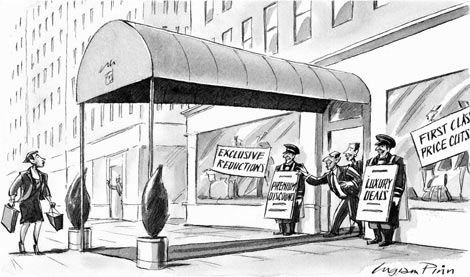
Luxury vs Premium image

Add to FacebookAdd to DiggAdd to Del.icio.usAdd to StumbleuponAdd to RedditAdd to BlinklistAdd to TwitterAdd to TechnoratiAdd to Yahoo BuzzAdd to Newsvine

Luxury Brand Management is sometimes like weather forecasting. With the media and fashion industry in full tilt this autumn, there is wave upon wave of adverts, campaigns, and promotions. Within the glitzy magazines and online videos geared to seduce, consumers and even those within the industry have a difficult time distinguishing luxury from premium brands.

Price is not the only determinant. Add the crossover product strategies between the 2 types of brands and there is more confusion still. Luxury enthusiasts are always looking for the “best”. The problem arises on what this term really means if it means anything at all. Most studies indicate that the term “luxury” is highly subjective.

For this reason, I have decided to try to clarify this important topic and booming business sector.

Take for example the terms, “premium”, “luxury” and “fashion”. Is it possible to define and portray these ethereal ideas in concrete terms? Marketing hype blurs the lines, and of course, this is intentional only adding to the misinformation among diverse constituent audiences.

Defining Luxury

Definitions of “luxury” vary enormously and depend on with whom you discuss the topic and in what context. The term “Luxury” has never been something easy to define. It is relative, mysterious and elusive. In essence, it revolves around subjective criteria in the mind, which creates a mood and what is generally referred to today as lifestyle.

Gary Harwood at HKLM, one of the founders and directors of a leading strategic branding and communication design consultancy, stated:

“A luxury brand is very expensive, exclusive and very rare – not meant for everyone. When it ceases to be these things, then it’s lost its exclusive cachet. Commoditizing luxury brands and making them more accessible to the middle market puts them at risk of becoming ordinary, common and less desirable. And the more available a brand is, the less luxurious it becomes.”

Authentic luxury brands compete on the basis of their ability to invoke exclusivity, prestige and hedonism to their appropriate market segments not the masses. There is a classic litmus test:

Is the product manufactured in artificially limited quantities?
(i.e. the rarity factor)

Does the firm have a story to tell? (i.e. history & pedigree)

Is the firm portraying a unique lifestyle?

Is craftsmanship the hallmark, which delivers products that only High Net Worth individuals (HNWI/UHNWI) can purchase without question?

Does the brand offer authenticity?

Identifying Luxury Sectors

Luxury is classically defined in two key segments:

1) Luxury Goods: Fashion & Accessories, Watches & Jewelry,
Well-being & Beauty products

2) Lifestyle Purchases: Automotive, Experiential Travel, Home & Interiors, exclusive alcoholic beverages (read exceptional wines, champagne & spirits)

Brands Which Claim Authentic Luxury Status

Few brands can really claim the trademark of luxury. Those that do combine allure, sex appeal with pedigree and quality. Discounting is not part of their strategy and their entire raison d’être is geared to UHNW (Ultra High Net Worth).

Anyone in this business can rattle off the litany of names recognizable to most people:

Hermes, Chanel, Louis Vuitton, Bottega Veneta, Rolex and Cartier.

Other players to this core list include: Bentley, Rolls Royce, Gucci, E. Goyard, Charvet, Salvatore Ferragamo, and Bulgari.

Contrast the above lists with Daimler’s Mercedes-Benz. This firm has reduced its cachet ever since it introduced the entry levels A, B Classes respectively and the SMART car.

The firm also does not hesitate to harness frequent promotions to boost sales revenues. This type of strategy is pursued when the board is under pressure from stakeholders to tap what is referred to as affluent consumers of the mass market. DPI (Disposable Personal Income) of this segment is over $100,000.

Because of this strategy such brands can no longer be considered as “luxury” in the true meaning of the term.

Genuine luxury purveyors should remain relatively small and select in their industry. Wealthy consumers purchase luxury products because they seek to distance themselves from the mass through the emotional value of acquiring flawless and rare objects of desire.

Luxury service brands follow a similar pattern. On the basis of my expertise and experience I would list Hotel de Crillon, Hotel Plaza Athenée, Ritz Carlton, and Hotel du Cap. All these hotels provide the perfect luxury experience of outstanding service, exclusivity, and pedigree.

Identifying department stores is a bit more tricky considering the makeover of this retail concept in the last 15 years. Despite the changes consider the following 3: Harrods (UK), Le Bon Marche (France), and Saks Fifth Avenue (USA).

Exclusive and bespoke travel companies provide tailor made adventures and excursions. The four key players in this category include: Abercrombie & Kent, Kuoni, Orient-Express and Cunard Line.

Broadening our view of luxury services, certain firms offer services and privileges to a rare percentile. Such services include credit cards with no limits, jet ownership, private plan charters, global concierge services and the like. Think NetJets and Amex.

Considering magazines, if I were asked to name one magazine catering to this crowd and speaks its language, I would nominate: Monocle. It has been described in certain circles as “Foreign Policy meets Vanity Fair.”

“Premium” Clarified

If luxury brands are related to scarcity, quality and storytelling then premium goods, on the other hand, are expensive variants of commodities in general: i.e. pay more, get more.

These brands are less ostentatious, more rational, accessible, modern, best in class, sleek design, and manufactured with precision.

For example, take the case of L’Oréal. The firm is a giant in the cosmetics sector. It positions its “premium” products with subtly. Clients get the luxury feel they hanker for and the presentations are done with élan.

Dior on the other hand makes no pretense. It is categorized as a luxury beauty product and is priced accordingly.

What about Fashion?

This is quite a question. Is it luxury, premium or neither? If you were to stroll into Camps de Luca in Paris for a bespoke suit, you will be treated like royalty and the titans of business, who make up the firm’s client base. Afterwards, you can meander over to Place des Victoires and place an order at arguably the best shirtmaker, Charvet and order a dozen shirts cut to your specifications in sea island cotton.

Clearly, these firms are luxury in every meaning of the term.

Designer labels or “fashion houses” are a different kettle of fish. Some can be quite pricey. However the nature of fashion is ephemeral and change. Pick up a copy of September Vogue and judge for yourself.

Do not confuse what you see in Vogue with “haute couture”. This niche is always there and the French keep it this way. Clients are limited by definition of the cost involved, not to mention the intense hand labor, fabric selection, and attention to the tiniest details.

These luxury fashion statements convey ostentation, glamor, lavishness, and elegance. They are one-of-a-kind garment.

The following fashion houses measure their creative worth with the designer talent, which marks the brand: Chanel, Hermes, Ralph Lauren, Burberry, Brioni, Prada, Gucci, Dior, LV, Valentino, YSL, and D&G.

Needless to say, quality control is fundamental and is offered in lifestyle controlled environments at the above brands flagship stores worldwide.

Luxury Time Waits for No One

If you need a watch to tell time, a Timex vintage piece made simply for that purpose will do the job. If you want to make a statement that you have arrived, you will undoubtedly look to see which watch best suits your personality and budget. Think James Bond and the flagrant exposure of Rolex and later Omega.

Luxury timepieces exist in many categories and can accommodate a wide variety of budgets. A good example of an entry level timepiece is a Movado at $500. At the other end of the spectrum, you could chose a Chopard at $70k. Watches are often sold via adverts of sports heroes or movie stars. The reasons are clear. Personification and self-identity play a large role in watch acquisition and social status.

Chronocentric categories watch brands in the following groups:

Basic Luxury Watches
Description: Attractive and functional
Brands include those of fashion designers such as Michael Kors, Fortis, and Movado.

Retail prices: > $1,000 stainless steel; ( >$2,000 for gold)
Strategy: Moderate to heavy discounts available among specialized dealers.

Pseudo Luxury Watches
Description: elegant and stylish
Brands: Baume & Mercier, Raymond Weil, Tag Heuer

Retail prices: $500-$2,000 (steel); $750-$4,000 (gold)
Strategy: discounting via accredited dealerships

Luxury
Description: accent is on prestige. Quality and durability are stressed. Elegance and value underpin the watch.

Brands: Breitling, Cartier, Ebel, Omega, Rolex

Retail prices: $1,000-$4,000 (steel); $2,500-$8,000 (gold with leather strap); $5,000-$20k (gold with gold bracelet)

Strategy: modest discounts sometimes available via brand-authorized dealers. (The unauthorized “gray market” can give bigger price breaks)

High-End Luxury
Highly crafted timepieces made by experts. These watches are highly “refined” and easily recognized by collectors and people “in the know.” Sold with a strong emphasis on exclusivity, design, and craftsmanship. Produced in small numbers, available via specialized dealers. In short, these are the Rolls Royce class of timepieces.

Brands: Alain Silberstein, Audemars Piguet, Blancpain, Breguet, Franck Muller, JLC, Parmigiani, Patek Phillipe, Ulysse Nardin, Vacheron Constantin.

Retail prices: starting at $5000 (steel); starting at $20k (gold). Some watches can exceed $2m.

Selection

Watch selection is highly personal. This is true no matter what the person’s budget. Even if you are shopping in a budget category, there are many to chose from. Think Swatch or Nixon.

However, once a person seeks to make a watch statement then choice will be determined by social class, DPI, sports inclinations, sense of self-esteem, pedigree, craftsmanship and of course function. Your average person does not need a chrono watch with its multiple dials and buttons. Yet, the 25-35 year old segment see these pieces as a station in life.

A youngish successful profile will not usually be drawn to a Patek Phillipe. But someone over 40 will. Most Westerners will not go gold unless it is old gold meaning a vintage high end timepiece, which is thin and elegant.

You will also notice that in certain milieus that watch brands count. People weigh there status, revenue generation, prestige in tandem to the watch or even watches that they own and collect. Lastly, even though there are many successful business women who own and wear high-end watches, men seem to be the more obsessed. This can be attributed to the fact that it is one of the few pieces of jewelry a man can wear and not draw too much attention to himself.

Baby You Can Drive My Car

In my other two columns, I tried to clarify the differences between “luxury” and “premium” in the fashion industry and in the horology markets. Similar problems also exist when assessing the automobiles.

It is quite clear to most professionals that luxury cars carry high price tags many of us normal mortals would consider exorbitant. Price aside a luxury car should embody a cache selling prices. Read here: exclusivity, pedigree, craftsmanship and limited production.

R.L. Polk and Company, a global automotive information and marketing firm that provides solutions to automotive and related industries, has re-defined the term with the appellation, “super luxury”, i.e. cars that cost +$100k. This category includes brands such as Rolls Royce, Bentley, Aston Martin, Maserati, and until 2013, Maybach, by parent Daimler AG.

Premium cars are defined as those, which offer clients cutting edge design and technology. Their target market are individuals in the upper middle class. Some label these vehicles as such because they have creature comforts with all the bells and whistles.

Cars in this category normally range from an entry level BMW 1 or 3 series (depending on the country) from ~ $30k- +$95k.

Competition for market share in the profitable premium category is fierce amongst rivals BMW, Mercedes Benz and Audi, along with their Japanese counterparts Lexus and Infiniti.

Acura and Volvo are not regarded as strong contenders. Instead, they are viewed as part of the compact executive car segment. This category is a combination of the standard class vehicles from the top name brands and top models from automakers not necessarily known as being premium category brands.

Impeccable service is also another important measure for premium automobile brands with a strong emphasis on the total customer experience.

At the same time, we are witnessing aspiring premium brands from deep rooted economy class automobile manufacturers such as Hyundai with their Genesis (including the coupe version) and Equus models. However, compared to their established counterparts, they’re lacking “brand cachet”, thus in their clever marketing, Hyundai is pitching “Smart Luxury & Engineering” as its differentiator.

There had been internal discussions within Hyundai about creating a separate brand to feature the Genesis sedan as well as the imminent Equus sedan in North America, but due to prohibitive costs and potential delays, those models will still remain labeled with the Hyundai brand.

For exotic sports cars such as Ferrari, Lamborghini, Bugatti and others, Ferrari chairman Luca Cordero Di Montezemolo, explained at a recent FT Business of Luxury Summit:

“I tell my employees listen, be careful, we are not selling a car, we are selling a dream. Because we sell something that is not a typical car, in this rests the emotion of driving.”

Ordering any one of those cars can quote an average wait of 24 months before delivery.

As with the ultra luxury cars, the exotic sports car (limited) producers are now offering their own customization program. Ferrari, for example, offers no limit on imagination to potential buyers who want something different or want to make their Ferrari unique to them.

The Takeaway

The proliferation and marketing misuse of the word “luxury” on many products across sectors is quite evident. Brands either do it out of ignorance or to enhance the desire for the consumer to purchase their products.

Some “premium” products are labeled as “luxury” and promoted that way vigorously. This is where mass brands imitate luxury and its characteristics. As a result, it has caused confusion amongst consumers along with plenty of fancy jargon adding to the perplexity.

Luxury is not premium – and premium is not luxury. They are two dissimilar categories catering to different market segments.

A luxury brand is more about prestige and appearance – it’s about pedigree and social stratification. As objects of desire, they stand out as aspirational to all but a few souls. These crucial elements keep these products exclusive on purpose. Premium, on the other hand, stands for performance, value added, state-of-the-art, craftsmanship, and timeless design.

Certain brands deliberately generate this confusion, while others can’t figure out the messages they want to send to potential clients themselves. Obviously, the wealthy know the difference. Perhaps now, so will you.

__________________

Your views are welcome

Add to FacebookAdd to DiggAdd to Del.icio.usAdd to StumbleuponAdd to RedditAdd to BlinklistAdd to TwitterAdd to TechnoratiAdd to Yahoo BuzzAdd to Newsvine

12 Comments

Filed under Branding, Business, discerning clients, discriminating clients, Luxury, luxury storytelling, Marketing, selling luxury, what is fashion, what is luxury, what is premium

Branding by Design: The Impact of Fashion on the Automobile Industry

by James D. Roumeliotis

Add to FacebookAdd to DiggAdd to Del.icio.usAdd to StumbleuponAdd to RedditAdd to BlinklistAdd to TwitterAdd to TechnoratiAdd to Yahoo BuzzAdd to Newsvine

Lamborghini Boss

In the book, “Fascinate: Your 7 Triggers to Persuasion and Captivation”, author Sally Hogshead stated that marketers must strive to fascinate people beyond the bounds of rationality. Companies must activate such mental triggers as lust, mystique, power, trust, and vice.

Though the marketing and branding folks are relied upon for their artistic output to create a buzz and compel consumers to buy, the industrial designers of car brands work diligently on fashion inspired creations for new model launches.

Like an outfit, an automobile should wrap its owner in a new outer shell, both protective and decorative. Premium cars like extraordinary clothes, invoke a whole new life as the glamor of both comes from the promise of escape and transformation.

The automobile as eye candy

Fine arts, fashion and luxury brands have long crossed paths creating a blend of culture, merchandising and branding. The similarities could not be more striking with cars and fashion. Seems European auto designers have always had this ethos ingrained as demonstrated with their design flair. The Italian industrial design houses such as Pininfarina, Italdesign and Bertone are renowned for churning-out architectural inspired automobile designs. In the past and present, Pininfarina has been employed by a wide variety of high-end automobile manufacturers, including Ferrari, Maserati and Rolls Royce.

Italians are very proud of their brands such as Panerai or a Lamborghini. They epitomize the essence of style. Even smaller motorized vehicles such as the Vespa convey savoir fair with simplicity.

Fiat & Gucci: complementary collaborators

The Fiat 500 is no exception. Once again, the firm is partnering with Gucci. The 500C by Gucci is offered in two colors, white with satin chrome accents or black with shined-up chrome bits. On both, a black soft-top covers occupants. Gucci’s color scheme signature runs down the middle. At all four corners sit 16-inch alloy wheels sporting the Gucci double-G logo in the center. Inside, a Gucci print adorns the seats and the fashion house’s moniker can be found sprinkled liberally throughout. When Fiat revealed the hardtop version of the Gucci 500, more than 3,000 pre-orders came flooding into the automaker’s website.

Bob Lutz prior to his retirement at GM

After holding top executive positions at BMW, Ford, Chrysler respectively, Bob Lutz had a very good idea what a car company and its car models should look like, which he didn’t find when he was hired at GM in 2001. Within days of arriving at GM, Lutz began reviewing the future model lineup and was shocked to discover that none of the models he reviewed, as he put it, “had any charm or ornamentation to delight the eye”.

The Cadillac CTS (2001 model) “lacked any charm or warmth.”

In his experience, there was an internal battle between the design team, what he regarded as “the car guys” vs. “the bean counters”. Read here the people in finance. Although now retired, Lutz can proudly claim that he was instrumental for the changeover to a sleeker line-up. GM sales figures show it has succeeded in generating committed buyers.

Fast forward more than a decade and this time Cadillac has moved its headquarters from the automobile manufacturing capital, Detroit, to the trendy SoHo district of Manhattan so as to establish a new brand identity in this luxury international city — as it yearns to convey a global avant-garde identity. At a New York Fashion Week party, in September (2015), celebrating Public School, GMs luxury brand enticed its onlookers with a sneak peak of its successor to the brand’s best-selling SRX SUV, by utilizing a hired helicopter to fly across the Hudson River carrying a XT5 SUV on a platform underneath it. More on this here http://bloom.bg/1EYmHft

The Rolls-Royce Wraith – high fashion on wheels

The latest motor carriage to be inspired by the world of fashion and film is the epitome of luxury cars – Rolls Royce Motors with its 2013 coupé Wraith model. The automotive brand to the well healed describes this 624bhp, $285,000 priced two-door as a debonair gentleman’s GT – a highly refined, luxurious and exclusive like its stablemates, but more dramatic and exciting than any of them. To add more pizazz, the designer edition of the Wraith model will be customized with the finest materials as per the customer’s specific taste and choices.

According to Giles Taylor, director of design at Rolls Royce, “There’s a sense of effortless grace and elegance, but at the same time something more contemporary and daring.” The interior is equally elegant and sophisticated. It is flawlessly outfitted with fine silks along with inspiration drawn from haute couture as evidenced by hints from the materials, color palettes and the techniques applied. It is the ideal combination of power, style and drama.

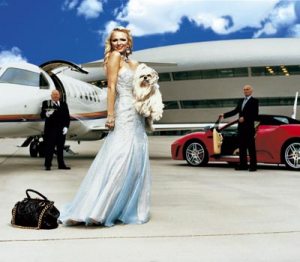
Two supermodels along with their new fashion statement -- the Rolls Royce Wraith.

Two supermodels along with their new fashion statement — the Rolls Royce Wraith.

Branding by design

Product design is key to a great brand. Design is the elemental differentiator with competitors. Eye catching sex appeal builds the emotional bond and turns owners into enthusiasts.

“It’s all about integrating design and brand,” says Joe Doucet, founder of Joe Doucet Studio.

“We need to cease thinking of them as different disciplines. The essence of the Apple brand comes through its design. Take the logo off a BMW and you still know it’s a BMW.”

Design also needs to be part of the strategic plan from the start, embraced by the CEO and across the Board.

“A brand is not your logo or ID system,” says Robert Brunner, founder of the design shop Ammunition and author of ‘Do You Matter: How Great Design Will Make People Love Your Company.’

“It’s a gut feeling people have about you. When two or more people have the same feeling, you have a brand. You get that feeling via smart design, which creates the experiences people have with the brand. Everything you do creates the brand experience; ergo design is your brand.”

Striking success at Audi

Premium brand Audi has come a long way with a big streak since its prolonged slump in the late 1980s and early 1990s. Today, the firm continues to surpass its own benchmarks. As one proud owner succinctly stated, “It’s elegant without being ostentatious.”

If you think fashion”, new Audi cars are akin to a well-put-together outfit. They are considered “classics” upon release. They are prominent not only for their impeccable sophistication and styling but also for the brand’s hard found creative innovation. Luxury and comfort are blended in a seamless mix. New technologies and taste trends are calculated to coincide with market shifts. The firm’s signature LED highlights reshaped an entire industry to become the standard.

aaa

Hyundai’s economic aesthetic appeal

In automobile parlance, Hyundai is a relative newcomer to this game, but the firm has learned quickly and converted previous Toyota and Honda evangelicals to switch. Jessica Caldwell, a senior analyst with Edmunds.com, claims that Hyundai is operating from a much older playbook.

“What Hyundai did was nothing new,” she says. “They developed the oldest formula in the book: Have a good design at a good price.”

Caldwell further states that she’s surprised that other car companies haven’t caught on to Hyundai’s “secret” sooner.

“That, to me, is Car making 101,” she says. “You would think that it’s not that hard to figure out. And I just think it’s interesting that people think that Hyundai’s success is so surprising. But, if you look at it, it’s not at all. I mean, of course people are going to buy something that looks good and is not expensive. I think, regardless if you’re buying a refrigerator, a shirt, or a computer, that formula is always going to work.”

Lookout for the Fashion Patrol

As Fashionistas and celebrities piled into New York City during the Mercedes-Benz Fashion Week in February, the fashion police were out in full force. To capture attention, MB deployed its “fashion force” in CLS 63 AMGs four-door sports coupe painted in police-livery black and white, with sirens and yellow flashing lights.

It was fast enough to stop anyone in the middle of a styling faux pas. The ultra stylish police officers, though, were more interested in looking-out for some of the city’s most fashionable citizens, who were rewarded with a ride to their next destination. Other participants won prizes, which included seats to the highly prized fashion shows themselves.

“Mercedes-Benz has a natural affinity with the world of fashion with cars that appeal to those with a strong sense of style,” said Lisa Holladay, manager of brand experience for Mercedes-Benz USA. “The 2012 CLS 63 AMG four-door coupe is the perfect vehicle for the Mercedes-Benz Fashion Force initiative with its fascinating design and significant curb appeal.”

Along with its affinity in the fashion domain, Mercedes also has a micro-site, named “Avant Garde Diaries” depicting scenes and visual stories of its cars with fashion industry icons.

Victoria Beckham and the Range Rover Evoque

Victoria Beckham, the former pop star and wife of renowned footballer David, has earned critical acclaim for her finely tailored, ultra chic fashion line, winning the Designer Brand of the Year award at the 2011 British Fashion Awards.

Likewise, her special-edition, 200 unit, Range Rover Evoque line boasts a hand-finished matte grey paint, 20″ black alloy wheels and rose-gold detailing. With Rover head designer Gerry McGovern, she spent 18 months on the SUV working from elements like jewelry and textile. The results are distinctive. She was reported stating that the car must appeal to both men and women.

Applying design cleverly makes a difference with brand perception. Thus, a fashion design culture needs to be strategic, not an afterthought.

When you consider the planning, demands in the fashion and car industry are similar. Grab the customer’s attention. Use innovation and design to generate passion and commitment. By doing so, you are able to build brand loyalty with staying power and revenue generation. Who knows, you could be at the forefront of starting a new cult!

YOUR VIEWS ARE ENCOURAGED

Add to FacebookAdd to DiggAdd to Del.icio.usAdd to StumbleuponAdd to RedditAdd to BlinklistAdd to TwitterAdd to TechnoratiAdd to Yahoo BuzzAdd to Newsvine

Google

1 Comment

Filed under Branding, Business, Luxury, Marketing

Sensorial Purveyors: Creating an Enticing Ambiance in the Hotel Domain

by James D. Roumeliotis

Add to FacebookAdd to DiggAdd to Del.icio.usAdd to StumbleuponAdd to RedditAdd to BlinklistAdd to TwitterAdd to TechnoratiAdd to Yahoo BuzzAdd to Newsvine

There was a discussion on Linkedin’s “Luxury & Lifestyle Professionals” group which posed the question: “What is the first thing you check-out when you step into a 5 star hotel?” As you might expect, being subjective in nature, various responses were offered by the group’s participants. Some of them mentioned, the bedding, while others would state it’s the linen, the bathroom, the main lobby, overall amenities, or simply the courtesy from staff just to name a few. There didn’t seem to be an overall single consensus.

It doesn’t necessarily take an expert in the hospitality domain to ascertain what constitutes the right feel of an attractive hotel – one that exploits the 5 senses to attract and retain guests (aka customers/patrons). One needs to recognize aesthetics, be discerning in his/her tastes and expectations, as well as have stayed in various hotels over time to truly appreciate what in fact matters.

Hotel as a Lifestyle
Savvy brands are finding ways to engage all consumer senses to strengthen the brand experience. When affluent guests choose a hotel to stay at, they desire a look and feel better than their primary residence. The hotel is no longer just a place to sleep. It has developed into a home away from home. It’s a lifestyle!

The “hotel as lifestyle” creator, Ian Schrager of Studio 54 fame, has achieved international recognition for concepts that have revolutionized both the entertainment and hospitality industries. His passionate commitment to the modern lifestyle has been expressed through a series of pioneering concepts in the hospitality industry. His keen instincts for the mood and feel of popular culture were honed during the 1970s and 1980s, when he and his late business partner, Steve Rubell, created Studio 54 and Palladium. In 1984, they turned their attention to Morgans Hotel in New York and introduced the concept of “boutique hotel” to the world, and is today one the hottest segments in hospitality.

Boutique Hotel vs. Corporate Chains
“Boutique hotel” is a term to describe hotels which often contain luxury facilities of varying size in unique or intimate settings with full service accommodations. Sometimes known as “design hotels” or “lifestyle hotels”, boutique hotels began appearing in the 1980s in major cities across North America and Europe – mainly in the U.K. These hospitality properties are characteristically furnished in a themed, stylish and unique manner. Boutique hotels generally are known to have less than 100 rooms. Their limited capacity enables them to enhance the customer experience through personalized service, as well as to customize their property and operations. An intimate atmosphere is usually regarded as a vital part of a “boutique” hotel. This includes cozier premises, quality amenities; conceptual dining outlets that become destinations in their own right, and an environment whereby the hotel staff recognize what your needs and desires are, rather than just responding to what you ask.

Several multinational hotel chains are taking advantage of the boutique hotel trend and competition and growing their own upscale and luxury boutique collections with an international expansion. For guests, the collections present an alternative to somewhat indistinguishable properties along with rigid brand standards, whereas, the stand-alone alternative hotel properties possess a distinct personality. As a major hotel chain group, Starwood Hotels and Resorts led the way with the boutique brand in the late 1990s by launching W, which now has more than 50 properties worldwide. This brand offers a modern, sophisticated residential design with an emphasis on elegance and utmost comfort. While sharing a common aesthetic and commitment to service, each W Hotel has its own distinct personality reflecting the flavor of its particular city and neighborhood. Accor, on the other hand, launched MGallery and plans for the collection to reach 100 properties by 2015. Not to be outdone, other chains such as Marriot and InterContinental have also got themselves into the boutique hotel domain not without their challenges though.

Luxury names such as Giorgio Armani, Versace, Missoni and Bulgari are exploiting their cachet and design savoir-faire turning it into a lifestyle with their version of branded boutique style hotels. The first Armani hotel opened in Dubai in 2010, located in the Burj Khalifa tower, the tallest building in the world – in partnership with Emaar Properties, one of the biggest property developers in the Middle East.

The Overall Experience – Sensory Marketing alongside Atmosphere
As in every service sector, with an upscale hotel, every customer touch-point should offer a superb experience. Hotel brands need to use an integrated approach across their various touch points to engage their customers. For example, it’s crucial that the customers have an experience that matches the perception created by the advertisement when they visit the property, or even when they place a call to the hotel reservations center.

Today, the hotel industry is adapting and modifying its offer to differentiate, as well as respond to an increasingly discerning customer through innovative approaches utilizing elements of sensory marketing. During their stay, guests should be subjected to an ambiance which captures their five senses. Ambiance is identified as the decor, the service, the behavior of the staff, and how all these factors add up to create a feeling of care and enhance emotions. It’s the aesthetics, lighting, and the smell, cleanliness of the facilities, the amenities and the intangible factors that contribute to a great customer experience. This entails a combination of “sensory marketing” and “atmosphere” in action. According to the American Marketing Association (AMA), “sensory marketing” is techniques which aim to seduce the consumer by using his/her senses to influence his/her feelings and behaviors, whereas “atmosphere”, in marketing terms, is the physical characteristics of business premises such as architecture, layout, signs and displays, color, lighting, temperature, noise, and smell creating an image in the customer’s mind.

Westin, who are a part of the Starwood Group, a few years ago began diffusing a signature fragrance in all of their hotel lobbies and they coupled that by standardizing the music in all the lobbies as well ─ regardless of the Westin property one visits anywhere in the world. Combining and integrating different auditory, olfactory, visual, and even tactile elements to attract, retain and seducing customers, create cozy moments of comfort along with unparalleled enjoyment.

A high-end resort developer and operator, Kerzner International, renowned for its One&Only luxury resorts brand has as its core value, “Blow away the customer.” The company walks the talk by impressing its guests through grandiose entrances, facilities, overall ambiance and luxury amenities – then making absolutely certain that they are pampered throughout their stay. It’s all an integrated, well orchestrated and flattering process. Nothing is left to chance although it does take a coordinated team effort to make it all happen flawlessly.

Martin Lindstrom, a brand strategist who has written six books on brands and consumer behavior, asserts that if the consumer’s senses are more involved, it further connects him/her with the brand which may create an increase in willingness to pay more. Consequently, it differentiates the brand and turns brand loyalists into brand advocates.

The Online experience – Case Study: Four Seasons Hotels
Luxury hotel chain Four Seasons recently unveiled a new website that reportedly cost a whopping $18 million to develop. It uses a holistic digital media strategy to enhance the total online experience and give a visual taste of what can be anticipated at their properties.

Extensive research around digital consumption of luxury consumers, both in the travel sector and across other categories, was conducted for the development of the new website. The result of the investment is a fancy, colorful website, with a new booking process, social media integration and personal profile technology that allows users to set preferences and create a more targeted online experience. It is also optimized for mobile, which provides access to a reduced size version of the site, and includes videos, room rates and booking capabilities. In addition, locations and experiences are showcased through photo-rich, informative property and destination pages.

“Four Seasons has always provided an unparalleled hotel experience, and this level of service and engagement extends into our online presence,” says Susan Helstab, Executive Vice President Marketing, Four Seasons Hotels and Resorts. “The new website anchors our already strong digital presence online, in social media and with the various communities we facilitate.”


The Sum of its Parts
Emotion captured by the five senses is the key to success for a sensory marketing experience.
The quality and feel of materials used all over the premises, quality of amenities, vivid color palettes widely used, the furniture design, look and atmosphere of public areas which encourage social interaction, clever use of lighting and its intensity, as well as the sounds and smell throughout should be well integrated tactile elements to attract, seduce and retain guests/customers.

However, along with inviting areas, delightful service is also a crucial ingredient necessary to ensure a memorable total customer experience. The online customer encounter, along with all other touch points, also carries significance for the hospitality brands.

The design-led boutique lifestyle hotel sector has evolved from a small niche to a recognized and trendy category worldwide which has also attracted the major hotel chains into the sector with stand-alone brands of their own.

___________________

Your thoughts are encouraged.

CONTACT ME to receive a complimentary slide presentation on “Ambiance Creations: exploiting the 5 senses to attract and retain customers.”

Add to FacebookAdd to DiggAdd to Del.icio.usAdd to StumbleuponAdd to RedditAdd to BlinklistAdd to TwitterAdd to TechnoratiAdd to Yahoo BuzzAdd to Newsvine

Leave a comment

Filed under Branding, Business, Luxury, Marketing

Contemporary Sales Approach: The consultative salesperson as the ally

by James D. Roumeliotis

Add to FacebookAdd to DiggAdd to Del.icio.usAdd to StumbleuponAdd to RedditAdd to BlinklistAdd to TwitterAdd to TechnoratiAdd to Yahoo BuzzAdd to Newsvine

Today’s approach to marketing & sales must be smooth and sophisticated. Pressuring people and the “hard’ sale are relics of a bygone era. The films, ‘Boiler Room’ and ‘Glengarry Glen Ross’ highlight the former pushy tactics.

Although I realize that a more suave sales technique is needed to woo the customer, the stereotypes of brash sales forces persist on a small scale. Think of cultures where the words “Hello my friend…” are still considered coins of the realm. Culture is partly responsible for the nature of this marketing style, and the other reason is a lack of regulatory procedures.

Let’s face facts. Business is about sales. No sales revenue, no business. You can have the greatest products or the finest service. If no one recognizes this and the offerings do not convert into receipts, there is only a limited time you will be allowed to remain open unless you are running an NGO. Speaking of NGOs, even they need to raise money. Their sales pitch might be different owing to the nature of their organization’s activities, but it is still a sales pitch.

The Sales Function

What makes sales an interesting subject is the nature of how the sale is conducted. When client need and desire are matched to the offering, the products or services sell themselves. The sales force become the bridge; provide information or even counsel. They should in theory also become part of a positive experience. This principle should hold true in any organization, public or private, large or small.

A contemporary salesperson should be a listener more than a talker. The offering must be tailored to fit the customer’s needs. When it is handled in this manner, the customer makes an “intelligent” buyer behavioral decision.

A smart and well-trained sales team recognizes that understanding human psychology and diplomacy acts as a form of persuasion.

Liked v. Valued

As in any profession, most sales people appreciate being liked and trusted by their clientele. The key I have found is the concept of value. When clients sense that you value their needs, you understand the principle of caring. Do not make any client feel that they are just part of “turnover”. Authenticity must be genuine. Anyone can tell a fake from the real McCoy.

Bought vs. Sold

Marketing strategist Seth Godin states in his blog that there are products that are “bought”, and there are products that are “sold”. “Some things are bought – such as bottled water, airplane tickets and chewing gum. The vendor sets up shop and then waits, patiently, for someone to come along and decide to buy.

Other things are sold – such as cars, placement of advertising in magazines and life insurance. If no salesperson is present, if no pitch is made, nothing happens.”

Seth goes-on to stress: “Both are important. Both require a budget and a schedule and a commitment. Confusion sets in when you’re not sure if your product or service is bought or sold, or worse, if you are a salesperson just waiting for people to buy.”

If a company’s products or services need to be “sold”, there are different sets of challenges to overcome. These include:

– Clarifying how the products or services can make prospective clients’ lives better;

– Creating and expressing an emotional connection to your niche audience/prospects – whether it’s cool, innovative, or rebel etc.

– Indicating to your audience/prospects what they get to lose by not acquiring the products or services.

When it comes to a product or service being “bought”, not much effort is required in convincing prospective clients that they should purchase, but that they should buy yours. Even perceived necessities need to be marketed and sold – It’s just that they have a different focus.

Sales Online

The Internet and social media have had an effect and changed the way customers are buying. Their selling process has been reduced to a mere buying process; although the consumer continues to seek guidance in their purchases.

This is where the “value’ factor plays a role. Sales staff should always look for ways to offer solutions to keep their customers satisfied. It is thought that a quarter of all Online shopping is made by frequent “shopping lovers” whose influence spread the word to others about joys of online shopping whenever they have the opportunity. They represent an ideal target for retailers who should not be taken for granted.

Think Zappos!

Pull vs. Push

Push marketing and pull marketing are different yet complementary marketing methods for promoting a business – most notably online.

Push marketing is more traditional methods of advertising – essentially, you are pushing your message to your audience, regardless of whether they want to receive your message or not. Push marketing focuses on product features and awaits the audience to respond. Examples of push marketing include email marketing, website advertising, and cold calling.

Pull marketing is more proactive, pulling the customers toward your brand/product with targeted messages they care about. Pull marketing is all about brand building. Examples of pull marketing include media interviews, public speaking, and word of mouth advertising.

Consultative Sales = CRM

What differentiates a consultative sales process from a traditional presentation of features and benefits is the relationship that is established between the prospect and the salesperson at the beginning stages of the sales cycle. Traditional product salespeople rely mainly on their product and service expertise and may not pay enough attention to the relationship aspect. For an effective consultative sales conversation to develop, a prospect must believe that the sales consultant has practical and credible expertise and someone that the client wants to work with.

The contemporary approach to selling is when the sales person guides the prospective customer in making sound purchase decisions – someone seen as an ally and adviser. This can be accomplished by keeping the following in consideration:

– Clearly identify the prospect’s needs – does the product or service proposed fill-it?

– Is the price offered deemed value for the money?

Ensure a long-term relationship by achieving customer satisfaction.
To do this requires some skills – either instinctively or acquired through training and practice. This includes:

– The capability to understand what the prospect wants;

– The knack to recognize, through ample product knowledge including features, which of the products and services are deemed most appropriate for the prospect;

– The ability to convey the specific benefits gained by using specific products and/or services that are meaningful to this customer;

– The capacity to deliver the “package” (products or services). Focus on the desired results expected by the prospective client.

Luxury Brand Management: Selling the Intangible

Selling luxury products or services in a sluggish economy is no easy task. Focus on the affluent. Simply put, such consumers buy no matter what the state of the economy.
Next step is not to sell them on the product or service per-se but rather on what the true meaning of luxury represents:

• Self-expression
• An exceptional experience
• Made/formed with authenticity
• Craftsmanship & quality
• Created/produced in small numbers – rarity factor
• Emotional bonding
• Upscale mystique
• Status and prestige

This is what affluent buyers are looking for. All high-end purchases must have a storyline, pedigree or heritage. Pressure of any kind is pointless here. Think Ralph Lauren. RL sales teams never pressure clients. Ralph’s “dream” has either made the sale or it hasn’t. The sales team is just there to advise and be of assistance. Shared beliefs, attitudes, and values between sales team and client can push the sale forward because it is one of bonding and mutual recognition of being part of the “club”.

Any one who understands the points of being an “brand ambassador” knows what I am taking about here.

The Bottom Line

As in all professions, sales techniques continue to evolve and adapt to the nature of the times in which we live. Great service, good pricing and loyal relationships have become yesterday’s sales standards. Using the consultative sales approach and providing clients with value-added solutions is compulsory in today’s business arena.

Salespeople should evolve as businesses do. Today’s clients demand a partnership arrangement. Since all of us are also clients is it any wonder?

Add to FacebookAdd to DiggAdd to Del.icio.usAdd to StumbleuponAdd to RedditAdd to BlinklistAdd to TwitterAdd to TechnoratiAdd to Yahoo BuzzAdd to Newsvine

2 Comments

Filed under 1, Business, Luxury, Marketing

Customer Devotion: Sweep them off their feet – indefinitely

by James D. Roumeliotis

Add to FacebookAdd to DiggAdd to Del.icio.usAdd to StumbleuponAdd to RedditAdd to BlinklistAdd to TwitterAdd to TechnoratiAdd to Yahoo BuzzAdd to Newsvine

Image result for customer devotion

We constantly hear remarks and stories of deplorable customer service. I would think that brands would be more attentive and proactive. Unfortunately, this is not the case. You would have thought that they would make “devotion” a coherent strategy.

It should begin with the “trust” factor. Seth Godin, the much regarded marketer, asserts, “Institutions and relationships don’t work without trust. It’s not an accident that a gold standard in business is being able to do business on a handshake. Today, though, it’s easier than ever to build a facade of trust but not actually deliver. “Read the fine print,” the financial institutions, cruise ship operators and business partners tell us after they’ve failed to honor what we thought they promised.”

“Devotion” on the other hand, is instinctive – an emotional connection to you, your brand, your company, and your products. It’s what your customers (new, existing or former) are saying about you on Twitter, Facebook and other online social networks.

Customer experience as the key competitive differentiator

Your best defense and your competitive differentiator is your ability to create great experiences for your customers. It goes without much thought that loyal customers come back and purchase more because they get their needs served and/or problems solved.

Marty Neumeier puts it clearly in his book, “The Brand Gap: The brand is not what you say it is. It’s what they say it is.” Talking to prospects and customers is paramount to get a sense of what they’re thinking. What values are your customers receiving from your business along with its products or services? How does that experience compare with what other similar providers you may know deliver? Then how does what the consumers have said about the brand experience line up with what the company believes it delivers?

If we compare the customer experiences of say, Best Buy vs. Amazon, the differences are quite evident as to who is doing a proper job making their customers content and devoted. When a client mistakenly purchases the wrong DVD at Best Buy – one he already had and returns the next day to exchange it for the correct one and all he hears from the customer service staff member is, “Sorry, DVDs are “software” and can’t be returned or exchanged once sold – no exceptions!”, it makes you think how aggravating it is to do business with that big box retailer. Amazon, on the other hand, not only allows easy return or exchange for DVDs without restrictions; the company will even buy back ones you’re finished with. Moreover, even if the customer is outside the return window or is otherwise technically not entitled to do what he’s/she’s asking to do, the company will go out of its way to bend its policies in the interest of happy customers and the enduring customer relationship. The difference? Amazon does what customers want – it completely crafts its business practices, its systems, and its people to support it, whereas, Best Buy does what would be most convenient for the company for consumers to want but don’t, then hope for the best. That’s not a consumer driven strategy by any stretch of the imagination.

Customer loyalty in the luxury domain

Over in the luxury sector, sought after by discerning clientele, the product itself does not suffice. Hermès has impeccable products, the top-tier of luxury goods,” said Milton Pedraza, CEO of the Luxury Institute, New York. “In terms of what customers want, they have the top design, quality and craftsmanship. What Hermès may need, however, is a refresher course in customer experience.”

“Consumers tell us in research and anecdotally Hermès is the pinnacle of product delivery, but they could become far better in customer experience,” Mr. Pedraza said.

Automobile manufacturer Audi focuses relentlessly on being the number one premium car brand, and number one for customer satisfaction among competing brands. This approach is firmly rooted in building satisfaction and loyalty among existing customers so when it’s time to replace their car they buy another Audi. In developing a clear differentiation from its competitors, they don’t solely emphasize the quality of their cars – they add the pizzazz of customer experience and service. Achieving this relies in part on two key factors defined by the executives at Audi: delivering excellent customer satisfaction, and making Audi the best place to work in order to attract the best quality people, who will deliver that customer experience.

What can those on the front lines do to enhance the customer experience?

There are companies which spend a significant amount of money in marketing to entice prospects into a paying customer. However, once the prospect is at the stage of dealing with a company’s staff, the outcome lies in the hands of those employees who many are not adequately trained, if at all, to offer a positive experience. This type of “human marketing” undoubtedly moves beyond the marketing department. It’s about every employee and manager in the company delivering on the promise made to the new customer and giving them additional reasons to purchase repeatedly from the same outfit and receive recommendations too. In essence, this requires all employees and managers to be on the same page and understand that their job is to retain happy customers. The name of the game is to build a lasting, profitable relationship with them, and turn them loyal and devoted, thus, repeat customers who become passionate and recommend/refer your company to their friends, family and business associates.

Whether it’s B2C or B2B, sales and marketing people should co-exist, as well as the people in finance who are normally not considered marketing oriented but rather analytical. Equally trained to be customer centric is the receptionist, delivery people, and in the manufacturing industry, the product development division should be well versed with their target consumers’ requirements.

Founded in 1997 in the UK, YO! Sushi brought the concept of a Japanese “kaiten” sushi bar that delivers food to customers via a conveyor belt traveling 8cm (about 3 inches) per second. It has become the original and most famous sushi brand in the UK. The experience is fun and exciting, whilst the food is considered, by many of its patrons, revolutionary and made lovingly. Simon Woodroffe, its visionary entrepreneur and founder, built his business beyond the “buy”. For him the profit is in the “buy again.” He doesn’t want you to just come and eat at his restaurant once, he wants you to become a customer for life and repeat buy from his establishment, so that his marketing spend on initially attracting you to his restaurant in the first place can be recovered. By the time you are on your second and third visit, he has recovered his marketing investment in getting you as a customer, and you are now becoming a profitable, loyal and devoted repeat customer.

All employees should be considered as an entire marketing team. As such, they must be placed at the center of the business and continually developed, inspired, trained and given the tools to perform at the highest level. There is no such thing as an ideal time to do so – regardless of the economic downturn as all companies must work harder to attract and retain customers.

Take into account that:
– In a progressive customer driven entity, training and developing the human assets should be an ongoing process;
– Companies should be an enemy of the “status quo”;
– Mystery shopping (in person and/or by phone, as well as online) should be frequently conducted to get a sense of what an actual customer experiences – then taking action to rectify and improve the experience.

Case Study: Zappos

The following is the Zappos business mantra which should serve as inspiration for customer driven enterprises.

What customers get to see displayed prominently on the web site:
o 24/7 1-800 number on every page
o Free shipping
o Free return shipping
o 365-day return policy
What customers will experience:
o Fast, accurate fulfillment
o Most customers are “surprise”-upgraded to overnight shipping
o Creating a “WOW” factor
o Friendly, helpful “above and beyond” customer service
o Occasionally direct customers to competitors’ web sites
What’s done behind the scenes?
o No call times, no sales-based performance goals for representatives
o The telephone is considered for them one of the best branding devices available.
o Run warehouse 24/7. Inventory all products (no drop-shipping).
o 5 weeks of culture, core values, customer service, and warehouse training for everyone in Las Vegas office.
o A Culture Book
o Interviews & performance reviews are 50% based on core values and culture fit.

All employees should be marketers

• What are you and your team presently doing to make certain that your active customers don’t belong to your competitors tomorrow?

• How is the present customer experience perceived with your organization, product and/or service? How would you describe your internal culture, core values, and customer service policies/procedures?

• Finally: Are your customers devoted, loyal, or simply bored doing business with your organization?

Devotion should be considered a walking and talking advertisement – a potent word-of-mouth. Consequently, customer devotion should be the ultimate goal of every business leader and sales professional.

Add to FacebookAdd to DiggAdd to Del.icio.usAdd to StumbleuponAdd to RedditAdd to BlinklistAdd to TwitterAdd to TechnoratiAdd to Yahoo BuzzAdd to Newsvine

Google

4 Comments

Filed under Branding, Business, Luxury, Marketing

Perceived Quality: Why Brands Are Intangible

by James D. Roumeliotis and Violetta Ihalainen

Add to FacebookAdd to DiggAdd to Del.icio.usAdd to StumbleuponAdd to RedditAdd to BlinklistAdd to TwitterAdd to TechnoratiAdd to Yahoo BuzzAdd to Newsvine

A study of 33 publicly traded firms over a 4-year period, as measured by the EquiTrend method, illustrated that perceived quality had an impact on stock yields ─ a key business performance measure.

The study looked at American Express, AT&T, Avon, Citicorp, Coke, Kodak, Ford, Goodyear, IBM, Kellogg’s, and 23 other firms for which the corporate brand drove a substantial amount of sales and profits. Not surprisingly, the influence of perceived quality was nearly as great as that of Return On Investment (ROI).

“Perceived Quality” is considered the customer’s perception of the overall quality or superiority of a product or service with respect to its intended purpose and compared to its alternatives/competition.

“Quality” Is Subjective

According to academics Scott Maynes and Valarie Zeithaml, as there is no general agreement on standards for the skewed term “quality”, a consumer’s judgment about a product’s excellence and superiority is an intangible aspect of a brand. As a result, objective quality is moot, and all quality evaluations are considered to be subjective.

This argument supports the premise that quality is determined by customers’ perceptions, based on individual values. Consequently, perceived quality is defined as a measure of belief.

Branding Activities Impact Consumer Perceptions

Branding activities are all a brand does that impacts consumer perceptions of the brand including product improvements, customer service, user manuals/quick-start guides, and discounts amongst others.

A notable example is with the branding activities Hyundai performed in the automobile industry that raised the product quality perception with both its dealers and consumers. The South Korean automobile manufacturer offered an extended warranty on all its vehicle models to encourage confidence. It worked superbly as demonstrated by their sales which peaked over the last few years.

Great advertising, great packaging and price are also key components. With consumer electronics and software, usability is the main component.

What Influences Perceived Quality in a Product and a Service Provider?

According to David Aaker, a brand strategist and author on the subject matter, perceived quality generates value. As for measurements in the product context, he identifies the following elements:

1. Performance: How well does a washing machine clean clothes?

2. Features: Does toothpaste have a convenient dispenser?

3. Conformance with specifications: What is the incidence of defects?

4. Reliability: Will the lawn mower work properly each time it is used?

5. Durability: How long will the lawn mower last?

6. Serviceability: Is the service system efficient, competent, and convenient?

7. Fit and finish: Does the product look and feel like a quality product?

Within the service context, he considers:

1. Tangibles:
Do the physical facilities, equipment, and appearance of personnel imply quality?

2. Reliability:
Will the accounting work be performed dependably and accurately?

3. Competence:
Does the repair shop staff have the knowledge and skill to get the job done right? Do they convey trust and confidence?

4. Responsiveness: Is the sales staff willing to help customers and provide prompt service?

5. Empathy: Does the bank provide caring, individualized attention to its customers?

Perceived Quality in the Luxury Domain

Although there are no extensive studies on perceived quality in the luxury market, marketing and branding experts, with emphasis in the luxury domain, contend that in the business of luxury, customers perceive quality in a product when they experience high-quality materials and service, when a product performs its function, as well as when it has desirable features, reliability, durability and design.

Luxury consumers also perceive quality based on service received prior to purchase, at the point of purchase and following their purchase. Superior service during the purchasing experience positively affects attitudes and future behavior towards the brand. Customers with little experience of luxury products are especially influenced by service factors.

A shopping atmosphere which exploits the five senses with the presence of sophisticated music, luxurious fixtures and exceptional service creates a mystique that is key to the luxury experience. Such an atmosphere can help persuade shoppers to make purchases that do not necessarily seem sensible in economic terms.

Similarly, exquisite packaging, such as perfume in a beautiful bottle, helps satisfy the ‘need for beauty’ and creates a link between the consumer and the aesthetic values of a luxury brand.

The same experts above, argue that premium prices are associated with prestige ─ the major indication of superior quality.

Making Perceived Quality Equate Actual Quality

Marketing and brand managers shouldn’t overlook the perceived quality concept. They must make consumer perceptions of quality match actual quality by following three recommendations along these lines:

1) Communicate the information about product quality to their customers continuously by utilizing integrated marketing communications tools such as public relations, advertising, sales promotion, personal selling etc.

2) Avoid boasting about product/service quality excessively despite the presence of high-level quality, otherwise, it can make customers feel as if the products and/or services can’t satisfy them as they greatly anticipated previously.

3) Pay attention to the factors affecting the quality of products/services such as pricing, advertising, warranty issues, and brand image etc. These can influence perceived quality directly. For example, using a low pricing strategy excessively can make the perceived product quality decrease because most consumers often equate cheap products with a low-end consumer sector. Consequently, brand image will lose its luster.

Conclusion

Financial performance is deemed to be linked to a brand’s perceived quality – a distinct relationship between them.

Perceived quality is an intangible and overall feeling about a brand and can’t essentially be objectively determined, partly because it is a perception and also because judgments about what is important to customers differ sharply in their personalities, needs, and preferences. However, perceived quality is based on essential factors which include characteristics of the products to which the brand is attached to such as performance and reliability.

In the luxury sector, customers expect luxury brands to be expensive; to satisfy them, luxury products should be in a higher price range. The scarcity of a product also affects the perception of quality during the purchasing experience.

____________________________

References

Maynes (1976)
Zeithaml (1988)
Chevalier and Mazzalovo (2008)
Dubois and Laurent (1999)

Add to FacebookAdd to DiggAdd to Del.icio.usAdd to StumbleuponAdd to RedditAdd to BlinklistAdd to TwitterAdd to TechnoratiAdd to Yahoo BuzzAdd to Newsvine

7 Comments

Filed under Branding, Luxury, Marketing

The Anatomy of Brand Loyalty

by James D. Roumeliotis

Add to FacebookAdd to DiggAdd to Del.icio.usAdd to StumbleuponAdd to RedditAdd to BlinklistAdd to TwitterAdd to TechnoratiAdd to Yahoo BuzzAdd to Newsvine

It’s no secret that there is a strong relationship between customer experience and brand loyalty. A recent Forrester Research report revealed that customer experience leaders have a 14 percentage point advantage in encouraging their customers’ “willingness to buy more, reluctance to switch, and likelihood to recommend.”

Function, features and benefits are an integral part of a product. However, they don’t matter as much as the perception of use value inherent in the brand’s promise.

Today, even online retailers have undertaken to create customer-centric strategies that drive brand loyalty. With a plethora of competition and better educated consumers, this has become more critical than ever before. However, how does one create and execute engaging customer experiences online or offline that will maximize brand loyalty?

Negligent Brands

Many brands are myopic to the point that they unintentionally and unknowingly allow their dissatisfied customers to go away without a thought. Front-line staff is either not trained properly and/or lacks the proper attitude to handle clientele appropriately.

During the industrial era, consumers would simply purchase what was produced, shopping where that product was available and paying the price the retailer demanded. In essence, the manufacturer and the store were in position of strength.

As products and consumers have changed over the years, the concept of ‘brand loyalty’ and ‘consumer insight’ came about. As we progressed into the new millennium, the transparency and unrestricted information available on the internet has changed all of that. Today consumers are not only better informed but they are also in control. They can make or break a brand through their actions.
So what does this say about listening?

Consumers will no longer refrain from informing companies on what may have gone wrong ─ whether it’s a particular brand or a competitor’s. With the numerous platforms for consumers to make their voices heard online, brands have to be very reactive and not allow anything to chance. In an age when the consumer’s outcries and influences spread quickly, the results can signify lost sales and a deterioration of brand loyalty.

By listening attentively – especially through the various online social venues, should keep a brand from becoming the next Netflix, Tropicana or Gap ─ each one with their costly blunders.

As for low prices, though they may seem attractive to shoppers, prices can only go so low. Retailers, whether in bricks & mortar or not, need to look beyond the quick sale and start to focus on building brand loyalty. Commodities find it hard to maintain loyal customers.

What contributes to Brand loyalty?

Brand loyalty is about building an emotional, and in some cases, irrational, attachment in a product. The most ideal example is when thousands of people line-up, regardless of weather conditions, to get their hands on the latest iPhone or iPad. This happens because Apple has built an emotional attachment to their products by creating a lifestyle choice rather than a product purchase.

It’s about how it makes you feel. Same goes for baby boomers, whether accountants or attorneys or business executives who purchase a Harley Davidson motorcycle and ride them for about four or five hours every Sunday afternoon. The bike makes them feel like a rebel – sort of an escape.

A study (2004) conducted by brand expert J. N. Kapferer reported that brand loyalty contributes to successful marketing programs, sales initiatives and product development.

The key aspect of brand loyalty is the consumer decision — which can be made both consciously and unconsciously to repurchase a brand continually. A consumer makes this decision that the brand is perceived the one that offers the right product features, identity or level of quality at the right price, thus establishing a positive image of the brand. Since brand loyalty leads to future purchases, it can be considered a valuable strategic asset for companies.

Brand loyalty requires trust as it’s a key factor in the development of brand loyalty. An additional and often overlooked principle in brand management is this: When a brand is successful, it’s because customers value an emotional experience more than a functional benefit. When the brand delivers on client expectations – and beyond, trust is earned, strong connections are made and ultimately, brand value grows.

As 2011 began, the top three U.S. coffee brands, when it comes to their own customer’s report of their degree of brand loyalty and engagement, are:

1. Dunkin Donuts;
2. Starbucks;
3. McDonalds (McCafe)

In Mr. Schultz’s new book, “Pour Your Heart into It,” he describes how the brand was built “one cup at a time.” This could not have been further than the truth as every brand thrives through a constant repeat of individual positive transactions. Unfortunately, many brands take consumers for granted once a business or new retail location is up-and-running.

Branding in the Luxury Sector – the Differentiators

Luxury brands rely on committed customers, who often provide “walking advertisements”/brand ambassadors ─ also known as indirect marketing. Evidence from academics suggests that this phenomenon has a strong presence in the luxury sector and may have a double positive effect on enhancing a brand’s overall image and status.

Consumers who trust a brand and its name are more likely to trust the quality of new and existing products. This leads to faithfulness, repeat business and positive word-of-mouth.

With luxury retailers, emphasis should be placed on providing a service or an experience that causes the luxury shopper to shift his/her spending from one brand to another. Giving your customer prestige or special recognition for buying your product or service should be a standard offering.

Simply thanking him/her who just spent $1 million at your luxury boutique isn’t adequate. A generous and memorable offering should be made rather than something that can be duplicated and repackaged by a competitor – whether online or offline.

Rewarding points, for example, will no longer make a large impact in demonstrating appreciation as it has become quite ubiquitous. It may be utilized toward buying an item he/she would have gotten anyway. But an “invitation-only” evening, for example, with a top designer can have much more of a positive impact.

Brand Loyalty: B2B Sector v, B2C

Brand loyalty in the B2B sector is higher than in consumer goods markets because companies in the commercial and industrial segments seek long term relationships as any experiment with a different brand will have impacts on the entire business. Therefore, it’s wrong to assume that marketing solely applies to consumer goods brands.

Among Interbrand’s 10 most valuable global brands, Microsoft, Intel, IBM and GE all generate far more B2B revenues than sales to end consumers. Consider, for example, that GE and Microsoft are hybrid brands with some direct-to-consumer sales that have helped to build the reputations of what are primarily B2B firms.

Although enterprises are selling to businesses, they want to be in touch with end consumers, with their aspirations and their needs. That is a source of competitive advantage in driving their innovation agendas can capture a larger share of channel margins and as a result, build loyalty.

The Impact of Social Marketing

Social media is proving a fertile ground for breeding brand loyalty. Recent research by eMarketer has shown that social media sites like Facebook are where consumers go to keep abreast of a brand’s products and promotions.

This is where consumers are converging and where online retailers should engage. Building a community around a brand not only increases exposure and traffic to a website, but also a very effective means of creating brand evangelists who will spread the brand’s message to a wider audience.

Starbucks has made effective use of social networking and micro-blogging such as Twitter and Facebook in interacting with their customers and measuring their interests and opinions on new branding activities. As of the beginning of 2011, the company had 1,237,169 followers on Twitter and more than 19.4 Million on Facebook.

Conclusion

When consumers are delighted by a particular brand experience, they begin to bond emotionally with the brand. They become brand loyalists and advocates – buying the brand more often and recommending it to others. This behavior serves to build the brand’s reputation.

Consumers will often purchase a brand for the first time due to its reputation. The brand, therefore, adds value and certainty to an otherwise unknown product. The stronger a brand’s reputation, the higher the value of the brand and the greater revenue it will drive for the business.

Brand loyalty has a strong presence in the luxury segment because luxury goods consumers identify with the personality of the luxury brand and see no need to search for alternatives.

B2B marketers are realizing that developing brand awareness among their customers’ customers can capture a larger share of channel margins and build loyalty that can protect them against lower-priced competitors.

Using social media to build brand loyalty to a brand’s long-term success as it creates a digital holistic platform where loyal customers converge and whose voices are heard and spread beyond.

Those merchants winning the race are delivering the kinds of recognition that make these shoppers feel truly remarkable, even in their privileged surroundings.
_______________________________________

Footnotes:

Article based on extensive research that has been conducted for an MBA dissertation based on the topic ‘The Influence of Brand Identity on Brand Equity in Luxury Segment’ by Violetta Ihailanen who has over 15 years of practical retail luxury experience with renowned fashion brands including Burberry amongst others along with an entrepreneurial stint.

Sources:
Chaudhuri (1995)
Jacoby and Chestnut (1978)
Kapferer (2004)
Phau and Cheong (2009)

Add to FacebookAdd to DiggAdd to Del.icio.usAdd to StumbleuponAdd to RedditAdd to BlinklistAdd to TwitterAdd to TechnoratiAdd to Yahoo BuzzAdd to Newsvine

1 Comment

Filed under Branding, Business, Luxury, Marketing

Branding Bottled Water: Differentiating a commodity through various tactics

by James D. Roumeliotis

Add to FacebookAdd to DiggAdd to Del.icio.usAdd to StumbleuponAdd to RedditAdd to BlinklistAdd to TwitterAdd to TechnoratiAdd to Yahoo BuzzAdd to Newsvine

Make no mistake bottled water is a billion dollar business. All the major food & drinks groups are involved. Branding drives this market whether it is Poland Springs, Fiji water, and that trendy water of choice on the Left Bank of Paris, St. George from Corsica with its striking design bottle by the French designer, Philippe Starck.

The reasons driving the market are changes in lifestyle, attitudes towards drinks in general, and the simple fact that water is the proverbial “elixir” of life. Remember the simple fact that our bodies are made-up of 60-70% water.

Doctors recommend an average daily intake of H2O should be 8-12 eight-ounce glasses, daily. As a “commodity”, 7.56 liters/256 U.S. fluid ounces are consumed daily by an “average” household. Although prices vary according to brand, the average liter/fl. oz. price tag is equivalent to a liter/fl. oz. of petrol in Canada.

Another remarkable fact is that in the 1990s, Perrier through its clever and witty advertising campaigns worldwide made water the chic and socially acceptable drink of preference at parties and social occasions. You were now no longer forced to imbibe alcohol at a “business” lunch is meeting to seal a deal unless you wanted to.

Add to FacebookAdd to DiggAdd to Del.icio.usAdd to StumbleuponAdd to RedditAdd to BlinklistAdd to TwitterAdd to TechnoratiAdd to Yahoo BuzzAdd to Newsvine

YOU CAN READ THE REMAINDER OF THIS SUBJECT MATTER IN THE BOOK “ENTREPRENEURIAL ESSENTIALS: UNCONVENTIONAL BUSINESS WISDOM AND BOLD TACTICS

For a no obligation FREE preview (2 chapters), kindly click here.

1 Comment

Filed under Branding, Business, Luxury, Marketing

Defining the Luxury Brand

by James D. Roumeliotis

Add to FacebookAdd to DiggAdd to Del.icio.usAdd to StumbleuponAdd to RedditAdd to BlinklistAdd to TwitterAdd to TechnoratiAdd to Yahoo BuzzAdd to Newsvine

Open any quality fashion or lifestyle magazine, and you will see how brands conceptualize and package luxury. The hype is deafening, and in reality can be quite confusing. Everyone wants “luxury” brands, and from a marketing point of view defy sales trends and seem recession proof.
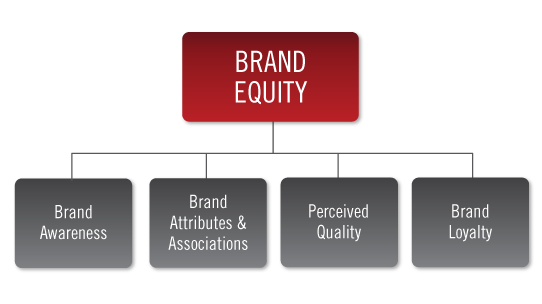
As consumers, we want to be made to feel special. Definitions of “luxury” can vary enormously and depend on who you ask and in what context. The term “Luxury” has never been something easy to define. It is in my view, a mysterious and elusive concept. Studies highlight that no one is immune and when properly executed makes products and services highly desirable by broad market segments.

To put things into perspective, I will discuss the nature of luxury, and how luxury and premium brands differ in the marketplace although both types of products and services can be targeted to similar audiences.

Why Luxury Brands?

Add to FacebookAdd to DiggAdd to Del.icio.usAdd to StumbleuponAdd to RedditAdd to BlinklistAdd to TwitterAdd to TechnoratiAdd to Yahoo BuzzAdd to Newsvine

YOU CAN READ THE REMAINDER OF THIS SUBJECT MATTER IN THE BOOK “ENTREPRENEURIAL ESSENTIALS: UNCONVENTIONAL BUSINESS WISDOM AND BOLD TACTICS

For a no obligation FREE preview (2 chapters), kindly click here.

6 Comments

Filed under Branding, Business, Luxury, Marketing