In today’s world, luxury isn’t about owning more, it’s about owning what no one else can have. In this episode, I’m diving into the world of bespoke experiences where everything is crafted to the individual…from custom couture and personal chefs to curated art collections. In this article, I unveil what drives this market, why people pay a premium for it, and what entrepreneurs can learn from the psychology and business model of personalization.
Custom Couture: The Art of Personal Identity
Let’s start with bespoke fashion…the ultimate expression of individuality.
In the world of couture, personalization is everything. Brands like Dior, Chanel, and Elie Saab offer made-to-measure garments tailored to each client’s exact measurements, lifestyle, and aesthetic.
But beyond the fabric and design lies the experience:
Private fittings in Parisian ateliers.
One-on-one design consultations.
Hand-sewn embroidery that can take hundreds of hours.
Even men’s tailoring has its icons. Savile Row in London remains the gold standard of bespoke suits…crafted stitch by stitch to fit one person, and one person only.
Example: Luxury tailor Huntsman of Savile Row once created a custom tweed for a client that matched the shade of his vintage Jaguar. That’s not fashion…that’s personal storytelling through style.
Business Lesson: In the bespoke world, time equals status. The longer and more exclusive the process, the greater the emotional and perceived value. Entrepreneurs can learn this: Don’t sell products…sell identity, rarity, and experience.
Personal Chefs – The Taste of Tailored Living
Next, let’s talk about the rise of personal chefs…a booming part of the bespoke lifestyle.
In the post-pandemic era, ultra-high-net-worth individuals have embraced private dining at home…but with five-star restaurant standards.
Example 1: Chef Daniel Humm, from Eleven Madison Park, curates exclusive dining experiences for clients worldwide, often customizing every detail, menu, wine pairing, even plating, to reflect their culture and preferences.
Example 2: Companies like HireAChef.com or La Belle Assiette have made personal dining accessible, offering private chefs who design menus based on allergies, nutritional goals, and personal taste.
It’s not just food…it’s curated nourishment.
Clients expect:
Tailored menus based on DNA nutrition or health data.
Local, sustainable sourcing aligned with their values.
Seamless service that blends hospitality with artistry.
Business Lesson: This segment thrives on intimacy and anticipation. Clients aren’t buying meals, they’re buying trust, privacy, and the assurance that every sensory detail is crafted just for them.
Entrepreneurs should take note: The next generation of service businesses will win by making customers feel deeply seen and personally served.
Curated Art Collections – Investment Meets Identity
Now, let’s move from the table to the gallery, where curated art collections define not just taste, but legacy.
Owning art isn’t just a hobby for the wealthy…it’s a statement of identity, intellect, and influence.
Example 1: François Pinault, founder of the Kering luxury group…which owns Gucci, Balenciaga, and Saint Laurent, turned his private collection into one of the most respected modern art portfolios in the world, culminating in the Bourse de Commerce Museum in Paris.
Example 2: The Pigozzi Collection, often called “the world’s largest collection of contemporary African art,” reflects not just aesthetic taste but a philosophy of cultural connection.
How the business works: Bespoke art consultants help clients:
Commission works directly from artists.
Curate pieces that reflect personal themes, values, or milestones.
Build collections that double as long-term investments.
For the client, each piece becomes part of their personal narrative. For the advisor, it’s a fusion of psychology, market strategy, and storytelling.
Business Lesson: In the bespoke art world, the value isn’t only in what hangs on the wall…it’s in the meaning behind it. Entrepreneurs in any industry can learn this: Attach emotional storytelling to your product, and you’ll elevate its perceived worth.
The Psychology of Bespoke: Why Personalization Sells
Here’s what ties all these experiences together: emotional ownership.
When a client feels something is created exclusively for them, it becomes priceless. It’s the same psychology behind:
A monogrammed Hermès bag.
A custom Rolex dial.
Or a tailor-made yacht interior that matches a client’s personality.
In a world drowning in mass production, bespoke experiences represent ultimate control, privacy, and individuality.
Entrepreneur’s Takeaway: The luxury consumer doesn’t want to own more…they want to own meaning.
In Summary
So, whether it’s custom couture, a personal chef, or a curated art collection, the lesson for entrepreneurs is clear: The future of business lies in personalization, craftsmanship, and emotional value. In the age of AI and automation, the brands that will thrive are the ones that make people feel personally understood.
______________________________________________
Visit my business SAVVYPRENEURSHIP channel and if you like the content, kindly subscribe to help me grow the channel.
Everyone loves the idea of the ‘self-made’ entrepreneur—the lone wolf who built an empire from scratch with nothing but grit and hustle. It’s a powerful story…but how accurate is it, really? In this article, I’m unpacking what self-made actually means—and what it really takes to succeed in business and become a multi-millionaire.
The Myth of the “Self-Made” Entrepreneur
The term self-made implies starting from zero—with no help, no resources, just pure effort. But when we dig into the stories of even the most celebrated entrepreneurs, the truth is more nuanced.
Examples:
Jeff Bezos: Is often seen as a self-made billionaire, but his journey was supported early on by a privileged background—including a $245,000 investment from his parents and an Ivy League education from Princeton.
Kylie Jenner: Labeled the youngest self-made billionaire—but her family’s fame and influence opened enormous doors.
Oprah Winfrey: A more authentic self-made story—overcame poverty and systemic barriers, but even she had key mentors and strategic alliances.
Most success stories involve more than just grind. They involve access, support, and strategy.
The 5 Real Levers of Business Success
1. Your Network
“It’s cliché but true—your network is your net worth.”
Access to decision-makers, mentors, early adopters, or investors can fast-track your growth.
Example: Many Y Combinator alumni cite their founder network as their greatest asset, not just their funding.
2. Access to Capital
Businesses bleed cash before they break even.
Bootstrap? It’s possible. But capital unlocks speed, marketing, and talent.
Example: Airbnb raised $20k from friends and family before scaling. That small early boost mattered.
3. Market Timing
Success is often about launching at the right time.
Example: Zoom launched years before the pandemic, but timing and infrastructure made it the default in 2020.
4. Unique Value Proposition
What makes you different in the market? Without this, even millions in funding won’t help.
Example: Spanx by Sara Blakely succeeded because it solved a real and specific customer pain point.
5. Resilience + Iteration
It’s never one shot—it’s multiple pivots.
Example: Shopify started as a snowboard shop before pivoting to become an e-commerce platform.
True entrepreneurs build by themselves, but rarely alone.
What “Self-Made” Really Looks Like
Being self-made doesn’t mean you did everything solo—it means you leveraged what you had, invested in relationships, and adapted relentlessly.
Characteristics of Self-Made Entrepreneurs:
Resourcefulness over resources
Learning quickly and acting on data
Humility to ask for help
Willingness to take risks others avoid
Clear long-term vision
The ‘self-made’ label often overlooks the invisible structures that helped someone succeed—supportive ecosystems, education, financial backing, or early access.
And here’s the truth—none of that diminishes their success. But acknowledging those advantages helps us all build smarter, not just harder.
If You’re Starting From Scratch?
If you don’t have connections or funding—what can you do right now?
Practical Steps:
Build social capital: Attend meetups, LinkedIn networking, Twitter communities.
Micro-start: Start with what you can validate cheaply. Lean MVPs over flashy launches.
Use the internet: We’ve never had more access to learning, collaboration, and low-cost tools.
“You don’t need privilege to start, but you do need strategy to grow.”
In the End
So, is anyone truly self-made? Maybe not in the absolute sense. But if you take ownership of your path, build smart, and keep learning—you can make something extraordinary on your terms.
Are you an inventor sitting on a groundbreaking idea but unsure how to bring it to market? Well, your timing is ideal. In this article, I dive into the step-by-step process of preparing your invention for a successful launch. From developing a Minimum Viable Product (or MVP) to securing intellectual property rights, and even lessons from famous inventors—I’ve got you covered. So, let’s jump right in!
STEP 1 – VALIDATE YOUR IDEA WITH A PROOF OF CONCEPT
Every successful invention starts with an idea, but before you invest significant time and money, you need to prove that your idea works. This is where a proof of concept comes in. A proof of concept demonstrates that your invention is feasible and addresses a real-world problem.
Take James Dyson, for example. Before launching the Dyson vacuum cleaner, he built over 5,000 prototypes to ensure his cyclone technology was effective. Start small and test on a basic level—this will help you refine your concept and gain confidence in your invention’s potential.
STEP 2 – DEVELOP A MINIMUM VIABLE PRODUCT (MVP)
Once your proof of concept is solid, it’s time to develop a Minimum Viable Product, or MVP. An MVP is a simplified version of your invention that includes only the most essential features. The goal? To test your product with real users and gather feedback without spending a fortune on full-scale production.
Take Eric Yuan, the founder of Zoom. His initial version of Zoom wasn’t the polished platform we use today—it was a barebones video conferencing tool focused on usability and reliability. By testing his MVP with early adopters, he built the foundation for one of the most successful software platforms in the world.
For your invention, focus on delivering value while leaving room for improvement. This approach not only saves you money but also helps you avoid wasting resources on features users might not need.
STEP 3 – SECURE YOUR INTELLECTUAL PROPERTY (IP) One of the most critical steps in preparing to bring your invention to market is protecting your intellectual property. Without it, your invention could be copied or stolen.
Patents are a common way to protect your invention. A utility patent, for example, covers functional aspects of your product, while a design patent protects its appearance. Filing for a patent can be complex, so consider hiring a patent attorney to guide you through the process.
A famous example is Steve Wozniak and Steve Jobs securing a patent for the original Apple computer. This protection gave Apple the legal foundation to dominate the personal computer market.
In addition to patents, think about trademarks for your brand name and copyright for any creative elements tied to your invention.
STEP 4 – CREATE A GO-TO-MARKET STRATEGY
With your MVP and IP in place, the next step is to craft a go-to-market strategy. This plan outlines how you’ll introduce your invention to the world. Ask yourself: Who is your target market? What’s your pricing strategy? Which distribution channels will you use?
For example, Sara Blakely, the inventor of Spanx, started small by targeting women in need of shapewear. She personally pitched her product to department stores, leveraging word-of-mouth marketing and small-scale campaigns. Her hyper-focused strategy eventually turned Spanx into a billion-dollar brand.
Whether it’s online marketplaces, direct-to-consumer sales, or retail partnerships, choose a distribution method that aligns with your audience and budget.
STEP 5 – TEST THE MARKET AND ITERATE
Launching an invention doesn’t end with putting it on the shelves—it’s just the beginning. Testing your product in the market allows you to gather valuable feedback and make improvements.
Remember the story of the Ring Video Doorbell? Founder Jamie Siminoff first introduced it as a Wi-Fi-enabled doorbell originally called Doorbot. While it had potential, early users identified several flaws. Instead of giving up, Siminoff listened to feedback, improved the product, and rebranded it as Ring. Fast-forward to today, and Ring is a household name, eventually acquired by Amazon for over $1 billion.
STEP 6 – BUILD YOUR BRAND AND SCALE
As your invention gains traction, focus on building a strong brand. A recognizable brand creates trust and loyalty among customers. Invest in professional design, a compelling story, and marketing campaigns that highlight the value of your invention.
Elon Musk’s Tesla is an excellent example. Tesla’s branding is synonymous with innovation, sustainability, and cutting-edge technology, making it a leader in the electric vehicle market.
FINAL TIPS AND ENCOURAGEMENT
Bringing an invention to market isn’t easy, but the rewards can be life changing. Start small, protect your ideas, and don’t be afraid to pivot based on feedback. The most successful inventors—whether it’s Dyson, Blakely, or Siminoff—all share a common trait: perseverance.
Your invention has the potential to change the world. So, take that first step, and don’t let fear hold you back.
What type of business sector to consider launching a business? Two exciting sectors that are ripe with opportunities for aspiring business owners: the well-being and beauty industries respectively. They can create successful, impactful, and profitable businesses. With the right approach, these industries can provide both financial rewards and personal fulfillment.
The Growth of the Wellness/Well-being and Beauty Industries
Before I delve into the reasons to start a business in these sectors, let’s look at some key trends:
Rising Consumer Interest: People are increasingly prioritizing self-care and personal wellness.
Market Expansion: Both industries are experiencing steady growth globally.
Technological Advancements: New technologies are creating innovative products and services.
Shift Towards Natural and Sustainable: Consumers are demanding eco-friendly and natural options.
Reasons to Start a Wellness/Well-being Business
Growing Demand: As stress levels rise, more people are seeking wellness solutions.
Diverse Opportunities: From yoga studios to meditation apps, the well-being sector offers various business models.
Low Entry Barriers: Many well-being businesses can be started with minimal initial investment.
Personal Fulfillment: Helping others improve their lives can be incredibly rewarding.
Example: Headspace
Headspace, a meditation app, started as a small startup and has grown into a global wellness brand, demonstrating the potential in the digital well-being space.
Reasons to Start a Beauty Business
Evergreen Industry: Beauty products and services are always in demand.
Innovation Potential: Constant developments in ingredients and technologies create new niches.
Social Media Influence: Beauty brands can leverage social platforms for marketing and growth.
Repeat Customers: Beauty products often lead to loyal, repeat customers.
Example: Glossier
Glossier began as a beauty blog and transformed into a billion-dollar beauty brand, showcasing the power of community-driven beauty businesses.
Key Considerations for Both Sectors
Niche Focus: Identify a specific niche within the broader industry to stand out.
Authenticity: Build a brand that aligns with your personal values and passions.
Quality and Safety: Prioritize product quality and safety to build trust with customers.
Digital Presence: Leverage online platforms for marketing and sales.
Customer Education: Provide value through educational content about your products or services.
Steps to Get Started
Market Research: Identify your target audience and their specific needs.
Develop Your Unique Selling Proposition: What sets your business apart?
Create a Business Plan: Outline your vision, strategy, and financial projections.
Secure Funding: Explore options like bootstrapping, loans, or investors.
Build Your Brand: Develop a strong brand identity that resonates with your target audience.
Launch and Iterate: Start small, gather feedback, and continuously improve your offerings.
In Conclusion
The wellness/well-being and beauty sectors offer exciting opportunities for entrepreneurs who are passionate about helping people look and feel their best. With the right approach, dedication, and a focus on meeting evolving consumer needs, you can build a successful and fulfilling business in these thriving industries.
Be mindful that success in these fields often comes from a genuine passion for the products or services you’re offering. Whether you’re creating a new skincare line, launching a fitness app, or opening a spa, your enthusiasm and commitment to quality will be key drivers of your success.
Starting and growing a successful business is no easy feat. It requires a unique combination of skills, mindset, and perseverance. However, by understanding and implementing certain strategies, entrepreneurs can significantly improve their chances of achieving their goals and overcoming the challenges that inevitably arise. In this article, I dig into the key factors that can give you the entrepreneurial edge, equipping you with the knowledge and tools to navigate the ups and downs of the business world, and emerge victorious.
Developing the Right Mindset
Success in entrepreneurship begins with cultivating the right mindset. Here are some essential mindset traits that can increase your odds of success:
Resilience: Entrepreneurship is a rollercoaster ride, and setbacks are inevitable. Developing resilience – the ability to bounce back from failures and challenges – is crucial for long-term success.
Growth Mindset: Embrace a growth mindset, which means being open to learning, adapting, and continuously improving. Successful entrepreneurs are lifelong learners who are willing to evolve and grow alongside their businesses.
Passion and Purpose: Passion and a sense of purpose are powerful drivers that can fuel your entrepreneurial journey. When you’re passionate about what you do and have a clear purpose, you’ll find the motivation to overcome obstacles and persevere.
Risk Tolerance: Entrepreneurship involves taking calculated risks. Successful entrepreneurs understand and embrace the inherent risks associated with starting and growing a business, while also implementing strategies to mitigate and manage those risks.
Building a Solid Foundation
While mindset is essential, it’s equally important to build a solid foundation for your business. Here are some key strategies to increase your odds of success:
Conduct Thorough Market Research: Understanding your target market, competition, and industry trends is crucial for developing a viable business idea and effective strategies.
Develop a Comprehensive Business Plan: A well-crafted business plan serves as a roadmap for your venture, helping you define your goals, strategies, and action plans.
Assemble the Right Team: Surround yourself with a talented and dedicated team that shares your vision and complements your skills and expertise.
Secure Adequate Funding: Ensure you have access to sufficient funding, whether through personal savings, investors, or loans, to support the initial stages of your business and sustain operations until you achieve profitability.
Executing with Excellence
Once you’ve laid the groundwork, it’s time to execute your business plan with excellence. Here are some strategies to help you along the way:
Embrace Continuous Innovation: Stay ahead of the curve by continuously innovating and adapting to changing market conditions, customer needs, and technological advancements.
Foster Customer-Centricity: Build a customer-centric culture within your organization, prioritizing customer satisfaction and delivering exceptional products or services.
Leverage Strategic Partnerships: Identify and cultivate strategic partnerships that can provide complementary resources, expertise, or access to new markets, enhancing your competitive advantage.
Prioritize Efficiency and Productivity: Continuously streamline your operations, processes, and workflows to maximize efficiency and productivity, ensuring optimal resource utilization and cost-effectiveness.
Conclusion
Increasing the odds of succeeding in any business endeavor is a multifaceted endeavor that requires a combination of the right mindset, a solid foundation, and excellent execution. By developing resilience, embracing a growth mindset, conducting thorough market research, assembling the right team, securing adequate funding, embracing continuous innovation, fostering customer-centricity, leveraging strategic partnerships, and prioritizing efficiency and productivity, you can give yourself the entrepreneurial edge and navigate the challenges of the business world with confidence and determination. Remember, entrepreneurship is a journey filled with ups and downs, but by staying focused, adaptable, and committed to your goals, you can increase your chances of achieving long-term success.
_________________________________________________
Visit my business SAVVYPRENEURSHIP channel and if you like the content, kindly subscribe to help me grow the channel.
The “worst” businesses to start can vary depending on several factors, including market conditions, location, personal interests, and skills. However, certain types of businesses are generally considered riskier or more challenging to establish and sustain than others. Here are some examples of businesses that tend to have higher failure rates or face significant challenges:
Risky or Speculative Ventures: Businesses based on high-risk or speculative ventures, such as gambling or day trading, can be particularly unpredictable and subject to significant financial losses.
Fad or Trend-Dependent Businesses: Starting a business solely based on a passing fad or trend can be risky, as these markets can quickly become saturated and lose popularity.
Restaurants and Food Service: Restaurants often have a high failure rate due to intense competition, high operating costs, and challenges in maintaining consistent quality and customer satisfaction.
Retail Stores: Traditional brick-and-mortar retail stores can struggle due to online competition and changing consumer habits.
Independent Bookstores: While some independent bookstores thrive, they often face challenges from large chain bookstores and online retailers.
Travel Agencies: The rise of online booking platforms has significantly impacted the profitability of traditional travel agencies.
High-Fashion Retail: The fashion industry can be unpredictable, and high-fashion retail may struggle to appeal to a broad customer base.
Transportation and Warehouse: According to the US Department of Labor, only about half of transportation and warehousing businesses survive for five years, and only one-third survive for ten. There are insurance charges, registration fees, taxes, gasoline, maintenance, and so on, in addition to the vehicles, you must purchase. In addition, according to the NFIB Research Foundation, employment restrictions, environmental standards, and frequency of lawsuits are all issues for this industry.
Print Media Publishing: Print media, such as newspapers and magazines, have faced significant challenges in the digital age, with declining readership and ad revenues.
E-Commerce Business: Opening up a retail business online—or an e-commerce site, if you prefer—what could be easier? Just throw together a website and wait for the orders to roll in, right? No, it just isn’t that easy. It is much harder than you might think to get visitors to come to your site. Then, even once you have driven traffic to your website, it can be very hard to convert visitors to sales.
It’s important to note that even businesses considered “risky” or “worst” can succeed with the right planning, market research, and execution. Every business venture carries some level of risk, and success often depends on the entrepreneur’s dedication, adaptability, and ability to identify and address challenges. Before starting any business, conducting thorough market research and seeking expert advice can increase the chances of success. Go for niche and/or service type of businesses especially the ones with high barriers to entry, as well as recession and pandemic resistant (not necessarily recession or pandemic proof).
Regardless of which direction the economy is moving towards ─ whether a recession, another pandemic, a calamity, or other external force, as an aspiring entrepreneur, launching a resilient type of business is key. As such, starting a profitable evergreen business idea could be the best bet for long-term survival.
Recession-Proof vs. Recession Resistant
Recession-proof businesses are traditionally defined as those that either thrive during adverse economic times or at least survive intact, whereas, recession-resistant businesses, are those with a better chance than most of riding out a recession.
Top 14 Profitable Evergreen Businesses to Consider
1] Noncyclical Businesses
These include consumer staples that are less reliant on business cycle shifts. Such companies produce or distribute goods and services we always need. Financially, they’re relatively stable and independent of the fluctuations in economic activity. For example, we won’t stop buying groceries because the economy is in a whirlwind. Then there are some which are not very sexy such as funeral homes/services.
2] Food Stores and Food Service
This includes take-out prepared meals and delivery. Regardless of the economy, everyone needs to eat. Specialty food shops such as gourmet, ethnic, and health-related are also ever more popular due to changing tastes and nutritional concerns respectively.
3] Health Care Providers & Products
As with food, health care is crucial as people continue to get sick even during bad economic times. Businesses include clinics, home care, and the pharmaceutical domain.
4] Discount Retail
Dollar stores and retailers selling liquidated items fall under this category. People cut back on luxuries during a recession but that doesn’t mean they never buy anything that isn’t strictly necessary. People who otherwise never step into a dollar store rethink their shopping habits when a recession hits. In categories that aren’t emotionally important, consumers ‘trade down’ or become bargain hunters. For instance, a passionate Porsche driver will shop at Costco every weekend.
5] Information Technology (IT) & Cybersecurity
There is no escaping it! Technology now permeates every sector of the economy, every company is now a “tech” company. Every business requires systems administrators, software designers, and cybersecurity specialists, so the demand for such independent contractors, workers, and services is higher than ever ─ despite the state of the economy. In addition, the International Data Corporation (IDC) forecasts that worldwide cyber security spending will reach $174.7 billion in 2024, with security services the largest and fastest-growing market segment. The rise in cyber attacks, especially ransomware, has fuelled the cyber insurance market.
6] Education Sector
While some areas of the education sector, such as schools, have been growing at 4-5 percent a year, others like multimedia content, pre-schools, and vocational training have been growing much faster at 20-30 percent. Overall, the education sector is estimated to be a $40 billion market projected to grow at a compounded annual growth rate of about 16 percent for the next five years. Studies show that students are more like to enroll in college and even more likely to stay in college during a recession [source: Parker]. That was true during the Great Recession and every U.S. recession since the 1960s, making higher education one of the more recession-resistant sectors around.
7] Transportation, Logistics & Shipping
Transportation and logistics are a critical aspect of development for any country as it ensures the delivery of goods from one place to another. This gives rise to many lucrative transportation business opportunities that one can thrive upon and earn good profits. Businesses that thrive in a recession happen to have products or services that people need regardless of their circumstances. Both freight and logistics deliver the necessities, making it consistently a recession-proof and profitable evergreen business.
8] Electric Vehicle (EV) Repairs & Maintenance
There’s an opportunity for entrepreneurs in the electric vehicle market. Electric vehicles are sweeping the auto industry, and one crucial piece has largely been left out of the limelight ─ service. Tesla, the largest electric car maker, has famously struggled with servicing its growing fleet, and with demand for battery-electric cars skyrocketing, it may not be alone as many more start-up EV makers, such as Lucid and Rivian, along with legacy car makers, are churning-out more models. At some point, when their warranties expire, independent EV repair shops will be the go-to for diagnosis and repairs.
9] Various Trades in Constant Demand
If it requires vocational education or a trade college diploma, trades include Electrician, Plumber, General Installer (Handyman), Carpenter & Bookkeeping to name a few in high-demand occupations which can be turned into very profitable self-employed businesses.
10] Consulting and Brokerage
This includes a Procurement Broker, an Insurance Broker, Mortgage Broker, and a Rental Agent among others. Brokers manage various business deals and act as a liaison between parties, as well as create and maintain relationships, administer sales, and perform administrative tasks. They don’t need to own any physical products for resale (inventory) and can earn handsome commissions or success fees when closing deals ─ the lucrative types in particular such as a large project.
11] Pet Sector
People love their pets. If a beloved dog or cat falls ill, its owners are not likely to get frugal and skip on veterinary care. There is also pet insurance which is getting ever popular. Then there are numerous food choices, accessories, and clothing. Grooming and other pet care services are also part of the spending. According to the American Pet Products Association, in 2021, pet owners spent $123.6 billion on their pets in the U.S. and according to the 2021-2022 APPA National Pet Owners Survey, 70% of U.S. households own a pet, which equates to 90.5 million homes.
12] Property Management & Real Estate Development
In this category, reference is notably made to residential property management such as for condominium buildings (common area & exterior maintenance) and management. Real Estate development would be owning housing for rent via Airbnb and other such online residential rental platforms.
13] Daycare Center
The trend of working mothers has been increasing over the years. Therefore, there is a need for someone to take care of their kids. Day-care centers can solve this matter. If one can provide good and hygienic facilities, along with a structured educational program and activities, this can attract a good chunk of business (i.e., kids).
14] Organic-Urban Farming
These days, many are preferring organic food which is free of pesticides and chemicals. If you can take some piece of land, or build a reasonable size greenhouse, you can do organic farming (both organic vegetables and fruits) and supply to retail outlets, and high-end restaurants in towns and cities. Moreover, children are more susceptible than adults to diseases caused by chemical pesticide residues in food and so parents prefer to give them organic foods. Food producers experience many advantages in organic farming that conventional growers don’t. For example, organic farming doesn’t typically require the same high capital investments than conventional farming does. Especially when the expense of chemical fertilizers, pesticides, and genetically modified seed stock is factored in.
In Closing
Many of the evergreen businesses, stated above, do well during recessions by providing goods and services which increase in demand due to recession conditions. In addition, the ones which sell physical products offer less expensive alternatives to premium purchases since demand is relatively inflexible to changes in incomes.
For the last couple of years, I and several other people I know have been complaining about what it takes to reach out to a contractor for home renovations and landscaping. The idea of getting frustrated trying to obtain a quote or to initiate the work agreed upon is ludicrous. After all, shouldn’t a business be eager to get new business and build, as well as retain its reputation? Then there are contractors who do shoddy work, leave a big mess behind, and/or constantly delay completing the work.
While contractors are skilled, it does not necessarily make them great businessmen. As independent tradesmen, they evidently have not received much, if any, education on entrepreneurship including communications, sales, marketing, and customer service/customer experience. What they do practice is being all over the place with several simultaneous jobs, with no focus in sight, coupled with the present scarcity of skilled tradespeople to fulfill the work demand. They are a special breed of businesspeople. “Half upfront and I will get back to you.” Is their typical modus operandi.
What Gives?
Many wannabe entrepreneurs (in this case ─ independent contractors) have too much on their plate while they lack adequate coordinating and communication skills. They are buying, selling, ordering, coordinating workers, suppliers, tools ─ and if they have a family, this also requires their attention. You get the idea. Furthermore, add to the equation the work truck which may have broken down. If your job is of less value than somebody else’s, you may be placed on the back burner or your request for a bid can be completely ignored while they work toward collecting money from another project. Sometimes obtaining parts specific to a job can be difficult to obtain due to the challenging supply chain. This causes long delays in receiving the necessary supplies. While waiting, the contractor, who needs to continue earning his income, goes elsewhere to work but will return to finish up a job once the item is in. “Juggling” and “prioritizing” is their default work ethic. That said, the customer is at their mercy.
Solutions to Reforming Their Business Conduct
The following are things contractors do that customers despise and how those missteps can be avoided.
Failing to Communicate
There is nothing worse than having a contractor with whom you can’t communicate or who does not respond to your messages in a timely manner. It lacks courtesy. Not only can this affect customer relations issues, but also impact the entire construction team working on the project.
Solution: Be accessible and responsive to potential and existing customers. This is one of the best ways to gain their trust and build your reputation. Either obtain assistance from a family member, or better yet, hire someone to handle all communications.
Subcontracting
When a contractor delegates his work to someone else, the homeowner has directly no control of this. The customer has made plans with the initial contractor and the subcontractor may not have all the details and turn out to underperform.
Solution: A contractor should vet the subcontractor diligently and be on the same page in terms of the work specifications required to be completed along with a follow-up inspection.
Producing Low-Quality Work
Lack of communication and subcontracting can both attribute to low-quality work. If customers paid for a specific service and it was executed poorly, in their right, they expect to have it redone ─ and not have to pay for it again.
Solution: Contractors should only work with trusted and highly rated contractors, avoiding the cost and trouble of low-quality work.
Extending the Timeline
Before work on a project begins, an estimated completion date is usually given so the customer will know how long the job will take with the ability to plan appropriately. Disappointingly and often, a contractor will extend this time period not once but maybe even twice. It may be deemed acceptable if the weather has been worse than anticipated (such as a lengthy harsh winter), or there has been an unforeseen predicament. Oftentimes though, that isn’t the case. Usually, it’s a lack of being organized, issues with subcontractors and/or supplies, project challenges not envisaged during the onset, or undertaking too many jobs simultaneously.
Solution: Contractors should be well aware of the above outcomes and do a better job planning for the conceivable.
Lacking Cleanliness
Often, you will hear about how contractors and their crews leave behind a giant mess after they are done with their project. Homeowners should not have to pick up after the contractor’s workers, who can leave behind hazardous items, such as nails and broken glass to name a few.
Solution: Once the work has been completed, contractors ought to make certain they don’t leave their mess behind. A job well delivered is deemed professional and will lead to customer satisfaction along with referrals and a stellar image ─ priceless!
Unexpectedly Adding Fees
When all is said and done, customers get appalled soon as they discover that they are paying more than was initially established. There are times when these contractors won’t even have a reason for the price increase.
Solution: The work estimate should be worked on very carefully considering the worst-case scenario rather than spitballing. Customers don’t care about your issues and underestimates. They want an all-inclusive and solid quote ─ in effect for at least three months).
Safety Negligent
Homeowners don’t appreciate when a contractor doesn’t ensure that his crew is following proper safety protocol. Not only are the workers subject to being injured, but the homeowner and his/her family coming and going from the house could also get harmed.
Solution: Safety should be a priority and contractors should maintain high standards including the safest, most up-to-date practices and procedures. They should be a member of a construction/renovation trade association.
Dividing Work & Attention
Contractors tend to be busy with multiple clients at once, thus their phones are always ringing. However, customers obviously hate it when contractors behave as if another customer and job seem more important than theirs.
Solution: Contractors should place their complete and total focus on the job at hand, as well as be honest about their workload. Once again, communication is key.
Bottom Line
It seems that the self-taught business ethos of independent contractors is: If they don’t need work right now or in the next few days, they don’t feel obligated to respond. From the consumer point of view, it’s definitely bad business. An MBA is not necessary to arrive at this conclusion. A small contractor has to wear different hats, but this person is usually only qualified to wear one of those hats. Here is how they get into this mess. Take on more jobs than can mentally and physically be handled/juggled at one time. Every customer wants it done now. “When can you start” or better yet, “When can you finish?”
The solution is to hire a full-time salesperson to price and provide service. Perhaps even hire a person to schedule work. In other words, separate jobs. However, the problem is that this may not be affordable for the contractor starting off. If applicable, a trusted member of the family, such as the spouse can be considered the best person to answer phones and undertake the scheduling until the business can begin to afford hiring staff. It’s the only way the business can scale properly.
The contents of this article were presented from a customer point of view and business advisor, along with frequent observation tempered with the knowledge of how many other businesses operate.
Whether you own a restaurant, retail, manufacturing or in the services domain, each definitely has its own challenges. However, all have similar things in common including protocols that must be implemented to control the spread of the COVID-19 virus, as well as cash flow, customer acquisition and marketing issues to deal with to name a few. COVID-19 is a systemic shock for every company around the world. The pandemic has changed not only economies but consumer behaviors and what customers value and demand moving forward. How should a savvy entrepreneur regain his or her best skills and eloquently move forward? There are five recommendations which will be addressed below.
The “new” normal or “next” normal
McKinsey & Co., a renowned business consultancy firm, declares that due to the business disruption caused by Covid-19, regardless of industry and sector, it envisions 7 elements which will be crucial in the shaping of the new normal. This includes:
Distance (social/physical) is back (technology continues to shrink physical distance, but in other ways, it could be set for a return);
Resilience & efficiency (combined – to come out of the crisis better than the competition, as well as the key to survival and long-term prosperity);
The rise of the contact-free economy (especially in regards to making payments – but in three areas in particular—digital commerce/e-commerce, telemedicine/virtual health, and automation);
More government intervention in the economy (step up to serve, or save, the private sector from economic disaster);
More scrutiny for business (with public money offered, there will be real effects on the relations between government and business, and between business and society);
Changing industry structures, consumer behavior, market positions, and sector attractiveness (should question whether existing market positions will be ongoing without much effort to reposition and respond to changes confronting various sectors as a whole);
Finding the silver linings (an opportunity for some positive outcomes and lessons derived from the coronavirus crisis).
Don’t panic, reassess and execute
Preparation, agility and resilience are three key ingredients to weathering any business storm with “Threats” in your SWOT analysis. Although Covid-19 has caused more havoc than anyone would not possibly anticipate, for optimists and the determined, it has offered a silver lining in regards to being much better prepared for almost any other peril which comes along in the future.
Cash flow: Since we know that cash is a crucial aspect of any business, a focus should be on price, volume of products or/and services sold, cost of goods sold (COGS) or cost of services rendered, operational expenses, accounts receivable timing, inventory control and turnover, as well as accounts payable terms and payment timing.
New and refined business model and strategy: Get creative and brainstorm different ways you can readapt your business and still deliver your service and/or products, including methods to boost revenues not considered pre Covid-19. For example, dining restaurants and lounge cafes are operating home-delivery and pick-up, as well as downsizing their seating capacity. Other types of businesses are considering mainly online and considering weekly or monthly subscription-style deals and other incentives helps to stay ahead of the competition.
Execution: Once the viable strategy is in place, implementing it requires several variables including: a) Everyone is onboard and constant communication is key; b) Include a timeline to accomplish the tasks; c) Select which ones will create the greatest impact to the goals of the organization; d) Frequently monitor and evaluate ─ verify progress against plan and make any necessary adjustments if necessary.
Finally, don’t leave any strategic planning elements without clear “action steps.”
Growth and innovation: The successful development and implementation of new ideas and refinements is crucial to a business so as to improve its processes, increase its efficiency, introduce/launch new and improved products and/or services to market, in addition to, improving its profitability. Encouraging and brainstorming new ideas, with all staff involved for maximum feedback, is a savvy consideration. Some ideas to consider are: adapting the business to meet changing customer needs, changes that solicit changes due to a “new” normal, and new, refined or discontinued products and/or service offerings.
Use of technology: More than ever before, exploiting technology at your disposal brings an added advantage in running an efficient business, plus navigate the challenges from the contagion and aid their recovery. Businesses should make a mid to long-term plan on technology and digital strategy. For example, process automation can increase efficiency. There are likely to be more opportunities for companies, among others, in sectors such as remote offices, online education, online medical care and online entertainment. However, adopting new digital or mobile payment methods, earning revenue from online sales and using social media for business purposes should be top of mind.
At the end…
John F. Kennedy once stated that “when written in Chinese, the word ‘crisis’ is composed of two characters. One represents danger and the other represents opportunity.” The assumption is sufficiently genuine: that a calamity presents a choice. This is especially evident today. In business, regardless of industry, alternative yet practical ways to operate exist.
What is for certain, is that the upturn caused by Covid-19 will be a terrific opportunity for growth ─ but only for those who embrace it and make the required and meaningful changes. No one can predict risks such as a pandemic, but it would be foolish to think they, and other types of risks, will not occur and affect them in any way.
Following three decades of personal business experience in three countries, as well as through constant observation of successful businesses, for products or services to increase the rate of triumph, they should perform at least one of the following:
Solve a problem: Whether for the B2C or B2B market, focus should be on building a “must” have not a nice to have product. Consumers are overwhelmed with a plethora choice on daily basis. Attention spans are getting shorter and only few products are getting noticed. As a result, a product or service should be doing something different and better to succeed by being in demand.
Examples:Amazon simplified online buying and selling. Poo-Pourri solved the stinky bathroom problem, Spanxsolved the comfort of leggings.
Also consider inventing any product in the health & wellness sector which diagnosis and prevents any potential diseases such as colon cancer etc., or in the privacy & security domain protecting consumer data on personal devices.
Make lives easier – offer convenience
Examples: The invention of the GPS (replace paper maps), wireless charging (did away with power cords), voice-command devices such as the TV command remote (eliminated having to use a plethora of buttons), smart wireless home (remotely control various factors of the home environment), Blue Apron (a meal experience that customers create with the original recipes and fresh, seasonal ingredients that are included in every box.)
Fintech: “Computer programs and other technology used to support or enable banking and financial services.” It is “one of the fastest-growing areas for venture capitalists.” According to Forbes, examples of Fintech-related companies or products include: Payment infrastructure, processing and issuance such as services provided by Square and Stripe; Stock trading apps from TD Ameritrade and Schwab; Alternative lending marketplaces such as LendingClub, and OnDeck.
Also, urban farming — growing commercial ready fresh, sustainable and local vegetables with no pesticides. Examples are La Caverne in Paris, Badia Farms in Dubai or Lufa Farms in Montreal to name a few.
Disrupt an existing well-established business/product/service. Disruptors create a way of doing things which displaces the existing market leaders (a product or service), and eventually replace the original players in their sector.
Consider Uber (taxi industry), Airbnb (hotel space), iRobot (vacuum cleaning chores), Beyond the Meat (looks like and tastes like real meat though plant based).
Sell hope – after using these products and services, lives will be easier, better, and changed somehow.
Examples: Cosmetics, skin enhancement injection services and products such as Botox, financial planning products for a comfortable retirement.
Offer a lifestyle enhancement
Examples:Red Bull (“gives you wings”/vigor), Vans sneakers, Apple products, and recreational lifestyle pharmaceutical products such as Viagra and Cialis.
Provides a social status: Think (authentic) luxury products and services or green products.
Examples:American Express Platinum charge card, Business and First-Class on airlines etc.
Green status products may include the Prius hybrid automobile and the Tesla (ditching the ubiquitous internal combustion engine with its use of fossil fuel).
Offer a better version of an existing (generic) product or service (“Premium”) – upper mid-to high price range appealing to discerning/very demanding consumers. This business model seeks a higher profit margin on a lower sales volume. Services and subscription models are a much more sustainable than physical products.
Example:Nestlé has its Nescafé line (various types) of coffee but also offers its top of the line Nespresso line (a separate company division).
Sell niche, exclusive or viral products online:
-Reach an audience with a shared identity regardless of location.
-Exclusivity has its devotees and offers the illusion of scarcity.
-There are several factors that influence the virality of a product and they range from the emotional impact to the visibility that the product delivers.
Examples: Keto(genic) foods, vegan foods, Matcha tea, all natural pet food and/or accessories with a fashion statement, bamboo toothbrushes, yoga/health retreats, specific branded apparel and footwear are just a few good ideas mentioned.
In addition, if choosing to deal strictly with B2B, what is recommended as businesses are:
Act in a capacity of a Consultant or Broker (services, with no inventory to purchase, store and sell) but preferably with unique knowledge and exclusivity respectively;
Be a wholesale supplier of specialized raw materials, parts or ingredients rather than focus on the retail space (CPG or CE domain). Building a brand in the mind of a consumer is a lengthy and costly affair.
In the end…
…with any or several categories of the above recommendations, as an entrepreneur, your product or service has a great shot at profiting in a competitive market. A contrarian with innovation tendencies can make a difference. Never think short term and always consider adding value if you want to truly succeed in business.
Potential entrepreneurs and inventors are individuals motivated primarily by the desire to create something new, the desire for autonomy, and financial independence who are equally convinced that their product or service idea possesses tremendous potential. However, without a structure in place and vital concerns to honestly deliberate, as well as confront, the prospective entrepreneur may be diving into an unfamiliar commitment prematurely.
Asking the right questions to prepare the road map ahead, along with predicting the worst-case scenarios, will place the aspiring businessperson in a superior proactive rather than in a totally capricious and reactive position.
As a serial entrepreneur stretching over 35 years and in three countries, I have developed a series of questions to asses prior to engaging in a new enterprise. The self-evaluation questions which should be addressed are as follows:
1) Will my product or service idea be viable, and does it solve a problem?
Do an adequate/in-depth research of your target market(s) and your competition (if any).
Know your potential size of your target market(s).
Be familiar with your USP (Unique Selling Proposition). Can you articulate
Establish a business model to identify the products or services the business will sell (whether B2C, B2B or both), and among other elements to ponder such as the target market it has identified, and the expenses it anticipates.
If what you are planning to offer is considered disruptive and will make people’s lives easier, than your chances of acceptance and sales will be significantly higher than the average existing competition.
2) Do I have adequate funding to launch it and keep the business going?
There should be sufficient start-up funds, as well as funding available to keep the business active for cash-flow purposes, as well as to grow the company. Every type of business has different funding requirements.
Sources of funding are bootstrapping/own funds, debt (line of credit, credit cards, traditional and alternative bank loans) and/or equity (friends, family, potential investors, etc.)
3) Do I possess the characteristics required to deal with entrepreneurial hardships?
An effective businessperson has an inquiring mind and should never stop learning. Familiarize himself or herself with the barriers and challenges an entrepreneur is often confronted with.
Possess tenacity and able to think clearly. Intense emotions from pressure should be restrained. Cool heads prevail and easier to undertake problems.
Organizational skills are critical along with an open mind and fiscal discipline.
Should not feel uneasy delegating tedious tasks (whether in-house or outsourced) and focusing on the core business operations.
4) How much do I know about the industry I’m seeking to embark in?
A clear understanding of the business is imperative. The entrepreneur should be a perpetual student of the business and constantly seeking ways to innovate and improve oneself and the operations.
5) Can I succinctly address all 4P’s of marketing (a.k.a “the marketing mix”) for the product(s) or service(s) I desire launching?
Every entrepreneur should be familiar with the marketing mix (Product, Price, Place & Promotion) and how each one applies to his or her product(s) or service(s).
6) What are my financial projections (3 to 5 years)?
Achievable? Adequate? What about profit and cash flow?
Number of employees planning to hire (payroll costs), amount needed to spend on R&D, equipment, etc.
7) What is my exit strategy?
a) If things go awry.
An entrepreneur should know when to walk away if his or her business is floundering with little chance of turning it around. Perhaps sell it if someone else can salvage it. It is not a good idea to keep injecting good money after bad.
b) If the business is thriving in 5-7 years?
It may be a good time to pass on the reins to a capable family member, sell the shares to the partner(s), go public, or negotiate a buy-out from an established brand or competitor. If seeking funds from an Angel Investor or Venture Capital firm, this will need to be addressed.
8) Do I have a circle of outside support such as a mentor/coach, attorney, accountant etc.?
A savvy businessperson surrounds himself or herself with mentors and knowledgeable advisors, who will nurture the executive to become a better and successful entrepreneur.
Ultimately
The aspiring businessperson should be honest with himself or herself of the challenges that lurk in launching and operating an enterprise — it is not all rosy and glory. Start-ups do not occur in theory. These questions, when answered wisely and truthfully, ensure the would-be entrepreneur does not get caught in a sensual dream that turns into a living nightmare.
Often, the initial task expected from an aspiring entrepreneur is to prepare a business plan. A comprehensive business plan, when concisely written, is a tool that conveys in detail the short and mid-term (1 to 5 years) goals and objectives comprising the projected sales strategies, the marketing, operational and financial plans. This document should include in-depth research conducted regarding the industry and the competition. Moreover, it describes the strengths, weaknesses, opportunities and threats/risks (known as a SWOT assessment) along with a financial analysis, and assumptions on growth. The average 25-50 page document also lays out a map of where your company will be and how it will get there – also known as the “vision.”
Pitch Deck vs Business Model vs Business Plan
A typical question normally asked is: which one comes first? It depends on which of the three is being requested. However, the pitch deck is generally sent early in the discussion. The business model is created for internal purposes and can be comprised within the business plan. The U.S. Small Business Administration (SBA) refers to the business model as “a company’s foundation and the business plan as its structure. The foundation, or business model, is the original idea for your business and a general description of how it functions. The structure, or business plan, elaborates on the details of your business idea.”
A pitch deck is a presentation − a deck of between 10 to 20 pages slides that is shared to potential investors and/or used as a visual during a live presentation to either investors or other audiences. The pitch deck is an effective summary of the key items in the business plan and includes information about the business, who it serves and why, the size of the market, the unique selling proposition (USP) and how the business will win in that space. It also lays-out the details about what the entrepreneur intends on doing with the funds sought from an investor.
The pitch deck is created in a Microsoft Powerpoint format and converted to PDF prior to being sent-out via email.
The business model, more specifically, a Business Model Canvas is a company’s plan for making a profit − a design for the successful operation of a business. It’s how you create value/make money while delivering products or services to your customers. It’s in a form of a visual chart with nine building blocks describing, among other elements, a business’s value proposition, infrastructure, customers and finances. It can be used to understand your own business model or that of a competitor. The business model canvas was created by Alexander Osterwalder, of Strategyzer.
The business plan is a non-static document (usually in MS WORD and sent in a PDF format) which describes in detail, what the business does, and how it’s going to achieve its goals and objectives. It also incorporates the business model, the financial projections, and all other details about customer interaction/engagement, customer service, operations including management capabilities.
The business plan is first and foremost used by a business as a reference guide and shared when requested by the bank for a possible loan and/or funding considered by the potential investor.
What a banker or private lender seeks
For debt financing, which is either provided by a bank or an alternative loan source, the business plan should contain a convincing reason why the money is needed and how it is going to be used in the business. Being the least risk adverse, as compared to an equity investor, a money lender’s main concern is the possibility of a business failure/bankruptcy. Its main focus is on the ability to make the loan payments and eventually repay the entire loan. As such, much emphasis is on the cash-flow analysis. Likewise, bankers are interested in the business background of the management team. The marketing plan provides information on how the business plans to cope with competition.
A lender’s additional information sought is other sources of finance the business presently has in its books along with a list of potential collateral which the bank can have readily access to (business and personal assets), in case the business is unable to repay the loan. Likewise, the borrower’s financial track record is carefully evaluated.
What an investor seeks
When writing a business plan specifically to raise capital to fund a new business or take an existing company to the next growth stage, an Investor — whether an angel investor, private equity or venture capital, seeks certain vital information and requirements. The business plan should include a detailed use of funds, a descriptive growth strategy, a list and profile of the competent management team, and credible, reasonable yet ambitious financial projections. An Investor will also look for a unique competitive advantage that enables the business to be more effective than its competitors, as well as whether the business will be making a profit and how long it may take to do so. The business plan should also state an exit strategy since the investor needs to know how quickly he or she will achieve any gains on his or her investment.
Other specific uses of a business plan
Immigration officials (referring to U.S. & Canada) require those applying for an Entrepreneur or Investor visa to submit a business plan which states that the proposed business has the potential to create the required number of jobs (economic benefits for the country) to qualify him or her for business related immigration visa. Furthermore, the business is being invested meets the monetary requirements and is irrevocably committed (wire transfers, cancelled money orders etc.), an itemized list of goods and materials purchased for the start-up, as well as the lease agreement. The source of funds must be stated, as well as convincing information on the ability to develop and operate the business.
A Government agency may request the business plan to issue a grant. One of the components that simply must be present in the plan is to show that, as the business owner, you are investing your own money. The bureaucrat wants to know that there will be skin in the game. Additionally, what needs to be in the business plan to increase the chances of receiving a grant is how much money is sought, how the funds will be used and how soon required (perhaps include a timeline). The plan must be written in a form which takes into account the economic benefits for a legitimate and viable business.
A Strategic Business Plan differs from other business plans as it exclusively centers around on the company’s vision and places emphasis on a particular objective. For example, to focus on a particular niche in the marketplace. What would follow is to makes sales, marketing and customer strategy more effective.
What follows is an ideal description and comparison, from the BDC (Business Development Bank of Canada), between the Business Plan and Strategic Plan.
Business Plan. Strategic plan. There’s a lot of overlap between the two, but there are also some crucial differences you should understand.
A business plan answers “what do I want to do?” questions. It includes your company’s organizational structure, marketing plan and financial projections. Its purpose is to define where you want to take your business. It’s often the founding document of a new business.
A strategic plan, on the other hand, answers “how will I do it?” questions. It includes a detailed action plan for the next few years to achieve your company’s goals.
Both should include a SWOT analysis (Strengths, Weaknesses, Opportunities, Threats) and be reviewed regularly so that they’re up to date.
In the final analysis
In essence, the business plan is a document not solely for the entrepreneur to spell out strategy and to implement it. Its purpose is also to make a pitch to a banker, potential investor, and prospective partner, or for other (rare) purposes such as immigration. As such, the information should be tailored to what is sought by the specific reader. It ought to provide clarity of thought and purpose, by clarifying strategy, introduce the Business Model, the company, its “raison d’être”, as well as the management team. It attempts to persuade investors in raising funds, as well as honestly highlighting risks and challenges. The business plan serves as an entry point for further discussions. Besides the management team and its competencies, banks are concerned that their loan gets repaid at a defined point in time so they place emphasis on the projected cash flow statement. An equity investor prefers a business plan which is realistic yet ambitious, their focus being on growth, a return which will yield at least a 10x return on their investment along with an exit strategy in approximately five to seven years.
Key Elements of a Business Plan:
Explain the business model in simple terms;
Fit the plan to the company;
Be credible and informative;
Demonstration of knowledge of the market and competitors;
Stressing the risks and steps to overcome the risks;
Using clear and concise language.
_________________________________________________
I deliver comprehensive Strategic Business Plans, Market & Industry Analysis, Marketing Strategies, and Business Models that get your business going and growing. Quick turnaround time and assistance with executing plan (optional). Contact me here.
In addition, I offer alternative working capital (minimum $5000 and six months in business) based on your cash flow and receivables…not your personal credit score. Upon approval, funds deposited within 48 hours. You may fill-out this online form: https://armanikhoury.typeform.com/to/OBrv5r
Starting a business, most notably for first timers, whether as a sole proprietor/solo-preneur, in a partnership or purchasing a system called a “franchise”, appears to be something many aspire to do. You can’t blame them since they equate this undertaking to creative freedom and profit with no ceiling together with a lifestyle unmatched compared to working for someone else. However, the same number of prospective entrepreneurs may be blindsided by the undertakings required launching a business, let alone operating it successfully.
Drawbacks of launching an enterprise
Contrary to all the hype you read about the dream of starting a business which supposedly guarantees success, reality is quite the contrary. The odds are stacked against the average new entrepreneur (and seasoned ones with a reduced chance of failure due to prior experience). Ahead of embarking on the entrepreneurial path, factors to seriously consider are as follows:
Risk exposure especially financial: Even with proper planning to reduce the level of risk, you can’t control the outcome especially if the circumstances are unforeseen. The capital injection which any type of business requires, may not be adequate but also totally at risk. Beyond this, entrepreneurs need to consider the risk from employee disagreements, product liability, and regulatory requirements among other issues. Obtaining financing is also a challenge as banks require some revenue history and guarantees from the owner(s). Personal credit cards, savings, investments, as well as from family and friends are usually the only means of securing funding for a start-up. Borrowing against personal assets, such as a home creates risking the equity in one’s home. This is a financial commitment not all entrepreneurs are willing to make.
Uncertainty: Although the business may be successful at the start, external factors such as competition, downturns in the economy, or shifts in consumer demand may impede businesses growth. No amount of pre-planning can anticipate or control such external factors. Profits are not a guarantee during the initial two years either.
Time commitment and patience. When launching a business, chances are most, if not all tasks will be performed by the entrepreneur. Responsibilities include everything from purchasing to expenses, marketing activities, customer issues, equipment breakdowns and banking. This would entail working more than the typical 40 hours normally performed when working as an employee for someone else. This time commitment can place a burden on family and friends and add to the stress of launching a new business venture. Moreover, the business may not be able to support a salary during the initial few months or longer.
In addition, if you decide to take on a partner or two, be prepared to live with the consequences. It is a “business” marriage. In fact, you will be spending more time with this person than with your significant other. Do a thorough due diligence and make certain of the three most important factors.
Is he or she should be financially sound? No exceptions, otherwise, it may create issues moving forward including you having to foot the bill for the business’s financial obligations and possibly any future capital injections required.
That he or she is not carrying baggage: Make sure they have a good reputation. Not bringing along any legal or financial obligations (such as a bankruptcy or owe a significant amount of money to any parties).
Bring value-add such as a talent, strength that will make a vital contribution and compliment the work you do. You can’t possibly be good at doing everything. Ideally, each partner should contribute on an equal footing.
When you feel comfortable bringing the chosen partner onboard, do not waste any precious time drafting a legal partnership agreement/ (a shareholder’s agreement in a corporate structure). That is your partnership insurance policy – your business prenuptial agreement of sorts.
Why businesses fail?
New businesses, regardless of industry, have the odds stacked against when it comes to survival rates. According to the Small Business Administration (SBA), “About half of all new establishments survive five years or more and about one-third survive 10 years or more. As one would expect, the probability of survival increases with a firm’s age.” Those survival rates have remained constant over time. That’s why it’s so important to understand how and where things go wrong—such information offers valuable lessons on what to avoid. There are many reasons, perhaps a combination of two or more. The following charts depict the main causes of small business start-up failure. Both, under-funded or well funded business have their reasons for failure – neither is immuned.
In the end
The advantages of staring a business are freedom, personal satisfaction and financial rewards. However, the downside is risking your funds and money obtained from other sources, the possibility that the business can fail, handling many roles with full responsibility, dealing with challenges head-on, and less quality time to spend with family and friends. With limited resources at your disposal, all these factors create stress not necessarily dealt with as an employee.
From the moment you have made the decision to go all in and plant for your start-up launch and throughout your daily operations, your full-time committed is crucial if you seek the desired results. If you fail because of internal factors alone, you have no one else to blame but yourself. At worst you will have given yourself the opportunity to test yourself as an entrepreneur and learned from that experience. Better yet, learn from other entrepreneurs’ mistakes. At the end of the day, “Failure is knowledge, knowledge is success.” – Tim Gibson
Using the CPG (Consumer Packaged Goods) brands as the main topic for reference in this editorial, we dig into the dilemmas of the leading consumer brands such as Kellogg’s, Nestle and General Mills to name a few in the food sector.
Small, nimble and niche brands, most notably start-ups, are beginning to chip away at the market share of many leading consumer goods firms. As a result, these small companies are growing rapidly to the detriment of the big brands but to the benefit of the consumers. This has to do with big brand complacency, bullying and arrogance along with the desperate need for short-term results to satisfy the insatiable expectation their shareholders’ have for quick profit and stock price increases – but with little regard for today’s consumer. As such, it is no surprise that shoppers have become more savvy, see through much of the nonsense and have helped turn this tide whereby. Consumers trust and are more confident with the small brands over the traditional ones their parents were accustomed to.
Welcome to the new generation of CPG choices and mentality.
Big ship vs Fast Craft
Large well-established companies have several advantages over smaller ones mainly due to their imposing size, their brand recognition as well as for their plethora of cash and human capital. However, despite their deep pockets and plethora of resources, they are risk adverse, bureaucratic in their decision-making process and to some extent, disengaged from their customers. Moreover, if they are a public company, their initial allegiance is to their shareholders.
Start-ups and smaller businesses, on the other hand, have less money and resources at their disposal to grow or even compete in the unapologetic and competitive landscape. Yet, the small business is agile, nimble and creative and possess several advantages such as a clean slate, rather than the baggage many large corporations have been carrying over the years, as well as perceived as more trusting by consumers, further engaged with their customers, and a refreshing alternative to the established brands – provided the products offer unique and attractive characteristics.
Be First, Different & Daring
It takes methodical strategic maneuvers and innovation to outdo the established ones. The good news is that many small companies seem to be doing a good job at both. As a result, they are becoming quite appealing by both consumers and the large brands respectively. At some point and under certain criteria, the latter are keen to purchase the small niche companies.
A case in point is the state of the exploding snack bars health food category. According to Euromonitor International, a market research and analysis firm, renowned food companies such as Kellogg’s and General Mills are experiencing declining market share as compared to previous years. Meantime, privately held Clif Bar, gained a one percentage point during the same period, while another small competitor, Kind LLC, increased its share by 2.1 points. Not idly standing by, last year, Kellogg’s purchased seven-year-old RXBar for a whopping $600 Million, while Mondelez International, the food conglomerate, which owns the Oreo brand of cookies and Cadbury chocolate, purchased Enjoy Life, a consumer packaged goods upstart which performed three years of 40 percent consistent annual growth. A 2015 report from Fortune magazine found that in 2014, in a single year alone, major CPG brands lost $4 billion in market share.
Reputation seems to be the culprit for this significant market share loss. Consumers perceive products from large brands as unsustainable, as well as less healthy with inferior and artificial ingredients along with a high content of sugar and salt. Younger generations of consumers are also suspicious of major corporations. For example, a 2015 study, conducted by the research firm Mintel, indicates that 43 percent of millennials do not trust traditional food companies.
The single most important advice here is that newly established brands should focus on their unique strengths to win over their large and deep pocketed competition rather than trying to go head-to-head with them. Newcomers to the CPG market are in a better position than large brands in catering to emerging consumer trends such as “clean label”, “free from” and organic/non-GMO foods.
Agility
Being a small company give you the benefit of being nimble and efficient in areas large ship like companies are not able to do so. This makes them slower to respond. In fact, there are times that they don’t even return calls or email inquiries. Strat-ups can implement a business model which provides value to customers while simultaneously building a lean operation which will yield a consistent profit. This can be accomplished with a limited financial capacity.
USP with a Niche Focus
Unlike the big companies, smaller ones can develop products which meet an unmet need. A niche market can demand a premium price which can yield respect along with a handsome profit. For large companies to offer niche product may risk cannibalizing their own existing products.
Increasingly, mass-market retailers are seeking niche brands that their clients consider as healthier. This will keep their customers from purchasing products in this category elsewhere as these large mainstream food retailers face rising competition from natural food and specialty chains such as Whole Foods Market and Trader Joe’s.
Trust and Transparency
Regrettably, established food companies do not practice what they state over their PR megaphones. A recent Forbes article contends, those large brands mislead consumers by giving an impression of a healthy product through their misleading labels. Consumers today are well informed and can recognize inauthentic brands, but it seems that short-cuts and short-term thinking, in the name of profit margins and increasing share prices, take precedence. According to AdAge, consumers are increasingly switching to smaller CPG companies as they are perceived as healthier and more authentic.
Media Spend on a Budget: Creative vs. Outspending
With a limited marketing budget, the most effective methods of reaching your target audience and to out-create your large corporate competitors is through social media, including reaching out to influential bloggers with a large audience, coupled with a select number of sponsorships and the use exposure of marketing posters, brochures etc. for maximum exposure. The key to compelling content is to make it about your niche and your story. If you sell good quality products and have managed to build a good online network of brand supporters, you can leverage your goodwill to bring in sizeable sales.
In a Nutshell
As change is and should be constant, the small brands should not only learn from all the mistakes made by the big brands but also offer what the consumer demands…clean ingredients, transparency and personality along with a story and an emotional connection. These elements exude confidence and trust. Moreover, smaller companies should remain nimble, use plenty of experiential marketing and continuously offer timely improvements including environmental sustainability.
Established brands please take note as you are on notice.
Sharing an interview podcast I recently had, conducted by a food marketing expert on how I launched Artizan Fine Foods with my partner and what differentiates our products.


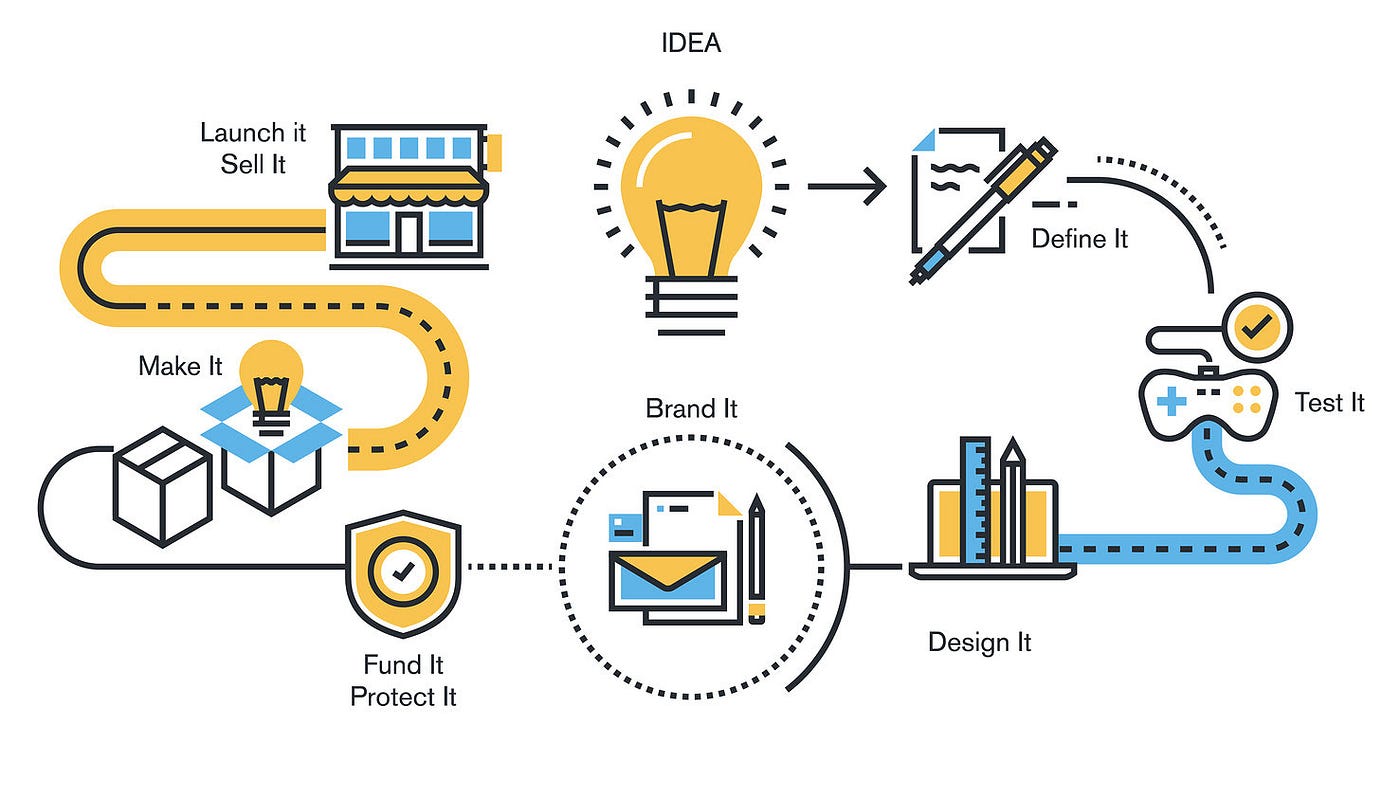








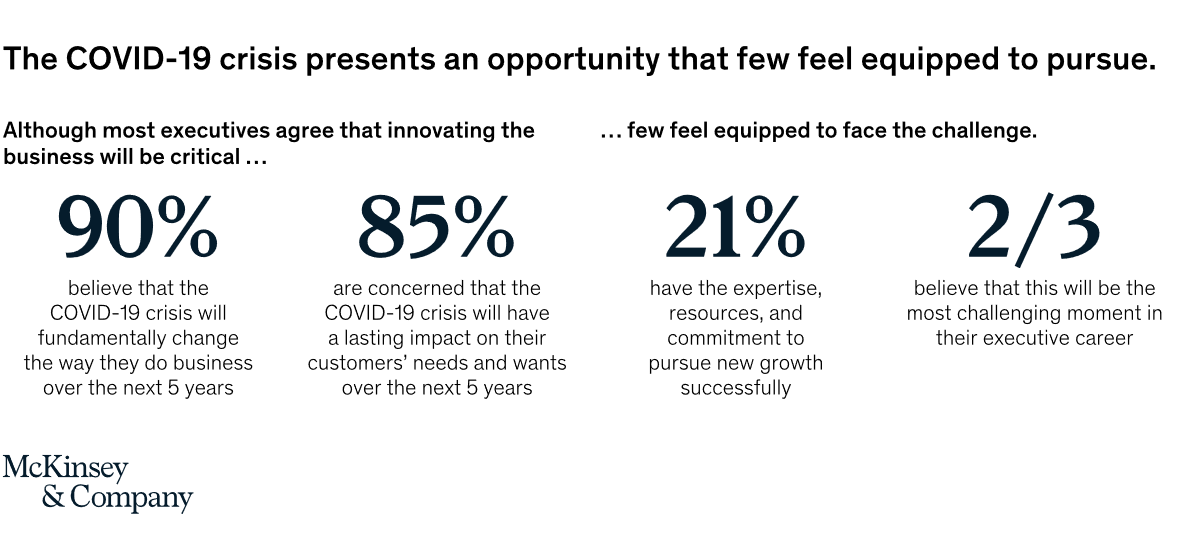

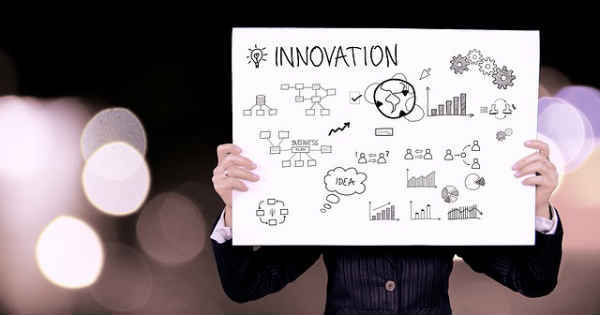








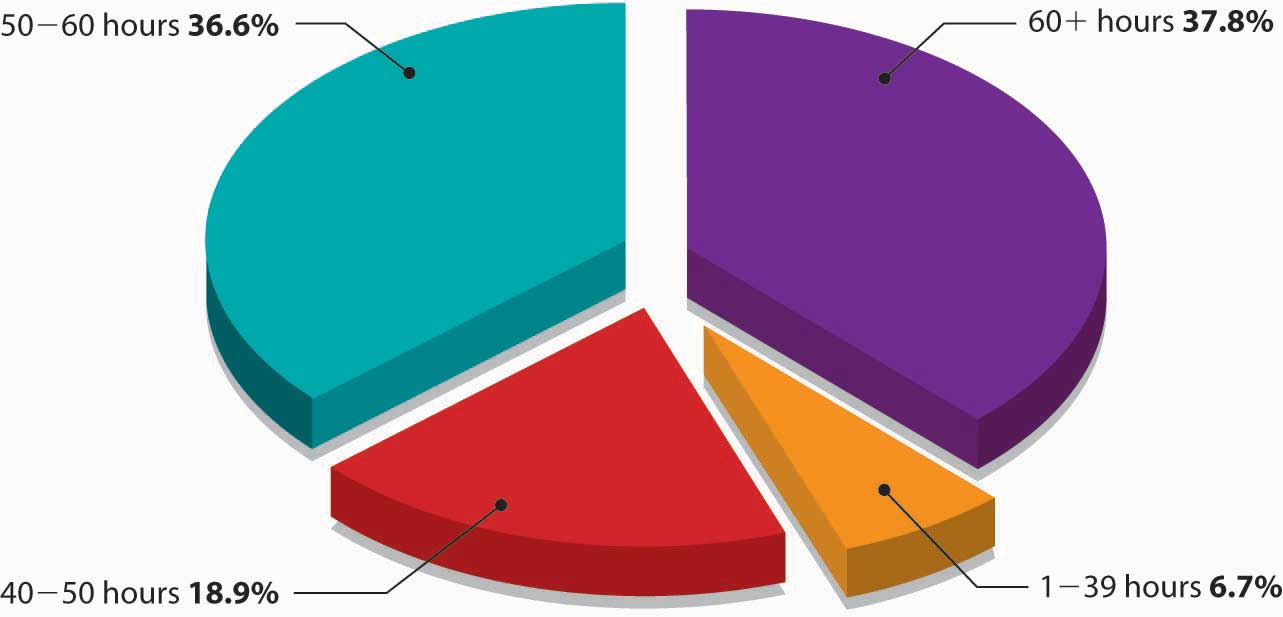
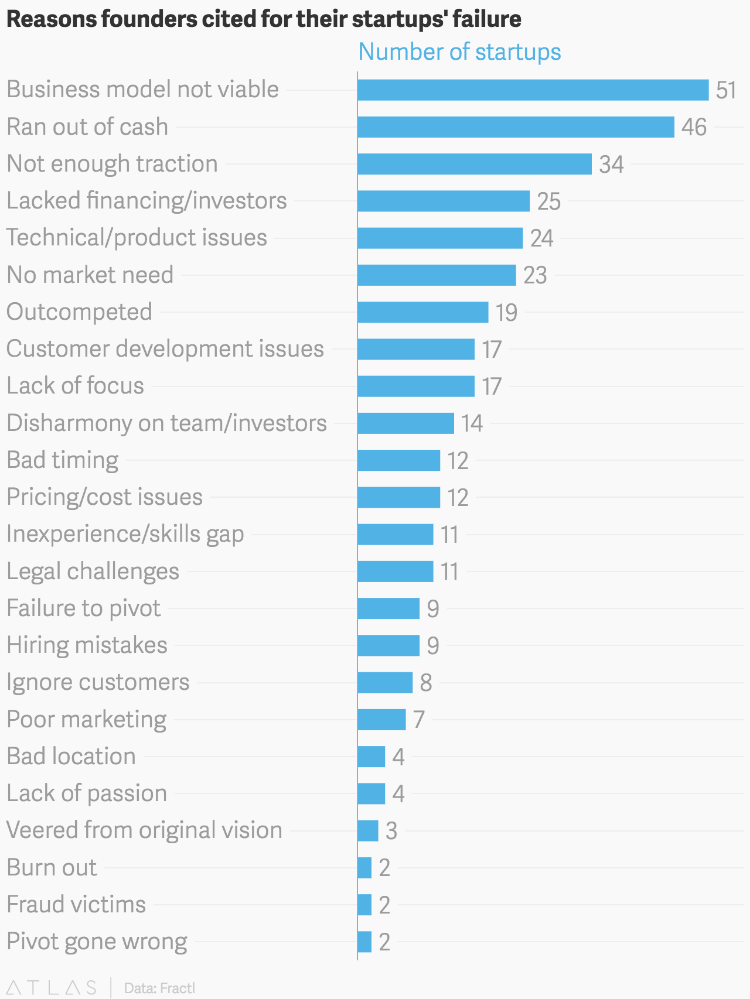
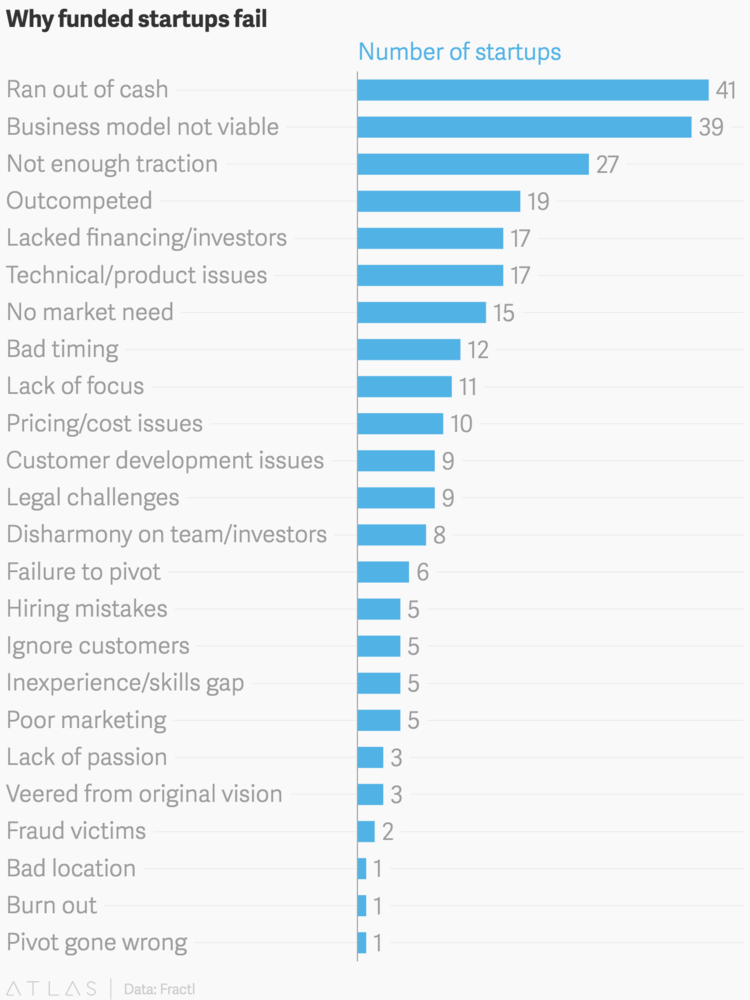





 Unconventional Business Wisdom for the refined entrepreneurial mindset - by James D. Roumeliotis